
Most people brush past small changes on their skin without a second thought. But when you spot a tiny skin opening — a pinpoint hole, a tiny puncture-like mark, or a small break in the surface of your skin — it’s natural to wonder what caused it and whether it needs attention. These openings can appear anywhere on the body, from the scalp to the back, and while many are harmless, some can signal an underlying issue that deserves a closer look.
This guide walks through what a tiny skin opening actually is, the most common reasons it shows up, how to care for it at home, and the warning signs that mean it’s time to see a doctor.
What Is a Tiny Skin Opening?
A tiny skin opening is exactly what it sounds like: a very small break, hole, or gap in the outer layer of the skin. It’s often no larger than a pinprick, though in some cases it can widen slightly or develop a raised edge around it. Unlike a typical cut or scrape, these openings usually aren’t the result of an obvious injury — which is part of why they catch people off guard.
Depending on the cause, a tiny skin opening might:
- Be dry and flaky around the edges
- Ooze a small amount of fluid, pus, or blood
- Feel tender, itchy, or slightly raised
- Sit at the center of a bump or cyst
- Show up alone or in a small cluster
Because the appearance can vary so much, the underlying cause is really what determines whether it’s something to monitor or something to treat.
Common Causes of a Tiny Skin Opening
1. Clogged or Enlarged Pores
Pores are naturally occurring openings in the skin that release oil and sweat. When a pore becomes blocked with dead skin cells, oil, or debris, it can stretch and become more noticeable, sometimes resembling a tiny hole. This is especially common on the face, chest, and back, particularly in people with oily or acne-prone skin.
2. Folliculitis
Folliculitis happens when hair follicles become inflamed or infected, usually due to bacteria, friction from tight clothing, or shaving. It often shows up as small red bumps, each with a tiny central opening where the hair emerges. It’s uncomfortable but typically resolves with basic hygiene and topical care.
3. Ingrown Hairs
An ingrown hair occurs when a hair curls back and grows into the skin instead of out of it. This can create a small, sometimes inflamed opening with a visible hair trapped underneath. Areas that are frequently shaved or waxed — like the legs, underarms, and bikini line — are the most common sites.
4. Epidermoid or Sebaceous Cysts
These are small, slow-growing lumps just beneath the skin, often with a tiny central opening called a punctum. The opening can sometimes release a thick, foul-smelling substance if the cyst becomes irritated or infected. Most are benign and only need treatment if they grow large or become painful.
5. Insect Bites and Stings
A bite from a mosquito, flea, spider, or other insect can leave behind a tiny puncture wound. These usually cause localized redness, swelling, and itching, and heal on their own within a few days.
6. Minor Skin Trauma
Everyday activities — brushing against a sharp object, popping a pimple, or even scratching too hard — can leave a small opening in the skin. These are typically shallow and heal quickly with basic first aid.
7. Pilonidal Sinus
More specific to the lower back and tailbone area, a pilonidal sinus is a small tunnel or opening in the skin that can form due to ingrown hairs or pressure. It sometimes becomes infected, leading to pain, swelling, and drainage. This condition often needs medical evaluation, especially if it recurs.
8. Skin Infections
Bacterial or fungal infections can occasionally cause small openings as part of a broader rash or lesion pattern. Conditions like impetigo, for example, are known for producing small blister-like openings that crust over.
How to Care for a Tiny Skin Opening at Home
For minor, non-infected openings, simple home care is usually enough:
- Keep it clean. Gently wash the area with mild soap and water once or twice a day.
- Avoid picking or squeezing. This can push bacteria deeper and delay healing, or leave a scar.
- Apply a thin layer of antiseptic ointment if the skin is broken, and cover it with a clean bandage if it’s in an area prone to friction.
- Watch for changes. Note whether the area is getting smaller and less irritated over the following days, or whether it’s getting worse.
- Avoid tight clothing over the affected area to reduce friction and allow it to breathe.
Most minor openings caused by pores, ingrown hairs, or small insect bites will heal within a week without any special treatment.
When a Tiny Skin Opening Needs Medical Attention
While many of these openings are harmless, certain signs suggest it’s time to consult a healthcare provider:
- The area is increasingly red, warm, swollen, or painful
- There’s pus, an unpleasant odor, or ongoing drainage
- A fever develops alongside the skin issue
- The opening doesn’t heal after two to three weeks
- It keeps recurring in the same spot
- You notice red streaks spreading from the area (a possible sign of a spreading infection)
- The opening appeared without any clear cause and looks unusual in shape, color, or texture
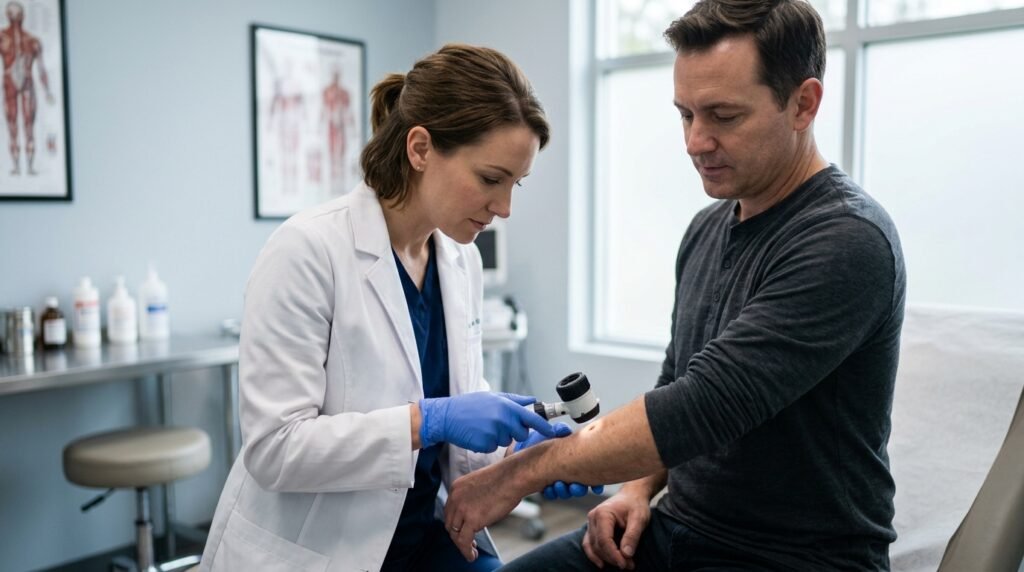
These symptoms can point to an infection, an abscess, or a condition like a pilonidal sinus that may need professional draining or antibiotics. A dermatologist or general physician can typically diagnose the cause with a simple visual exam, and in some cases may take a sample for testing if the diagnosis isn’t clear.
Can You Prevent Tiny Skin Openings?
While not every cause is preventable, a few habits can lower the risk:
- Practice good skin hygiene — regular cleansing helps prevent clogged pores and bacterial buildup.
- Be gentle when shaving or waxing — shaving in the direction of hair growth and using a sharp, clean razor reduces the risk of ingrown hairs and folliculitis.
- Avoid picking at bumps, pimples, or cysts — this is one of the most common ways minor irritations turn into open wounds or infections.
- Wear breathable fabrics, especially in humid weather or during exercise, to reduce friction and sweat buildup.
- Treat cuts and scrapes promptly to prevent them from becoming infected.
How Doctors Diagnose the Cause
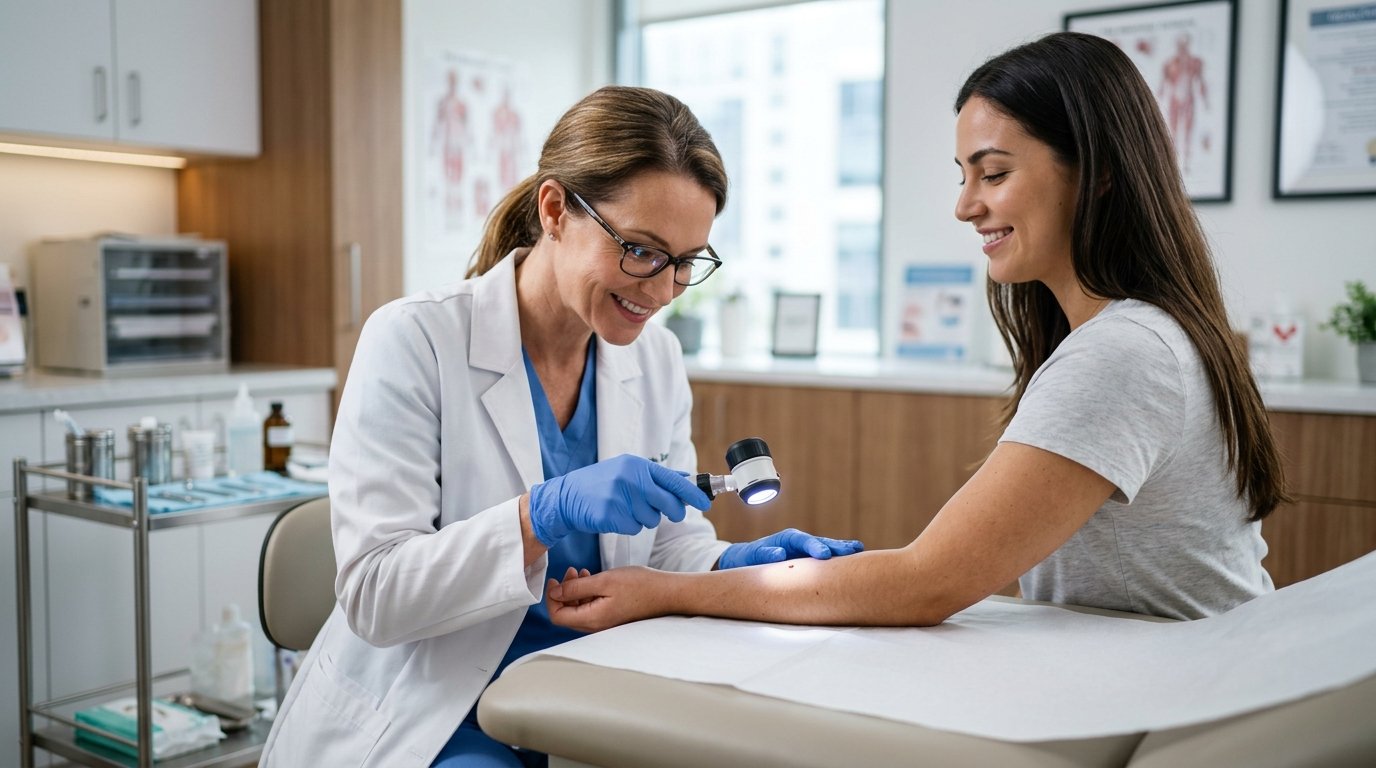
If you decide to see a professional, the process is usually quick and non-invasive. A doctor or dermatologist will typically start by examining the opening closely, checking its size, shape, color, and whether there’s any discharge. They’ll often ask a few simple questions:
- How long has it been there?
- Has it changed in size or appearance?
- Is it painful, itchy, or numb?
- Have you had similar issues in the same spot before?
- Do you have any underlying conditions, such as diabetes, that affect wound healing?
In straightforward cases — like an ingrown hair or a clogged pore — no further testing is needed, and treatment can begin right away. If the cause is less obvious, or if there’s a suspicion of infection, the doctor may take a small swab of any discharge to identify the specific bacteria or fungus involved. This helps ensure the right antibiotic or antifungal treatment is prescribed rather than guessing.
For recurring issues like a pilonidal sinus or a stubborn cyst, imaging such as an ultrasound is sometimes used to understand how deep the opening goes beneath the skin’s surface before deciding on further treatment, which may include minor in-office drainage or, in persistent cases, a small surgical procedure.
Common Myths About Tiny Skin Openings
Myth: It’s always a bug bite. While insect bites are a frequent cause, they’re far from the only one. Clogged pores, ingrown hairs, and cysts are just as common, and their appearance can look similar at first glance.
Myth: Popping it will make it heal faster. Squeezing or popping a bump with a tiny opening usually does the opposite — it can push bacteria deeper into the skin, increase inflammation, and raise the chance of scarring.
Myth: If it doesn’t hurt, it’s not serious. Pain isn’t always a reliable indicator. Some infections and cysts grow slowly and painlessly for weeks before becoming inflamed, so it’s better to judge by how the area is changing over time rather than by discomfort alone.
Myth: Only people with poor hygiene get these. Skin openings from clogged pores, ingrown hairs, or minor infections can happen to anyone, regardless of how clean their routine is. Genetics, hormone levels, hair texture, and even clothing choices all play a role.
Frequently Asked Questions
Is a tiny skin opening the same as a pore? Not always. A visible pore is a normal skin structure, but when it becomes enlarged, clogged, or irritated, it can start to look like a distinct tiny opening in the skin.
Can stress cause skin openings to appear? Stress doesn’t directly create openings, but it can trigger hormonal changes that increase oil production and inflammation, making conditions like acne or folliculitis more likely.
Should I cover a tiny skin opening with a bandage? If it’s in an area exposed to friction, dirt, or sweat, a light bandage can help protect it while it heals. If it’s dry and healing well, leaving it uncovered can also be fine.
How long is too long for it to stay open? As a general guideline, if a minor skin opening hasn’t shown improvement within two to three weeks, it’s worth having it checked rather than waiting longer.
Final Thoughts
A tiny skin opening is rarely something to panic about, but it’s worth paying attention to. In most cases, it’s the result of something ordinary — a clogged pore, an ingrown hair, or a minor scrape — and clears up with basic care. The key is watching how it behaves over the following days. If it’s healing, shrinking, and not causing much discomfort, home care is usually enough. If it lingers, worsens, or comes with signs of infection, a quick visit to a healthcare provider can rule out anything more serious and get you the right treatment.
Paying attention to small skin changes like this is simply good practice for overall skin health — catching minor issues early is always easier than dealing with a bigger problem later.