
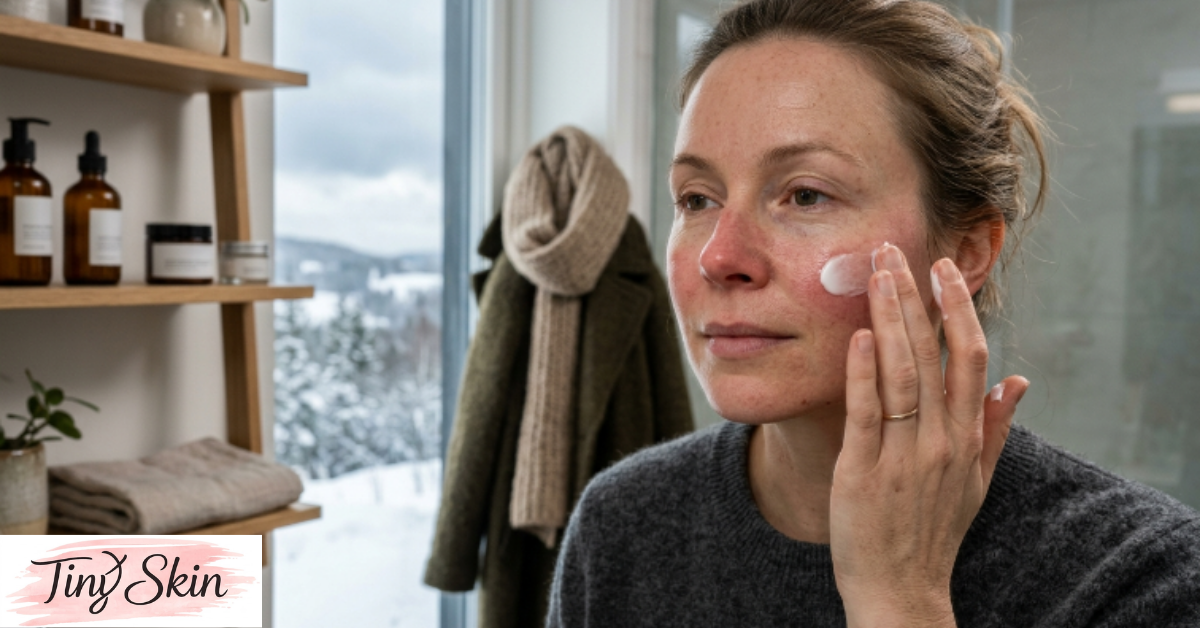

Winter hiking trips, beach days with relentless gusts, or even a brisk walk on a blustery afternoon — wind doesn’t need snow or freezing temperatures to wreck your skin. If your face feels tight, raw, and stinging like you just got a mild sunburn (minus the sun), you’re probably dealing with windburn. And if you’re here, chances are you’re looking for windburn treatment that actually works, not just vague advice to “moisturize more.”
Here’s the thing: windburn is incredibly common, but it’s also widely misunderstood. Most people assume it’s the same as sunburn, slap on whatever cream is in the bathroom cabinet, and call it a day. That’s a mistake a lot of people make — and it often makes the irritation last longer than it should.
In this guide, I’ll walk you through exactly what windburn is, why it happens, and — most importantly — how to treat it properly so your skin bounces back fast. I’ll also cover the products that genuinely help, the mistakes to avoid, and how to protect your skin so you’re not dealing with this every time the weather turns.
What Exactly Is Windburn (And How Is It Different From Sunburn)
Let’s clear this up first, because it matters for how you treat it.
Windburn happens when strong, cold, dry wind strips away your skin’s natural oils and outer moisture barrier. Without that protective layer, your skin becomes irritated, dehydrated, and inflamed. It’s not actually a “burn” in the traditional sense — there’s no UV damage involved — but the end result looks and feels remarkably similar to one.
Sunburn, on the other hand, is caused by UV radiation damaging skin cells at a deeper level. Windburn is more of a surface-level assault: dryness, chapping, redness, and a raw, tender feeling, usually on the cheeks, nose, lips, and ears — basically any skin that’s exposed and unprotected.
That said, the two can absolutely happen together. Ever come back from a ski trip with skin that’s both pink and painfully dry? That’s sun and wind exposure teaming up against your skin barrier, and honestly, it’s one of the harshest combinations your face can deal with.
What Causes Windburn (Beyond Just “It Was Windy”)

Understanding the cause helps you choose the right windburn treatment — and avoid repeating the same mistake next time.
Cold, Dry Air Strips Your Skin Barrier
Cold air holds less moisture than warm air. Add wind on top of that, and it accelerates water loss from your skin at a much faster rate. This is called transepidermal water loss, and it’s the main reason your skin feels tight and flaky after a windy day outdoors.
Repeated Friction From Wind Movement
Wind isn’t just cold — it’s also physically abrasive in a subtle way. Constant airflow against your skin, especially at high speeds (think skiing, cycling, or sailing), creates a kind of micro-friction that irritates the outer layer over time.
Unprotected Skin With No Barrier
If you head outside without sunscreen, moisturizer, or a protective balm, your skin has nothing standing between it and the elements. This is especially true for lips, which have no oil glands of their own and dry out incredibly fast in windy conditions.
Pre-Existing Dry or Sensitive Skin
If you already deal with eczema, rosacea, or generally dry skin, you’re more prone to windburn because your barrier is weaker to begin with. Sound familiar? If so, you’ll want to be extra proactive with prevention (more on that later).
Common Windburn Symptoms to Watch For
Before jumping into windburn treatment, it helps to confirm that’s actually what you’re dealing with. Typical symptoms include:
- Redness, especially on cheeks, nose, and forehead
- A tight, stretched feeling in the skin
- Stinging or burning sensation
- Dry, flaky, or peeling patches
- Chapped, cracked lips
- Mild swelling in severe cases
- Skin that feels rough to the touch
In more intense cases — especially after hours of exposure in freezing wind — you might notice small cracks in the skin that sting when touched. This is your cue to treat it seriously and not just wait it out.
Windburn Treatment: What Actually Works
Alright, let’s get into the part you’re really here for. The good news? Most windburn treatment is straightforward and doesn’t require a trip to the dermatologist — though there are exceptions I’ll cover below.
Step 1: Get Out of the Wind and Rinse Gently
First things first — remove yourself from the source of irritation. Once indoors, rinse your face with cool (not hot) water. Hot water might feel soothing in the moment, but it actually strips more moisture from already-compromised skin. Use lukewarm to cool water and pat your skin dry with a soft towel — don’t rub.
Step 2: Apply a Barrier-Repairing Moisturizer
This is the core of any effective windburn treatment. Look for moisturizers with:
- Ceramides – help rebuild the skin’s natural barrier
- Hyaluronic acid – draws moisture into the skin
- Glycerin – a humectant that locks in hydration
- Squalane – lightweight but deeply nourishing
Avoid anything with fragrance, alcohol, or exfoliating acids for now. Your skin barrier is already compromised, and active ingredients like retinol or vitamin C will likely sting and slow healing.
Step 3: Use a Thicker Layer at Night
During the day, a lightweight barrier cream works fine. But at night, go heavier. Something like an occlusive balm (think petrolatum-based or beeswax-based products) locks in moisture while you sleep and gives your skin uninterrupted time to repair itself.
Step 4: Soothe Inflammation With Aloe or Oat-Based Products
Aloe vera gel and colloidal oatmeal are both excellent at calming redness and irritation. If your skin feels like it’s actively stinging or burning, a thin layer of pure aloe vera can offer near-instant relief. Just double-check it’s fragrance-free — some aloe gels contain added alcohol or scent that will only irritate things further.
Step 5: Treat Cracked Lips Separately
Windburned lips need their own attention. A thick, occlusive lip balm — ideally with beeswax, shea butter, or lanolin — should be reapplied often throughout the day. Avoid balms with menthol or camphor; they feel cooling at first but can actually dry lips out more over time.
Home Remedies That Genuinely Help (And a Few That Don’t)
In reality, you don’t need a 10-step routine to recover from windburn. A few simple, natural remedies can make a real difference:
What helps:
- Cool compresses for 10–15 minutes to reduce redness and swelling
- Honey, which has natural humectant and mild antibacterial properties
- Oatmeal baths or masks for full-face irritation
- Coconut oil as an occlusive layer (best for body, use with caution on acne-prone facial skin)
What to skip:
- Toothpaste (an old myth — it does nothing for windburn and can irritate further)
- Ice applied directly to skin (too harsh on already-damaged skin)
- Alcohol-based toners or astringents
- Physical exfoliants like scrubs — your skin needs to heal, not be buffed
Best Products for Windburn Treatment
While you don’t need anything fancy, having the right products on hand makes a noticeable difference in recovery time. Here’s what to look for in each category:
Moisturizers
Choose fragrance-free, ceramide-rich creams designed for compromised or sensitive skin. Thicker cream formulas typically outperform lightweight lotions here.
Healing Balms
Multi-purpose healing balms (often marketed for eczema or diaper rash, interestingly enough) work well because they’re formulated to be gentle and deeply occlusive.
SPF (Yes, Even in Winter)
Once your skin starts healing, don’t skip sunscreen — healing skin is more vulnerable to UV damage, and wind often comes paired with sun exposure at higher altitudes or open landscapes.
Dos and Don’ts of Windburn Treatment
Do:
- Hydrate from the inside out — drink enough water
- Use a humidifier indoors if the air is dry
- Apply moisturizer before heading outdoors, not just after
- Reapply lip balm frequently
- Give your skin time — healing typically takes 3–7 days
Don’t:
- Pick at peeling or flaking skin
- Use hot showers on irritated areas
- Introduce new active ingredients while skin is healing
- Ignore persistent cracking or bleeding (this needs professional attention)
- Assume windburn treatment is a one-time fix — prevention matters just as much
Common Mistakes People Make With Windburn Treatment
Even well-intentioned people tend to slow their own healing process. A few mistakes I see constantly:
Over-exfoliating to “remove the dead skin.” This is tempting when your face feels flaky, but exfoliating windburned skin almost always makes things worse. Let the skin shed naturally.
Switching to a lighter moisturizer because the skin feels “oily” from repair. That slight oiliness is often just your skin overproducing sebum to compensate for barrier damage — not a sign you need less hydration.
Treating it like sunburn with cooling gels containing menthol. These can feel nice initially but tend to be more irritating than soothing for windburn specifically.
Giving up on treatment after a day or two. Windburn treatment isn’t instant. In reality, expect gradual improvement over several days, not overnight results.
How to Prevent Windburn Before It Starts
Honestly, the best windburn treatment is prevention. Once you know your skin is prone to it, a few habits go a long way:
Layer a Protective Barrier Before Heading Out
Apply a thick moisturizer or balm 15–20 minutes before exposure. This gives it time to absorb and create a genuine barrier rather than just sitting on the surface.
Cover Exposed Skin
Scarves, buffs, and balaclavas aren’t just for warmth — they physically block wind from hitting your skin directly. This is especially useful for high-wind activities like skiing or cycling.
Don’t Forget SPF, Even in Cold Weather
UV rays are present year-round, and combined with wind, they create a double threat. A daily SPF 30+ moisturizer is a smart year-round habit, not just a summer one.
Stay Hydrated
Dehydrated skin is far more susceptible to windburn. Drinking enough water genuinely supports your skin’s ability to hold moisture and resist irritation.
Use a Humidifier at Home
If you’re recovering from windburn — or trying to prevent it — dry indoor heating during winter can undo your progress just as much as outdoor exposure. A humidifier helps maintain skin moisture levels overnight.
When to See a Dermatologist
Most windburn clears up within a week with consistent care. That said, you should consult a dermatologist if you notice:
- Cracked skin that’s bleeding or not healing after a week
- Signs of infection (increased warmth, pus, worsening redness)
- Severe swelling
- Blistering
- Symptoms that don’t improve despite proper windburn treatment
There’s no shame in getting it checked out — sometimes what looks like windburn is actually a flare-up of an underlying skin condition like eczema or rosacea, and that requires a different treatment approach entirely.
Frequently Asked Questions
How long does windburn take to heal?
Mild windburn typically improves within 3–5 days with proper care. More severe cases, especially with cracked or peeling skin, can take up to a week or slightly longer.
Is windburn the same as sunburn?
No. Windburn is caused by wind stripping moisture from the skin, while sunburn results from UV damage. They can occur together, but they’re different types of skin damage with slightly different treatment approaches.
Can windburn cause permanent skin damage?
Generally, no. Windburn affects the outer skin layer and heals without lasting damage when treated properly. However, repeated, untreated windburn over time can contribute to premature dryness and fine lines.
What’s the fastest way to treat windburn on the face?
Rinse with cool water, apply a fragrance-free ceramide moisturizer, and follow up with a thicker occlusive balm at night. Avoid active ingredients until your skin barrier recovers.
Does Vaseline help with windburn?
Yes — petroleum jelly is a solid occlusive option, especially for lips and dry patches, since it locks in moisture and protects skin from further exposure.
Can babies or kids get windburn?
Yes, children’s skin is thinner and more sensitive, making them more prone to windburn. Use gentle, fragrance-free moisturizers and limit prolonged outdoor exposure on extremely windy days.
Final Thoughts
Windburn is uncomfortable, but it’s also one of the most manageable skin issues out there once you know what you’re dealing with. The key is treating it gently — cool water, barrier-repairing moisturizers, and patience while your skin does its job of healing itself.
Going forward, a little prevention will save you a lot of discomfort. Layer up, moisturize before you head outdoors, and don’t underestimate how much wind alone can affect your skin, even on days that don’t feel particularly cold.
If your skin doesn’t respond to at-home windburn treatment within a week, don’t hesitate to check in with a dermatologist. Otherwise, keep a good moisturizer and balm on hand, and you’ll be well-equipped the next time the wind picks up.

