
If you’ve been staring at a cluster of red, itchy bumps around your hair follicles and typing “folliculitis treatment cream” into Google at 11 p.m., you’re not alone. This is one of those skin conditions that looks alarming, feels uncomfortable, and somehow always shows up right before a big event — a wedding, a beach trip, a first date. Sound familiar?
Here’s the good news: folliculitis is one of the most treatable skin conditions out there, and in most mild-to-moderate cases, the right folliculitis treatment cream can clear things up in a week or two. But — and this is important — not every cream works for every type of folliculitis, and using the wrong one can actually make things worse.
In this guide, we’re going to walk through exactly what folliculitis is, what causes it, which creams actually work (and why), plus the mistakes that keep people stuck in a frustrating cycle of breakouts. This isn’t a copy-paste list of products. It’s the kind of practical, real-world advice I’d give a client sitting across from me.
What Is Folliculitis, Exactly?
Folliculitis happens when hair follicles — those tiny pockets your hair grows out of — become inflamed or infected. It usually starts as small red or white-headed bumps, sometimes with a bit of pus at the center, and it tends to cluster in areas where hair grows: the scalp, beard area, chest, back, thighs, and buttocks.
At a glance, it can look a lot like acne, razor bumps, or even a heat rash. That’s actually one of the biggest reasons people struggle to treat it properly — they’re using an acne cream on something that’s actually a bacterial or fungal issue, and wondering why nothing’s changing.
There are a few different types worth knowing about:
- Bacterial folliculitis — usually caused by Staphylococcus aureus
- Fungal (Pityrosporum) folliculitis — caused by an overgrowth of yeast that naturally lives on skin
- Pseudomonas folliculitis (“hot tub folliculitis”) — linked to poorly maintained hot tubs or pools
- Razor bumps (pseudofolliculitis barbae) — caused by ingrown hairs after shaving
Why does this matter for choosing a folliculitis treatment cream? Because bacterial folliculitis responds to antibacterial ingredients, while fungal folliculitis needs an antifungal cream instead. Using the wrong one is a bit like trying to put out a grease fire with water — it just won’t do what you need it to do.
Common Causes Behind Folliculitis Flare-Ups
Before we get into creams, it helps to understand why this keeps happening in the first place. In reality, most cases trace back to a handful of everyday habits.
Shaving, Waxing, and Friction
Shaving against the grain, using a dull razor, or wearing tight clothing that rubs against the skin can irritate hair follicles and let bacteria sneak in. This is incredibly common on the legs, bikini area, and beard.
Sweat and Damp Clothing
Working out and then sitting around in sweaty gym clothes creates the perfect warm, moist environment for bacteria and yeast to thrive. This is a mistake a lot of people make — they shower eventually, but not soon enough after a workout.
Hot Tubs and Pools
If you’ve ever broken out in itchy bumps a day or two after a hot tub session, that’s likely Pseudomonas folliculitis, tied to water that isn’t properly chlorinated.
Occlusive Products
Thick oils, heavy sunscreens, or certain moisturizers can clog follicles, especially on the back and chest — areas people often forget to treat as “skin” the same way they treat their face.
Weakened Immune Function or Skin Barrier
Conditions like diabetes, certain medications, or even a compromised skin barrier from over-exfoliating can make you more prone to recurring folliculitis.
Symptoms to Watch For
Folliculitis symptoms can range from mildly annoying to genuinely painful. Typically, you’ll notice:
- Small red or skin-colored bumps clustered around hair follicles
- Whiteheads or pus-filled bumps
- Itching or a burning sensation
- Tenderness when touched
- In more severe cases, larger, painful boils
Mild folliculitis often resolves on its own within a few days. But if bumps are spreading, becoming increasingly painful, or you’re developing a fever, that’s your cue to see a dermatologist rather than keep experimenting at home.
Choosing the Right Folliculitis Treatment Cream
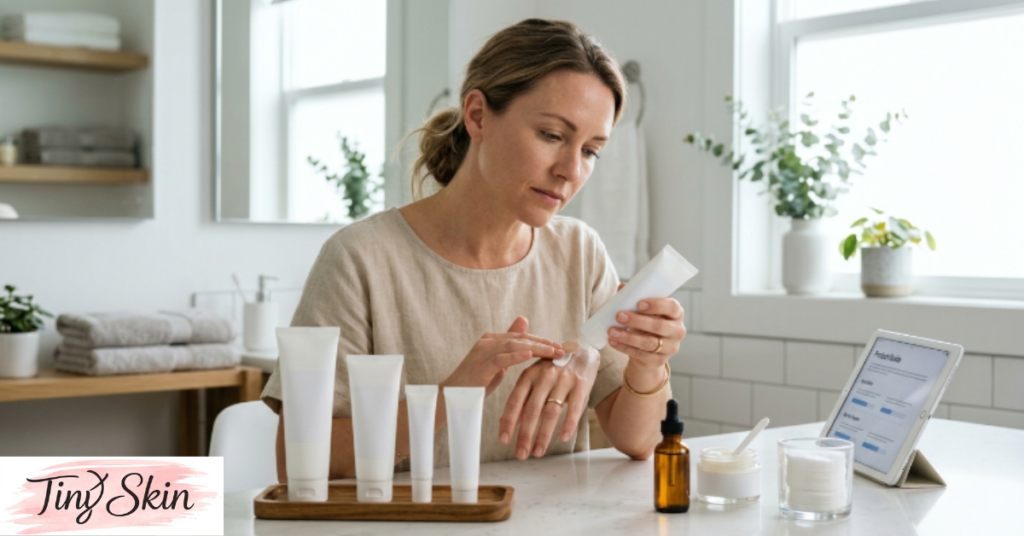
This is really the heart of the matter, so let’s break it down by type, because — as mentioned — the ingredient that clears bacterial folliculitis won’t touch a fungal case.
For Bacterial Folliculitis
Look for creams containing:
- Clindamycin or erythromycin — topical antibiotics that reduce bacterial load and inflammation
- Benzoyl peroxide — helps kill bacteria and reduce excess oil; often available over the counter
- Mupirocin — a prescription-strength antibiotic ointment, often used for more stubborn or recurrent cases
A benzoyl peroxide wash or cream is usually the first line of defense most dermatologists recommend for mild bacterial folliculitis, simply because it’s accessible and effective for a lot of people.
For Fungal Folliculitis
Antibacterial creams won’t help here — in fact, some people find their fungal folliculitis gets worse when they use the wrong product. Instead, look for:
- Ketoconazole cream (2%)
- Clotrimazole
- Selenium sulfide washes
Fungal folliculitis is notoriously easy to misdiagnose because it looks almost identical to bacterial acne, which is exactly why so many people end up frustrated after months of trying acne products that never work.
For Razor Bumps and Irritation-Based Folliculitis
Here, the goal is less about killing bacteria and more about calming inflammation and preventing ingrown hairs. Helpful ingredients include:
- Hydrocortisone 1% for short-term inflammation relief
- Salicylic acid to gently exfoliate and prevent follicle blockage
- Aloe vera or centella asiatica–based soothing creams
How to Actually Use a Folliculitis Treatment Cream (Step-by-Step)
Buying the right cream is only half the job. How you apply it matters just as much. Here’s a simple routine that works for most mild-to-moderate cases:
- Cleanse gently with a mild, fragrance-free cleanser — avoid scrubbing, which only irritates already-inflamed follicles.
- Pat the skin dry completely. Bacteria and fungus both love moisture, so don’t apply cream to damp skin.
- Apply a thin layer of your chosen treatment cream directly to the affected area, not just the worst spots — folliculitis tends to spread just outside the visible bumps.
- Let it absorb fully before dressing, especially if the area is covered by tight clothing during the day.
- Repeat consistently, usually once or twice daily depending on the product, for at least one to two weeks — even after bumps start clearing.
That last point trips a lot of people up. The moment the bumps calm down, they stop the cream — and then the folliculitis comes right back within days. Consistency really is the difference-maker here.
Home Remedies That Can Support (Not Replace) Treatment
A good folliculitis treatment cream does the heavy lifting, but a few supportive habits can speed things along:
- Warm compresses for 10–15 minutes a few times a day can help draw out pus and ease discomfort in more inflamed bumps.
- Loose, breathable clothing — especially cotton — reduces friction while your skin heals.
- Switching out your razor regularly, and never sharing razors, towels, or gym equipment without cleaning them first.
- Washing bedding and workout clothes frequently, since bacteria can linger in fabric.
That said, home remedies alone rarely resolve moderate or recurring folliculitis. Think of them as support, not the main event.
Dos and Don’ts for Faster Healing
Do:
- Patch-test any new cream on a small area first
- Keep the affected area clean and dry
- Change out of sweaty clothes as soon as possible
- Finish the full course of treatment, even if symptoms improve early
Don’t:
- Pick, pop, or squeeze the bumps — this is probably the single most common mistake and it almost always leads to scarring or spreading the infection
- Use heavy, occlusive moisturizers on active breakouts
- Mix multiple active ingredients (like benzoyl peroxide and a strong antifungal) without guidance, since this can seriously irritate the skin
- Assume every bump cluster is “just acne” without considering folliculitis
Common Mistakes That Keep Folliculitis Coming Back
In my experience, recurring folliculitis usually isn’t bad luck — it’s a pattern. A few of the biggest culprits:
- Stopping treatment too early. Bumps look better after three days, so the cream gets abandoned. The underlying bacteria or fungus, however, isn’t fully cleared yet.
- Reusing contaminated tools. Old razors, unwashed loofahs, and gym mats are notorious repeat offenders.
- Wearing the same workout clothes twice without washing — it happens to the best of us, but it’s a real contributor.
- Treating fungal folliculitis with antibacterial products, which can actually feed the yeast overgrowth rather than resolve it.
When to See a Dermatologist
Most mild cases genuinely do respond well to over-the-counter folliculitis treatment cream and a bit of patience. But it’s worth booking a dermatology appointment if you notice:
- Bumps that keep coming back despite consistent treatment
- Spreading redness, swelling, or warmth (signs of a deeper infection)
- Fever or feeling generally unwell
- Large, painful boils that don’t drain on their own
- No improvement after two to three weeks of consistent at-home care
A dermatologist can take a quick skin scraping or swab to confirm whether you’re dealing with bacteria, fungus, or something else entirely — which takes all the guesswork out of choosing the right product.
Prevention: Keeping Folliculitis From Coming Back
Once your skin has cleared up, a few small habit changes go a long way toward keeping it that way:
- Shave in the direction of hair growth and replace razors every five to seven uses
- Shower promptly after sweating, especially after workouts or hot weather
- Choose non-comedogenic, lightweight products for the chest and back
- Avoid tight, synthetic fabrics for extended periods
- Clean hot tubs and check chlorine levels before use, or shower immediately after
None of this requires a complicated routine — just a little consistency.
Frequently Asked Questions
What is the best folliculitis treatment cream for mild cases?
For mild bacterial folliculitis, an over-the-counter benzoyl peroxide wash or cream is usually a solid first step. If bumps don’t improve within a week, a prescription antibiotic cream like clindamycin may be needed.
Can I use acne cream for folliculitis?
Sometimes, since acne creams and folliculitis creams share overlapping ingredients like benzoyl peroxide. However, if your folliculitis is fungal, standard acne products often won’t help and may worsen symptoms.
How long does it take for folliculitis to clear with cream treatment?
Mild cases typically improve within five to seven days, though full resolution can take up to two weeks. Fungal folliculitis sometimes takes a bit longer to fully clear.
Is folliculitis contagious?
Bacterial and fungal folliculitis can spread through shared razors, towels, or close skin contact, so it’s best to avoid sharing personal items while you’re treating an active flare-up.
Why does my folliculitis keep coming back?
Recurring folliculitis is often caused by stopping treatment too early, reusing contaminated razors or towels, or using the wrong type of cream (antibacterial versus antifungal) for your specific case.
Can I pop folliculitis bumps to speed up healing?
No — picking or popping bumps tends to spread bacteria, increase inflammation, and raise the risk of scarring. It’s better to let the treatment cream do its job.
Final Thoughts
Folliculitis can be genuinely frustrating, especially when it keeps resurfacing no matter what you try. But once you understand what’s actually causing those bumps — bacteria, fungus, or simple irritation — choosing the right folliculitis treatment cream becomes a lot less of a guessing game. Stick with your chosen treatment consistently, resist the urge to pick at your skin, and pay attention to the everyday habits that might be feeding the problem.
If your skin isn’t responding after a couple of weeks, or things seem to be getting worse rather than better, don’t hesitate to check in with a dermatologist. A quick diagnosis can save you weeks of trial and error — and get your skin back to feeling like your own again.

