

If you’ve noticed small, red, sometimes itchy bumps clustered around your hair follicles — on your legs, scalp, chest, or even your beard area — you’re probably dealing with folliculitis. And if you’re here, you’re likely wondering how to treat folliculitis at home before booking a dermatologist appointment you may not even need.
Here’s the good news: most mild cases of folliculitis clear up on their own with the right at-home care. The trickier part is figuring out what’s actually causing it, because the wrong approach can make things worse instead of better. This happens more often than you’d think — people scrub harder, switch to harsher soaps, or pop the bumps, and end up with more irritation, not less.
In this guide, we’ll walk through what folliculitis actually is, why it happens, and — most importantly — exactly how to treat folliculitis at home using remedies and habits that dermatologists actually recommend. We’ll also cover when home care isn’t enough and it’s time to see a professional.
What Is Folliculitis, Exactly?
Folliculitis is inflammation of the hair follicles, usually caused by a bacterial or fungal infection, though friction, ingrown hairs, and clogged pores can trigger it too. Picture tiny pimple-like bumps, sometimes with a white head, sometimes just red and tender — that’s the classic presentation.
It can show up almost anywhere hair grows: your scalp, beard, legs, arms, buttocks, or chest. Athletes get it from tight, sweaty gear. Shavers get it from razor irritation. Hot tub users get a specific type called “hot tub folliculitis,” caused by a bacteria that thrives in improperly chlorinated water. Sound familiar? If you’ve had a breakout after a pool day or a fresh shave, there’s a good chance that’s exactly what happened.
The reassuring part is that folliculitis, especially the mild superficial kind, responds really well to home treatment. That’s precisely why so many people search for how to treat folliculitis at home instead of rushing to a clinic — and in most cases, that instinct is the right one.
What Causes Folliculitis in the First Place?
Before jumping into remedies, it helps to understand the root cause. Treating the symptom without addressing the trigger is a mistake a lot of people make, and it’s why some folliculitis cases keep coming back no matter what cream you try.
Common Triggers Include:
- Shaving and waxing — Razors, especially dull ones, can nick follicles and let bacteria in. This is one of the most common causes of folliculitis on legs, the bikini area, and the beard.
- Friction from clothing — Tight leggings, synthetic gym wear, or non-breathable fabrics trap sweat against the skin and irritate follicles.
- Excessive sweating — Bacteria love warm, moist environments. If you’re not showering soon after workouts, you’re giving them exactly that.
- Hot tubs and pools — Pseudomonas bacteria can survive in poorly maintained water and cause a widespread, itchy breakout within a day or two of exposure.
- Occlusive skincare products — Heavy oils, thick lotions, or certain sunscreens can clog follicles, especially in humid weather.
- Underlying skin conditions — Eczema or excess oil production can make skin more prone to follicle irritation and infection.
Once you’ve got a decent idea of what’s triggering yours, treating it at home becomes a lot more straightforward — because you’re not just managing symptoms, you’re removing the cause.
How to Treat Folliculitis at Home: The Core Routine
This is really the heart of the matter, so let’s get into it. If you’re looking for how to treat folliculitis at home, the approach generally boils down to three things: calm the inflammation, prevent further irritation, and keep the area clean without over-drying it.
1. Warm Compresses
A warm, damp washcloth applied to the affected area for 10–15 minutes, two to three times a day, can work wonders. The heat helps draw out any trapped debris or pus and reduces that tight, inflamed feeling. Think of it as one of the simplest, most underrated tools in your at-home folliculitis kit.
2. Antibacterial or Antiseptic Washes
Gently cleansing the area with a mild antibacterial wash — something containing benzoyl peroxide (2.5–5%) or chlorhexidine — can help control the bacteria responsible for most folliculitis cases. Use it once daily at first; twice can be too drying for some skin types.
3. Over-the-Counter Antifungal or Antibacterial Creams
If your folliculitis seems fungal (often itchier, sometimes with a more uniform rash pattern), an OTC antifungal cream like clotrimazole can help. For bacterial folliculitis, a topical antibiotic ointment such as mupirocin is often effective, though it’s worth checking with a pharmacist if you’re unsure which type you’re dealing with.
4. Avoid Tight Clothing and Let Skin Breathe
Swap synthetic, tight-fitting clothes for loose cotton until the bumps calm down. This alone makes a noticeable difference for a lot of people, especially those getting folliculitis on the thighs or buttocks from gym wear.
5. Don’t Pick or Pop the Bumps
I know, the temptation is real. But picking spreads bacteria to nearby follicles and can leave dark marks or scarring behind. If it itches, a cold compress or a fragrance-free anti-itch cream is a much safer bet than your fingernails.
Natural and Home Remedies Worth Trying
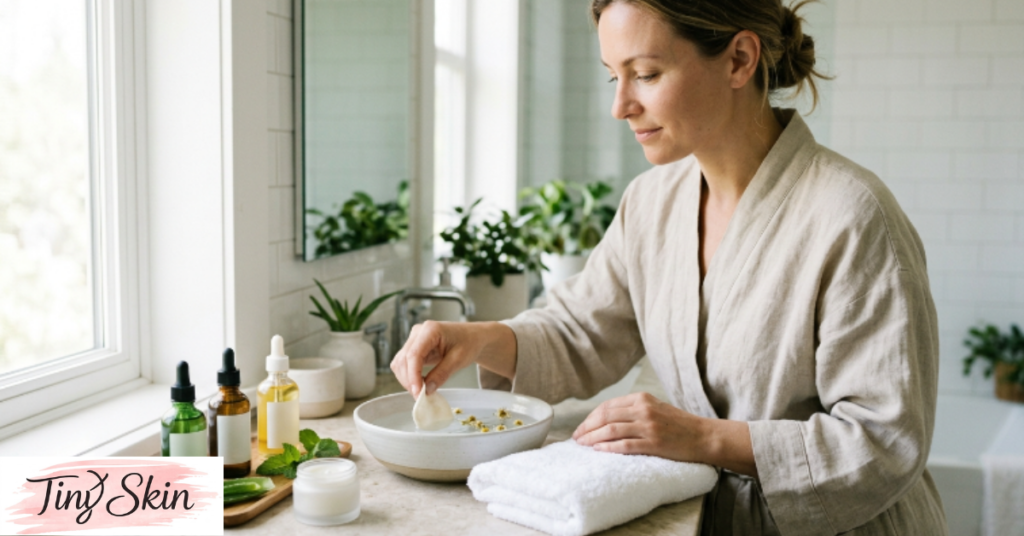
There’s a lot of chatter online about natural fixes, and while not every viral remedy holds up, a few genuinely have some backing — either from traditional use or preliminary research.
Tea Tree Oil
Diluted tea tree oil (never applied directly at full strength) has natural antibacterial and antifungal properties. Mix a few drops with a carrier oil like jojoba or coconut oil and dab it onto the affected area once daily.
Diluted Apple Cider Vinegar
Some people find relief using a diluted apple cider vinegar rinse (one part vinegar to three or four parts water) due to its mild antimicrobial effect. That said, patch-test first — vinegar can sting broken or irritated skin.
Aloe Vera
Pure aloe vera gel soothes inflammation and has mild antibacterial properties. It’s especially useful if your skin feels raw or sensitive after shaving-related folliculitis.
Turmeric Paste
Turmeric has anti-inflammatory compounds, and a paste made with water (avoid milk if you’re worried about staining fabric) applied briefly to the area may help reduce redness. It’s not a miracle cure, but it’s a low-risk addition to your routine.
Here’s the thing about natural remedies — they work best as a supplement to good hygiene habits, not a replacement for them. Combining a couple of these with the core routine above tends to give the best results.
Folliculitis Home Treatment: Dos and Don’ts
Sometimes the fastest way to get better is knowing what not to do. Here’s a quick breakdown.
Do:
- Shower promptly after sweating, especially post-workout
- Use a fresh, sharp razor and shave in the direction of hair growth
- Wear breathable, loose clothing over affected areas
- Change out of wet swimwear or gym clothes as soon as possible
- Wash towels, pillowcases, and gym clothes frequently in hot water
Don’t:
- Share razors, towels, or washcloths with anyone else
- Use harsh exfoliants or scrubs on inflamed skin
- Apply thick, greasy moisturizers over active breakouts
- Reuse a razor on irritated skin without disinfecting it first
- Ignore symptoms that spread rapidly or come with fever
In reality, most flare-ups settle down within one to two weeks of consistent home care. If yours isn’t budging, that’s a signal worth paying attention to.
Preventing Folliculitis From Coming Back
Treating an active flare-up is one thing — keeping it from returning is another. If you’ve dealt with recurring folliculitis, prevention deserves just as much attention as treatment.
Improve Your Shaving Routine
Always shave with a clean, sharp blade, and use a lubricating gel rather than dry shaving. Shaving in the direction hair grows (not against it) significantly reduces follicle trauma. If razor bumps are a recurring issue, consider switching to an electric trimmer or exploring laser hair removal down the line.
Choose Breathable Fabrics
Cotton and moisture-wicking athletic fabrics designed for airflow reduce the sweaty, trapped environment bacteria thrive in. This is a small wardrobe adjustment that pays off more than people expect.
Keep Pools and Hot Tubs in Check
If you’re a regular hot tub user, rinse off immediately afterward and check that the water is properly chlorinated. Public hot tubs are notorious for this specific type of outbreak.
Don’t Over-Cleanse
Ironically, over-washing or using overly harsh soaps can strip the skin’s natural barrier, making it more vulnerable to irritation and infection — not less. Stick to gentle, fragrance-free cleansers.
Common Mistakes People Make When Treating Folliculitis at Home
Let’s be honest — a lot of well-meaning attempts at treating folliculitis at home backfire because of a few recurring missteps.
- Using rubbing alcohol excessively — It might feel like it’s “drying out” the bumps, but it often over-dries surrounding skin and delays healing.
- Switching products too frequently — Give a treatment at least 5–7 days before deciding it’s not working. Constant switching irritates skin further.
- Ignoring the underlying cause — Treating the bumps while continuing to wear the same tight leggings to spin class daily means you’re fighting a losing battle.
- Popping or squeezing bumps — We mentioned this earlier, but it deserves repeating because it’s genuinely one of the most common (and most damaging) habits.
- Assuming it’s always bacterial — Fungal folliculitis needs antifungal treatment, not antibacterial products, and using the wrong one won’t help.
When Home Treatment Isn’t Enough
Most mild folliculitis responds to consistent home care within a couple of weeks. That said, there are times when you genuinely need to consult a dermatologist rather than continue self-treating.
See a professional if you notice:
- Symptoms lasting longer than two to three weeks despite home treatment
- Spreading redness, warmth, or swelling (possible sign of a deeper infection)
- Fever or feeling generally unwell alongside the skin symptoms
- Recurrent folliculitis that keeps coming back in the same spot
- Large, painful boils rather than small surface bumps (this could indicate a deeper infection called furunculosis)
A dermatologist can determine whether you’re dealing with bacterial, fungal, or even a rarer form of folliculitis, and prescribe oral antibiotics or antifungals if topical treatment isn’t cutting it. There’s no shame in escalating care — better safe than dealing with a stubborn skin infection for months.
Frequently Asked Questions
How long does folliculitis take to heal at home?
Mild folliculitis typically clears up within one to two weeks with consistent home care, including warm compresses and antibacterial or antifungal treatment. Deeper or recurring cases may take longer and could benefit from a dermatologist’s input.
Can folliculitis go away on its own without treatment?
Sometimes, yes, particularly very mild irritation from a single shave or sweaty workout. But actively treating it — keeping the area clean, avoiding friction, and using a warm compress — speeds up healing and lowers the risk of it spreading or worsening.
What is the best home remedy for folliculitis?
There isn’t a single “best” remedy since it depends on the cause, but a combination of warm compresses, gentle antibacterial or antifungal cleansing, and avoiding tight clothing tends to work well for most people.
Is folliculitis contagious?
Certain types, especially bacterial or fungal folliculitis, can spread through shared razors, towels, or contaminated water (like an improperly cleaned hot tub). It’s best to avoid sharing personal items until it clears.
Can I use hydrocortisone cream for folliculitis?
A mild hydrocortisone cream can sometimes reduce redness and itching, but it should be used cautiously and only for short periods, since it can suppress the skin’s ability to fight off infection if used on infected follicles for too long. Check with a pharmacist or dermatologist if you’re unsure.
What’s the difference between folliculitis and acne?
Folliculitis centers around hair follicles and often appears in clusters after shaving, sweating, or friction, while acne is tied to oil glands and tends to appear on the face, chest, and back independent of hair growth patterns. They can look similar, which is part of why folliculitis is sometimes misdiagnosed.
Final Thoughts
Dealing with folliculitis is frustrating, especially when it seems to show up right before an event or keeps returning no matter what you try. But as we’ve covered, learning how to treat folliculitis at home is genuinely achievable for most people — it just takes a bit of consistency and the right combination of gentle cleansing, warm compresses, and smart prevention habits.
Start with the basics: keep the area clean, avoid friction, resist the urge to pick, and give any treatment you try at least a week before judging it. If things don’t improve, or if you notice signs of a deeper infection, don’t hesitate to check in with a dermatologist. Your skin will thank you for the patience — and hopefully, this is the last time you’ll need to search for answers on a stubborn breakout like this.

