
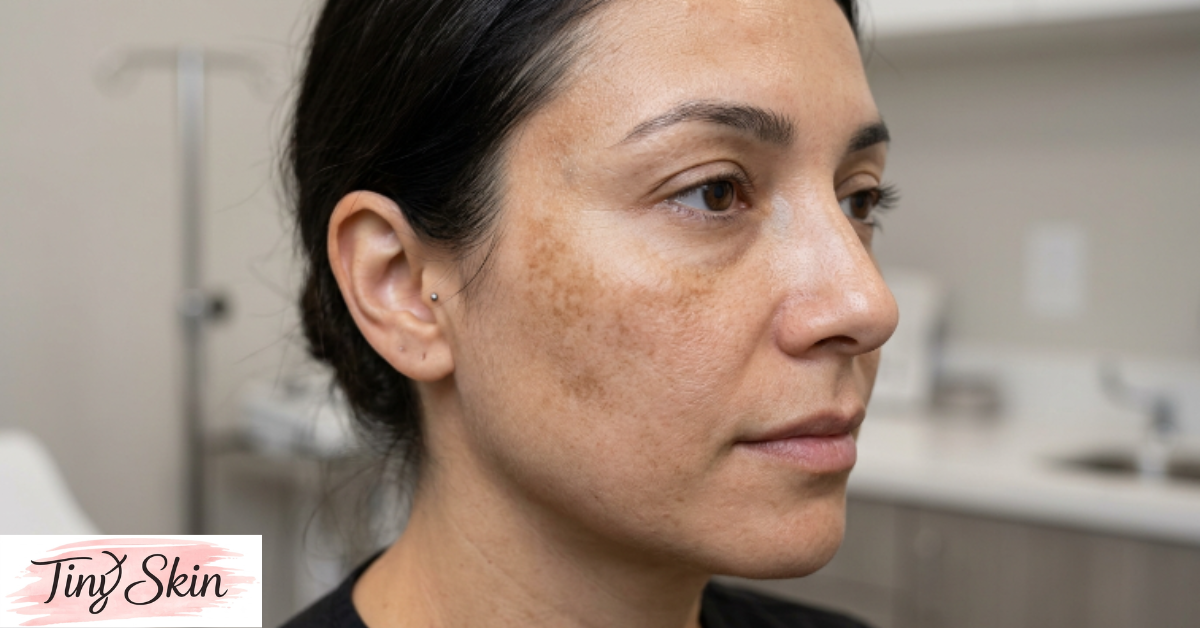

If you’ve been staring at a dark patch on your cheek wondering whether it’s ever going to fade, you’re not alone. Hyperpigmentation is one of those skin concerns that seems simple on the surface — just a bit of extra pigment, right? — but anyone who’s actually dealt with it knows it’s rarely that straightforward.
Maybe it’s a souvenir from a stubborn breakout that healed months ago but left a shadow behind. Maybe it crept in during pregnancy and never quite left. Or maybe you just noticed one day that your skin tone isn’t as even as it used to be. Sound familiar?
Here’s the good news: hyperpigmentation treatment has come a long way, and there are genuinely effective options available today — you just need to know which ones actually work, how to use them correctly, and how much patience to bring to the process (spoiler: more than you’d like).
In this guide, we’re going to walk through everything — causes, home remedies, proven ingredients, professional treatments, common mistakes, and how to prevent it from coming back. No fluff, no miracle promises. Just what actually helps.
What Is Hyperpigmentation, Really?
Before jumping into hyperpigmentation treatment options, it helps to understand what’s actually happening under your skin.
Hyperpigmentation happens when your skin produces excess melanin — the pigment responsible for your skin color — in certain areas. This can happen for a bunch of reasons, and the trigger usually determines what kind of pigmentation you’re dealing with. There are, broadly speaking, three main types:
Post-inflammatory hyperpigmentation (PIH) shows up after some kind of skin trauma or inflammation — think acne, eczema flare-ups, cuts, or even aggressive extractions. Your skin basically overreacts to the injury by producing extra melanin as it heals.
Melasma is a bit different. It’s often triggered by hormonal shifts (pregnancy, birth control, thyroid issues) combined with sun exposure, and it tends to show up as larger, symmetrical patches, usually on the cheeks, forehead, or upper lip.
Sunspots or age spots (also called solar lentigines) are the result of cumulative UV exposure over the years. They’re common, they’re harmless, and they’re also one of the more stubborn types to treat.
Knowing which type you’re dealing with actually matters a lot, because treatments that work beautifully on PIH might barely touch melasma. This is a mistake a lot of people make — throwing the same routine at every kind of dark spot and getting frustrated when it doesn’t budge.
What Causes Hyperpigmentation in the First Place?
Understanding the root cause is half the battle in any hyperpigmentation treatment plan. Here are the usual suspects:
- Sun exposure — UV rays stimulate melanin production, which is your skin’s natural (if overzealous) defense mechanism
- Acne and inflammation — breakouts, picking, and irritation all trigger PIH
- Hormonal changes — pregnancy, birth control pills, and hormone therapy can all play a role
- Certain medications — some antibiotics and chemotherapy drugs increase photosensitivity
- Skin injuries — burns, cuts, or even harsh treatments like chemical peels done incorrectly
- Genetics — some people are simply more prone to pigmentation due to melanin-rich skin
In reality, most people dealing with hyperpigmentation have more than one factor at play. That breakout you picked at during a stressful summer? That’s sun exposure and inflammation working together against you.
Home Remedies: Do They Actually Work?
Let’s address this one honestly, because the internet is full of claims about lemon juice and baking soda fading dark spots overnight. They don’t — and in some cases, they can make things worse.
That said, there are a few natural ingredients backed by actual research that can support your hyperpigmentation treatment routine:
Vitamin C is a genuine standout here. It’s an antioxidant that inhibits melanin production and brightens overall skin tone. Look for stable formulations like L-ascorbic acid or sodium ascorbyl phosphate in a well-formulated serum.
Licorice root extract contains glabridin, which has been shown to help lighten pigmentation without irritating the skin — a nice option if you have sensitive skin.
Niacinamide doesn’t lighten pigment directly, but it slows the transfer of melanin to skin cells, which over time can reduce the appearance of dark spots while also strengthening your skin barrier.
Green tea extract has mild depigmenting properties and is a nice addition to a routine, though don’t expect it to do the heavy lifting on its own.
The caveat? These natural ingredients work slowly and gently. If you’re dealing with stubborn melasma or deep PIH, you’ll likely need something more targeted alongside them.
The Ingredients That Actually Move the Needle
This is probably the section you came here for. When it comes to hyperpigmentation treatment, a handful of ingredients have solid clinical backing.
Hydroquinone
Still considered the gold standard by many dermatologists, hydroquinone works by inhibiting the enzyme responsible for melanin production. It’s available over-the-counter at lower concentrations (around 2%) and via prescription at higher strengths (4% or more). It’s effective, but it needs to be used carefully and typically isn’t recommended for long-term continuous use — cycling on and off under dermatologist guidance is the safer approach.
Retinoids
Tretinoin, adapalene, and other retinoids speed up cell turnover, which helps shed pigmented skin cells faster and encourages more even-toned skin underneath. They also boost the effectiveness of other brightening ingredients when layered correctly. The tradeoff is initial irritation and increased sun sensitivity, so this is one where starting slow really matters.
Azelaic Acid
A genuinely underrated ingredient. Azelaic acid is gentle enough for sensitive skin, works well for both PIH and melasma, and has anti-inflammatory properties on top of its brightening effects. It’s a great option if hydroquinone feels too harsh for your skin.
Tranexamic Acid
Originally used to treat bleeding disorders, tranexamic acid has become a rising star in hyperpigmentation treatment, particularly for melasma. It works by interrupting the communication between skin cells and pigment-producing cells, and it’s showing up more and more in serums for exactly this reason.
Alpha Hydroxy Acids (AHAs)
Glycolic acid and lactic acid gently exfoliate the surface layer of skin, helping fade superficial pigmentation over time while also improving overall texture. They pair well with brightening serums but shouldn’t be used at the same time as retinoids without some spacing between applications.
Professional Hyperpigmentation Treatment Options
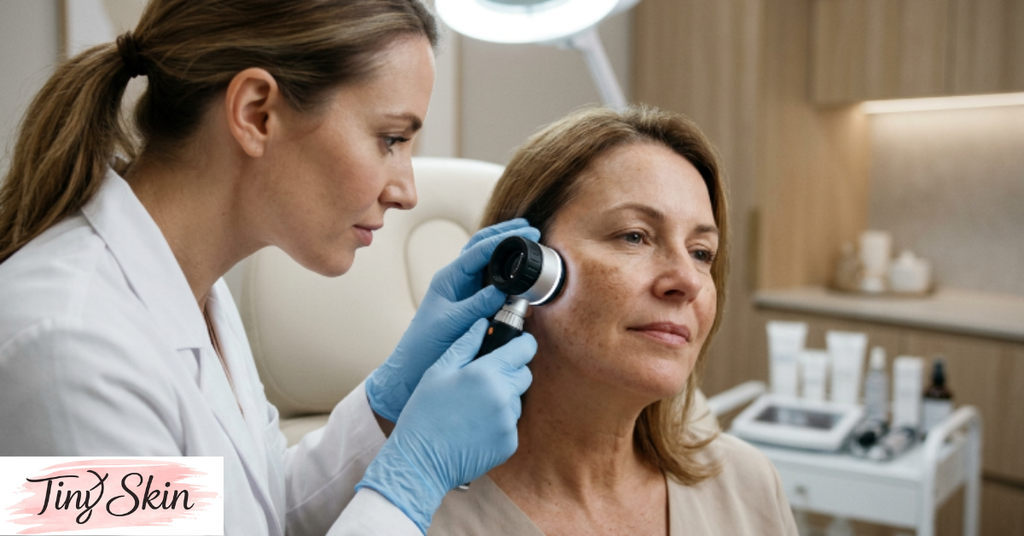
Sometimes topical products alone aren’t enough, especially for deeper or more stubborn pigmentation. Here’s where an in-office hyperpigmentation treatment can help move things along faster.
Chemical Peels
Peels using glycolic, salicylic, or trichloroacetic acid remove the outer layers of damaged skin, encouraging fresh, more evenly pigmented skin to surface. Depth and strength vary depending on your skin type and the severity of pigmentation, so this really should be done by a licensed professional rather than a DIY at-home peel kit.
Laser Treatments
Lasers like Fraxel, PicoSure, or IPL (Intense Pulsed Light) target pigment directly, breaking it down so your body can naturally clear it away. These can be highly effective, particularly for sunspots, but they’re not without risk — especially for people with deeper skin tones, where lasers can sometimes trigger more pigmentation if not administered by an experienced provider. This is genuinely important: always seek out a dermatologist who has specific experience treating your skin type.
Microneedling
Microneedling creates controlled micro-injuries that stimulate collagen production and can help improve the appearance of pigmentation over a series of sessions, often combined with serums like vitamin C or tranexamic acid for enhanced absorption.
Prescription-Strength Topicals
For melasma or resistant PIH, dermatologists sometimes prescribe combination creams (often containing hydroquinone, a retinoid, and a mild steroid) for short-term, closely monitored use.
Common Mistakes That Make Hyperpigmentation Worse
Honestly, this might be the most important section in this whole article, because a lot of the frustration people feel comes down to a handful of avoidable mistakes.
Skipping sunscreen. This is the big one. You can use the best brightening serum on the market, but without daily SPF, you’re basically undoing your progress every time you step outside. UV exposure doesn’t just cause new pigmentation — it actively darkens existing spots.
Over-exfoliating. More isn’t better here. Stripping your skin barrier with too many acids or scrubs can actually trigger more inflammation, which — you guessed it — leads to more pigmentation.
Picking at your skin. We get it, that blemish is tempting. But picking at acne or scabs is one of the most common causes of PIH, and it’s completely preventable.
Expecting overnight results. First things first — hyperpigmentation treatment takes time. Most ingredients need 8 to 12 weeks of consistent use before you’ll see meaningful change. Give up too early and you’ll never know if something was actually working.
Combining too many actives at once. Layering retinol, vitamin C, AHAs, and hydroquinone all in the same routine is a recipe for irritation, which can make pigmentation worse, not better.
How to Build a Simple, Effective Routine
You don’t need a twelve-step routine to see results. Here’s a straightforward approach that works for most people:
Morning: Gentle cleanser → antioxidant serum (like vitamin C) → moisturizer → broad-spectrum SPF 30 or higher
Evening: Gentle cleanser → treatment product (retinoid, azelaic acid, or hydroquinone, depending on your skin’s tolerance) → moisturizer
Introduce new actives one at a time, roughly two weeks apart, so you can actually tell what’s working and what’s irritating your skin. And yes, patience really is the name of the game here.
Prevention: Stopping Hyperpigmentation Before It Starts
Treating existing pigmentation is one thing, but preventing new spots is arguably just as important — otherwise you’re stuck on a treadmill of treating, fading, and re-triggering.
- Wear sunscreen daily, rain or shine, and reapply every two hours if you’re outdoors
- Wear a wide-brimmed hat during peak sun hours if you’re prone to melasma
- Avoid picking at breakouts, no matter how tempting
- Treat acne early rather than letting it linger and inflame
- Be cautious with heat exposure (saunas, hot yoga) if you’re melasma-prone, since heat can also trigger pigment production
When to See a Dermatologist
If you’ve been consistent with a routine for three months and haven’t seen improvement, or if your pigmentation is spreading, changing shape, or accompanied by other symptoms, it’s time to consult a dermatologist. They can properly diagnose the type of pigmentation you’re dealing with and recommend a hyperpigmentation treatment plan tailored to your specific skin — something no article, including this one, can fully replace.
Frequently Asked Questions
How long does hyperpigmentation treatment take to show results?
Most people start noticing improvement after 8 to 12 weeks of consistent use, though deeper pigmentation or melasma can take several months longer. Consistency matters far more than intensity here.
What is the fastest way to treat hyperpigmentation?
There’s no truly “fast” fix, but professional treatments like chemical peels or laser therapy tend to show quicker results than topical products alone, especially when combined with a solid at-home routine.
Can hyperpigmentation go away on its own?
Mild post-inflammatory hyperpigmentation can fade naturally over several months to a year, but sun exposure and further irritation can prolong or worsen it. Melasma and sunspots typically need active treatment.
Is vitamin C or retinol better for hyperpigmentation?
They actually work well together rather than competing — vitamin C brightens and protects during the day, while retinol speeds up cell turnover at night. Using both, at the right times, tends to give better results than either alone.
Does hyperpigmentation come back after treatment?
It can, particularly if sun protection and trigger avoidance aren’t maintained afterward. This is why prevention is just as important as the initial treatment phase.
Is hyperpigmentation treatment safe for all skin tones?
Most topical treatments are safe across skin tones, but certain laser treatments carry higher risk for deeper skin tones if not performed by an experienced provider. Always choose a dermatologist familiar with treating diverse skin types.
Final Thoughts
Dealing with hyperpigmentation can feel discouraging, especially when progress seems slow or inconsistent. But here’s the thing — with the right combination of proven ingredients, sun protection, and a little patience, visible improvement is absolutely achievable for most people.
Start simple: pick one or two targeted ingredients, commit to daily SPF, and give your skin the 8 to 12 weeks it actually needs before judging results. And if things aren’t improving, don’t hesitate to bring in a dermatologist — sometimes an expert eye is exactly what your skin needs to finally turn the corner.
Your skin didn’t get here overnight, and it won’t clear overnight either. But it will clear — stick with it.

