


If you’ve ever shaved down there and ended up with red bumps, itchy skin, or those annoying little ingrown hairs a day later, you’re definitely not alone. Learning how to get smooth skin after shaving pubic hair is one of those things nobody really teaches you — you just figure it out through trial, error, and a fair bit of frustration.
Here’s the thing: the skin in this area is more delicate and sensitive than skin almost anywhere else on your body. It’s thinner, it rubs against fabric all day, and it’s prone to irritation in a way your legs or arms simply aren’t. So when you shave without the right technique or products, your skin lets you know about it — fast.
The good news? Getting smooth, bump-free results isn’t complicated once you understand what your skin actually needs. In this guide, we’ll walk through the real causes of post-shave irritation, the exact steps to get smooth skin after shaving pubic hair, product recommendations, common mistakes to avoid, and answers to the questions people search for most. By the end, you’ll have a routine you can actually stick to.
Why Your Skin Gets Bumpy or Irritated After Shaving
Before we get into fixes, it helps to understand why this happens in the first place. This area has a higher concentration of hair follicles packed into a small space, plus it’s constantly covered by clothing and exposed to friction, sweat, and moisture. That combination is basically a recipe for irritation if you’re not careful.
A few of the biggest culprits:
- Dull or old razors that tug at the hair instead of cutting cleanly
- Shaving dry or without proper lubrication
- Shaving against the grain too aggressively
- Dead skin buildup that traps hairs beneath the surface
- Tight clothing right after shaving, which increases friction
Sound familiar? Most people are doing at least one of these without realizing it. This is a mistake a lot of people make simply because nobody ever explained proper technique — we just assume shaving is shaving, no matter where on the body it happens. In reality, this area needs a gentler, more deliberate approach.
How to Get Smooth Skin After Shaving Pubic Hair: The Step-by-Step Method
Let’s get into the actual process. If you want consistently smooth skin after shaving pubic hair, the technique matters just as much as the products you use.
Step 1: Trim First, Then Shave
If your hair is longer than half an inch, grab a trimmer first. Shaving over long hair with a razor causes more tugging, more passes over the same area, and more irritation overall. Trim it down, then move to the razor.
Step 2: Exfoliate Beforehand (Gently)
A couple of days before you shave — not right before, as that can be too aggressive on already-sensitive skin — use a gentle exfoliating scrub or a soft washcloth in circular motions. This lifts dead skin cells and helps hairs stand up straighter, which makes for a cleaner cut and fewer ingrown hairs later.
Step 3: Soften the Skin With Warm Water
Hop in a warm shower for a few minutes before shaving. Warm water softens the hair shaft and opens up the skin slightly, making the whole process smoother — literally. Cold, dry shaving is one of the fastest ways to end up irritated.
Step 4: Use a Proper Shaving Product, Not Just Soap
This one trips up a lot of people. Regular bar soap or body wash doesn’t provide enough slip, and it can dry out the skin. Use a dedicated shaving cream or gel designed for sensitive skin.
Step 5: Use a Sharp, Clean Razor
A fresh, sharp blade is non-negotiable if you care about getting smooth skin after shaving pubic hair. Dull blades drag, causing micro-tears and irritation you might not notice until hours later. Replace your razor every 3–5 shaves, sooner if it starts pulling instead of gliding.
Step 6: Shave With the Grain First
Start by shaving in the direction the hair grows. It might feel like it doesn’t get as close, but it dramatically reduces the risk of ingrown hairs. If you want it closer, you can go against the grain on a second, very light pass — but only if your skin tolerates it well.
Step 7: Rinse With Cool Water and Pat Dry
Once you’re done, switch to cool water to rinse. This helps close up the pores and calms the skin down. Then pat — don’t rub — the area dry with a clean, soft towel.
Step 8: Apply a Soothing, Alcohol-Free Product
This step is where most people go wrong. Skip anything with alcohol, fragrance, or harsh chemicals immediately after shaving. Instead, reach for an aloe-based gel or a fragrance-free moisturizer formulated for sensitive skin.
Best Products for Smooth Skin After Shaving Pubic Hair
You don’t need a 10-step routine, but a few well-chosen products make a real difference.
Pre-Shave Products
- Gentle exfoliating scrub (used a day or two before, not same-day)
- Warm compress or a few minutes in a warm shower
During Shaving
- Fragrance-free shaving cream or gel formulated for sensitive areas
- A dedicated razor used only for this area (not the same one you use on your legs)
Post-Shave Care
- Aloe vera gel (pure, without added fragrance)
- Fragrance-free, alcohol-free lotion
- A product containing witch hazel for mild, natural soothing
That said, everyone’s skin reacts a little differently, so it’s worth patch-testing new products on a small area first before applying them all over.
Common Mistakes That Ruin Smooth Results
Let’s talk about what’s probably sabotaging your results without you realizing it.
Using the wrong razor. A razor that’s been sitting in a wet shower for months is a breeding ground for bacteria and is likely dull. That combination practically guarantees irritation.
Skipping exfoliation entirely. Dead skin buildup is one of the leading causes of ingrown hairs. If you never exfoliate, hairs have a much harder time growing out normally after shaving.
Wearing tight, synthetic underwear right after shaving. Friction plus fresh, sensitive skin equals irritation. Give it a few hours in breathable cotton underwear before going back to your usual routine.
Over-shaving the same spot. Going over the same area repeatedly to get it “perfectly” smooth actually causes more irritation, not less. One or two passes is plenty.
Shaving too frequently. Daily shaving in this area doesn’t give the skin time to recover. Every 3–5 days is generally more sustainable for most people.
How to Prevent Ingrown Hairs Long-Term
If ingrown hairs are your main issue, here’s what actually helps over time:
- Exfoliate 2–3 times a week, not just before shaving
- Always shave with the grain
- Moisturize daily, not just after shaving
- Consider alternating between shaving and trimming to give skin a break
- Avoid picking at bumps — this almost always makes things worse and can lead to scarring or infection
If you already have a stubborn ingrown hair, a warm compress can help bring it closer to the surface. Avoid digging at it with tweezers or needles, since that increases the risk of infection.
Home Remedies That Actually Help
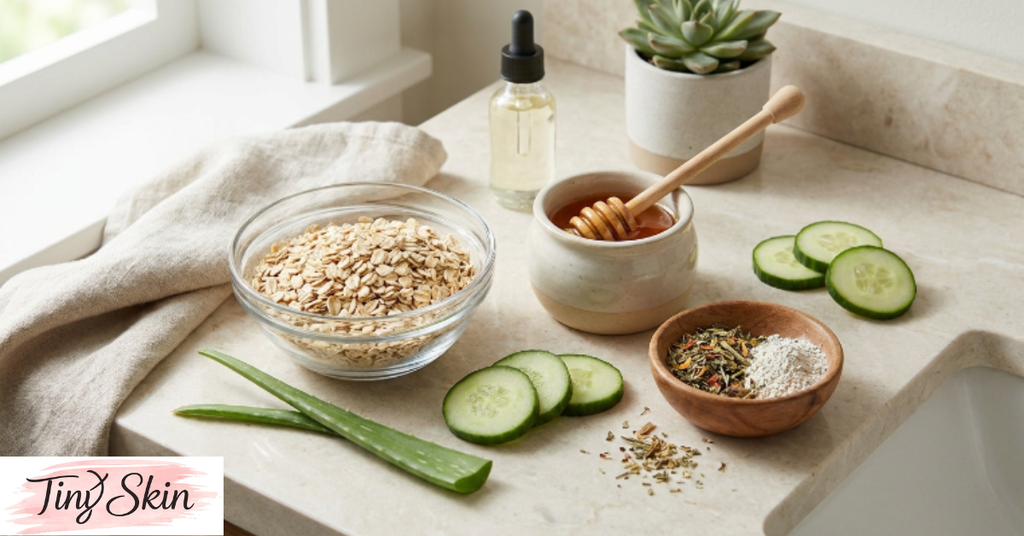
There’s a lot of questionable advice floating around online, so let’s stick to what’s genuinely useful.
Aloe vera is one of the most reliable options — it’s naturally soothing and reduces redness without clogging pores.
Cold compress applied for a few minutes right after shaving can calm inflammation quickly, especially if your skin tends to react strongly.
Diluted apple cider vinegar (heavily diluted with water) is sometimes recommended for its mild antibacterial properties, but it can sting on broken or freshly shaved skin, so proceed carefully and stop if it burns.
Oatmeal baths can help if you’re dealing with widespread irritation rather than just isolated bumps.
Avoid home remedies involving lemon juice, toothpaste, or baking soda in this area — they’re too harsh for such sensitive skin and can cause more damage than good.
Dos and Don’ts for Smooth Skin After Shaving Pubic Hair
Do:
- Use a fresh razor every time
- Shave after a warm shower
- Moisturize daily, not just post-shave
- Wear breathable underwear
- Give your skin rest days between shaves
Don’t:
- Shave dry or without lubrication
- Reuse dull, rusty razors
- Apply scented lotions or perfumes right after shaving
- Pick at bumps or ingrown hairs
- Shave the exact same area repeatedly in one session
When to See a Dermatologist
Most irritation from shaving resolves on its own within a day or two with proper care. That said, if you notice persistent bumps that don’t improve, signs of infection (increasing redness, warmth, swelling, or pus), or recurring ingrown hairs that leave dark marks or scars, it’s worth checking in with a dermatologist. They can recommend targeted treatments and rule out other skin conditions that sometimes get mistaken for razor irritation, like folliculitis.
This isn’t meant to replace professional medical advice — if something feels off or doesn’t improve with basic care, a dermatologist is always the better call than guessing.
Alternatives to Shaving Worth Considering
If you’re constantly battling irritation no matter what you try, shaving might not be the best long-term method for your skin type. Options worth exploring include:
- Trimming instead of shaving completely smooth
- Depilatory creams designed for sensitive areas (patch test first)
- Professional waxing, which removes hair from the root and can mean fewer ingrown hairs over time for some people
- Laser hair reduction, a longer-term option for those wanting to reduce shaving frequency altogether
Frequently Asked Questions
How long does it take for skin to become smooth after shaving?
Typically, mild redness settles within a few hours to a day. If you’re following proper technique, you should see smooth, calm skin within 24 hours.
Why does my skin get bumpy every time I shave down there?
This usually points to a dull razor, shaving dry, or skipping exfoliation. Switching your technique and products often resolves it within one or two shaves.
What should I put on my skin immediately after shaving?
Stick to a fragrance-free, alcohol-free moisturizer or pure aloe vera gel. Avoid anything scented or containing alcohol, as it will likely sting and increase irritation.
Is it normal to get ingrown hairs every time I shave this area?
Occasional ingrown hairs are common, but frequent ones usually mean you need to exfoliate more regularly and adjust your shaving direction.
How often should I shave to avoid irritation?
Every 3–5 days tends to work better for most people than daily shaving, since it gives the skin time to recover between sessions.
Can I use the same razor for my legs and this area?
It’s better not to. Using a separate, dedicated razor reduces bacteria transfer and keeps the blade sharper for this more sensitive area.
Final Thoughts
Getting smooth skin after shaving pubic hair really comes down to preparation, technique, and aftercare — not luck. Once you build a routine around exfoliating regularly, using a sharp razor, shaving with the grain, and moisturizing properly, most of the bumps and irritation people struggle with simply stop happening.
Give your skin a little grace while it adjusts to a new routine — it won’t be perfect on the first try, and that’s completely normal. Start with one or two changes from this guide, stay consistent, and you’ll likely notice a real difference within a couple of weeks. And if irritation persists despite doing everything right, don’t hesitate to check in with a dermatologist for personalized guidance.

