
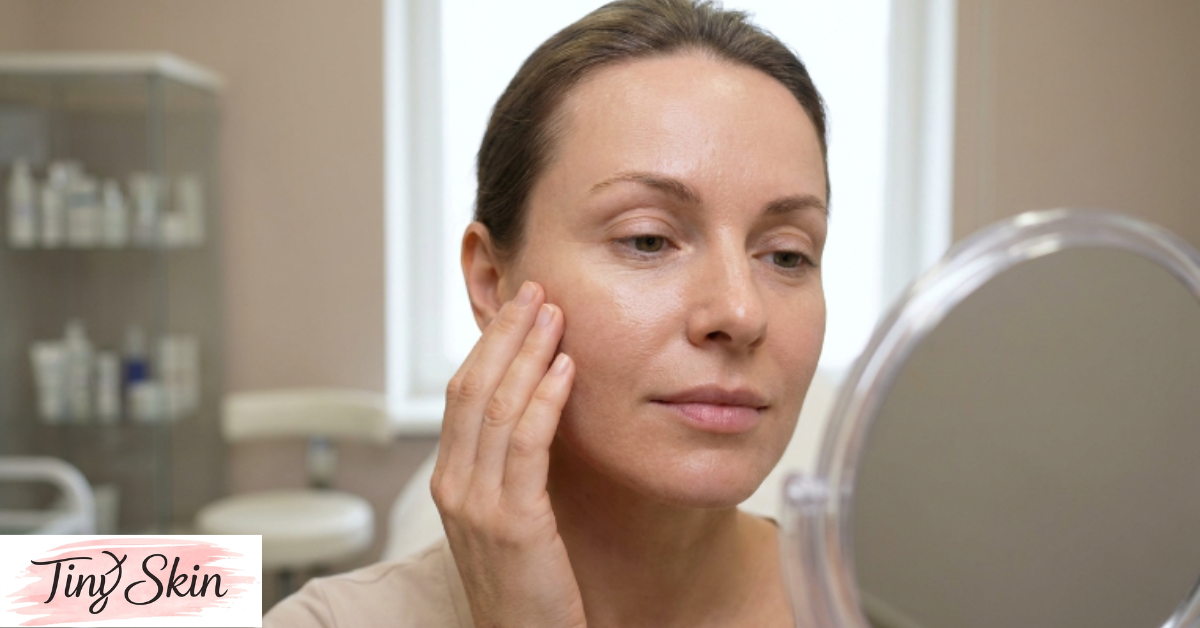

Run your fingers across your cheek right now. Feel any bumps, rough patches, or areas that just don’t feel as smooth as they used to? You’re not imagining it, and you’re definitely not alone. Uneven, bumpy, or dull skin is one of the most common complaints I hear from clients, and honestly, it’s one of the most fixable — if you know what you’re doing.
Here’s the thing: most people jump straight to expensive serums or in-office treatments without addressing the basics first. That’s like putting a fresh coat of paint on a wall that hasn’t been sanded down. It might look okay for a bit, but it won’t last.
If you’ve been Googling how to improve skin texture at 11 p.m. while staring into a magnifying mirror (we’ve all been there), this article is for you. I’m going to walk you through exactly why your skin texture changed, what’s actually worth your time and money, and the daily habits that make the biggest difference. No fluff, no miracle claims — just what works.
What Does “Skin Texture” Actually Mean?
Before we get into how to improve skin texture, let’s clear up what we’re even talking about. Skin texture refers to the surface quality of your skin — how smooth, even, and refined it feels and looks. Good texture means your pores appear minimized, your skin reflects light evenly, and there’s no noticeable roughness when you touch it.
Poor texture, on the other hand, can show up as:
- Rough or sandpaper-like patches
- Visible pores that look enlarged
- Fine bumps (sometimes called “chicken skin”)
- Uneven tone that catches light unevenly
- A dull, tired appearance even after a full night’s sleep
Sound familiar? If so, don’t panic. Texture issues are almost always tied to things happening at the surface level of your skin — and surface-level problems respond really well to consistent, targeted care.
Common Causes Behind Rough or Uneven Skin Texture
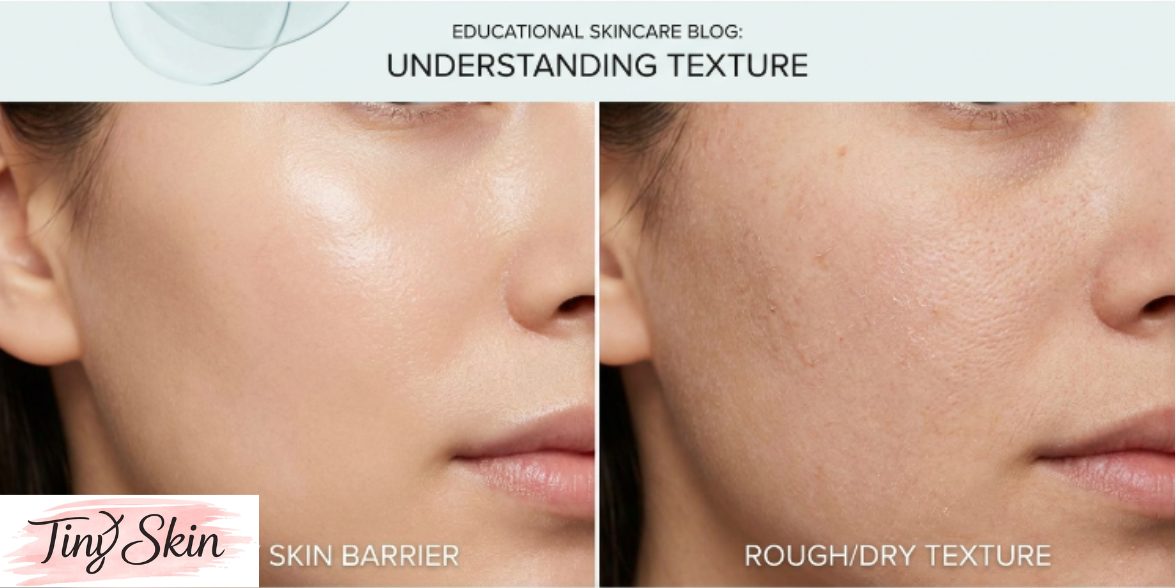
You can’t fix what you don’t understand. So before jumping into solutions, it helps to know why your skin texture changed in the first place. In my experience, it usually comes down to one (or several) of these culprits.
Buildup of Dead Skin Cells
Your skin naturally sheds dead cells roughly every 28 to 40 days, and that turnover rate slows down as you age. When dead cells pile up instead of shedding properly, they sit on the surface and create that rough, dull feel. This is genuinely one of the biggest reasons people struggle with texture, and it’s also one of the easiest to correct.
Sun Damage
I can’t stress this enough — sun exposure is probably the single biggest accelerator of poor skin texture. UV rays break down collagen and elastin, the proteins responsible for keeping skin smooth and bouncy. Over time, this shows up as roughness, uneven tone, and those fine bumps that seem to appear out of nowhere.
Dehydration (Not the Same as Dry Skin)
This is a mistake a lot of people make — they assume dry, textured skin just needs more moisturizer, when really the skin is dehydrated, not dry. Dehydrated skin lacks water, not oil, and it often feels tight, flaky, and rough even if you have naturally oily skin.
Clogged Pores
When oil, dead skin, and debris get trapped in your pores, the result is often a bumpy, uneven surface — even without full-blown breakouts. This is especially common along the forehead, chin, and nose.
Lifestyle Factors
Poor sleep, high stress, smoking, and a diet heavy in processed sugar all play a role. Stress in particular raises cortisol, which can trigger inflammation and disrupt your skin’s natural barrier function.
How to Improve Skin Texture: The Daily Habits That Matter Most
Alright, let’s get into the good stuff. If you want to know how to improve skin texture in a way that actually sticks, it starts with your everyday routine — not a single product, but a system.
Double Cleansing (When It’s Actually Necessary)
If you wear sunscreen, makeup, or live in a polluted city, an oil-based cleanser followed by a gentle water-based one at night helps remove buildup that a single cleanse often misses. That said, if you have naturally dry or sensitive skin, one thorough cleanse is usually enough — over-cleansing can actually make texture worse by stripping your barrier.
Gentle, Consistent Exfoliation
This is probably the single most effective step for improving skin texture, but it’s also where people mess up the most. Over-exfoliating irritates the skin and makes texture worse, not better.
Here’s a simple framework:
- Chemical exfoliants (AHAs like glycolic or lactic acid, and BHAs like salicylic acid) are generally more effective and gentler than physical scrubs.
- Start with 2–3 times a week and adjust based on how your skin responds.
- Always follow with SPF the next morning, since exfoliation increases sun sensitivity.
Hydration From the Inside and Out
Layering a hydrating serum (think hyaluronic acid) underneath a moisturizer that contains ceramides can make a noticeable difference within a couple of weeks. Ceramides in particular help repair the skin barrier, which is often the missing piece for people with chronically rough or flaky texture.
Non-Negotiable Sun Protection
I know, I know — you’ve heard this a million times. But if you’re serious about how to improve skin texture long-term, sunscreen isn’t optional. Broad-spectrum SPF 30 or higher, reapplied every couple of hours during sun exposure, protects the collagen you’re working so hard to preserve.
Best Ingredients for Improving Skin Texture
Not all ingredients are created equal, and honestly, the skincare aisle can feel overwhelming. Here’s a breakdown of what’s actually backed by evidence.
Retinoids (Retinol, Tretinoin, Adapalene)
Retinoids speed up cell turnover, boost collagen production, and are considered one of the gold standards for texture improvement. Start slow — two to three nights a week — to avoid irritation, then build up gradually.
Alpha Hydroxy Acids (AHAs)
Glycolic and lactic acid gently dissolve the bonds between dead skin cells, revealing smoother skin underneath. They also help fade the dullness that comes with textural buildup.
Niacinamide
This ingredient does a bit of everything — it minimizes the appearance of pores, calms inflammation, and strengthens the skin barrier, all of which contribute to smoother-looking skin over time.
Vitamin C
Beyond brightening, vitamin C is an antioxidant that helps protect against the environmental damage that contributes to rough texture in the first place.
Peptides
Peptides support collagen production and are a great option for people whose skin is sensitive to stronger actives like retinoids.
Professional Treatments Worth Considering
Sometimes at-home care isn’t enough on its own, especially if you’re dealing with deeper textural concerns like acne scarring. In those cases, it’s worth having a conversation with a licensed dermatologist or aesthetician about in-office options such as:
- Microneedling — creates controlled micro-injuries that stimulate collagen production
- Chemical peels — deeper exfoliation than at-home acids, performed under professional supervision
- Laser resurfacing — targets deeper textural irregularities and scarring
- Microdermabrasion — a gentler, more surface-level option for mild texture concerns
Always consult a dermatologist before starting any professional treatment, especially if you have sensitive skin, active acne, or a history of hyperpigmentation. What works beautifully for one skin type can cause complications in another.
Dos and Don’ts for Better Skin Texture
Let’s simplify things. Here’s a quick-reference list I give to clients who feel overwhelmed by all the information out there.
Do:
- Introduce new actives one at a time, giving your skin a few weeks to adjust
- Wear sunscreen daily, even on cloudy days or when you’re indoors near windows
- Stay consistent — texture improvements take weeks, not days
- Patch test new products before applying them to your full face
Don’t:
- Mix multiple strong actives (like retinol and AHAs) in the same routine without guidance
- Pick at bumps or clogged pores — this almost always worsens texture and can cause scarring
- Skip moisturizer if you have oily skin — dehydration affects every skin type
- Expect overnight results from any product, no matter what the marketing says
Common Mistakes That Are Sabotaging Your Skin Texture
In reality, a lot of people are unknowingly working against themselves. Here are the mistakes I see most often.
First, over-exfoliating tops the list. If your skin feels tight, red, or unusually sensitive, that’s not a sign you need more exfoliation — it’s a sign your barrier is compromised and needs rest and repair.
Second, ignoring your neck and hands. Texture concerns don’t stop at your jawline, and skipping these areas creates a noticeable disconnect over time.
Third, using hot water to cleanse. It feels great in the moment, but hot water strips natural oils and can worsen roughness and irritation.
And finally, giving up too soon. This is a mistake a lot of people make — they try a new routine for a week, see no dramatic change, and abandon it. Realistically, most texture-focused ingredients take four to eight weeks to show visible results, since that roughly matches your skin’s natural renewal cycle.
Diet and Lifestyle Tweaks That Support Smoother Skin
Skincare products matter, but what’s happening inside your body shows up on the outside too. A few adjustments that genuinely help:
- Prioritize sleep — this is when your skin does most of its repair work
- Reduce added sugar — high sugar intake has been linked to collagen breakdown through a process called glycation
- Stay hydrated — water alone won’t fix texture, but chronic dehydration certainly doesn’t help
- Manage stress — through movement, therapy, journaling, whatever genuinely works for you
None of these are quick fixes, but combined with a solid topical routine, they make a real, cumulative difference.
How Long Does It Take to See Improvement?
Patience is honestly the hardest part of this process. Most people start noticing subtle changes within two to four weeks of consistent care, with more significant improvement around the eight-to-twelve-week mark. That timeline lines up with your skin’s natural cell turnover cycle, which is why consistency matters so much more than intensity.
Frequently Asked Questions
Can skin texture actually be improved, or is it permanent?
Yes, in most cases skin texture can be significantly improved with consistent care. Genetics play a role in your baseline, but factors like sun damage, dehydration, and dead skin buildup — the biggest contributors to poor texture — are very responsive to the right routine.
What is the fastest way to improve skin texture?
There’s no true overnight fix, but gentle chemical exfoliation combined with proper hydration tends to show the quickest visible results, often within two to three weeks.
Does drinking water improve skin texture?
Hydration supports overall skin health, but water alone won’t resolve textural issues caused by sun damage or dead skin buildup. It works best as part of a complete approach, not a standalone solution.
Is skin texture the same as acne scarring?
Not exactly. General texture issues involve roughness and dullness across the skin’s surface, while acne scarring refers to indentations or raised marks left behind after breakouts heal. Scarring often needs more targeted treatments like microneedling.
Can diet really affect how smooth my skin looks?
Yes. Diets high in refined sugar have been associated with collagen breakdown, which can contribute to rougher, less resilient skin over time. A balanced diet supports the skin’s ability to repair itself.
Should I see a dermatologist for skin texture concerns?
If at-home care hasn’t helped after a few months, or if you’re dealing with acne scarring or persistent bumps, it’s worth consulting a dermatologist. They can recommend professional treatments tailored to your specific skin type and concerns.
Final Thoughts
Improving skin texture isn’t about finding one magic product — it’s about building a routine that supports your skin’s natural renewal process, protecting it from damage, and giving it time to actually work. Between gentle exfoliation, proper hydration, daily sun protection, and a few lifestyle tweaks, most people see real, lasting change.
Start small. Pick one or two changes from this guide, stay consistent for a few weeks, and build from there. Your skin didn’t get its texture overnight, and it won’t transform overnight either — but with the right approach, smoother, more even skin is absolutely within reach.

