

Introduction
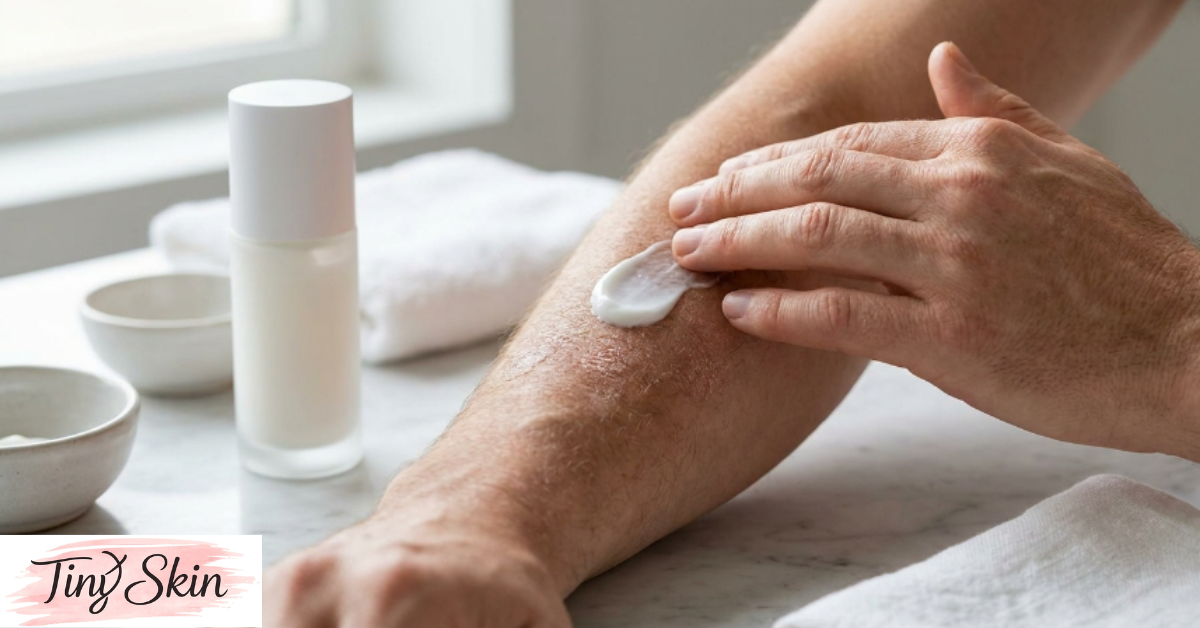
Rough patches on your elbows. Dry, bumpy skin on your arms. A dull, uneven texture that no lotion seems to fix. If this sounds familiar, you are not alone.
Ammonium lactate is one of the most trusted ingredients dermatologists recommend for these exact problems. It gently exfoliates dead skin cells while pulling in moisture, leaving skin noticeably smoother within weeks.
Unlike harsh scrubs, this ingredient works at a cellular level. It has decades of clinical use behind it, and it is available in both prescription and over-the-counter strengths.
In this guide, you will learn exactly what ammonium lactate does, how to use it safely, and how it compares to other popular exfoliants.
What Is Ammonium Lactate and How Does It Work?
Ammonium lactate is a compound made from ammonium hydroxide and lactic acid. Lactic acid belongs to a group of ingredients called alpha hydroxy acids, or AHAs.
Dermatologists have used this combination for decades to treat rough, dry, and thickened skin. It works differently than a typical moisturizer because it does two jobs at once.
1.1 The Science Behind Lactic Acid
Lactic acid loosens the “glue” that holds dead skin cells together on the surface. This allows old, dull cells to shed more easily, revealing smoother skin underneath.
Additionally, lactic acid is a natural humectant. This means it draws water into the outer layer of skin, which helps with hydration at the same time.
1.2 Why Ammonium Is Added
Ammonium hydroxide neutralizes the acidity of pure lactic acid. This makes the final product gentler on skin while keeping its exfoliating power intact.
As a result, ammonium lactate is generally better tolerated for daily use than straight lactic acid, especially on sensitive or already-irritated skin.
1.3 Common Strengths Available
Ammonium lactate typically comes in two strengths. Over-the-counter versions usually contain 10% lactic acid, while prescription formulas often contain 12%.
- 10% lotion: found in many drugstore body lotions
- 12% lotion or cream: usually requires a prescription
- Available in lotion, cream, and cleanser forms
Top Benefits of Ammonium Lactate for Your Skin
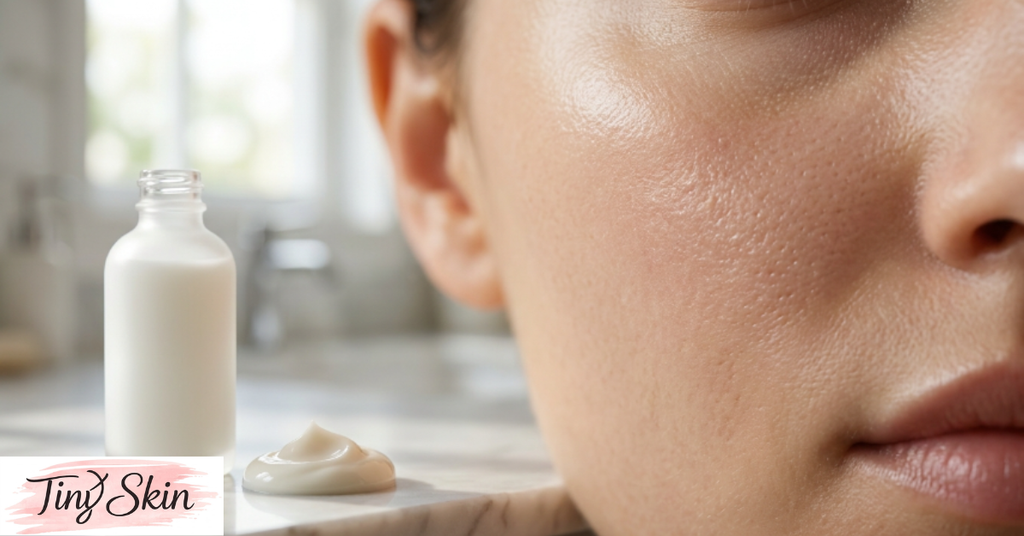
This ingredient offers more than just smoother skin. Many people notice multiple improvements after consistent use.
2.1 Gentle Exfoliation Without Scrubbing
Because it works chemically rather than physically, ammonium lactate exfoliates without the micro-tears that harsh scrubs can cause. This makes it a safer long-term option for skin exfoliation.
2.2 Deep, Lasting Hydration
Moreover, the humectant properties mean skin does not just look smoother, it also feels less tight and dry. This dual action is why dermatologists often prefer it over single-purpose products.
2.3 Improved Skin Texture Over Time
With regular use, many people report a visible improvement in uneven skin texture, including reduced roughness and a more even tone. Results are usually noticeable within two to four weeks.
Key benefits at a glance:
- Softens rough, thickened skin
- Improves moisture retention
- Reduces the appearance of dry patches
- Helps skin look and feel smoother
- Generally well tolerated for daily use
Common Skin Conditions Ammonium Lactate Can Treat
Ammonium lactate is not just a cosmetic product. It is frequently recommended for specific dermatological conditions.
3.1 Keratosis Pilaris
Keratosis pilaris causes small, rough bumps, often on the upper arms and thighs. Ammonium lactate helps smooth these bumps by encouraging gentle keratosis pilaris treatment through regular exfoliation.
3.2 Xerosis (Severe Dry Skin)
Xerosis is a medical term for chronic dry, scaly skin. Ammonium lactate is often prescribed specifically for this condition because it addresses both dryness and buildup at once.
3.3 Ichthyosis and Callused Skin
For thicker, scalier skin conditions like ichthyosis vulgaris, or for calluses on feet and hands, higher-strength ammonium lactate formulas can soften and smooth the affected areas over time.
| Skin Condition | Typical Symptoms | How Ammonium Lactate Helps |
|---|---|---|
| Keratosis Pilaris | Small rough bumps, often on arms | Exfoliates buildup around hair follicles |
| Xerosis (severe dryness) | Flaking, scaly, tight-feeling skin | Hydrates while removing dead skin |
| Calluses / Thickened Skin | Hard, rough patches on feet or hands | Softens and thins thickened layers |
| Uneven Skin Texture | Rough, bumpy overall texture | Encourages smoother cell turnove |
How to Use Ammonium Lactate Safely and Effectively
Using this ingredient correctly matters just as much as choosing the right product.
4.1 Step-by-Step Application
- Cleanse and dry the affected area completely.
- Apply a thin, even layer of ammonium lactate lotion or cream.
- Gently massage until fully absorbed.
- Wash your hands after application unless treating them.
- Apply once or twice daily, as directed by the product label.
4.2 Patch Testing First
Before applying it to larger areas, dermatologists advise testing a small patch of skin for 24 to 48 hours. This helps catch any sensitivity before widespread use.
4.3 Building Tolerance Gradually
If you are new to AHAs, start with once-daily use for the first week. Additionally, avoid applying it to broken, sunburned, or freshly shaved skin to reduce irritation risk.
Practical tips for best results:
- Apply to slightly damp skin for better absorption
- Avoid the eye area and mucous membranes
- Always follow with sunscreen during the day
- Do not combine with other strong exfoliants without guidance
Ammonium Lactate vs Other Exfoliating Ingredients
Many exfoliating ingredients exist, so it helps to see how ammonium lactate compares directly.
5.1 Ammonium Lactate vs Glycolic Acid
Glycolic acid has smaller molecules and penetrates skin more deeply, which can make it more effective but also more irritating for sensitive skin types.
5.2 Ammonium Lactate vs Urea
Urea is another common ingredient for rough, dry skin. However, urea works mainly through hydration and softening, while ammonium lactate combines exfoliation with hydration.
5.3 Ammonium Lactate vs Physical Scrubs
Physical scrubs remove dead skin mechanically, which can cause micro-tears, especially on sensitive or inflamed skin. Chemical exfoliants like ammonium lactate tend to be gentler overall.
| Ingredient | Best For | Irritation Risk | Hydration Level |
|---|---|---|---|
| Ammonium Lactate | Dry, rough, bumpy skin | Low to moderate | High |
| Glycolic Acid | Deeper exfoliation, texture, tone | Moderate to high | Low to moderate |
| Urea (10-40%) | Very dry, cracked skin | Low | High |
| Physical Scrubs | Occasional surface polish | Moderate to high | Low |
KEY TAKEAWAYS
- Ammonium lactate combines lactic acid with ammonium hydroxide for gentle exfoliation and hydration.
- It is commonly used for keratosis pilaris, xerosis, and thickened or callused skin.
- Over-the-counter versions typically contain 10% lactic acid; prescription versions may contain 12%.
- Patch testing is recommended before regular use, especially for sensitive skin.
- It is generally gentler than glycolic acid but more active than plain urea-based moisturizers.
- Daily sunscreen use is essential when using any AHA-based product.
Possible Side Effects and Precautions
While generally well tolerated, ammonium lactate can cause side effects in some people.
6.1 Common Mild Reactions
The most frequently reported reactions include mild stinging, redness, or a temporary burning sensation upon first application. These usually subside as skin adjusts.
6.2 Who Should Be Cautious
People with very sensitive skin, active eczema, or broken skin should consult a dermatologist advice before starting treatment. Pregnant or breastfeeding individuals should also check with their doctor first.
6.3 Signs You Should Stop Use
Discontinue use and seek medical advice if you notice persistent redness, swelling, blistering, or severe irritation that does not improve within a few days.
Precautions to keep in mind:
- Avoid use on open wounds or severely sunburned skin
- Do not apply immediately after shaving
- Reduce frequency if irritation occurs
- Always wear sunscreen, since AHAs increase sun sensitivity
Choosing the Right Ammonium Lactate Product
Not all ammonium lactate products are the same, so choosing wisely matters.
7.1 Lotion vs Cream Formulas
Lotions absorb faster and work well for larger areas like arms and legs. Creams are thicker and better suited for very dry patches like elbows, knees, or feet.
7.2 Reading Product Labels
Look for a clear percentage of lactic acid on the label. Additionally, check for added ingredients like fragrance, which may increase irritation risk for sensitive skin.
7.3 Over-the-Counter vs Prescription Options
Mild cases often respond well to 10% over-the-counter formulas. However, more stubborn or severe cases may require a 12% prescription-strength product from a dermatologist.
When to See a Dermatologist
Most people can safely use over-the-counter ammonium lactate at home. However, certain situations call for professional guidance.
8.1 Persistent or Worsening Symptoms
If rough patches, bumps, or dryness do not improve after four to six weeks of consistent use, it may be time for a professional evaluation.
8.2 Suspected Underlying Skin Conditions
Sometimes, rough or scaly skin signals an underlying condition like eczema or psoriasis rather than simple dryness. A dermatologist can diagnose this accurately.
8.3 Getting a Personalized Treatment Plan
A dermatologist can also recommend the right strength, frequency, and complementary products for your specific skin type, helping you achieve smooth skin tips tailored to your needs.
FAQs
What is ammonium lactate used for?
Ammonium lactate is used to treat dry, rough, and thickened skin conditions, including keratosis pilaris and xerosis. It exfoliates dead skin cells while adding moisture, making it a common recommendation for chronic dryness and bumpy skin texture.
Is ammonium lactate the same as lactic acid?
Not exactly. Ammonium lactate is a compound formed by combining lactic acid with ammonium hydroxide. This process makes it gentler and less acidic than pure lactic acid, while still retaining its exfoliating benefits.
How long does it take to see results?
Most people notice smoother, less rough skin within two to four weeks of consistent daily use. However, results can vary depending on skin condition severity and how regularly the product is applied.
Can I use ammonium lactate on my face?
It can be used on the face, but caution is needed since facial skin is more sensitive. Dermatologists often recommend testing on a small area first and using it less frequently than on body skin.
Is ammonium lactate safe for daily use?
Yes, for most people it is safe for daily use, especially at 10% strength. However, those with sensitive skin should start with every other day and increase frequency gradually as tolerated.
Does ammonium lactate help with keratosis pilaris?
Yes, ammonium lactate is a commonly recommended keratosis pilaris treatment. It smooths rough bumps by gently exfoliating buildup around hair follicles while keeping the surrounding skin hydrated.
Conclusion
Ammonium lactate remains one of the most reliable, dermatologist-recommended ingredients for treating rough, dry, and bumpy skin. It combines gentle exfoliation with genuine hydration, addressing two problems at once.
Whether you are managing keratosis pilaris, severe dryness, or simply want smoother skin texture, this ingredient has decades of clinical use behind it.
Start with a patch test, follow the usage guidelines above, and give it a few weeks to work. If symptoms persist, consult a dermatologist for a personalized treatment plan tailored to your skin’s needs.

