

Introduction
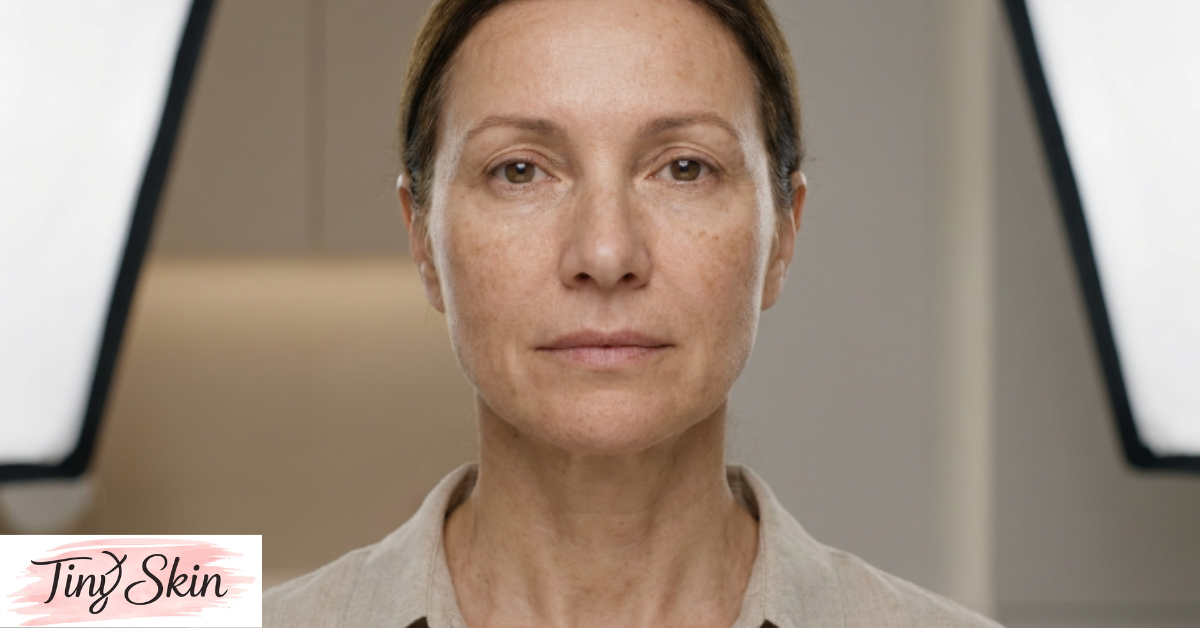
Do you look in the mirror and notice patches of your skin that seem darker, lighter, or blotchy compared to the rest? That uneven pattern is called mottled skin, and it’s more common than you think. It can appear on your face, hands, legs, or chest, and it often makes skin look older or unhealthy even when it isn’t.
Mottled skin happens for many reasons, from sun damage to poor circulation. The good news is that most cases can improve with the right skincare routine and lifestyle changes. In this guide, you’ll learn exactly why mottled skin develops, how it differs from other discoloration problems, and which treatments actually work. Let’s get your skin tone back on track.
What Is Mottled Skin?
Mottled skin refers to a blotchy, patchy pattern of discoloration on the skin’s surface. Instead of one uniform skin tone, you see a mix of red, purple, brown, or pale patches scattered across an area.
How It Looks
The patches are usually irregular in shape. They can appear suddenly, especially when the skin is cold, or develop gradually over months or years due to sun exposure and aging.
Where It Commonly Appears
Mottled skin most often shows up on:
- The face and neck
- Hands and forearms
- Lower legs
- Chest and décolletage
Temporary vs Permanent Mottling
Some mottling is temporary. Cold weather or emotional stress can cause blood vessels to constrict, creating a lace-like pattern known as livedo reticularis. Other forms, like sun-induced mottling, tend to be more permanent without treatment.
Common Causes of Mottled Skin
Understanding the root cause is the first step toward fixing uneven skin tone. Dermatologists point to several common triggers.
Sun Exposure and Photoaging
Years of unprotected sun exposure damage melanin-producing cells. This leads to patches of hyperpigmentation, a major cause of mottled skin on the face and hands.
Poor Circulation
When blood flow to the skin is uneven, some areas receive more oxygen than others. This creates a blotchy, marbled appearance, especially on the legs.
Aging and Hormonal Changes
As skin ages, melanin production becomes less consistent. Hormonal shifts, such as those during menopause, can also trigger uneven pigmentation.
Underlying Health Conditions
In some cases, mottled skin signals an underlying issue, such as poor thyroid function or circulatory conditions. However, this is not always the case, and most mottling is cosmetic.
Mottled Skin vs Other Skin Discoloration Issues
It’s easy to confuse mottled skin with other conditions. Here’s a quick comparison to help you understand the difference.
| Condition | Appearance | Main Cause | Typical Treatment |
|---|---|---|---|
| Mottled Skin | Patchy, blotchy discoloration | Sun damage, poor circulation, aging | Exfoliation, sunscreen, topical brighteners |
| Melasma | Symmetrical brown patches, often on cheeks | Hormonal changes, sun exposure | Prescription creams, chemical peels |
| Rosacea | Persistent facial redness with visible vessels | Inflammation, genetics | Anti-inflammatory treatment, laser therapy |
| Vitiligo | White patches with no pigment | Autoimmune response | Light therapy, topical steroids |
| Age Spots | Flat brown spots, well-defined edges | Cumulative sun exposure | Retinoids, laser treatment |
Moreover, mottled skin can sometimes overlap with these conditions, so an accurate diagnosis matters.
How Dermatologists Diagnose Mottled Skin
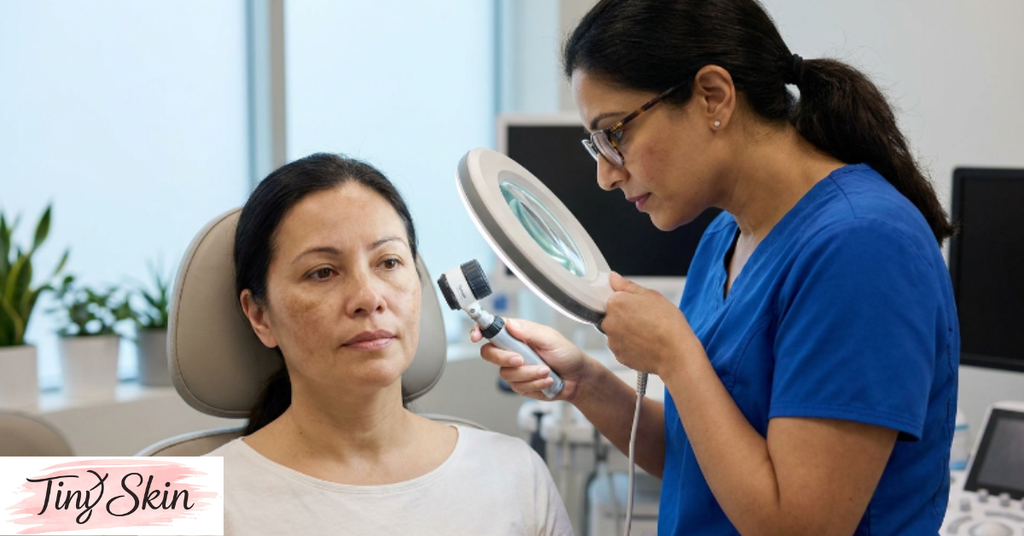
A proper diagnosis ensures you use the right treatment instead of guessing.
Visual Skin Examination
Dermatologists typically start with a close visual inspection under good lighting, sometimes using a dermatoscope to examine pigment patterns.
Medical History Review
They will ask about sun exposure habits, past skin conditions, and any medications you take, since some drugs increase sun sensitivity.
Ruling Out Underlying Conditions
If mottling appears suddenly or spreads quickly, doctors may run blood tests to rule out circulatory or autoimmune conditions.
Proven Treatments for Mottled Skin
Treatment depends on the cause, but several options have strong dermatological support.
Topical Treatments
Prescription-strength retinoids and vitamin C serums help even out pigmentation over time. Additionally, hydroquinone (under medical supervision) can lighten stubborn dark patches.
In-Office Procedures
- Chemical peels – Remove damaged outer skin layers to reveal more even-toned skin underneath.
- Laser therapy – Targets excess pigment or broken blood vessels directly.
- Microneedling – Stimulates collagen and can improve overall skin texture and tone.
At-Home Skincare Routine
A consistent routine using gentle skin exfoliation, antioxidants, and daily sunscreen supports and maintains professional treatment results.
Best Ingredients for Even Skin Tone
Choosing the right ingredients makes a real difference. Below is a comparison of popular options.
| Ingredient | Benefit | Best For | How Often to Use |
|---|---|---|---|
| Vitamin C | Brightens and fades dark spots | Sun-induced discoloration | Daily, morning |
| Niacinamide | Reduces redness and blotchiness | Sensitive or reactive skin | Daily, AM/PM |
| Retinol | Speeds cell turnover, evens tone | Aging-related mottling | 2-3x per week initially |
| Alpha Hydroxy Acids (AHAs) | Gentle skin exfoliation, smooths texture | Uneven skin texture | 2-3x per week |
| Azelaic Acid | Calms inflammation, fades pigment | Rosacea-prone or reactive skin | Daily |
However, always introduce new active ingredients slowly to avoid irritation.
Daily Habits to Prevent Mottled Skin
Prevention is often easier and cheaper than treatment.
Sun Protection Every Day
Apply broad-spectrum SPF 30 or higher daily, even on cloudy days. This single habit prevents most sun-related mottling.
Gentle, Consistent Skincare
Stick to a simple routine: cleanse, treat, moisturize. Over-exfoliating can worsen redness and irritation, so balance is key.
Healthy Circulation Habits
Regular exercise, staying hydrated, and avoiding prolonged sitting improve blood flow, which helps reduce blotchy patterns on the legs and hands.
When to See a Dermatologist
While most mottled skin is harmless, certain signs mean you should book an appointment.
Sudden or Rapid Changes
If mottling appears suddenly and spreads quickly, it’s worth getting checked, especially if accompanied by pain or swelling.
Accompanying Symptoms
Seek professional advice if you also notice fatigue, joint pain, or unexplained weight changes alongside skin changes.
No Improvement With Home Care
If your skin tone hasn’t improved after 8-12 weeks of consistent skincare, a dermatologist can recommend stronger, targeted treatments.
Key Takeaways
- Mottled skin is a blotchy, uneven skin tone caused by sun damage, poor circulation, or aging.
- It differs from melasma, rosacea, and vitiligo, so accurate diagnosis matters.
- Daily sunscreen is the single most effective prevention method.
- Ingredients like vitamin C, niacinamide, and retinol support visible improvement over time.
- In-office treatments such as chemical peels and laser therapy offer faster, more dramatic results.
- See a dermatologist if mottling appears suddenly or doesn’t improve with home care.
FAQs
Is mottled skin dangerous?
Mottled skin is usually a cosmetic concern caused by sun damage, aging, or temporary circulation changes. However, sudden or widespread mottling can occasionally signal an underlying health issue, so it’s worth mentioning to a doctor if it appears unexpectedly.
Can mottled skin be reversed naturally?
Yes, in many cases. Consistent sun protection, gentle skin exfoliation, and antioxidant-rich skincare can noticeably improve skin tone over several weeks to months, especially when the cause is sun exposure rather than an underlying condition.
What deficiency causes mottled skin?
Mottled skin isn’t typically linked to a single nutrient deficiency. It’s more commonly related to sun exposure, circulation, or aging. Still, a balanced diet supports overall skin health and repair.
Does mottled skin get worse with age?
Yes, mottling often becomes more noticeable with age because melanin production becomes less even and skin loses some of its natural resilience. Early sun protection helps slow this process significantly.
Can cold weather cause mottled skin?
Yes. Cold temperatures can cause blood vessels to constrict, creating a temporary lace-like, mottled pattern called livedo reticularis. This usually fades once the skin warms up again.
How long does it take to see results from treatment?
Most topical treatments show visible improvement within 8-12 weeks of consistent use. In-office procedures like laser therapy or peels often show faster results within a few sessions.
Conclusion
Mottled skin can feel frustrating, but it’s a manageable condition for most people. By understanding its causes, from sun damage to poor circulation, you can choose the right treatment path with confidence. Simple daily habits like sunscreen and gentle exfoliation go a long way, while professional treatments offer faster results for stubborn cases.
If your skin tone hasn’t improved despite consistent care, don’t wait. Consult a licensed dermatologist to get a personalized treatment plan and finally achieve the smooth, even-toned skin you deserve.

