
Introduction
If you have ever brushed against a poison ivy plant while hiking or gardening, you already know the misery that follows. Red, itchy, blistering skin can show up within hours or days, and finding the right poison ivy rash treatment quickly makes a huge difference in your comfort. The good news is that most cases heal on their own within two to three weeks. However, knowing which remedies actually work, and which ones to avoid, can speed up healing and prevent the rash from spreading. This guide walks you through everything you need, from first-aid steps to dermatologist-approved treatments.
What Is a Poison Ivy Rash and Why Does It Itch So Much?
Poison ivy rash is an allergic skin reaction caused by contact with a plant oil found on the leaves, stems, and roots of poison ivy, poison oak, and poison sumac. Most people are sensitive to this oil, and even brief contact can trigger a reaction.
How Urushiol Oil Triggers the Reaction
The oil responsible for the rash is called urushiol. It binds to the skin within minutes, and the immune system treats it as a threat. This immune response is what causes redness, swelling, and intense itching. Dermatologists note that urushiol can also stick to clothing, tools, and even pet fur, which means indirect exposure is common.
Common Symptoms to Watch For
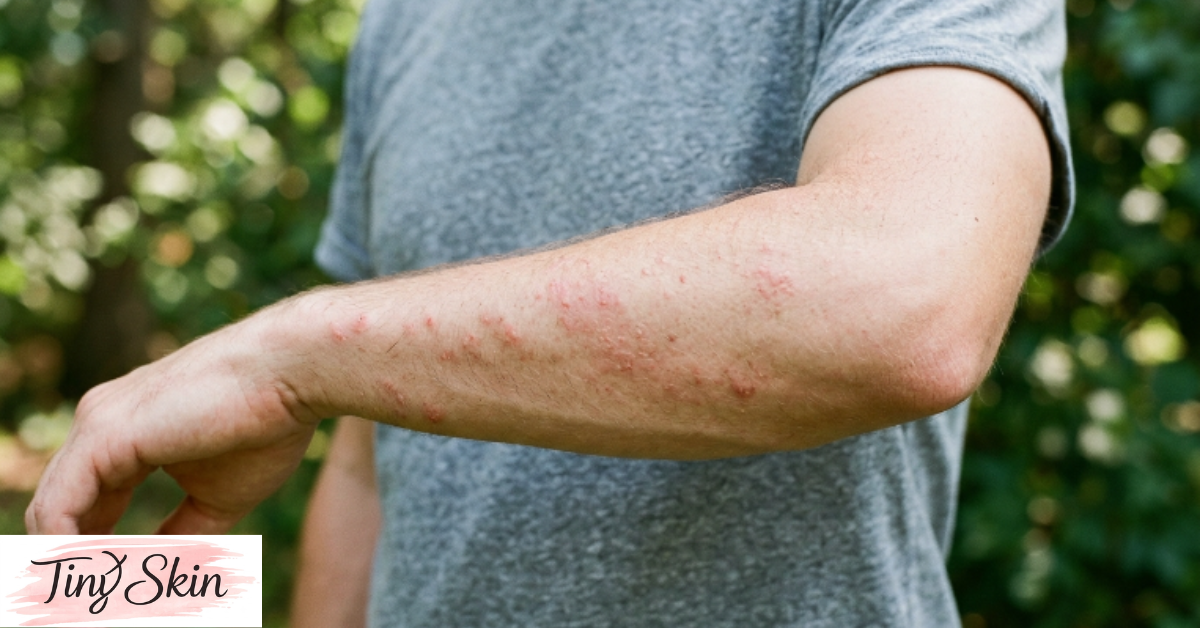
Typical poison ivy rash symptoms include:
- Red, inflamed patches of skin
- Intense itching or burning
- Fluid-filled blisters that may ooze
- Streaky or linear rash patterns, since the plant often brushes against skin in a line
- Swelling in more sensitive areas, like the face or eyelids
Symptoms usually appear 12 to 48 hours after contact, though some people react within hours. Understanding these signs early helps you begin poison ivy rash treatment before the reaction worsens.
Immediate Poison Ivy Rash Treatment Steps After Exposure
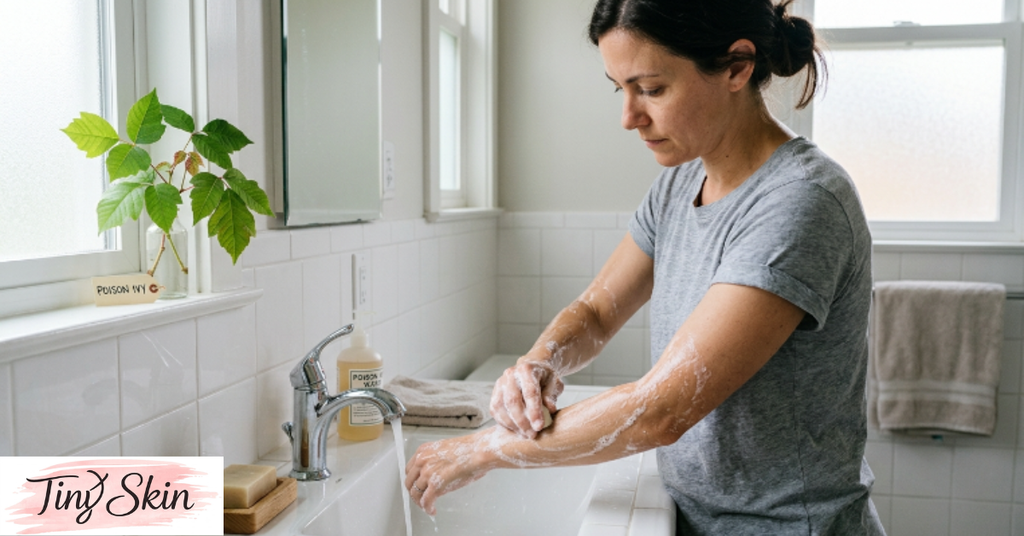
Acting quickly after suspected contact can significantly reduce the severity of your reaction. The urushiol oil needs to be removed from the skin before it fully binds.
Wash the Skin Within the First Hour
Rinse the affected area with lukewarm water and mild soap as soon as possible. Dermatologists recommend washing within 30 to 60 minutes of contact, since this window offers the best chance of removing the oil before it causes a full reaction. Avoid hot water, as it can open pores and spread the oil further.
What to Do With Contaminated Clothing
Urushiol can remain active on fabric and surfaces for a long time. Therefore, it’s important to:
- Remove and wash all clothing worn during exposure separately from other laundry
- Clean shoes, gardening tools, and gloves with soap and water
- Wipe down pet fur if your animal may have brushed against the plant
- Avoid touching your face or eyes until you’ve washed your hands thoroughly
Skipping this step is one of the most common reasons a poison ivy rash spreads to new areas of the body or to other household members.
Best Over-the-Counter Poison Ivy Rash Treatment Options
Once the rash has developed, several over-the-counter products can help control itching, inflammation, and discomfort.
Topical Treatments
Hydrocortisone cream is widely recommended for reducing redness and itching in mild to moderate cases. Calamine lotion is another classic option that helps dry out oozing blisters while soothing irritated skin.
Oral Antihistamines
Oral antihistamines, such as diphenhydramine, can reduce itching and may help you sleep better if symptoms are worse at night. However, they do not reduce the rash itself, only the itch response.
OTC Poison Ivy Rash Treatment Comparison Table
| Product Type | Main Benefit | Best For | Things to Know |
|---|---|---|---|
| Hydrocortisone Cream (1%) | Reduces inflammation and itching | Mild to moderate rashes | Apply thin layer, avoid broken skin |
| Calamine Lotion | Dries oozing blisters, soothes skin | Weeping or blistered rashes | Reapply as needed throughout the day |
| Oral Antihistamines | Reduces itch, may aid sleep | Nighttime itching | Non-drowsy options available for daytime use |
| Colloidal Oatmeal Products | Calms irritation, softens skin | Widespread or sensitive rashes | Safe for most skin types, including children |
Natural and Home Remedies for Poison Ivy Rash
Many people prefer to combine over-the-counter products with natural remedies for skin rash relief. While these methods won’t cure the rash faster, they can ease discomfort significantly.
Cool Compresses and Oatmeal Baths
Applying a cool, damp cloth to the rash for 15 to 20 minutes several times a day can reduce swelling and itching. Colloidal oatmeal baths are also a gentle way to calm irritated skin, especially when the rash covers a large area.
Aloe Vera and Calamine Lotion
Pure aloe vera gel has a cooling, soothing effect and may help reduce inflammation. Combining it with calamine lotion at different times of day can offer layered relief without overloading the skin with products.
What to Avoid
Not every home remedy for poison ivy is safe. Avoid the following:
- Scratching the rash, which increases infection risk
- Applying rubbing alcohol directly to blisters
- Using hot water or hot showers, which intensifies itching
- Popping blisters yourself
- Home remedies with no supporting evidence, such as bleach soaks
Sticking to gentle, well-tested options is the safest path to poison ivy relief.
Key Takeaways
- Wash exposed skin within 30 to 60 minutes to reduce reaction severity
- Hydrocortisone cream and calamine lotion are effective first-line treatments
- Oral antihistamines help control itching, especially at night
- Cool compresses and oatmeal baths offer natural, gentle relief
- Most rashes heal within 2 to 3 weeks without medical treatment
- Severe symptoms near the eyes, mouth, or covering large areas need medical attention
Poison Ivy Rash Treatment Timeline: What to Expect
Knowing what to expect at each stage helps you track healing and recognize if something is wrong.
Typical Healing Stages
Most poison ivy rashes follow a predictable pattern, though timing varies by individual sensitivity and exposure severity.
| Timeframe | What Typically Happens | Recommended Action |
|---|---|---|
| 12–48 hours after contact | Redness, itching, and swelling begin | Wash skin, start topical treatment |
| Days 2–4 | Blisters may form and ooze | Apply calamine, avoid scratching |
| Days 5–10 | Blisters begin to dry and crust | Continue moisturizing, use antihistamines if needed |
| Weeks 2–3 | Skin heals, itching fades | Monitor for full resolution |
| Beyond 3 weeks | Rash should be mostly gone | Consult a dermatologist if not improving |
If your rash follows this general timeline, home-based poison ivy rash treatment is usually sufficient. Additionally, tracking your symptoms daily can help you notice if the rash is improving or worsening.
When to See a Dermatologist or Doctor
While most cases resolve at home, some situations call for professional medical care.
Warning Signs of a Severe Reaction
See a doctor promptly if you notice:
- Rash covering a large portion of the body
- Swelling around the eyes, mouth, or genitals
- Signs of infection, such as pus, increasing pain, or fever
- Difficulty breathing, which may indicate inhaled urushiol from burning plants
- Symptoms lasting longer than three weeks
Prescription Treatment Options
For severe or widespread reactions, dermatologists may prescribe oral corticosteroids or stronger topical steroids. These treatments work faster than over-the-counter options and are typically used for a short, tapered course. Studies suggest that early prescription treatment can shorten the duration of severe allergic skin reactions significantly. Always follow your doctor’s dosing instructions closely, since stopping steroids too early can cause the rash to rebound.
How to Prevent Poison Ivy Rash in the Future
Prevention is always easier than treatment. A few simple habits can dramatically lower your risk.
Identifying the Plant
Learning to recognize poison ivy is the first line of defense. Remember the classic phrase “leaves of three, let it be.” The plant typically has three pointed leaflets, with the middle one on a longer stalk.
Protective Clothing and Barrier Creams
When spending time in wooded or overgrown areas, consider these precautions:
- Wear long sleeves, pants, and closed shoes
- Apply a barrier cream containing bentoquatam before outdoor activities
- Wash gardening tools and gloves after each use
- Keep pets on marked trails to avoid brushing against the plant
- Shower promptly after any suspected exposure
These small steps go a long way toward avoiding another uncomfortable reaction altogether.
FAQs
What is the fastest poison ivy rash treatment?
Washing the skin within an hour of contact is the fastest way to reduce reaction severity. After that, hydrocortisone cream, calamine lotion, and cool compresses offer the quickest relief from itching and inflammation for most people.
Can poison ivy rash spread through scratching?
The rash itself doesn’t spread through blister fluid, but scratching can transfer leftover urushiol oil on your skin or nails to new areas. Washing hands frequently and avoiding scratching helps prevent this spreading effect.
How long does a poison ivy rash usually last?
Most rashes heal within two to three weeks without medical treatment. Mild cases may clear faster, while more severe or widespread reactions can take longer and may benefit from prescription treatment.
Is it safe to pop poison ivy blisters?
No, dermatologists advise against popping blisters, since this increases the risk of infection and can slow healing. Blisters typically dry out and crust naturally as part of the healing process.
Can you get poison ivy rash without touching the plant directly?
Yes, urushiol oil can transfer through contaminated clothing, gardening tools, sports equipment, or pet fur. This indirect contact is a common reason people develop a rash without realizing they touched the plant.
When should I see a doctor for poison ivy rash?
See a doctor if the rash covers a large area, affects your face or genitals, shows signs of infection, or hasn’t improved after three weeks. Difficulty breathing after exposure requires immediate medical attention.
Conclusion
Dealing with a poison ivy rash can be uncomfortable, but effective poison ivy rash treatment is within reach for most people. Washing the skin quickly, using proven over-the-counter products, and adding gentle home remedies can ease symptoms while your skin heals naturally. However, watch for warning signs like severe swelling or infection, and don’t hesitate to consult a dermatologist if symptoms persist beyond three weeks. With the right approach, you can find relief and get back to enjoying the outdoors with confidence.

