

Introduction
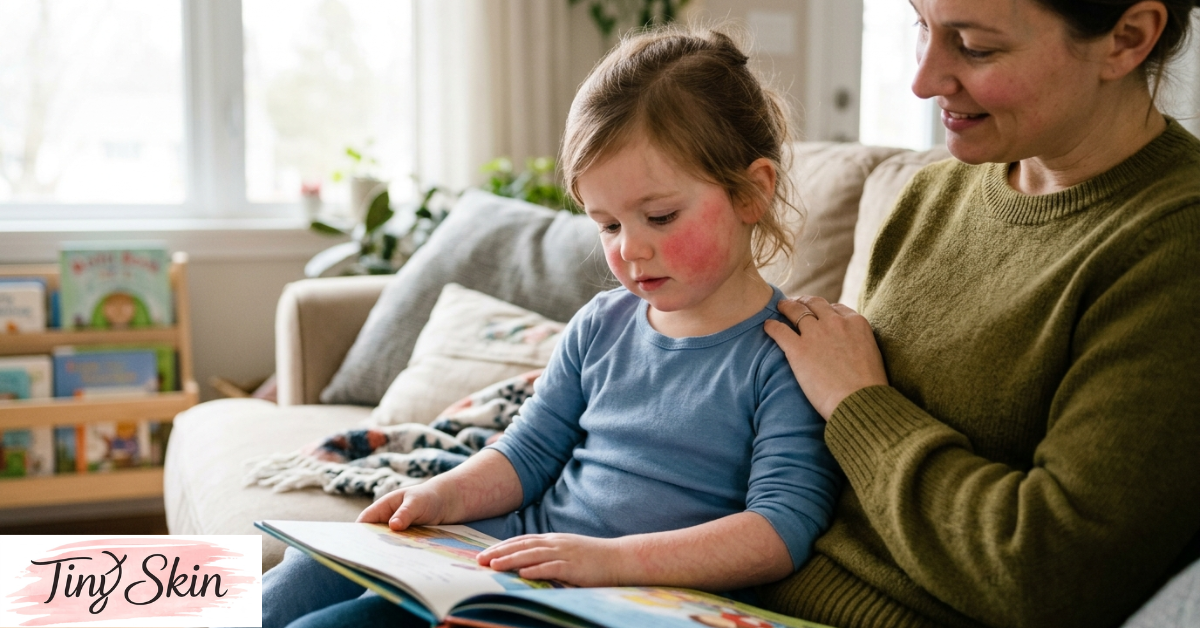
Your child wakes up with bright red cheeks that look like someone slapped them. A day later, a pink, lace-like pattern spreads across the arms and legs. Naturally, you worry. A fifth disease rash looks dramatic, but it is usually mild and clears on its own. Doctors also call this illness erythema infectiosum, and parvovirus B19 causes it. In Russia, many parents know it as «инфекционная эритема». Most children recover at home within one to three weeks. However, some groups, including pregnant women and people with certain blood disorders, need medical attention. This guide explains what a fifth disease rash looks like, how long it lasts, whether it spreads, and how to care for it. You will also learn the warning signs that mean you should call a doctor.
What Is Fifth Disease and Why Does It Cause a Rash?
Fifth disease got its odd name from an old classification. In the early 1900s, doctors numbered six common childhood rash illnesses. This one came fifth, and the name stuck.
The Virus Behind the Rash
Human parvovirus B19 causes fifth disease. It differs from the parvovirus that affects dogs and cats, so your pets cannot give it to you. The virus infects young red blood cells in the bone marrow. The fifth disease rash appears later, when the immune system reacts to the virus. Consequently, the rash shows up after the most contagious period has passed. Some doctors also call the illness slapped cheek syndrome.
Who Gets It Most Often
Fifth disease is most common in school-age children, usually between five and 15 years old. Outbreaks often peak in late winter and spring. However, adults can catch it too, especially teachers, nurses, and parents of young children. According to public health agencies such as the CDC, about half of adults already have immunity from a past infection. Therefore, most people get fifth disease only once.
What Does a Fifth Disease Rash Look Like?
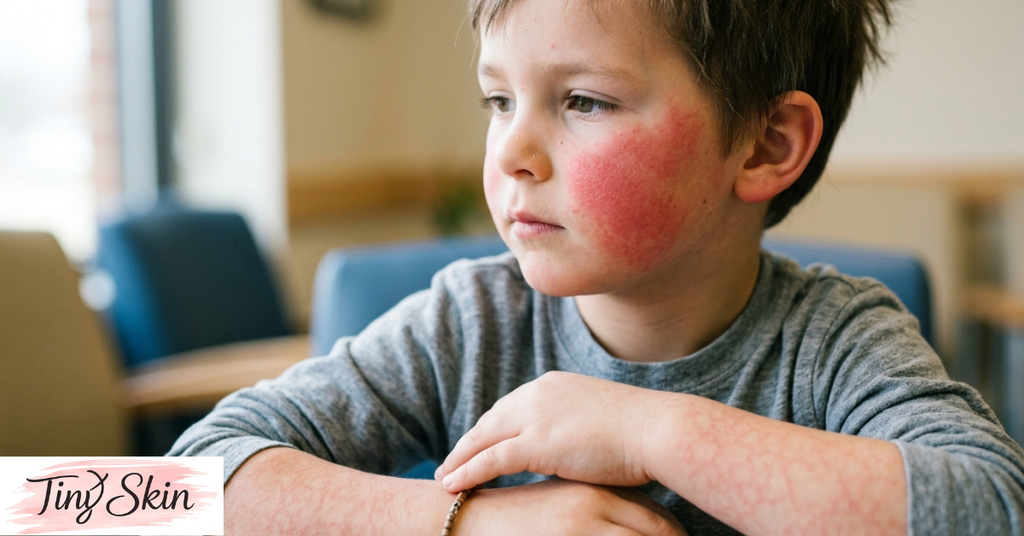
The rash usually appears in three stages. However, not everyone goes through all of them.
Stage 1: Bright Red “Slapped” Cheeks
The first sign of a fifth disease rash is often a bright red flush on both cheeks. Doctors call this the “slapped cheek” sign. The skin feels warm but rarely hurts. The area around the mouth often stays pale. This stage usually fades within a few days.
Stage 2: Lacy Pink Rash on the Body
A day or two later, a pink or red rash can spread to the chest, back, arms, buttocks, and thighs. It often forms a lacy, net-like pattern with clearer skin in the center of each patch. The rash may itch, especially in older children and adults. On darker skin, it may look purplish, brownish, or only slightly darker, so it is easy to miss.
Stage 3: A Rash That Comes and Goes
After it fades, the fifth disease rash may return for several weeks. Sunlight, a hot bath, exercise, fever, or stress can bring it back. This does not mean the infection has returned or that your child is contagious again. Doctors consider it a normal part of recovery.
Other Fifth Disease Symptoms in Children and Adults
A fifth disease rash is only one part of the picture. Symptoms also differ between children and adults.
Early Flu-Like Signs
Before the rash, many people have a low-grade fever, runny nose, sore throat, headache, or tiredness. Mild stomach upset can occur as well. Because these signs mimic a common cold, families rarely suspect fifth disease until the cheeks turn red. Some people have no symptoms at all.
Joint Pain in Adults
Adults often follow a different pattern. Joint pain and swelling in the hands, wrists, knees, and ankles are common, particularly in women. The rash may be faint or missing. Joint symptoms usually improve within a few weeks, although they linger for months in some people. Therefore, an adult with sore joints and recent contact with a sick child should mention fifth disease to a doctor.
Table 1: Fifth Disease Symptoms in Children vs. Adults
| Feature | Children | Adults |
|---|---|---|
| Typical first sign | Bright red “slapped” cheeks | Joint pain or stiffness |
| Body rash | Common, lacy pattern | Less common, often mild |
| Fever | Low-grade or none | Low-grade or none |
| Joint pain | Uncommon | Common, especially in women |
| Usual recovery time | 1-3 weeks | 1-3 weeks (joints may take longer) |
Is Fifth Disease Contagious? Spread and Prevention
Yes, the virus is contagious. However, the timing may surprise you.
How the Virus Spreads
Parvovirus B19 travels in respiratory droplets from coughing and sneezing. It also spreads through close contact and contaminated hands or surfaces. Rarely, it passes through blood products or from a pregnant mother to her baby. The incubation period usually lasts four to 14 days, but it can reach 21 days.
When Is a Person Contagious?
People spread the virus most easily in the week before the rash appears, when they seem to have only a mild cold. Once the fifth disease rash appears, a healthy person is generally no longer contagious. Consequently, keeping a child with a rash at home does not stop the spread. People with weak immune systems may stay contagious longer.
Prevention and Return to School
No vaccine exists yet, but simple habits lower your risk:
- Wash hands with soap for at least 20 seconds.
- Cover coughs and sneezes with a tissue or your elbow.
- Avoid sharing cups, bottles, and utensils.
- Clean toys and shared surfaces regularly.
Children can usually return to school or kindergarten once the fever is gone and they feel well.
Fifth Disease Rash vs. Other Rashes: How to Tell the Difference
Many illnesses cause a rash that resembles a fifth disease rash, so mix-ups happen. A parent cannot always tell them apart by sight alone.
Common Look-Alikes
The table below shows key differences. Use it as a guide only, not as a diagnosis.
Table 2: Fifth Disease vs. Similar Childhood Rashes
| Condition | Typical Rash | Other Clues |
|---|---|---|
| Fifth disease | Bright red cheeks, then a lacy rash on limbs and body | Mild cold signs; child often feels well |
| Measles | Red-brown blotches starting at the hairline and moving down | High fever, cough, red eyes; child looks very ill |
| Rubella | Fine pink rash spreading from the face | Swollen glands behind the ears; rash fades in about 3 days |
| Scarlet fever | Rough, sandpaper-like red rash | Sore throat, strawberry tongue; needs antibiotics |
| Roseola | Pink spots on chest and back | Mostly under age 2; rash appears after fever ends |
| Allergic hives | Raised, itchy welts that move around | Linked to food, medicine, or insect bites |
How Doctors Confirm the Diagnosis
In healthy children, a pediatrician can usually diagnose fifth disease from the rash and a physical exam. However, blood tests may help in some situations. Doctors check for parvovirus B19 IgM and IgG antibodies, or use PCR testing. Testing matters most during pregnancy, in people with weak immunity, and when the diagnosis is unclear. Antibiotics do not help, because a virus causes this illness. Meanwhile, bacterial infections such as scarlet fever do need antibiotics, so a proper diagnosis protects your child.
Treating a Fifth Disease Rash at Home
No antiviral drug can clear a fifth disease rash faster. Care focuses on comfort while the body fights the virus.
Simple Comfort Steps
- Offer plenty of water and other fluids.
- Let your child rest, but allow normal activity when they feel well.
- Use lukewarm baths and cool compresses to calm itching.
- Apply a fragrance-free moisturizer.
- Protect the skin from strong sun with clothing and sunscreen.
- Trim fingernails to limit scratching.
Medicines: Use Them Carefully
Paracetamol (acetaminophen) or ibuprofen can ease fever, headache, and joint pain. Follow the label dose for your child’s weight and age. If you feel unsure, ask a pharmacist or pediatrician. Importantly, never give aspirin to children or teenagers with a viral illness. It can trigger Reye’s syndrome, a rare but serious condition.
How Long Does a Fifth Disease Rash Last?
Most rashes fade within one to three weeks. However, the rash may flare on and off for several weeks longer. Adults with joint pain may need more time to recover. If the rash lasts longer than a month, see your doctor.
When to See a Doctor: High-Risk Groups and Warning Signs
A fifth disease rash itself is rarely dangerous. Still, some groups need closer care.
Pregnancy
Most pregnant women who catch parvovirus B19 have healthy babies. Rarely, however, the virus can cause severe anemia in the baby, fluid buildup, or miscarriage, mainly before 20 weeks. If you are pregnant and meet someone with fifth disease, call your obstetrician promptly. A blood test shows whether you are immune, and ultrasound can monitor your baby.
Blood Disorders and Weak Immunity
People with sickle cell disease, thalassemia, or other chronic anemias can develop a sudden, severe drop in red blood cells. Doctors call this an aplastic crisis. In addition, people with weak immune systems, such as those receiving chemotherapy, can develop long-lasting anemia. These groups need prompt medical care even for mild symptoms.
Warning Signs
Contact your pediatrician or local polyclinic if you notice:
- Pale skin, extreme tiredness, a racing heartbeat, or shortness of breath
- Dark purple spots that do not fade when pressed
- A high fever that does not settle
- Severe joint pain or swelling
- A rash lasting more than a month
In an emergency in Russia, call 112 or 103 (ambulance).
Key Takeaways
- A fifth disease rash starts with bright red cheeks and often spreads as a lacy pink pattern on the body.
- Parvovirus B19 causes the illness, and antibiotics do not treat it.
- People spread the virus before the rash appears, not after.
- Rest, fluids, and gentle skin care are usually enough. Avoid aspirin in children.
- A fifth disease rash usually fades in one to three weeks but may return with heat or sun.
- Pregnant women, people with blood disorders, and those with weak immunity should see a doctor promptly.
FAQs
What does a fifth disease rash look like?
A fifth disease rash starts as bright red patches on both cheeks, often called “slapped cheeks.” A day or two later, a pink, lace-like rash can appear on the arms, legs, and torso. On darker skin, the rash may look purplish or brown. The pattern often fades and returns for several weeks.
Is a fifth disease rash itchy?
Sometimes. Many children feel no itching at all. Adults and older children report itching more often, sometimes on the soles of the feet. Lukewarm baths, cool compresses, and fragrance-free moisturizer usually help. Avoid hot water and scratching. If itching is severe or keeps you awake, ask a doctor about other options.
Is a fifth disease rash contagious?
Usually not. People with fifth disease spread the virus mostly before the rash appears, while they have only mild cold-like symptoms. Once the rash shows, most healthy people are no longer contagious. People with weak immune systems may stay contagious longer, so they should follow their doctor’s advice.
How long does a fifth disease rash last?
Most rashes fade within one to three weeks. However, the rash can reappear for several weeks after it first clears, especially after sun exposure, heat, exercise, or stress. Adults may have joint pain that lasts longer. See a doctor if the rash lasts beyond about a month or you feel unwell.
Can adults get fifth disease?
Yes. Adults who never had the infection as children can catch it from sick children. It more often causes joint pain and swelling than a clear rash, especially in women. Teachers, healthcare workers, and parents face higher exposure. Pregnant adults should contact their obstetrician after any exposure.
Is fifth disease dangerous during pregnancy?
Usually not, but it needs medical follow-up. Most pregnant women who catch parvovirus B19 deliver healthy babies. Rarely, the virus can cause severe anemia in the baby or miscarriage, mostly before 20 weeks. Call your obstetrician quickly after exposure or a rash. Blood tests and ultrasound can guide care.
Conclusion
A fifth disease rash can look alarming, yet it is usually harmless in healthy children. Bright red cheeks, a lacy pattern on the body, and a rash that comes and goes are the classic signs. Rest, fluids, and gentle skin care are usually all you need. Remember that people spread the virus before the rash appears, so washing hands remains your best defense. However, pregnancy, blood disorders, and weak immunity call for medical advice. If you are unsure whether a rash is fifth disease, book a visit with a pediatrician or dermatologist. Don’t wait if you notice pale skin, breathing trouble, or a rash that does not fade under pressure. Early advice protects you and your family.

