
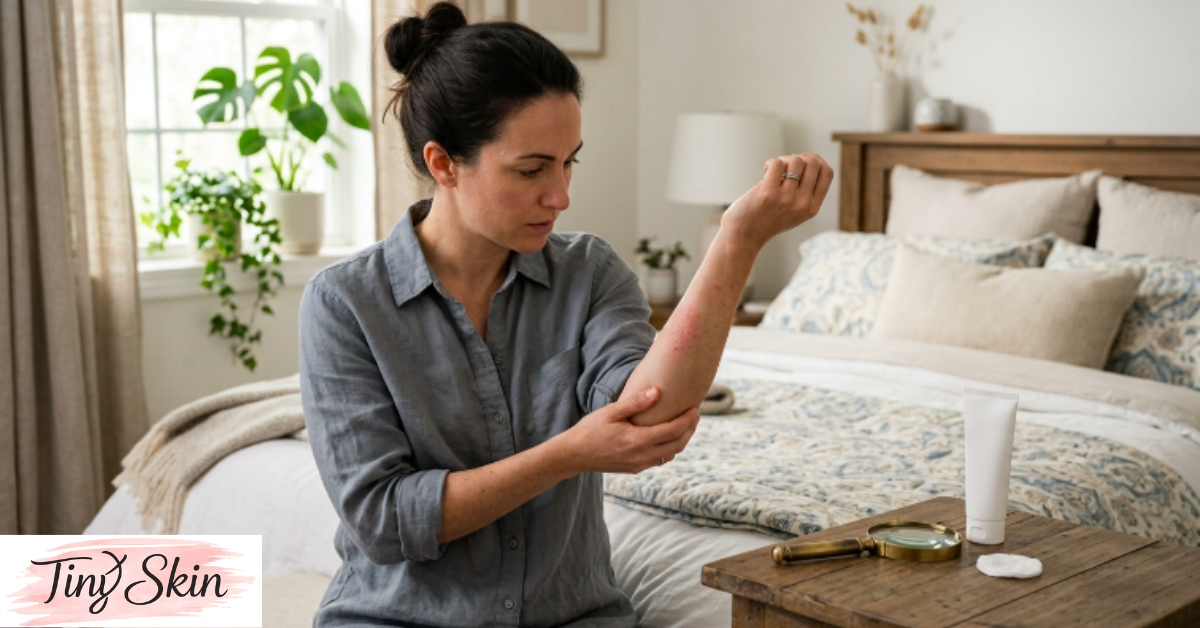

If you’ve woken up with a cluster of red, angry bumps on your arm and you’re frantically Googling this at 2 a.m., I get it. That itch is relentless, isn’t it? It’s the kind that makes you want to claw at your skin until it stops, and honestly, it rarely stops on its own quickly. So let’s answer the burning question first, because I know you didn’t come here for a history lesson: yes, do bed bug bites itch? Absolutely, and for most people, they itch a lot.
I’ve spent the better part of a decade talking to patients, readers, and worried parents about skin reactions of every kind, and bed bug bites are among the most misunderstood. People assume the itch means infection. Others assume no itch means no bed bugs. Neither is quite right, and I want to walk you through what’s actually happening under your skin, why the itch shows up (sometimes days later), and — most importantly — what you can do about it right now.
By the end of this article, you’ll understand the biology behind the itch, how to tell bed bug bites apart from mosquito bites or allergic reactions, practical home remedies that actually work, and when it’s time to call in a dermatologist. Let’s get into it.
Do Bed Bug Bites Itch, and Why Does It Happen?
Here’s the thing — the itch isn’t caused by the bite itself. It’s caused by your immune system’s reaction to it. When a bed bug feeds, it injects a small amount of saliva into your skin. That saliva contains anticoagulants and anesthetic-like compounds that let the bug feed without you noticing at first. Clever, in a gross sort of way.
Your body, though, recognizes those proteins as foreign invaders. It responds by releasing histamine, which is the same chemical responsible for allergic reactions like hay fever. Histamine causes blood vessels near the bite to swell slightly and triggers nerve endings that signal “itch” to your brain. That’s the science in a nutshell.
So when people ask do bed bug bites itch worse than other insect bites, the honest answer is: it depends on your individual sensitivity. Some people barely react. Others develop intensely itchy welts that last for over a week. I’ve seen both extremes in my years covering this topic, and there’s no way to predict in advance which camp you’ll fall into until you’re actually bitten.
How Long Does the Itching From Bed Bug Bites Last?
This is where a lot of people get caught off guard. Bed bug bites don’t always itch immediately. In fact, it’s common for the reaction to be delayed by anywhere from a few hours to several days after the actual bite. That delay is a big reason people struggle to connect their itchy skin to bed bugs in the first place — they assume it’s something else entirely, like a rash from new laundry detergent.
Once the itch does kick in, it typically peaks within the first 48 hours and gradually fades over 1 to 2 weeks. For people with more sensitive skin or a stronger immune response, itching and swelling can linger for two to three weeks. That’s a long time to be uncomfortable, and it’s exactly why so many readers search this topic hoping for relief, not just explanations.
Why Some People Don’t Itch at All
Interestingly, roughly 30% of people show no visible reaction to bed bug bites whatsoever. No itch, no bump, nothing. This doesn’t mean they’re immune to bed bugs — it just means their immune system doesn’t flag the saliva proteins as a threat. This is actually one of the trickiest parts of dealing with an infestation, because these individuals can unknowingly live with bed bugs for months without ever suspecting a problem, while their partner or roommate breaks out in itchy welts every night.
What Do Bed Bug Bites Actually Look Like?
Before you assume every itchy bump is a bed bug bite, it helps to know what you’re actually looking for. Bed bug bites tend to show up in a few recognizable patterns:
- Small, raised, red welts — usually flat or slightly puffy, similar in size to a mosquito bite.
- Clustered or lined up — bed bugs often bite in a row or zigzag pattern as they move along exposed skin while feeding.
- Found on exposed areas — arms, shoulders, neck, and legs are common, since these are the spots left uncovered while you sleep.
- A tiny red dot in the center — sometimes visible where the bug actually pierced the skin.
That said, presentation varies a lot from person to person. Some people develop large, swollen welts that look more like hives. Others get small, barely-there bumps that are easy to miss. If you’re unsure, comparing bed bug bites to other common insect bites can help you narrow it down visually.
Bed Bug Bites vs. Other Insect Bites: How to Tell the Difference

This is probably the second most common question I get after “do bed bug bites itch” — and it’s a fair one, because visually, a lot of bug bites look alike at first glance.
Mosquito Bites
Mosquito bites tend to appear individually rather than in clusters, and the itch typically starts within minutes, not days. They’re also more likely to show up anywhere on the body, not just exposed sleeping areas.
Flea Bites
Flea bites are usually concentrated around the ankles and lower legs, since fleas jump rather than crawl across a mattress. The bite pattern is more random and less linear than bed bug bites.
Allergic Skin Reactions or Hives
Hives tend to appear suddenly, spread more diffusely across the body, and often come with other allergy symptoms like watery eyes or a runny nose. If you’re seeing widespread welts with no clear bite pattern, it might not be bed bugs at all — this is a mistake a lot of people make, especially during allergy season.
If you’re still not sure, a dermatologist can usually identify the bite pattern within seconds. It’s genuinely one of the fastest, most useful appointments you can book.
Home Remedies That Actually Help With the Itch
Alright, let’s get practical, because knowing why bed bug bites itch doesn’t do much for you at 3 a.m. when you can’t stop scratching. Here’s what actually helps, based on both dermatological guidance and real-world feedback from people who’ve dealt with this.
Cold compress. Applying a cold, damp cloth to the bites for 10–15 minutes reduces swelling and numbs the itch sensation temporarily. This is one of the simplest and most effective first steps.
Over-the-counter hydrocortisone cream. A thin layer applied directly to the bite can significantly calm the itch-inducing inflammation. Use it sparingly and only as directed on the packaging.
Oral antihistamines. Since the itch is histamine-driven, an antihistamine like the kind used for seasonal allergies can help control it from the inside out, especially if you have several bites at once.
Calamine lotion. An old-school remedy, but it still works. It has a mild cooling and drying effect that many people find soothing.
Avoid scratching, no matter how tempting. I know, easier said than done. But scratching breaks the skin barrier and increases the risk of secondary infection, which is a far bigger headache than the original itch.
What to Avoid
Skip harsh exfoliants, alcohol-based products, or anything overly fragranced on the affected area. Irritated skin doesn’t need extra stimulation — it needs calm, gentle care while it heals.
Common Mistakes People Make When Dealing With Bed Bug Bites
Over the years, I’ve noticed the same handful of mistakes come up again and again.
First, people wait too long to treat the itch, assuming it’ll go away on its own within a day. Sometimes it does, but often it doesn’t, and by the time they reach for treatment, the skin is already irritated from scratching.
Second, people confuse itch relief with infestation removal. Treating your skin is not the same as treating your home. You can calm every bite on your body and still wake up with new ones tomorrow if the infestation itself hasn’t been addressed.
Third, and this one surprises people — over-washing the bites with hot water and harsh soap. It feels satisfying in the moment, but hot water actually intensifies histamine release, making the itch worse afterward, not better.
Dos and Don’ts for Managing Bed Bug Bite Itch
Do apply a cold compress as soon as you notice a new bite.
Do keep your nails trimmed short to minimize skin damage from unconscious scratching, especially overnight.
Do moisturize the surrounding skin daily to support the healing process.
Don’t pop or pick at bites, even if a small blister forms.
Don’t rely solely on home remedies if you’re seeing signs of infection — spreading redness, warmth, or pus.
Don’t ignore the source. Itch relief is temporary if the bed bugs themselves are still present.
When to See a Dermatologist
Most bed bug bites resolve on their own with basic care, but there are moments when professional input matters. If you notice the bites aren’t improving after two weeks, if the swelling seems to be spreading rather than shrinking, or if you develop a fever alongside the skin reaction, it’s time to consult a dermatologist. Secondary bacterial infections from scratching are the most common complication, and they’re far easier to treat early than after they’ve progressed.
People with sensitive skin, eczema, or a history of severe allergic reactions should also be a bit more cautious and consider reaching out to a professional sooner rather than later, particularly if over-the-counter treatments aren’t providing relief within a few days. on identifying signs of skin infection can help you know exactly what to watch for.
Preventing Future Bed Bug Bites
Honestly, the best long-term itch relief is preventing the bites altogether, which means addressing the infestation directly.
- Wash and dry bedding on the hottest setting your fabric allows, since bed bugs and their eggs can’t survive high heat.
- Vacuum mattresses, box springs, and surrounding carpet thoroughly and frequently.
- Consider a mattress encasement specifically designed to trap and eventually starve out bed bugs.
- If the infestation is significant, a licensed pest control professional is genuinely worth the investment. DIY methods can reduce numbers but rarely eliminate an established infestation entirely.
Frequently Asked Questions
Do bed bug bites itch immediately after being bitten?
Not always. Many people don’t notice any itching for a few hours to a few days after the bite occurs, which is part of why bed bugs go undetected for so long.
How long do bed bug bites itch before they go away?
Typically 1 to 2 weeks, though sensitive individuals may experience itching for up to three weeks.
Can bed bug bites itch without leaving visible marks?
It’s uncommon but possible, particularly in people with a mild immune response. Most people do develop some visible redness or swelling alongside the itch.
Is it normal for bed bug bites to itch more at night?
Yes, itching often feels worse at night simply because there are fewer distractions and body temperature rises slightly under blankets, which can intensify the sensation.
What stops bed bug bites from itching the fastest?
A combination of a cold compress and hydrocortisone cream tends to offer the quickest relief for most people.
Can you be allergic to bed bug bites?
Yes, some individuals experience a stronger allergic-type reaction with more pronounced swelling, and in rare cases, this can require medical attention.
Final Thoughts
So, do bed bug bites itch? For most people, yes — often intensely, and sometimes with a frustrating delay before symptoms even appear. But now you know why it happens, how to tell these bites apart from other culprits, and which remedies genuinely bring relief instead of just masking the problem temporarily.
The itch is manageable. The real work is making sure the bed bugs themselves don’t stick around to cause round two. Start with calming your skin today, but don’t stop there — take the next step toward addressing the source, and you’ll sleep easier, literally and figuratively, in no time.

