
Ever stood in the shower, bottle in hand, wondering if you’re about to make your hair worse instead of better? You’re not alone. It’s one of the most common questions I get asked as a hair care specialist — should you use shampoo every day, or is that daily lather actually doing more harm than good?
Here’s the thing: there’s no single right answer for everyone. Your scalp type, hair texture, lifestyle, and even the climate you live in all play a role. But there are clear, science-backed guidelines that can help you figure out what’s right for your hair specifically. In this article, we’ll break down exactly what happens to your scalp and strands when you shampoo daily, who actually benefits from it, who should scale back, and how to build a washing routine that leaves your hair looking healthy instead of stripped, flat, or frizzy. By the end, you’ll have a clear answer — and a plan you can actually stick to.
Should You Use Shampoo Every Day? The Short Answer
Let’s get straight to it. For most people, washing your hair every single day is not necessary — and in many cases, it can actually work against you. Daily shampooing tends to strip away the natural oils (sebum) your scalp produces, which are actually there for a reason. They protect your scalp barrier, keep hair strands lubricated, and help prevent dryness and irritation.
That said, “most people” doesn’t mean “everyone.” Some hair types and lifestyles genuinely do call for daily washing. So instead of following a one-size-fits-all rule, it’s worth understanding what’s actually going on with your scalp before you decide how often to reach for that bottle.
Sound familiar — you wash daily out of habit, not because your hair actually needs it? This is a mistake a lot of people make, and it’s usually rooted in old habits rather than what their scalp is telling them.
What Happens to Your Scalp When You Shampoo Too Often
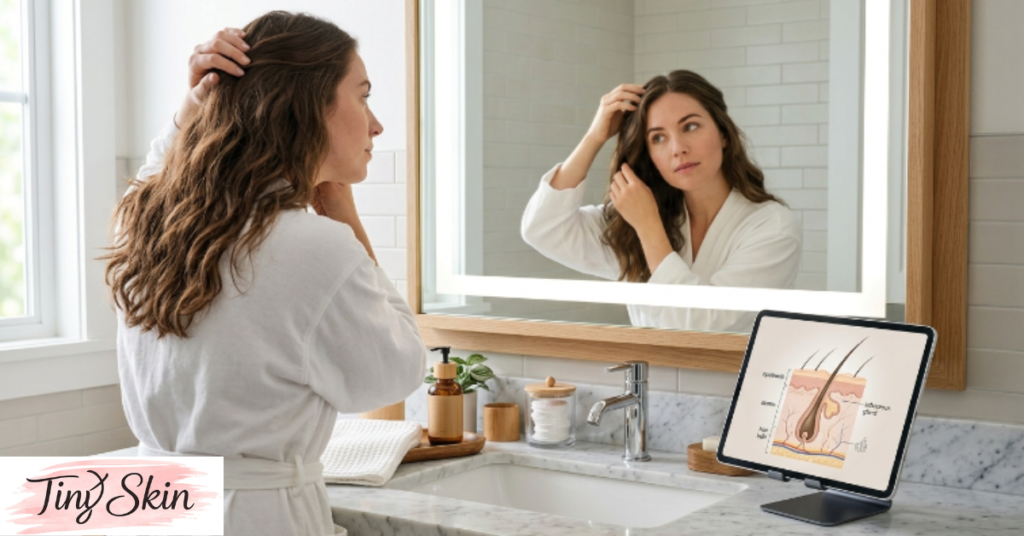
Your scalp has its own ecosystem. It produces sebum, hosts a balance of good and bad bacteria, and maintains a slightly acidic pH that keeps everything functioning smoothly. When you shampoo every day, especially with harsher, sulfate-heavy formulas, you disrupt that balance.
Overproduction of Oil
Here’s something that surprises a lot of people: washing your hair daily can actually make it oilier over time. When you strip away natural oils constantly, your sebaceous glands often respond by producing even more oil to compensate. It becomes a cycle — you wash because your hair feels greasy, and the washing itself trains your scalp to produce more grease. In reality, breaking that cycle usually means washing less, not more.
Dryness, Flaking, and Irritation
On the flip side, some people experience the opposite problem — daily shampooing leaves their scalp tight, itchy, and flaky. This is especially common with color-treated hair, curly or coily textures, or anyone using medicated or clarifying shampoos too frequently. Stripped of its natural moisture, the scalp can start to look like it has dandruff when really it’s just dehydrated.
Weakened Hair Strands
Frequent washing, combined with the friction of shampooing and towel-drying, can weaken the hair shaft over time. This shows up as increased breakage, split ends, and hair that feels rougher or more brittle than it used to.
Who Actually Needs to Shampoo Every Day?
Not everyone should avoid daily washing — some people genuinely benefit from it. Let’s talk about who falls into this category.
People With Naturally Oily Scalps
Some scalps just produce more sebum than others, often due to genetics or hormonal factors. If your hair looks greasy by midday no matter what you do, daily or near-daily washing with a gentle formula might actually be your best option.
Active Individuals and Frequent Sweaters
If you’re hitting the gym daily, running in humid weather, or working a physically demanding job, sweat and oil build up fast. Leaving that on your scalp for too long can clog follicles and contribute to breakouts along the hairline — yes, that’s a real thing, and it’s more common than people realize.
People Living in Very Humid or Polluted Environments
Environmental factors matter more than people give them credit for. If you live somewhere hot and humid, or in a city with high pollution levels, your hair and scalp accumulate grime faster, which can justify more frequent washing.
Signs You’re Washing Your Hair Too Often
Not sure if daily shampooing is working against you? Watch for these signs:
- Your hair feels dry or straw-like despite using conditioner
- Your scalp feels tight or itchy shortly after washing
- You’re noticing more strands in your brush than usual
- Your color-treated hair is fading faster than expected
- Your scalp feels oily again just hours after washing
If a few of these sound familiar, it might be time to stretch out the days between washes — even if it feels uncomfortable at first.
Signs You’re Not Washing Often Enough
On the other end of the spectrum, under-washing has its own red flags:
- Persistent itchiness or visible flaking
- A noticeable odor by the end of the day
- Hair that looks limp, greasy, or “stuck together”
- Breakouts or irritation along your hairline or forehead
If this is you, don’t be afraid to increase your washing frequency slightly. There’s no medal for going the longest without shampoo — the goal is a healthy scalp, not bragging rights.
How Often Should You Really Wash Your Hair?
First things first — there’s no universal number that works for everyone. But here’s a general framework dermatologists and hair specialists commonly recommend, based on hair type:
| Hair Type | Suggested Washing Frequency |
|---|---|
| Straight, fine hair | Every 1–2 days |
| Wavy hair | Every 2–3 days |
| Curly hair | Every 3–5 days |
| Coily or very textured hair | Once a week, or every 7–9 days |
| Oily scalp (any texture) | Daily or every other day |
This isn’t a rigid rulebook — think of it as a starting point. Pay attention to how your scalp and strands actually feel and adjust from there. In reality, your own body is the best guide once you know what signals to look for.
Home Remedies and Practical Tips for a Healthier Wash Routine
You don’t need a complete overhaul to fix a shampoo routine that isn’t working for you. Small, consistent changes go a long way.
Try Dry Shampoo Between Washes
Dry shampoo isn’t just a quick fix — used correctly, it can genuinely help you stretch time between washes by absorbing excess oil at the roots. Apply it at night before bed so it has time to absorb oil while you sleep, then brush it out in the morning.
Rinse With Water on “Off” Days
If your hair feels a little flat but doesn’t need a full wash, a quick rinse with just water (co-washing, minus the conditioner if you prefer) can refresh your scalp without stripping natural oils.
Massage Your Scalp Daily
A gentle scalp massage — even without water — helps distribute natural oils from roots to ends, which reduces the “oily roots, dry ends” problem so many people deal with. It also improves circulation, which some studies suggest may support healthier hair growth over time.
Switch to a Sulfate-Free Formula
If you do need to wash more frequently due to your hair type or lifestyle, choose a gentle, sulfate-free shampoo. These formulas cleanse effectively without being as harsh on your scalp’s natural barrier.
Rinse With Lukewarm, Not Hot, Water
Hot water feels great in the moment but strips more oil than necessary and can leave your scalp drier. Lukewarm water gets the job done while being far gentler.
Common Mistakes People Make With Shampoo Frequency
Let’s talk about a few habits that quietly sabotage healthy hair.
Mistake 1: Using the wrong shampoo for your hair type. A clarifying shampoo meant for weekly deep cleansing shouldn’t be your daily go-to — it’s too harsh for frequent use.
Mistake 2: Piling on too much product. More shampoo doesn’t mean cleaner hair. A coin-sized amount is usually enough; overdoing it just means more product to rinse out, which can lead to residue buildup.
Mistake 3: Skipping conditioner on wash days. Conditioner isn’t optional — it helps replace some of the moisture shampoo removes, especially important if you’re washing frequently.
Mistake 4: Ignoring your scalp’s actual signals. Sticking to a rigid schedule (“I always wash on Mondays and Thursdays”) regardless of how your scalp actually feels is a common trap. Your hair’s needs can shift with the seasons, stress levels, and even your menstrual cycle.
Mistake 5: Assuming daily shampooing is inherently “cleaner” or healthier. Clean doesn’t always mean better — over-cleansing can create more problems than it solves.
Expert Tips for Transitioning Away From Daily Washing
If you currently shampoo every day and want to cut back, don’t go cold turkey — your scalp needs time to adjust.
- Stretch gradually. Move from daily washing to every other day for two to three weeks before pushing further.
- Expect a “greasy phase.” Your scalp may overproduce oil for the first week or two as it recalibrates. This is temporary — push through it rather than reverting back.
- Use dry shampoo strategically during the transition period to manage oil without resetting your scalp’s adjustment.
- Be patient. It typically takes three to four weeks for sebum production to normalize after changing your washing habits.
Here’s the thing — this transition period is where most people give up. Sticking with it for even one more week often makes the biggest difference.
Should You Use Shampoo Every Day If You Have a Sensitive Scalp?
If you deal with a sensitive scalp — think redness, itching, or a tendency toward conditions like seborrheic dermatitis or eczema — daily shampooing with harsh formulas can aggravate symptoms further. In these cases, gentler, fragrance-free formulas used two to three times a week tend to work better, though this varies from person to person. If you’re dealing with a persistent scalp condition, it’s worth consulting a dermatologist rather than guessing your way through different products.
Frequently Asked Questions
Is it bad to shampoo your hair every day?
Not necessarily bad, but for most hair types it’s unnecessary and can lead to dryness or an oilier scalp over time. It really depends on your hair type, scalp condition, and lifestyle.
Can washing your hair too often cause hair loss?
Shampooing itself doesn’t directly cause hair loss, but excessive washing combined with rough handling can increase breakage, which may look like hair loss. If you’re noticing significant shedding, it’s worth speaking with a dermatologist to rule out other causes.
How long can you go without washing your hair?
This depends on hair type and scalp condition. Some people comfortably go a week or more between washes, particularly those with curly or coily hair, while others need to wash every one to two days.
Does dry shampoo count as washing your hair?
No — dry shampoo absorbs oil temporarily but doesn’t cleanse the scalp the way water and shampoo do. It’s a helpful tool between washes, not a replacement for actual washing.
Should you use shampoo every day if you work out often?
If you sweat heavily, rinsing your scalp after workouts helps, but you don’t necessarily need a full shampoo session every time — sometimes a quick water rinse is enough, alternating with shampoo every other day.
What happens if you stop washing your hair every day?
Your scalp typically goes through an adjustment period, often a few weeks, where oil production may temporarily increase before it balances out. Most people find their hair actually looks and feels healthier once they get past this phase.
Final Thoughts
So, should you use shampoo every day? For the majority of people, the answer leans toward no — your scalp likely does better with a bit more breathing room between washes. But this isn’t a rule set in stone. Oily scalps, active lifestyles, and certain environmental factors can genuinely justify more frequent washing, and that’s perfectly okay too.
The real takeaway here is to stop following a rigid schedule and start paying attention to what your hair and scalp are actually telling you. Try adjusting your routine gradually, pick a gentle formula suited to your hair type, and give your scalp a few weeks to adapt before judging the results. And if you’re dealing with ongoing scalp irritation, unusual shedding, or a condition that doesn’t improve with these changes, don’t hesitate to consult a dermatologist — they can help you pinpoint what’s really going on. Your healthiest hair is usually just a routine tweak away.

