
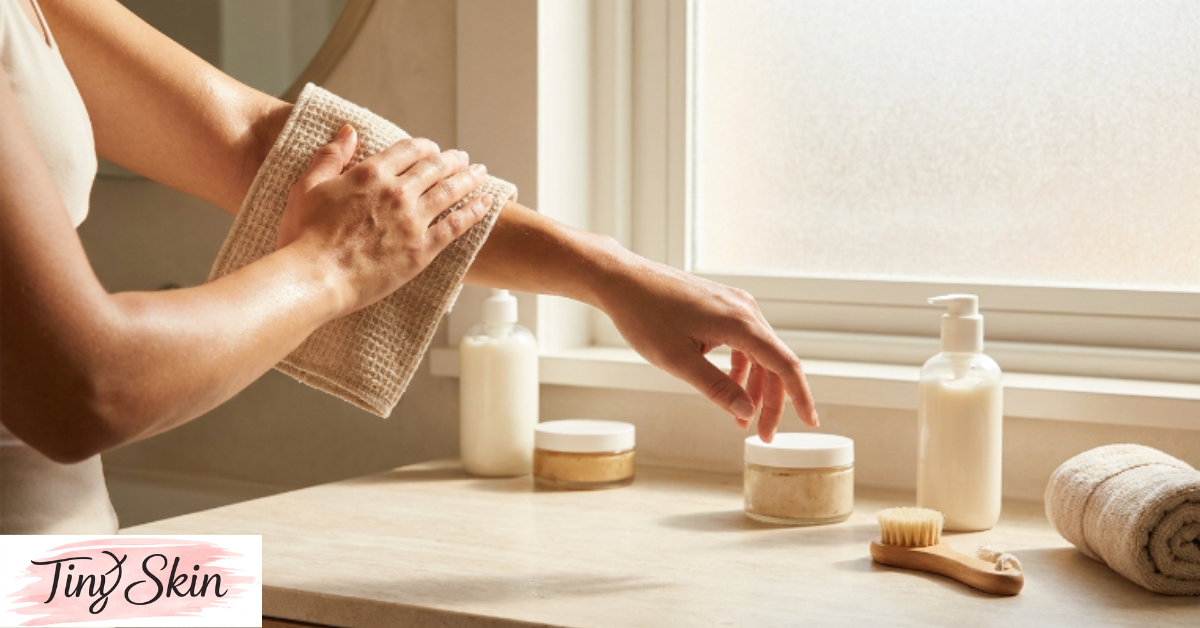

If you’ve ever caught a glimpse of your arms or legs in the mirror and noticed patches of dull, flaky, or ashy-looking skin, you’re not alone. Most of us deal with this at some point — especially when the seasons change or after a hot shower strips away too much moisture. Learning how to remove dead skin from body areas properly can transform how your skin looks and feels, but there’s a right way and a wrong way to go about it.
Here’s the thing — dead skin cell buildup isn’t just a cosmetic annoyance. It can clog pores, trap bacteria, make your moisturizer less effective, and even lead to breakouts on the chest, back, or shoulders. Sound familiar? If you’ve been slathering on lotion only to watch it sit on top of your skin instead of sinking in, dead skin buildup is probably the culprit.
In this guide, I’ll walk you through everything I’ve learned over a decade of writing about skincare — from gentle exfoliation techniques to the mistakes that quietly damage your skin barrier. By the end, you’ll know exactly how to remove dead skin from body areas safely, plus how to keep it from piling up again.
Why Dead Skin Builds Up On Your Body In The First Place
Your skin is constantly renewing itself. New cells form in the deeper layers and slowly migrate to the surface, where the older ones eventually flake off. This process — called desquamation, if you want the technical term — typically takes about 28 to 40 days in younger adults, but it slows down significantly as we age.
That’s actually the root of the problem for a lot of people. As we get older, this natural shedding process becomes sluggish. Dead cells don’t fall away on their own the way they used to, so they sit on the surface and accumulate. This is why your grandmother’s skin might look different in texture than your teenage niece’s — it’s not just about moisture, it’s about turnover rate.
A few other factors speed up this buildup:
- Dry climates or winter weather that reduce natural oil production
- Hard water, which leaves mineral residue on skin
- Hot showers, which strip natural oils and paradoxically leave skin drier
- Not moisturizing regularly, which allows dead cells to compact and harden
- Certain skin conditions like eczema or keratosis pilaris, which cause visible rough patches
Once you understand why this happens, it becomes a lot easier to tackle the issue at the source instead of just treating the symptoms.
Signs You Actually Have Dead Skin Buildup
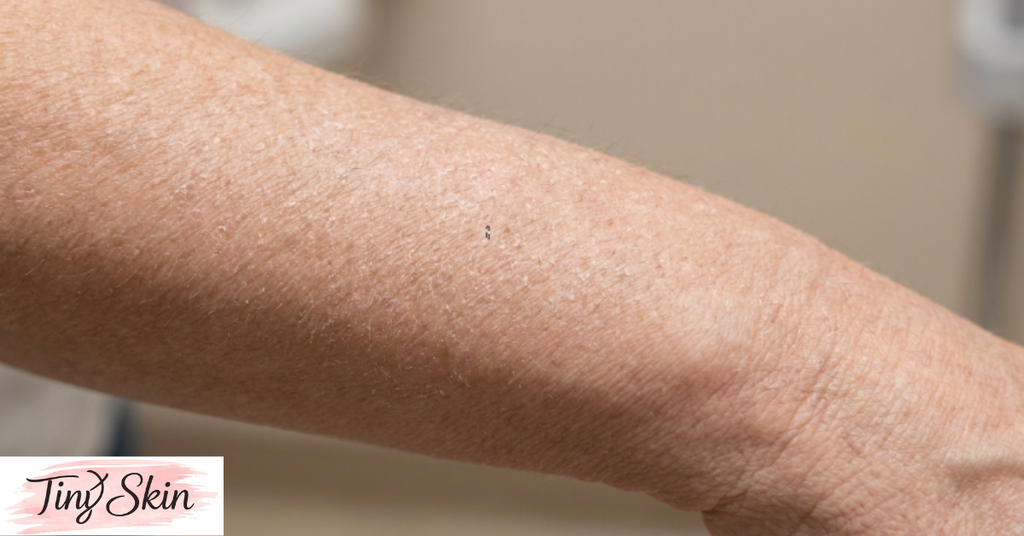
Before jumping into removal methods, it helps to confirm what you’re actually dealing with. Not every rough patch is dead skin — sometimes it’s dryness, sometimes it’s a skin condition that needs a dermatologist’s attention.
Common signs of dead skin accumulation include:
- Ashy or gray-toned patches, especially noticeable on darker skin tones
- Rough, sandpaper-like texture on elbows, knees, or heels
- Flaking that increases after showering or towel-drying
- Skin that looks dull even right after moisturizing
- Small bumps that feel like tiny grains under the skin (often on the back of the arms)
If your skin is cracked, bleeding, severely inflamed, or intensely itchy, that’s a different story — please don’t self-treat with harsh scrubs. That’s a sign to see a dermatologist rather than reach for a loofah.
How To Remove Dead Skin From Body: The Method That Actually Works
Alright, let’s get into the practical part. There isn’t just one way to do this — and honestly, using a combination of methods tends to work better than relying on a single product or technique.
Start With Physical Exfoliation
Physical exfoliants use texture to manually slough off dead cells. This includes body scrubs, exfoliating gloves, dry brushes, and konjac sponges.
A simple, effective routine looks like this:
- Wet your skin thoroughly in a warm (not hot) shower for about two minutes to soften dead skin cells.
- Apply a gentle scrub in small circular motions, focusing on rough areas like elbows, knees, and heels.
- Rinse thoroughly and pat — don’t rub — dry.
- Apply moisturizer within three minutes while skin is still slightly damp.
This is a mistake a lot of people make: scrubbing too hard, thinking more pressure equals better results. In reality, it just causes micro-tears and irritation. Let the product do the work — your hands should apply light, consistent pressure, nothing more.
Try Chemical Exfoliation For Deeper Results
If physical scrubbing hasn’t given you the smooth results you’re after, chemical exfoliants might be your answer. These use acids to dissolve the “glue” holding dead cells together, rather than manually scraping them off.
The main types to know:
- AHAs (glycolic acid, lactic acid) — best for dry or dull skin, they work on the surface
- BHAs (salicylic acid) — better for body acne or clogged pores since they penetrate oil
- PHAs (gluconolactone) — gentler option, good for sensitive skin
Body lotions and washes with 5-10% glycolic or lactic acid tend to work well when used two to three times a week. [internal link opportunity here — link to a guide on AHA vs BHA for body skin]
Don’t Skip Manual Tools
Dry brushing has become popular for a reason. Using a natural-bristle brush on completely dry skin before showering helps lift dead cells and can improve circulation. Brush in gentle, upward strokes toward the heart, then shower immediately after to rinse away the debris.
Konjac sponges are another underrated option — they’re softer than most loofahs, making them suitable for sensitive skin or anyone recovering from over-exfoliation.
Home Remedies That Genuinely Help
Not everyone wants to buy a cabinet full of products, and that’s fair. A few kitchen-based remedies actually hold up:
Sugar and olive oil scrub — Mix equal parts sugar and olive oil for a simple, effective body scrub. The sugar granules physically exfoliate while the oil prevents excessive dryness afterward.
Oatmeal soak — Ground oatmeal added to a warm bath helps soften dead skin gently, making it a good option for sensitive or eczema-prone skin.
Baking soda paste — Mixed with water into a paste, this can help with rough patches, though it should be used sparingly since it can disrupt skin’s natural pH if overused.
These aren’t miracle cures, but they’re genuinely useful, low-cost starting points — especially if you’re new to exfoliation and want to test your skin’s tolerance first.
Best Products For Removing Dead Skin From Body
When shopping for products designed for how to remove dead skin from body areas effectively, look for these ingredient categories:
| Product Type | Best For | Frequency |
|---|---|---|
| Exfoliating body wash (glycolic/lactic acid) | Overall dullness | Daily to 3x/week |
| Body scrub with jojoba beads or sugar | Rough patches | 1-2x/week |
| Chemical exfoliating lotion | Keratosis pilaris, bumpy skin | 3-4x/week |
| Exfoliating gloves | Deep manual buildup | 1-2x/week |
| Dry brush | Circulation + light exfoliation | 2-3x/week |
Avoid products with large, jagged exfoliating particles like crushed walnut shells for body use if you have sensitive or thin skin — they can cause micro-tears that aren’t always visible but still damage the skin barrier over time.
Dos And Don’ts For Safe Exfoliation
Do:
- Moisturize immediately after exfoliating
- Patch test new chemical exfoliants on a small area first
- Exfoliate in the evening if using acids, since some increase sun sensitivity
- Apply SPF the next morning without fail
Don’t:
- Exfoliate broken, sunburned, or actively irritated skin
- Combine multiple strong exfoliants in the same routine (like a scrub plus a high-percentage acid)
- Exfoliate more than the recommended frequency thinking it’ll speed up results
- Use the same intensity on your face as your body — body skin is generally thicker and can tolerate slightly more, but that doesn’t mean “go extreme”
Common Mistakes That Make Dead Skin Buildup Worse
I’ve seen this pattern repeatedly over the years: people notice dry, flaky skin, so they exfoliate aggressively every single day thinking it’ll fix things faster. It backfires almost every time.
Over-exfoliation strips the skin’s protective barrier, which then triggers more dryness, more flaking, and sometimes even breakouts as the skin tries to compensate by producing excess oil. It becomes a frustrating cycle that’s genuinely hard to break without stepping back and letting the skin recover.
Another common mistake? Skipping moisturizer after exfoliating because the skin “already feels smooth.” That smoothness is temporary — without replenishing moisture, you’re setting yourself up for the same buildup to return within days.
And one more thing worth mentioning: hot showers. I get it, they feel amazing, especially in colder months. But scalding water breaks down the lipid barrier that keeps moisture locked in, which ironically makes dead skin accumulate faster. Lukewarm water is genuinely the better choice here, even if it’s less satisfying in the moment.
How To Prevent Dead Skin From Building Up Again
Once you’ve gotten your skin to a good place, maintenance is honestly the easier part. A few habits go a long way:
- Moisturize daily, not just after showering — twice a day if your skin runs dry
- Use a humidifier during dry winter months
- Stay hydrated — it sounds basic, but it genuinely affects skin texture over time
- Choose fragrance-free, gentle body washes to avoid triggering irritation that leads to flaking
- Reassess your routine seasonally since skin needs change with humidity and temperature
[internal link opportunity here — link to a seasonal skincare routine guide]
Consistency matters more than intensity. A gentle exfoliation routine done regularly beats an aggressive one done sporadically, every time.
When To See A Dermatologist
Most dead skin buildup responds well to home care, but there are times when professional help is genuinely necessary. If you’re dealing with persistent scaling, patches that don’t improve after a few weeks of consistent care, unusual discoloration, or skin that’s painful rather than just rough, it’s worth booking a dermatology appointment.
Conditions like psoriasis, severe eczema, or fungal infections can sometimes mimic simple dead skin buildup but require targeted treatment that over-the-counter scrubs won’t fix. [internal link opportunity here — link to an article on identifying skin conditions vs. normal dryness] A dermatologist can also recommend prescription-strength exfoliants like tretinoin or stronger acid concentrations if your case calls for it.
Frequently Asked Questions
How often should I exfoliate my body to remove dead skin?
For most skin types, two to three times a week is the sweet spot. Sensitive skin may only need once a week, while oilier or thicker skin (like on elbows and knees) can sometimes handle more frequent treatment.
What’s the fastest way to remove dead skin from body areas before an event?
A warm shower followed by a gentle physical scrub, then a rich moisturizer, gives the quickest visible improvement. Avoid trying a new chemical exfoliant right before an event in case of irritation.
Can I exfoliate every day?
Daily exfoliation is generally not recommended for most people, as it can weaken the skin barrier. Some very mild chemical exfoliants in low concentrations are designed for daily use, but check the product label first.
Why does my skin still look dull after exfoliating?
This usually means dehydration rather than dead skin. Exfoliation removes surface buildup, but if you’re not following up with adequate moisture, skin can still look flat and dull.
Is dry brushing better than a scrub for removing dead skin?
They serve slightly different purposes. Dry brushing is gentler and better for sensitive skin or daily light maintenance, while scrubs provide a deeper, more immediate exfoliation.
Does drinking more water help remove dead skin?
Hydration supports overall skin health and can improve texture over time, but it won’t replace the need for actual exfoliation. Think of it as supporting the process rather than replacing it.
Final Thoughts
Dead skin buildup is one of those things that feels minor until it starts affecting how your moisturizer absorbs, how your skin tone looks, or how confident you feel in a tank top or shorts. The good news is that fixing it doesn’t require anything drastic — just a consistent, gentle approach that respects your skin’s natural barrier.
Whether you go the physical route, try a chemical exfoliant, or mix in a few home remedies, the key is patience and consistency over intensity. Start slow, watch how your skin responds, and adjust from there. Give it two to three weeks of steady care, and you should notice smoother, more even-toned skin. And if anything feels off along the way, don’t hesitate to check in with a dermatologist — they’d rather help early than treat a bigger issue later.

