
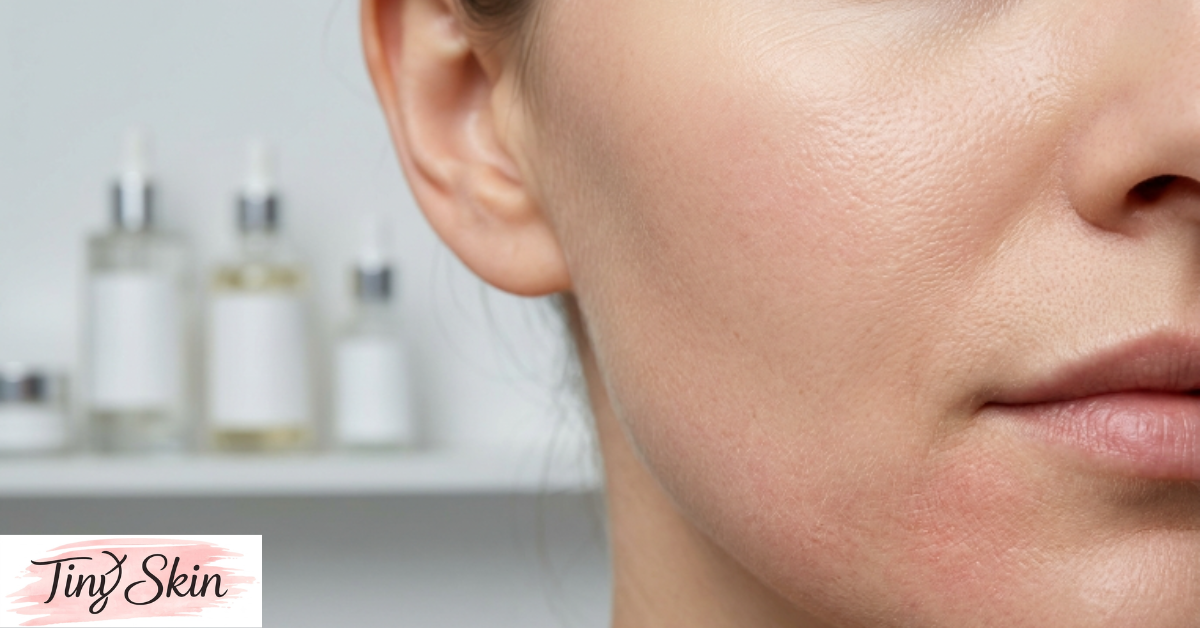

If your skin has been feeling tight, itchy, or randomly irritated lately — even from products you’ve used for years — there’s a good chance your skin barrier is the culprit. Skin barrier repair isn’t just a buzzword dermatologists throw around anymore; it’s often the actual missing piece when your routine stops working the way it used to.
Maybe you’ve been layering on serums and moisturizers and getting… nothing. Or worse, more redness. Sound familiar? That’s usually a sign of a compromised barrier, and piling on more products isn’t going to fix it. In fact, it might be making things worse.
Here’s the thing — your skin barrier is the reason your face can handle wind, pollution, hot showers, and that new retinol you got excited about. When it’s damaged, everything gets harder. Products sting. Skin feels dry no matter how much you moisturize. Breakouts show up out of nowhere.
In this guide, we’ll walk through what actually causes barrier damage, how to spot it, and — most importantly — exactly how to fix it. No fluff, just what works.
What Is the Skin Barrier, Really?
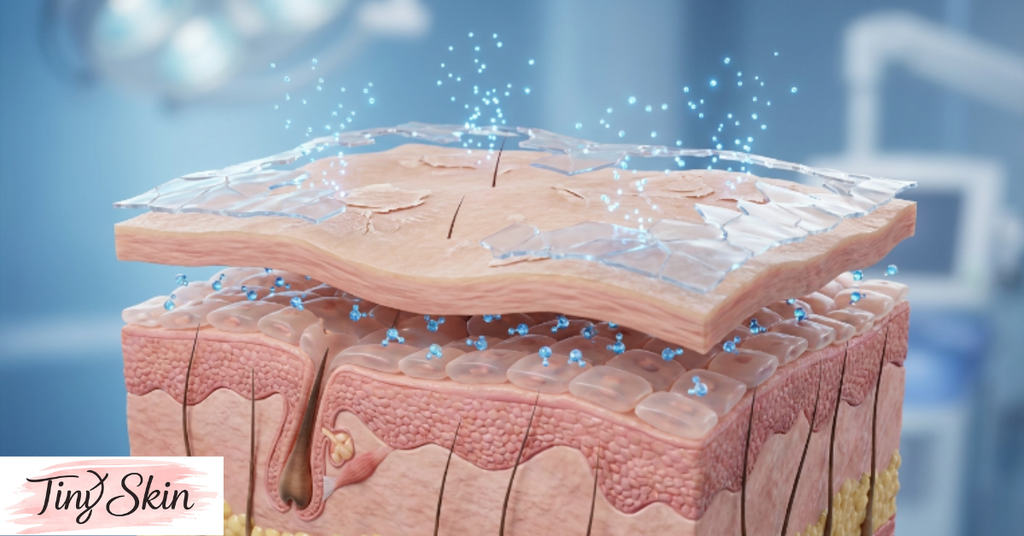
Think of your skin barrier — sometimes called the acid mantle or stratum corneum — as the outermost layer of your skin, and also its bodyguard. It’s made up of skin cells (corneocytes) held together by lipids, kind of like bricks and mortar. The “bricks” are your skin cells, and the “mortar” is a mix of ceramides, cholesterol, and fatty acids.
This structure does two jobs at once: it keeps moisture in, and it keeps irritants, bacteria, and environmental junk out. When that mortar breaks down — from over-exfoliation, harsh weather, or aggressive products — everything the barrier was protecting you from suddenly gets in. And everything it was holding onto (like hydration) starts leaking out.
That’s the whole story behind skin barrier repair. You’re not fixing a symptom. You’re rebuilding a structure.
Common Signs Your Skin Barrier Is Damaged
A lot of people don’t realize their barrier is compromised until they’ve been dealing with it for weeks. Here’s what to look for:
- Persistent tightness, even right after moisturizing
- Stinging or burning when you apply products that never used to bother you
- Flaky, rough texture that doesn’t respond to exfoliation (and actually gets worse with it)
- Redness or blotchy patches, especially around the cheeks and nose
- Breakouts that seem random, not tied to your usual triggers
- Dullness — skin looks tired even when you’re not
If two or three of these sound like you right now, your skin is probably asking for a break, not another active ingredient.
What Causes a Damaged Skin Barrier in the First Place?
This is where most people get surprised. It’s rarely one big thing — it’s usually a combination of small habits that add up.
Over-Exfoliation
This is a mistake a lot of people make, especially once they get into the “actives” side of skincare. Chemical exfoliants like AHAs and BHAs are great in moderation. But using a glycolic acid toner, a retinol, and a physical scrub all in the same week? That’s a fast track to barrier damage. Your skin needs time to rebuild between actives, not constant chemical exposure.
Hot Showers and Harsh Cleansers
Hot water feels amazing, especially in winter, but it strips natural oils fast. Pair that with a foaming, sulfate-heavy cleanser, and you’re basically degreasing your face like a dirty pan. Your skin isn’t meant to feel “squeaky clean” — that squeak is your barrier crying for help.
Environmental Stressors
Wind, pollution, dry indoor heating, and sun exposure all chip away at the lipid layer over time. This is especially true if you live somewhere with big seasonal shifts — go from humid summer to dry winter without adjusting your routine, and your skin often pays for it.
Stress and Lack of Sleep
Not what you wanted to hear, probably, but it’s true. Cortisol affects lipid production in the skin. Chronic stress and poor sleep genuinely make it harder for your barrier to repair itself, even with a great routine.
Too Many Products, Too Fast
Layering five new products at once makes it nearly impossible to identify what’s helping and what’s hurting. In reality, your skin often just needs fewer, gentler products — not more of them.
The Skin Barrier Repair Routine That Actually Works
Alright, let’s get into the part you’re really here for. This is a simple, no-nonsense approach to skin barrier repair that dermatologists commonly recommend.
Step 1: Strip Your Routine Down
First things first — stop everything except a gentle cleanser and moisturizer. I know that feels counterintuitive when you want to “fix” things fast, but simplifying is the fix. Skip retinol, exfoliating acids, vitamin C, and anything with fragrance for at least a week, sometimes two.
Step 2: Switch to a Gentle, Non-Foaming Cleanser
Look for cream or gel cleansers labeled “gentle” or “hydrating,” without sulfates. Your face shouldn’t feel tight after washing it. If it does, that cleanser isn’t doing your barrier any favors.
[internal link opportunity here]
Step 3: Load Up on Ceramides
Ceramides are non-negotiable for skin barrier repair. They’re literally the “mortar” your barrier is missing. Look for moisturizers with ceramides NP, AP, or EOP listed — these mimic what your skin naturally produces.
Step 4: Add Humectants Without Overdoing It
Hyaluronic acid and glycerin pull moisture into the skin, which helps, but only if you seal it in afterward with a proper moisturizer. Using a humectant alone in a dry room can actually pull moisture out of your skin instead of in — so always follow up with an occlusive.
Step 5: Seal Everything With an Occlusive
This is where a lot of people fall short. Occlusives like squalane, petrolatum, or shea butter lock in hydration and give your barrier a physical shield while it heals. If your skin has been really compromised, don’t be afraid of a slightly heavier moisturizer for a few weeks. This isn’t the time to chase lightweight, “no-shine” formulas.
Ingredients to Look For (and Ones to Avoid)
Ingredients That Support Skin Barrier Repair
- Ceramides — rebuild the lipid matrix directly
- Niacinamide — supports barrier function and calms redness (start low, around 4-5%, if your skin is very reactive)
- Panthenol (Pro-Vitamin B5) — soothing and hydrating
- Squalane — lightweight but deeply nourishing
- Centella Asiatica (Cica) — calming, often used in Korean skincare for barrier support
- Oat extract — anti-inflammatory and gentle
Ingredients to Pause While Healing
- Retinoids (retinol, tretinoin)
- AHAs/BHAs (glycolic, salicylic, lactic acid)
- Vitamin C, especially high-strength L-ascorbic acid
- Fragranced products, including “natural” essential oils
- Physical scrubs or exfoliating tools
This doesn’t mean these ingredients are bad — they’re just not appropriate during active repair. Think of it like resting a sprained ankle. You’re not avoiding movement forever, just until it’s stable enough to handle stress again.
Dos and Don’ts for Faster Recovery
Do:
- Simplify your routine to the essentials
- Use lukewarm water, not hot, when washing your face
- Apply moisturizer to slightly damp skin to boost absorption
- Wear SPF daily — damaged skin is more vulnerable to UV damage
- Be patient; barrier repair typically takes 2 to 4 weeks
Don’t:
- Introduce new actives while your skin is still healing
- Exfoliate “just to see” if your skin can handle it
- Assume more product equals faster results
- Ignore ingredients hiding in your sunscreen or makeup (alcohol, fragrance)
- Pick at flaky skin — let it shed naturally
How Long Does Skin Barrier Repair Actually Take?
This is probably the question I get asked the most, and honestly, the answer depends on how damaged your barrier is. Mild cases — a few days of tightness or minor sensitivity — can bounce back in about a week with the right approach. More significant damage, especially from long-term over-exfoliation or a harsh skincare “routine gone wrong,” can take three to six weeks to fully stabilize.
The frustrating part is that skin barrier repair isn’t linear. You might feel great for two days, then have a rough patch again. That’s normal. It doesn’t mean you’re doing something wrong — it just means your skin is still recalibrating.
[internal link opportunity here]
Lifestyle Factors That Support Barrier Health
Skincare products only do part of the job. What’s going on inside your body matters just as much.
Diet and Hydration
Omega-3 fatty acids (found in fish, walnuts, flaxseed) support the skin’s lipid production from the inside out. Staying hydrated matters too, though it’s not a magic fix on its own — your skin needs both internal and external moisture support to actually hold onto hydration.
Sleep
Your skin does a lot of its repair work overnight. Consistently poor sleep can slow down how quickly your barrier recovers, no matter how good your product lineup is.
Managing Stress
This one’s harder to control, obviously, but even small changes — a short walk, less screen time before bed, actual breaks during the day — can reduce the cortisol spikes that interfere with skin repair.
When to See a Dermatologist
Most mild to moderate barrier damage can be managed at home with the steps above. That said, if you’re dealing with persistent redness, painful cracking, signs of infection, or a rash that doesn’t improve after a few weeks of simplifying your routine, it’s time to check in with a dermatologist. Conditions like eczema, rosacea, or perioral dermatitis can look similar to basic barrier damage but need targeted treatment. When in doubt, get it looked at — self-diagnosing skin issues from the internet only gets you so far.
[internal link opportunity here]
Frequently Asked Questions
How do I know if my skin barrier is damaged or if I just have dry skin?
Dry skin usually responds well to moisturizer alone. A damaged barrier tends to sting or react even to products that used to feel fine, and often comes with redness or a rough, compromised texture that doesn’t improve with hydration alone.
Can skin barrier repair happen overnight?
Not realistically. Mild irritation might calm down in a day or two, but true skin barrier repair — rebuilding the lipid layer — takes at least one to two weeks, sometimes longer depending on the extent of damage.
Is niacinamide good for skin barrier repair?
Yes, niacinamide is one of the more well-studied ingredients for supporting barrier function. It helps reduce water loss and calm inflammation, though very high concentrations can irritate sensitive, already-compromised skin — so start gentle.
Should I stop using retinol completely if my barrier is damaged?
You don’t need to quit forever — just pause it while your skin heals, typically one to two weeks, then reintroduce slowly once symptoms improve.
Can a damaged skin barrier cause acne?
Yes, actually. When the barrier is compromised, bacteria and irritants penetrate more easily, and inflammation increases, which can trigger breakouts that seem unrelated to your usual acne pattern.
What moisturizer is best for skin barrier repair?
Look for one with ceramides, fatty acids, and cholesterol in a ratio that mimics your skin’s natural lipids, plus soothing ingredients like panthenol or centella asiatica. Texture-wise, richer creams tend to work better than gels during active repair.
Final Thoughts
Skin barrier repair really comes down to one core idea: less is more, at least temporarily. It’s tempting to throw more products at irritated skin, but what your barrier actually needs is space to rebuild — simple, ceramide-rich formulas, patience, and a break from anything harsh or new.
Give it a few weeks. Pay attention to how your skin responds. And if things don’t improve, don’t hesitate to loop in a dermatologist who can rule out anything more complex. Your skin’s resilience really does come back — it just needs the right conditions to get there.

