
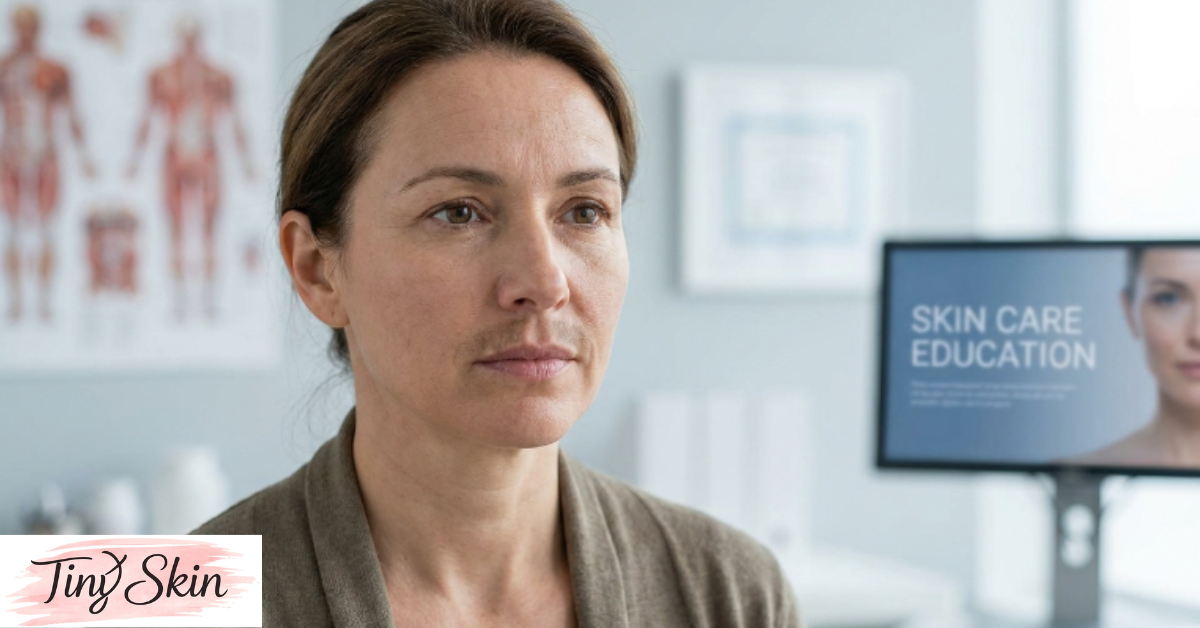

If you’ve been staring at the mirror trying to figure out why you suddenly have a shadowy patch above your upper lip that looks suspiciously like a mustache — you’re not imagining things, and you’re definitely not alone. Melasma mustache, sometimes called the “melasma moustache” or simply upper lip melasma, is one of the more frustrating forms of facial pigmentation, mostly because it shows up right in the center of your face where everyone (including you) notices it first.
Here’s the thing — this isn’t dirt, it’s not “just tanning,” and scrubbing it won’t fix it. It’s a form of hyperpigmentation that’s more common than most people realize, especially among women with darker skin tones, those who’ve been pregnant, or anyone who spends a good chunk of time in the sun without protection.
In this article, I’m going to walk you through exactly what causes melasma mustache, how to tell it apart from other types of discoloration, what actually helps fade it, and — just as importantly — what mistakes to avoid so you’re not wasting money or making it worse. Let’s get into it.
What Is Melasma Mustache, Exactly?
Melasma mustache refers to melasma that develops specifically on the upper lip area, creating a brownish or grayish-brown discoloration that mimics the shape of a mustache. Melasma itself is a chronic skin condition where melanocytes (the cells responsible for pigment) go into overdrive and produce excess melanin in certain areas of the skin.
Unlike a sunburn or a temporary tan, melasma tends to stick around. It can fade somewhat in winter and darken again in summer, almost like it has its own seasonal rhythm tied to sun exposure. And while melasma can appear on the cheeks, forehead, nose, and chin too, the upper lip is one of the most stubborn spots — probably because it’s an area we rarely think to apply sunscreen to.
Dermatologists sometimes refer to this as “melasma of the lip” or note it as part of the broader “mask of pregnancy” pattern (chloasma), since pregnancy hormones are a well-known trigger.
What Causes Melasma Mustache?
Understanding the root cause matters more than most people think, because treating melasma without addressing the trigger is like mopping the floor while the tap’s still running.
Hormonal Changes
This is probably the biggest one. Estrogen and progesterone fluctuations — from pregnancy, birth control pills, hormone replacement therapy, or even certain fertility treatments — can stimulate melanocytes into producing more pigment than usual. That’s why melasma mustache is so common during pregnancy, sometimes appearing in the second or third trimester and lingering long after delivery.
Sun Exposure (UV and Even Visible Light)
Here’s something that surprises a lot of people: it’s not just UV rays. Research shows visible light (yes, the light from your phone screen and indoor lighting too) can trigger melanin production in melasma-prone skin. So even “staying indoors” doesn’t fully protect you if you’re not wearing a broad-spectrum sunscreen.
Genetics
If your mother or grandmother dealt with facial pigmentation, you’re statistically more likely to develop it too. Melasma tends to run in families, particularly among people with medium to deeper skin tones (Fitzpatrick types III–VI).
Heat and Inflammation
This one’s underrated. Excessive heat — from saunas, hot yoga, standing too close to a stove, or even harsh facial treatments — can worsen melasma. Heat triggers a process called thermal erythema, which can further stimulate pigment-producing cells.
Certain Skincare Products and Procedures
Waxing or threading the upper lip repeatedly can cause micro-inflammation, which in melasma-prone skin, often leads to more pigmentation rather than less. This is a mistake a lot of people make — they think removing hair will make the area look “cleaner,” but instead it can darken the skin further over time.
How to Tell Melasma Mustache Apart From Other Upper Lip Discoloration
Sound familiar: you notice a dark patch above your lip and immediately assume the worst, or maybe you brush it off as nothing. Neither reaction is quite right.
Melasma mustache typically has these characteristics:
- Symmetrical patches on both sides of the upper lip
- Brown, tan, or grayish-brown coloring (not red or purple)
- Gradual onset rather than sudden appearance
- Worsens with sun exposure and often flares up in summer
- No itching, pain, or texture change — it’s purely pigmentation
If your discoloration is asymmetrical, raised, itchy, or changing shape rapidly, that’s a signal to see a dermatologist rather than self-treat, since it could be something else entirely — post-inflammatory hyperpigmentation from an ingrown hair, a fungal infection, or in rare cases, something that needs medical evaluation.
Effective Home Remedies for Melasma Mustache
Let’s be honest — not every home remedy on the internet actually works, and melasma is notoriously one of the harder pigmentation issues to treat with kitchen-cabinet ingredients alone. That said, a few gentle approaches can genuinely help support your skin barrier and reduce further darkening.
Aloe Vera Gel
Pure aloe vera has mild skin-soothing and slightly brightening properties. It won’t erase melasma mustache on its own, but applying it can calm inflammation, especially after sun exposure or hair removal.
Licorice Root Extract
This is one ingredient that actually has decent scientific backing. Licorice extract contains glabridin, which can help inhibit tyrosinase — the enzyme responsible for melanin production. You’ll find it in some over-the-counter brightening serums.
Green Tea Compresses
Green tea has antioxidant properties that may help reduce oxidative stress on skin cells. A cooled green tea bag pressed gently on the upper lip a few times a week won’t hurt, though don’t expect dramatic results from this alone.
A word of caution here: skip the lemon juice, baking soda, and apple cider vinegar hacks you might see floating around. These are too acidic or alkaline for facial skin and can actually worsen melasma by causing irritation, which in turn triggers more pigment production. This is genuinely one of the most common mistakes I see people make when they’re trying to DIY their way out of melasma.
Best Ingredients and Products for Treating Melasma Mustache
If home remedies are the gentle first step, targeted skincare ingredients are where real progress usually happens.
Hydroquinone
Still considered a gold-standard ingredient for melasma by many dermatologists, hydroquinone works by inhibiting melanin production. It’s available in lower concentrations over the counter and higher, prescription-strength formulas through a dermatologist. It shouldn’t be used indefinitely, though — most experts recommend cycling on and off to avoid a rare side effect called ochronosis (a paradoxical darkening with long-term overuse).
Azelaic Acid
A gentler alternative, azelaic acid is well-tolerated by most skin types and works well for melasma mustache, particularly for those who find hydroquinone too irritating.
Vitamin C
A solid antioxidant that brightens skin over time and helps protect against free radical damage from UV and pollution — both of which can worsen melasma.
Tranexamic Acid
This one’s been gaining a lot of attention recently, both in topical form and, in some cases, prescribed orally by dermatologists for stubborn melasma. Topical tranexamic acid works by reducing the interaction between melanocytes and skin cells that trigger pigment transfer.
Retinoids
Retinol or prescription tretinoin can help speed up cell turnover, gradually fading pigmented cells and allowing fresher skin to surface. They can be irritating at first, so start slow — a couple of nights a week, then build up gradually.
Sunscreen (Non-Negotiable)
I cannot stress this enough — sunscreen is not optional if you’re treating melasma mustache. In reality, no ingredient above will work well, or work at all, if you’re not applying broad-spectrum SPF 30 or higher every single day, rain or shine, indoors or out. Look for one with iron oxides, since these help block visible light too, not just UV rays.
Professional Treatments Worth Considering
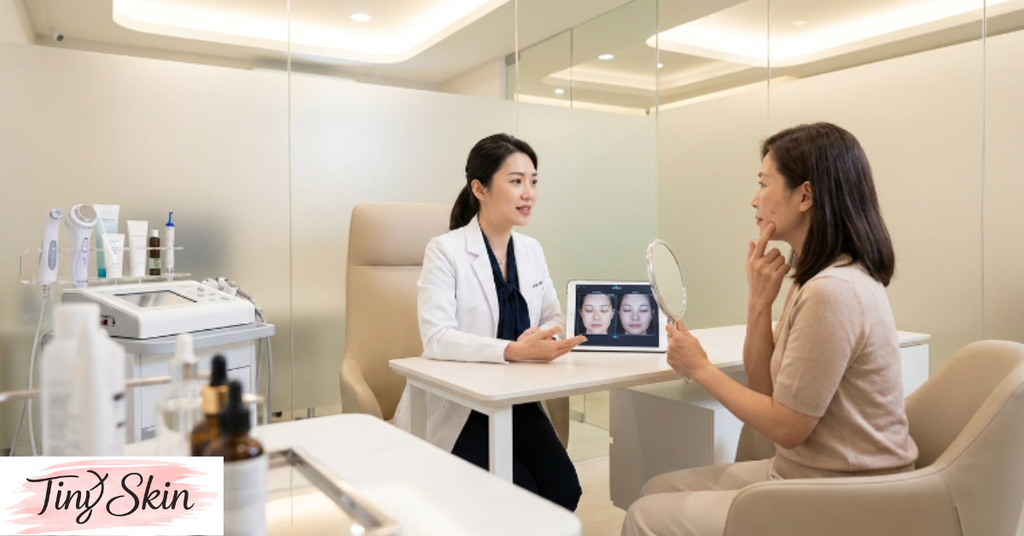
For melasma mustache that isn’t responding to at-home care, dermatology offers several in-office options.
Chemical Peels
Superficial peels using glycolic acid, salicylic acid, or mandelic acid can help exfoliate pigmented skin cells. These need to be done carefully and gradually on melasma-prone skin, though, since aggressive peeling can backfire and worsen pigmentation.
Microneedling
When combined with brightening serums like tranexamic acid, microneedling has shown promising results for some patients, though it needs to be approached cautiously since any inflammation can trigger more melasma.
Laser Treatments
This is where things get tricky. Certain lasers (like aggressive ablative lasers) can actually worsen melasma by triggering inflammation. Q-switched lasers and certain low-fluence laser protocols, done by an experienced provider, tend to be safer options — but this really should only be done under the guidance of a board-certified dermatologist who has specific experience treating melasma in your skin type.
Prescription Combination Creams
Many dermatologists prescribe a “triple combination cream” containing hydroquinone, tretinoin, and a mild steroid. This combo has strong clinical evidence behind it for melasma, though it’s typically used for limited periods under medical supervision.
Dos and Don’ts for Managing Melasma Mustache
Do:
- Wear sunscreen every single day, reapplying every 2 hours if you’re outdoors
- Wear a wide-brimmed hat during peak sun hours (10 a.m. to 4 p.m.)
- Be patient — melasma treatment takes months, not days
- Introduce new active ingredients one at a time
- See a dermatologist if over-the-counter options aren’t working after 8–12 weeks
Don’t:
- Pick, scrub, or over-exfoliate the area
- Use hot wax or aggressive hair removal methods on the upper lip repeatedly
- Skip sunscreen on cloudy days (UV rays penetrate clouds just fine)
- Mix too many active ingredients at once, which can irritate skin and worsen pigmentation
- Expect an overnight fix — anyone promising instant results is probably overselling
Common Mistakes People Make With Melasma Mustache
First things first — one of the biggest mistakes is treating melasma mustache like a regular dark spot or acne scar. It behaves very differently and requires more targeted, consistent care.
Another common one: over-treating it. I’ve seen people layer hydroquinone, retinol, vitamin C, and a chemical peel all in the same week, hoping to speed things up. Instead, this usually causes irritation, which paradoxically darkens melasma further. Less aggressive but more consistent almost always wins here.
And then there’s inconsistent sunscreen use — applying it in summer, forgetting about it in winter, or skipping reapplication throughout the day. Melasma is incredibly sun-reactive, so this one habit alone can undo months of progress.
How Long Does It Take to Fade Melasma Mustache?
This is probably the question I get asked the most, and I wish I had a simpler answer. Realistically, mild cases can show visible improvement within 2 to 3 months of consistent treatment and diligent sun protection. More stubborn or long-standing melasma mustache can take 6 months to a year, and in some cases, it may never fully disappear — just fade to the point where it’s much less noticeable.
That’s not meant to be discouraging. It’s meant to set realistic expectations so you don’t give up after two weeks because you didn’t see a dramatic before-and-after.
Preventing Melasma Mustache From Coming Back
Melasma has a well-earned reputation for being recurrent, especially once your skin has been sensitized to overproduce pigment. Prevention really comes down to a few consistent habits:
- Daily broad-spectrum sunscreen, non-negotiable
- Avoiding excessive heat exposure when possible
- Being mindful of hormonal triggers, and discussing alternatives with your doctor if birth control seems to be worsening things
- Maintaining a gentle, non-irritating skincare routine
- Regular dermatologist check-ins if you have a history of melasma
When to See a Dermatologist
If your melasma mustache is spreading, not responding to consistent at-home care after a few months, or if you’re unsure whether what you’re seeing is actually melasma, it’s worth booking a dermatology appointment. A professional can confirm the diagnosis (sometimes using a Wood’s lamp to assess pigment depth) and recommend a treatment plan tailored to your skin type and triggers.
Frequently Asked Questions
Is melasma mustache permanent?
Not necessarily. With consistent treatment and strict sun protection, melasma mustache often fades significantly, though it can take months. Some cases do remain resistant and may require ongoing maintenance rather than a complete “cure.”
Can melasma mustache go away on its own?
Sometimes, particularly if it was triggered by pregnancy or a temporary medication, it can fade after the trigger resolves. However, sun exposure can easily reactivate it, so proactive care is usually needed.
Does waxing make melasma mustache worse?
It can. Repeated waxing or threading causes inflammation, which can stimulate melanocytes and darken the area further. Consider gentler hair removal methods if you’re prone to melasma.
What deficiency causes melasma?
Melasma isn’t caused by a single nutrient deficiency, though some studies have looked at links to low vitamin D and antioxidant levels. Hormones, sun exposure, and genetics remain the primary drivers.
Can men get melasma mustache?
Yes, though it’s less common and often underdiagnosed in men since it’s more strongly associated with female hormonal changes. Sun exposure and genetics still play a major role for men too.
What’s the fastest way to treat melasma mustache?
There’s no truly “fast” fix, but a dermatologist-guided combination of prescription creams, sun protection, and possibly in-office treatments like chemical peels tends to produce the quickest visible improvement.
Final Thoughts
Melasma mustache can feel like an uphill battle, especially when it sits right in the middle of your face where you see it every single day. But here’s the encouraging part — with the right combination of sun protection, targeted ingredients, and patience, most people do see meaningful improvement over time.
Start with the basics: daily sunscreen, a gentle brightening ingredient like azelaic acid or vitamin C, and cutting out habits that trigger irritation. If things aren’t improving after a couple of months, don’t hesitate to consult a dermatologist who can guide you toward prescription-strength options suited to your skin. Consistency really is the deciding factor here, so give your routine time to work before jumping to the next product.

