
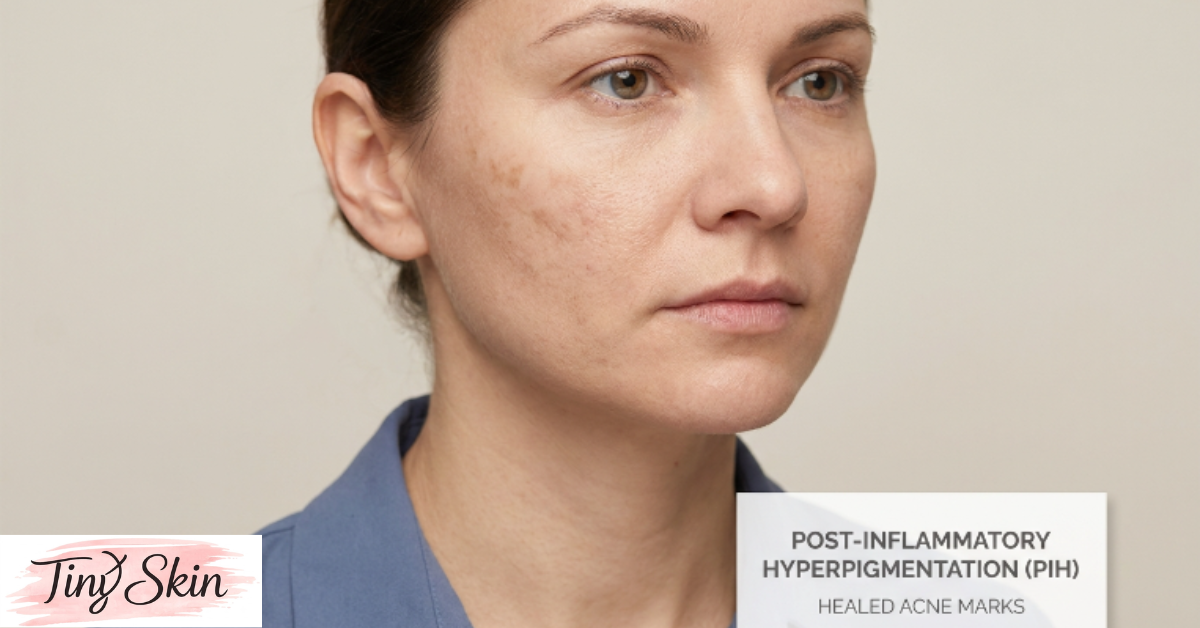

If you’ve been staring at a dark, stubborn mark left behind by a pimple that healed weeks ago, you’re not imagining things — and you’re definitely not alone. Post inflammatory hyperpigmentation is one of the most common skin concerns dermatologists see, yet it’s also one of the most misunderstood. People often confuse it with scarring, panic that it’s permanent, or waste money on products that were never going to help in the first place.
Here’s the good news: post inflammatory hyperpigmentation is treatable, and in most cases, it fades completely with the right approach and a bit of patience. That said, “patience” is the part most people struggle with. We live in a world of overnight fixes and viral 3-day glow-up videos, so when a dark spot doesn’t disappear in a week, it’s easy to assume something’s wrong or that you’re doing it wrong.
In this guide, we’ll walk through exactly what post inflammatory hyperpigmentation is, why it happens, how it’s different from actual scarring, and — most importantly — what actually works to fade it. Think of this as the conversation you’d have with your dermatologist if you had unlimited time in the appointment.
What Is Post Inflammatory Hyperpigmentation, Exactly?
Post inflammatory hyperpigmentation, often shortened to PIH, is the discoloration that shows up on your skin after some kind of inflammation or injury. It’s your skin’s way of “overreacting” during the healing process. When skin gets irritated — from acne, a cut, a burn, eczema, a bug bite, or even aggressive skincare — the cells responsible for producing melanin (your skin’s natural pigment) can go into overdrive in that specific area. The result? A flat, discolored patch that can be pink, red, purple, brown, or even black, depending on your skin tone.
This is different from a scar in one key way: PIH is a pigmentation issue, not a textural one. A scar changes the structure of your skin — it can be raised, pitted, or indented. Post inflammatory hyperpigmentation, on the other hand, is completely flat. It’s just color, sitting in the top layers of skin (or sometimes deeper, which we’ll get into shortly).
This distinction matters a lot when it comes to treatment, so keep it in mind as we go.
Why Does Post Inflammatory Hyperpigmentation Happen?
Melanin production is triggered by inflammation, plain and simple. But not everyone develops the same amount of discoloration from the same injury, and there’s a reason for that.
Skin Tone Plays a Bigger Role Than You’d Think
People with medium to deep skin tones — think Fitzpatrick skin types III through VI — tend to be far more prone to post inflammatory hyperpigmentation than those with fair skin. This is because melanocytes (the pigment-producing cells) in deeper skin tones are more reactive and more numerous in their activity. It’s not fair, but it’s biology. If you’ve noticed that your friend with lighter skin gets a pimple and it’s gone in three days with zero trace, while your skin holds onto the mark for months, this is likely why.
Common Triggers You’ve Probably Experienced
- Acne, especially cystic or inflamed breakouts that you’ve picked at or popped
- Eczema and psoriasis flare-ups
- Insect bites and allergic reactions
- Cuts, burns, or friction injuries
- Aggressive treatments like harsh chemical peels, waxing, or laser treatments done incorrectly
- Sun exposure on already-inflamed or healing skin (this one’s huge, and we’ll come back to it)
Here’s the thing — picking at a pimple is probably the number one cause we see in everyday life. It’s such a satisfying, tempting habit, but it’s also practically guaranteed to leave a mark. This is a mistake a lot of people make without realizing the long-term consequence of that thirty-second decision.
How to Tell Post Inflammatory Hyperpigmentation Apart From Melasma or Scarring
This is where a lot of confusion happens, so let’s clear it up.
PIH vs. Melasma
Melasma shows up as larger, symmetrical, blotchy patches — usually on the cheeks, forehead, or upper lip — and it’s driven by hormones and sun exposure rather than a specific injury. Post inflammatory hyperpigmentation, by contrast, has a clear origin story: it appears exactly where an inflamed spot used to be. If you can point to a specific pimple or cut and say “that’s where this mark came from,” it’s almost certainly PIH.
PIH vs. Acne Scarring
True acne scarring changes the texture of your skin — you’ll feel a dip, a bump, or an indentation when you run your finger over it. Post inflammatory hyperpigmentation is smooth to the touch; it’s purely a color change. Sound familiar? If you’ve been calling your dark marks “scars” this whole time, you might actually be dealing with something far more treatable.
How Long Does Post Inflammatory Hyperpigmentation Take to Fade?
This is probably the question we get asked the most, and the honest answer is: it depends. Superficial PIH, the kind that sits in the epidermis (the outer layer of skin), typically fades within 6 to 12 months on its own, even without treatment. Deeper PIH, which extends into the dermis, can take significantly longer — sometimes years — and often needs professional intervention to fully resolve.
A few factors that influence how long it sticks around:
- How deep the original inflammation went
- Your skin tone and how reactive your melanocytes are
- Whether you’re protecting the area from sun exposure
- Whether you’re actively picking at or irritating the spot again
- The treatments you’re using (or not using)
In reality, most people can speed up the fading process considerably with consistent, targeted care. Doing nothing isn’t wrong, but it’s rarely the fastest path.
Proven Ingredients and Treatments for Post Inflammatory Hyperpigmentation
Let’s get into the part you actually came here for — what works.
Sunscreen Is Non-Negotiable
I know, I know — you’ve heard this a hundred times. But if there’s one single thing that determines whether your post inflammatory hyperpigmentation fades in months versus years, it’s sun protection. UV exposure stimulates melanin production, which means it will actively darken existing PIH and slow down the fading process. Wearing a broad-spectrum SPF 30 or higher every single day, rain or shine, isn’t optional if you’re serious about clearing these marks. [internal link opportunity here] on choosing the right sunscreen for your skin type would fit well right about here.
Topical Ingredients Backed by Evidence
- Vitamin C – A well-studied antioxidant that inhibits an enzyme called tyrosinase, which your skin needs to produce melanin. It also brightens overall tone.
- Niacinamide – Helps reduce the transfer of pigment to skin cells and calms inflammation at the same time, which is a nice two-for-one.
- Azelaic Acid – Particularly good for those with acne-prone skin, since it targets both breakouts and the discoloration they leave behind.
- Hydroquinone – A prescription-strength option that’s considered one of the most effective depigmenting agents, though it should be used under a dermatologist’s supervision due to potential irritation with long-term use.
- Retinoids – Speed up cell turnover, helping to push pigmented cells to the surface and out of the skin faster.
- Alpha Hydroxy Acids (like glycolic acid) – Gently exfoliate the surface, encouraging fresher, more evenly toned skin underneath.
In-Office Treatments Worth Considering
For deeper or more stubborn post inflammatory hyperpigmentation, at-home products might not be enough on their own. Chemical peels, microneedling, and certain laser treatments (specifically ones designed for pigmentation rather than aggressive resurfacing) can accelerate results. That said, lasers can actually worsen PIH in some cases, particularly in deeper skin tones, if the wrong device or settings are used. This is exactly why professional guidance matters here — please consult a dermatologist before pursuing any energy-based treatment for pigmentation concerns.
Home Remedies: What Actually Helps (and What’s Just a Myth)
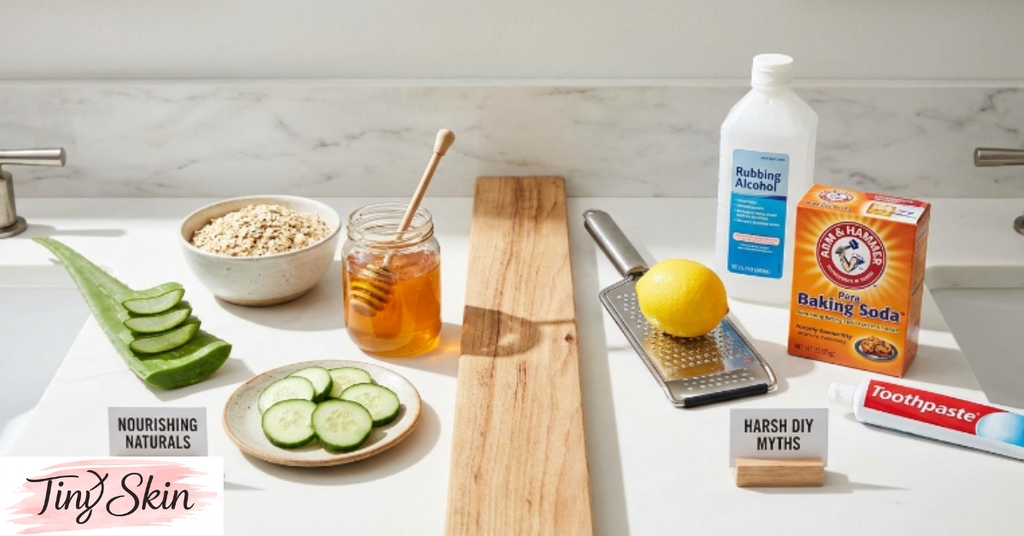
There’s no shortage of kitchen-cabinet advice floating around the internet for post inflammatory hyperpigmentation, and honestly, some of it does more harm than good.
What Has Some Merit
- Aloe vera can be soothing for actively inflamed skin, which may help prevent PIH from forming in the first place.
- Green tea extract has antioxidant properties that may support overall skin healing.
- Licorice root extract has some research behind it as a mild tyrosinase inhibitor.
What to Skip
- Lemon juice — it’s acidic enough to cause further irritation and, ironically, can make pigmentation worse, especially with sun exposure.
- Baking soda pastes — too alkaline for skin’s natural pH and can disrupt your skin barrier.
- Toothpaste on spots — a classic myth that tends to cause more irritation, which is the last thing inflamed skin needs.
First things first: if a home remedy sounds too aggressive or “intense” to be comfortable, it probably is. Gentle, consistent care wins over harsh, sporadic treatments every time when you’re dealing with pigmentation.
Daily Habits That Prevent Post Inflammatory Hyperpigmentation
Prevention really is easier than correction here. A few habits worth building into your routine:
- Hands off your breakouts. Popping or picking at a pimple almost guarantees a mark will form. Let it heal on its own, or treat it with a spot treatment instead.
- Treat inflammation early. The sooner you calm down an active breakout or irritation, the less likely it is to leave a lasting mark.
- Wear sunscreen daily, even on cloudy days, even indoors near windows. This one habit alone prevents so much unnecessary discoloration.
- Be gentle with exfoliation. Over-exfoliating creates more inflammation, not less.
- Patch test new products, especially actives like retinoids or acids, to avoid triggering an irritation-based flare-up.
Common Mistakes People Make When Treating PIH
- Expecting overnight results. Pigmentation takes time to form and time to fade — usually weeks to months, not days.
- Layering too many active ingredients at once. Combining retinoids, acids, and vitamin C all in one routine without easing in can cause irritation, which ironically triggers more pigmentation.
- Skipping sunscreen because “it’s not sunny out.” UV rays don’t take days off, and neither should your SPF routine.
- Picking at healing skin. Even gentle picking during the healing phase reintroduces inflammation and resets the clock.
- Giving up too early. Most topical treatments need 8–12 weeks of consistent use before you’ll see meaningful change. [internal link opportunity here] to a broader guide on building a consistent skincare routine could help readers who need that structure.
Building a Skincare Routine Around Post Inflammatory Hyperpigmentation
A simple, sustainable routine tends to outperform a complicated one. Here’s a framework that works for most people dealing with post inflammatory hyperpigmentation:
Morning: Gentle cleanser → antioxidant serum (like vitamin C) → moisturizer → broad-spectrum SPF 30+
Evening: Gentle cleanser → treatment product (retinoid, azelaic acid, or niacinamide, introduced gradually) → moisturizer
If you’re using a prescription-strength ingredient like hydroquinone or tretinoin, follow your dermatologist’s specific instructions, since these are often used in cycles rather than continuously. [internal link opportunity here] on layering actives safely would be a great addition for readers building out this routine.
When to See a Dermatologist
If your post inflammatory hyperpigmentation hasn’t improved after several months of consistent, appropriate care, or if it seems to be getting darker rather than lighter, it’s worth booking a dermatology appointment. A professional can determine whether you’re actually dealing with PIH versus melasma or another form of pigmentation, and can prescribe stronger treatments if needed. This is especially important for anyone with deeper skin tones, since the margin for error with certain treatments (particularly lasers) is narrower.
Frequently Asked Questions
Does post inflammatory hyperpigmentation go away on its own?
Yes, in many cases it does, particularly when it’s superficial. It can take anywhere from several months to a couple of years, and sun protection significantly speeds up the process.
What’s the fastest way to get rid of post inflammatory hyperpigmentation?
There’s no true overnight fix, but combining daily sunscreen with proven ingredients like vitamin C, niacinamide, or azelaic acid — alongside professional treatments like chemical peels when needed — offers the fastest realistic results.
Can post inflammatory hyperpigmentation be permanent?
It’s rarely permanent, but deeper pigmentation can persist for years if left untreated and unprotected from the sun. In very rare, severe cases, some discoloration may not fully resolve.
Is post inflammatory hyperpigmentation the same as acne scarring?
No. PIH is a flat, color-based change, while acne scarring involves textural changes to the skin, like indentations or raised tissue.
Does hyperpigmentation from acne fade with just moisturizer?
Moisturizer alone won’t target pigmentation directly, but keeping your skin barrier healthy supports faster healing overall. You’ll need targeted ingredients or treatments for actual fading.
Can diet affect post inflammatory hyperpigmentation?
There’s no direct evidence linking specific foods to PIH, though a diet high in antioxidants supports overall skin health and healing, which can only help.
Final Thoughts
Post inflammatory hyperpigmentation can feel discouraging, especially when it seems to overstay its welcome long after the original breakout or irritation is gone. But the reality is reassuring: this is one of the most treatable skin concerns out there, as long as you approach it with the right combination of patience, consistency, and sun protection.
Start small — pick one or two proven ingredients, commit to daily SPF, and give your skin the 8 to 12 weeks it genuinely needs to show change. If you’re not seeing progress after that, a dermatologist can help fine-tune your approach or introduce stronger treatments. Your skin can absolutely get back to an even, clear tone — it just needs a little time and the right plan behind it.

