

Introduction
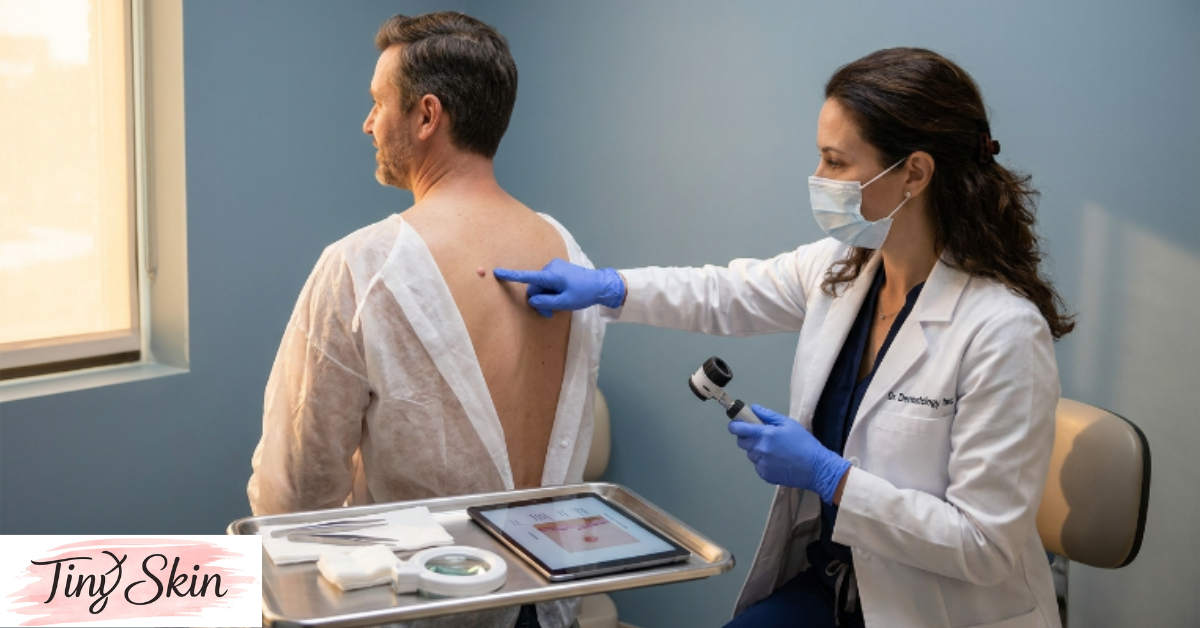
A small, painless bump under your skin can quietly turn into a source of daily worry. If it keeps growing, changes color, or starts to smell, you may be dealing with a sebaceous cyst. Sebaceous cyst removal is one of the most searched skincare topics because these bumps are common, yet confusing to manage on your own. They often sit on the face, neck, back, or scalp, and while most are harmless, they rarely disappear without help. This guide walks you through what causes these cysts, which removal methods dermatologists actually recommend, and how to keep your skin smooth and healthy afterward.
What Is a Sebaceous Cyst?
A sebaceous cyst is a small, closed sac that forms just beneath the skin. It usually develops when a hair follicle or oil gland becomes blocked. Instead of oil flowing out normally, it builds up and forms a soft lump.
Most cysts grow slowly and feel smooth to the touch. They are not usually painful unless they become inflamed or infected. However, their location and size can make them uncomfortable or noticeable.
How Sebaceous Cysts Form
Skin naturally produces sebum, an oily substance that keeps skin moisturized. When a pore or follicle gets clogged with dead skin cells or debris, sebum has nowhere to go. Over time, it collects and forms a sac-like pocket under the skin.
Common Locations on the Body
Sebaceous cysts most often appear in areas with more oil glands and hair follicles, including:
- The face and jawline
- The scalp
- The back and chest
- The neck and behind the ears
Sebaceous Cyst vs. Other Skin Bumps
Not every bump is a sebaceous cyst. Dermatologists often distinguish them from epidermoid cysts, lipomas, or abscesses. A proper diagnosis matters because treatment approaches differ significantly between these skin conditions.
Signs You May Need Sebaceous Cyst Removal
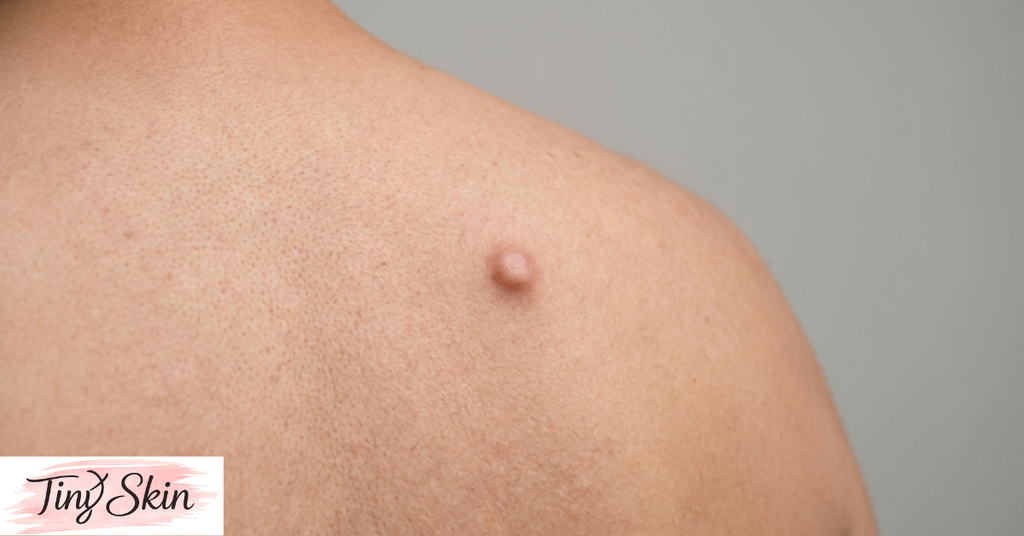
Many sebaceous cysts stay small and cause no problems for years. However, certain changes signal that it’s time to consult a professional about removal.
Symptoms That Signal a Problem
Watch for these common warning signs:
- Rapid growth in size
- Redness or warmth around the bump
- Tenderness or pain when touched
- A visible opening with discharge
When a Cyst Becomes Infected
Infected cysts often swell quickly and become painful. Dermatologists recommend prompt treatment because an infection can spread to surrounding tissue if left untreated. Fever or spreading redness both require urgent medical attention.
Self-Check vs. Professional Diagnosis
It’s tempting to self-diagnose a bump using online photos, but this approach carries real risk. A dermatologist can examine the cyst directly, and in some cases, order imaging to confirm what’s underneath the skin before recommending sebaceous cyst removal.
Sebaceous Cyst Removal Methods: In-Clinic Options
Professional removal is generally the safest and most effective path. Below is a comparison of common techniques dermatologists use.
Comparison Table: Sebaceous Cyst Removal Methods
| Removal Method | Best For | Average Recovery Time | Scarring Risk |
|---|---|---|---|
| Minimal Excision | Small, uninflamed cysts | 1–2 weeks | Low |
| Traditional Wide Excision | Larger or recurring cysts | 2–3 weeks | Moderate |
| Laser Removal | Facial cysts, cosmetic concern | 1 week | Low to moderate |
| Drainage (temporary) | Infected, swollen cysts | Days (not a permanent fix) | Low |
Minimal Excision Technique
This method uses a small incision to remove the cyst sac with minimal scarring. Many dermatologists prefer it for facial cysts because it preserves the surrounding skin texture.
Traditional Wide Excision
Wide excision removes the entire cyst wall through a larger incision. It’s typically used for bigger cysts or ones that have returned after previous treatment, since removing the full sac reduces recurrence.
Laser Removal
Laser-assisted removal uses focused light to open and remove the cyst with less bleeding. It’s often chosen for visible areas like the face, though it may cost more than traditional excision.
Home Remedies: What Works and What Doesn’t
It’s natural to search for ways to manage a cyst at home before seeing a specialist. However, not every home remedy is backed by evidence, and some can do more harm than good.
Warm Compresses
Applying a warm compress can help reduce mild swelling and encourage natural drainage in some cases. This is one of the few home approaches dermatologists generally consider low-risk.
Popular Myths (Popping, Toothpaste, etc.)
Squeezing or popping a cyst at home is a common mistake. Since the sac wall often stays intact beneath the skin, popping usually leads to the cyst returning, plus it increases infection risk. Toothpaste, essential oils, and similar remedies have no proven effect on cyst removal.
Why DIY Removal Is Risky
Attempting to cut or drain a cyst yourself can introduce bacteria, cause scarring, and leave part of the sac behind. Moreover, without proper technique, the cyst is likely to regrow, making professional sebaceous cyst removal the safer long-term solution.
Sebaceous Cyst Removal Cost and Recovery Timeline
Understanding the cost and recovery process helps you plan ahead and set realistic expectations.
Factors That Affect Cost
Several elements influence total price, including:
- Cyst size and location
- Removal method chosen
- Whether the cyst is infected at the time of treatment
- Clinic location and specialist experience
What to Expect During Recovery
Most patients can resume normal activities within a few days. Swelling and mild tenderness are common initially. Additionally, keeping the area clean and dry supports faster healing and reduces the chance of infection.
Signs of Complications After Removal
Contact your dermatologist if you notice:
- Increasing pain after the first few days
- Pus or unusual discharge
- Fever
- A wound that won’t close
Key Takeaways
- Sebaceous cysts form when oil glands or hair follicles become blocked.
- Most cysts are harmless, but growth, pain, or infection are signs to see a dermatologist.
- Professional removal methods, like minimal excision, offer lower recurrence than home remedies.
- Never attempt to pop or cut a cyst yourself, since this raises infection and scarring risk.
- Recovery typically takes one to three weeks depending on the method used.
- Good skin care habits can help reduce the chance of future cysts forming.
Preventing Future Sebaceous Cysts
While not every cyst can be prevented, especially those linked to genetics, certain habits support healthier skin overall.
Skin Care Habits That Help
Gentle skin exfoliation helps remove dead skin cells that can clog pores. Additionally, cleansing regularly and avoiding harsh scrubbing supports smooth skin and reduces buildup that leads to blockages.
When Genetics Play a Role
Some people are simply more prone to developing cysts due to skin type or family history. In these cases, regular dermatologist checkups help catch new cysts early, before they grow large or become uncomfortable.
Choosing the Right Dermatologist for Removal
Picking an experienced specialist matters for both results and safety, especially for cysts on visible areas like the face.
Questions to Ask Before the Procedure
Before booking, consider asking:
- How many similar procedures have you performed?
- What removal method do you recommend for my cyst, and why?
- What does aftercare involve?
- What is the expected scarring outcome?
Red Flags to Avoid
Be cautious of providers who promise same-day results with no consultation, avoid explaining the procedure, or don’t ask about your medical history. A trustworthy dermatologist will always examine the cyst before recommending sebaceous cyst removal.
FAQs
Can a sebaceous cyst go away on its own?
Small cysts sometimes shrink temporarily, but they rarely disappear completely without treatment. The sac usually remains under the skin, meaning the cyst can return or grow again over time, even after it appears to flatten.
Is sebaceous cyst removal painful?
Most in-clinic procedures use local anesthesia, so patients typically feel little to no pain during removal. Some mild soreness or tenderness afterward is normal and usually fades within a few days.
How long does recovery take after removal?
Recovery generally ranges from one to three weeks, depending on the removal method and cyst size. Minimal excision often heals faster than wide excision, and following aftercare instructions helps speed healing.
Will the cyst come back after removal?
Recurrence is possible if part of the cyst sac remains beneath the skin. Complete removal of the sac, performed by an experienced dermatologist, significantly lowers the chance the cyst will return.
Can I remove a sebaceous cyst at home?
Home removal is not recommended. Popping or cutting a cyst yourself increases infection risk, often leaves the sac intact, and can lead to scarring. Professional removal is safer and more effective long-term.
What happens if a sebaceous cyst gets infected?
An infected cyst may become red, swollen, and painful, sometimes with discharge. Dermatologists usually drain the infection first and may prescribe antibiotics before performing full removal once swelling subsides.
Conclusion
Sebaceous cysts are common, but that doesn’t mean you have to live with one indefinitely. Understanding your options, from minimal excision to laser removal, helps you make an informed choice with confidence. Home remedies may offer short-term comfort, but they rarely solve the problem long-term. If a cyst is growing, painful, or showing signs of infection, don’t wait it out. Book a consultation with a qualified dermatologist to discuss safe, effective sebaceous cyst removal options tailored to your skin. Smooth, healthy skin is worth the professional care.

