
Introduction
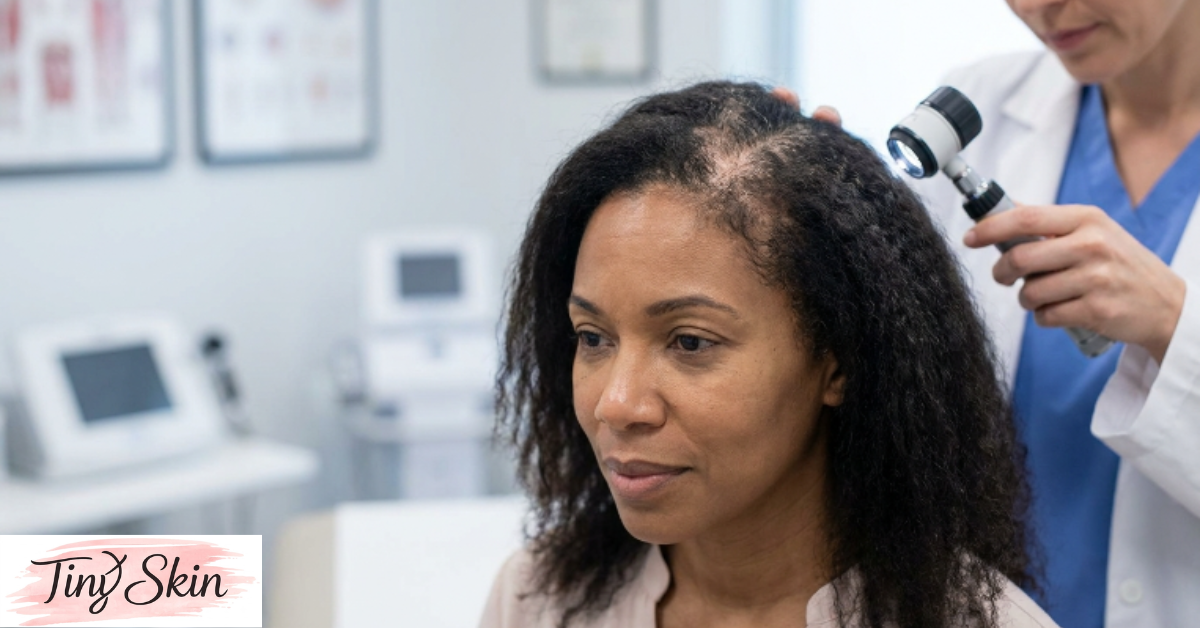
Finding extra strands on your pillow or in the shower drain can feel alarming. If this keeps happening, you may be asking yourself: what is alopecia, and should you be worried about it?
Alopecia is the medical term doctors use for hair loss. It affects millions of people worldwide, regardless of age or gender. Some forms are temporary and resolve on their own, while others are long-term and need ongoing care.
The good news is that this condition is well studied, and dermatologists offer many effective options today. This guide breaks down the types, causes, symptoms, and treatments in simple, practical terms, so you can take the next step with confidence.
By the end of this article, you will understand the warning signs to watch for, the tests doctors use to diagnose hair loss, and the treatments that tend to work best for each situation. You will also find practical tips for protecting the hair you still have.
What Is Alopecia?
In simple terms, alopecia means hair loss. It can affect the scalp, eyebrows, eyelashes, or any other area of the body that grows hair. Some people lose it gradually, while others notice sudden bald patches appearing within days.
Doctors use this word as a broad, general term. It covers many different conditions, each with its own cause, pattern, and outlook. Understanding which type you have is the first step toward getting the right treatment plan.
How Common Is Hair Loss?
Hair loss is extremely common. Most adults notice some thinning as they age, and pattern-related hair loss alone affects a large share of men and women over their lifetime. However, the severity and pattern vary widely from person to person.
Normal Shedding vs. a Real Problem
It is normal to shed 50 to 100 hairs a day as part of the natural growth cycle. Things become a concern when shedding increases noticeably, bald patches appear, or new growth stops for weeks at a time.
Who Is Affected?
This condition can affect anyone. That said, some types are more common in men, some in women, and others appear equally across genders. Age, genetics, and overall health all play a role in who develops symptoms.
Children, teenagers, and older adults can all experience some form of hair loss. However, the underlying cause often differs by life stage, which is why an accurate diagnosis matters so much before starting any treatment.
Types of Alopecia You Should Know
Not all hair loss looks the same. Dermatologists classify it into several distinct categories, and each one calls for a different approach to treatment.
Alopecia Areata
This type is an autoimmune condition. The immune system mistakenly attacks healthy hair follicles, causing sudden, round bald patches. It can appear on the scalp or in other hair-bearing areas of the body.
Androgenetic Alopecia
Also known as male or female pattern baldness, this is the most common form of hair loss. It develops slowly and is closely linked to genetics and how sensitive the follicles are to certain hormones.
Telogen Effluvium
This type causes widespread, diffuse thinning rather than defined patches. It often follows a stressful event, illness, surgery, or a major hormonal shift, such as childbirth. Hair typically grows back once the trigger resolves.
Table 1: Types of Alopecia Comparison
| Type | Main Cause | Typical Pattern | Who It Commonly Affects |
|---|---|---|---|
| Alopecia Areata | Autoimmune attack on follicles | Round, patchy bald spots | Any age; often appears before 30 |
| Androgenetic Alopecia | Genetics and hormone sensitivity | Gradual thinning, receding hairline or crown | Adult men and women |
| Telogen Effluvium | Stress, illness, or hormonal shift | Diffuse thinning across the scalp | Adults after a triggering event |
| Traction Alopecia | Repeated pulling or tight hairstyles | Thinning at the hairline or pull points | People wearing tight braids, buns, or extensions |
| Scarring Alopecia | Inflammation that destroys follicles | Permanent bald patches with visible scarring | Adults; can affect any gender |
What Causes Hair Loss?
This condition rarely has a single cause. Instead, it usually results from a combination of genetic, hormonal, and lifestyle factors working together over time.
Genetic Factors
Family history plays a major role in pattern-related thinning. If your parents or grandparents experienced noticeable hair loss, you may be more likely to experience it too, sometimes starting at a similar age.
Hormonal Changes
Hormones strongly influence the hair growth cycle. Pregnancy, menopause, thyroid disorders, and polycystic ovary syndrome (PCOS) can all trigger noticeable shedding or gradual thinning in different ways.
Stress and Lifestyle Triggers
Additionally, chronic stress, poor nutrition, crash dieting, and certain medications can disrupt healthy growth cycles. Smoking and lack of sleep may also contribute to weaker, thinner strands over time, according to dermatologists.
Some autoimmune diseases, chronic illnesses, and skin conditions on the scalp can also interfere with normal growth. Treating the underlying health issue often improves the situation, though results vary from person to person.
Common Symptoms to Watch For
Recognizing the signs early helps you seek professional care sooner, which often leads to better long-term outcomes for your hair.
Early Warning Signs
Watch for more hair than usual on your pillow, brush, or in the shower drain. A widening part line or a slowly receding hairline can also signal that something has changed.
Patterns of Thinning
Some people notice a single, clearly defined bald patch, while others see gradual thinning spread across the whole scalp. The pattern you notice often points toward the underlying cause.
When to See a Doctor
You should see a dermatologist if you notice sudden patchy loss, unusually rapid thinning, scalp redness, itching, or pain. Early diagnosis generally makes treatment far more effective.
How Is Alopecia Diagnosed?
A proper diagnosis matters because treatment differs depending on the underlying cause. Dermatologists rely on several methods to pinpoint the exact type you may have.
Physical Examination
A dermatologist will examine your scalp, hair density, and pattern of loss closely. They may also ask about your family history, diet, stress levels, and any recent illnesses or medication changes.
Blood Tests
Blood tests can help rule out underlying causes, such as thyroid problems, iron deficiency, or hormonal imbalances. These results help guide a more accurate, personalized treatment plan.
Scalp Biopsy
In some cases, a small scalp biopsy helps confirm the diagnosis, especially for scarring types or unclear presentations. This simple, minor procedure is usually done right in the clinic under local anesthesia.
The sample is then examined under a microscope, which helps the dermatologist distinguish between different causes and choose the most appropriate treatment path going forward.
Alopecia Treatment Options
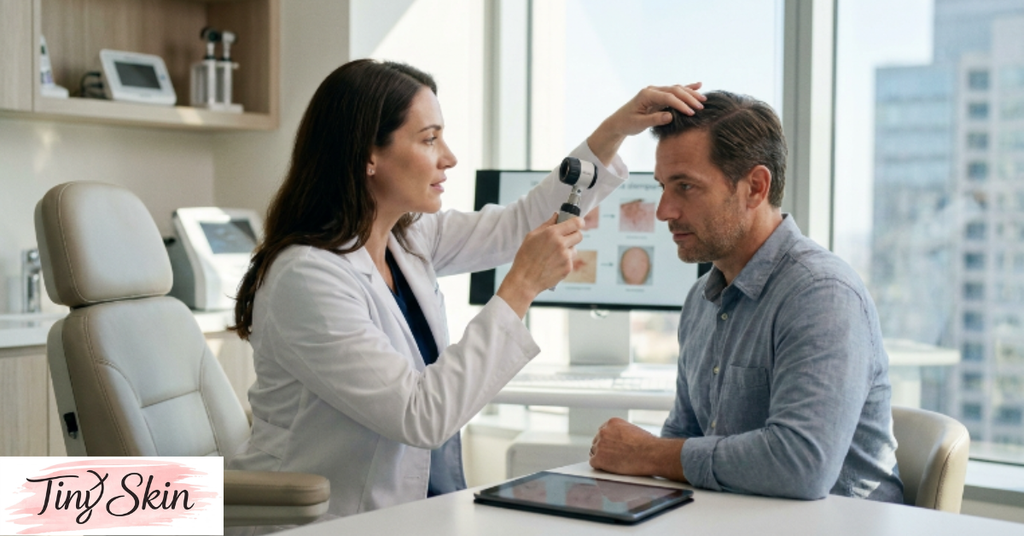
Fortunately, dermatologists recommend a wide range of treatments, from topical solutions to advanced medical procedures, depending on severity and underlying cause.
Topical Treatments
Minoxidil is a widely used topical treatment approved for pattern-related thinning. It is applied directly to the scalp and may help slow shedding while supporting regrowth over several months.
Oral Medications
For androgenetic cases, doctors may prescribe oral medications that target hormone-related thinning. For autoimmune cases, some patients may receive immune-modulating medication under close medical supervision.
Advanced Procedures
In more severe or persistent cases, dermatologists may recommend platelet-rich plasma (PRP) injections, corticosteroid injections, or hair transplant surgery. A specialist can help determine which option truly fits your situation.
Treatment plans often combine two or more approaches. Regular follow-up appointments allow your dermatologist to track progress and adjust the plan as your hair responds over time.
Table 2: Alopecia Treatment Options Comparison
| Treatment | How It Works | Best Suited For | Key Consideration |
|---|---|---|---|
| Topical Minoxidil | Stimulates follicles at the scalp | Pattern-related thinning | Requires consistent, long-term use |
| Corticosteroid Injections | Reduces inflammation around follicles | Patchy autoimmune loss | Administered by a dermatologist |
| Oral Medications | Targets hormonal or immune triggers | Pattern loss, some autoimmune cases | Needs ongoing medical supervision |
| PRP Therapy | Uses your own platelets to stimulate growth | Thinning hair, early-stage loss | Multiple sessions are often needed |
| Hair Transplant Surgery | Moves healthy follicles to thinning areas | Advanced pattern-related loss | Surgical procedure with recovery time |
Key Takeaways
- Alopecia is the medical term for hair loss and includes several distinct types.
- Androgenetic alopecia is the most common form and is largely genetic.
- Alopecia areata is an autoimmune condition that causes patchy hair loss.
- Hormones, stress, and nutrition can all trigger temporary shedding episodes.
- Early diagnosis by a dermatologist leads to faster, more effective treatment.
- Treatment options range from topical solutions to advanced medical procedures.
Can Hair Loss Be Prevented or Managed?
While not every form can be fully prevented, especially genetic types, several everyday habits support healthier hair and may reduce your risk of triggered shedding.
Diet and Nutrition Tips
A balanced diet rich in protein, iron, zinc, and biotin supports healthy growth cycles. However, always speak with a doctor before starting any new supplement routine on your own.
Stress Management
Since chronic stress is a known trigger for telogen effluvium, managing stress through regular exercise, better sleep, and relaxation techniques may help protect your hair long term.
Gentle Hair Care Habits
Avoid tight hairstyles, excessive heat styling, and harsh chemical treatments whenever possible. Gentle daily handling significantly reduces the risk of traction-related loss and breakage over time.
Choose a mild, sulfate-free shampoo, and let hair air-dry when you can. Additionally, a wide-tooth comb causes less breakage than a fine-tooth brush on wet, fragile strands.
Living With Alopecia: Emotional and Practical Support
Hair loss can affect self-esteem and emotional well-being in ways that go beyond appearance. Moreover, support is available, and many people manage this condition successfully while maintaining real confidence.
Coping Strategies
Talking to a therapist or counselor can help you process the emotional impact of losing hair. Many people also find comfort in connecting with others who share similar, lived experiences.
Wigs and Hairpieces
High-quality wigs, hairpieces, and scalp micropigmentation offer effective, realistic cosmetic solutions. These options allow people to feel more comfortable day to day while pursuing medical treatment.
Support Communities
Online and in-person support groups connect people living with hair loss. Sharing experiences with others can reduce feelings of isolation and provide genuinely practical, real-world advice.
Many national and local organizations host meetups, forums, and educational events. These communities often share the latest research and firsthand tips for coping day to day.
FAQs
What is alopecia exactly?
Alopecia is the medical term for hair loss. It includes several types, ranging from temporary shedding caused by stress to permanent, genetic pattern baldness. A dermatologist can identify which type affects you specifically.
Is alopecia curable?
Some forms, like telogen effluvium, often resolve on their own within months. Others, such as androgenetic alopecia, are manageable but not fully curable. Treatment can slow progression and support regrowth in many cases.
Can stress really cause hair loss?
Yes, chronic or sudden stress can trigger telogen effluvium, a temporary form of shedding. Hair usually regrows once the stressful period passes and the body has time to recover fully.
Does alopecia only affect the scalp?
No, it can affect eyebrows, eyelashes, and body hair too, especially with alopecia areata. The extent depends entirely on the specific type and overall severity of the condition.
When should I see a dermatologist about hair loss?
See a dermatologist if you notice sudden patchy bald spots, rapid thinning, or scalp irritation. Early evaluation allows for a quicker diagnosis and access to more treatment options overall.
Can diet affect alopecia?
Yes, nutrient deficiencies, especially iron, zinc, and protein, can contribute to noticeable thinning. A balanced diet supports overall hair health, though it may not reverse purely genetic hair loss.
Conclusion
Understanding what is alopecia helps you take informed action instead of feeling overwhelmed by the diagnosis. Whether you are dealing with temporary shedding or a long-term condition, effective treatments and real support are available.
The key is acting early. If you notice unusual hair loss, do not wait it out on your own. Consult a board-certified dermatologist to get an accurate diagnosis and a personalized treatment plan built around your needs.
Every case is different, and what works well for one person may not work for another. A professional evaluation removes the guesswork and puts you on the most direct path toward visible results.
Ready to take the next step? Book a consultation with a qualified dermatologist today and start your journey toward healthier, fuller-looking hair.

