

Introduction
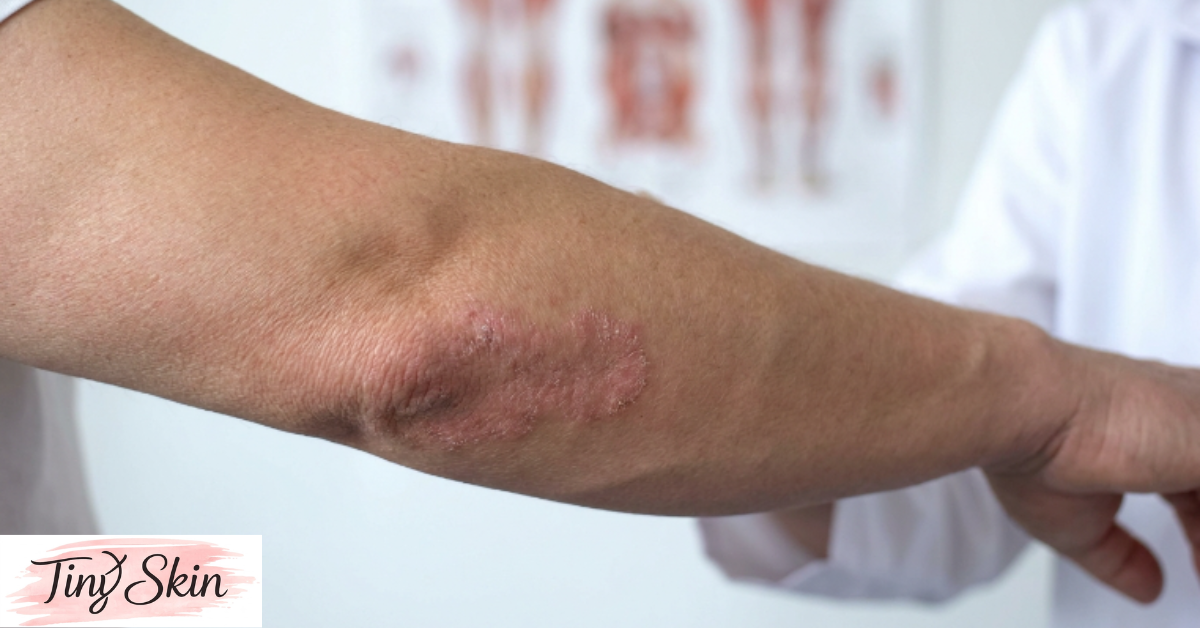
If you’ve noticed red, scaly patches on your skin that won’t go away, you might be asking yourself: what is psoriasis? It’s a chronic autoimmune skin condition that affects millions of people worldwide, and it’s more common than most people realize. Psoriasis happens when your immune system speeds up skin cell growth, causing cells to build up on the surface faster than they can shed.
This isn’t just a cosmetic issue. Psoriasis can cause discomfort, itching, and emotional stress. However, the good news is that with the right knowledge and treatment plan, most people manage their symptoms effectively. In this guide, we’ll break down everything you need to know in simple, easy-to-understand terms.
What Is Psoriasis? Understanding the Basics
Psoriasis is a long-term autoimmune skin disease that speeds up the life cycle of skin cells. Normally, skin cells grow and shed over about a month. With psoriasis, this process happens in just a few days, causing cells to pile up on the skin’s surface.
Definition and Overview
At its core, psoriasis is not simply “dry skin.” It’s an immune system disorder that mistakenly attacks healthy skin cells. This triggers inflammation and rapid cell turnover, which leads to the thick, scaly patches many people recognize.
How Psoriasis Develops
The exact trigger point varies from person to person. Dermatologists explain that certain immune cells become overactive, sending faulty signals that speed up skin cell production. This creates a buildup of cells, forming the raised, red plaques associated with the condition.
Is Psoriasis Contagious?
No, psoriasis is not contagious. You cannot catch it from touching someone or sharing personal items. It’s an internal immune response, not an infection. Understanding this can help reduce the stigma many people feel about visible symptoms.
Additionally, psoriasis often runs in families, suggesting a genetic component. However, having a family history doesn’t guarantee you’ll develop it. Environmental and lifestyle factors also play a significant role, which we’ll explore further below.
Common Symptoms of Psoriasis
Recognizing psoriasis symptoms early can help you seek treatment sooner and manage flare-ups more effectively. Symptoms vary in severity, from small, localized patches to widespread coverage across the body.
Skin Symptoms to Watch For
The most common signs include:
- Red patches of skin covered with thick, silvery scales
- Dry, cracked skin that may bleed
- Itching, burning, or soreness
- Thickened or ridged nails
- Swollen or stiff joints (in some cases)
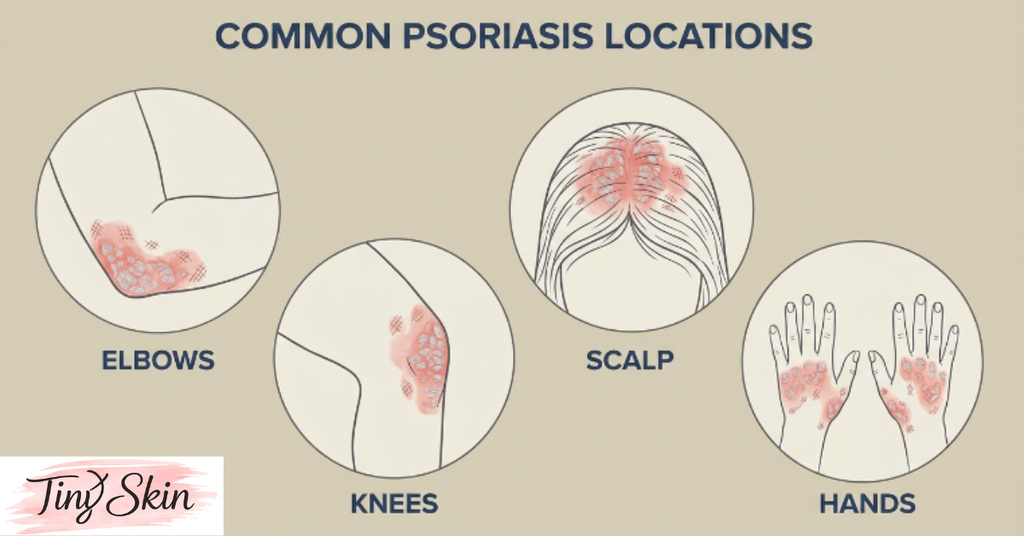
These symptoms often appear on the elbows, knees, scalp, and lower back, though they can occur anywhere on the body.
Nail and Scalp Changes
Psoriasis frequently affects the scalp, causing flaking that resembles severe dandruff. Nails may also show pitting, discoloration, or separation from the nail bed. These changes are often overlooked but are important diagnostic clues.
When Symptoms Flare Up
Psoriasis symptoms tend to come and go in cycles. A flare-up may last for weeks or months, followed by periods of remission. Common triggers include stress, skin injury, infections, and cold weather.
Moreover, some people experience only mild symptoms, while others face more severe, widespread outbreaks. Tracking your flare-ups in a journal can help you and your dermatologist identify personal triggers over time.
What Causes Psoriasis?
Understanding psoriasis causes helps explain why the condition develops and why it varies so much from person to person. Researchers agree it results from a combination of genetic and environmental factors.
Genetic Factors
If a close family member has psoriasis, your risk increases. Scientists have identified specific genes linked to immune system regulation that may contribute to the condition. However, genetics alone don’t determine whether you’ll develop symptoms.
Immune System Triggers
Psoriasis is classified as an autoimmune skin disease because the immune system attacks healthy skin cells by mistake. This immune response causes inflammation, which speeds up cell turnover and creates visible plaques.
Environmental Triggers
Several external factors can trigger or worsen psoriasis, including:
- Stress and anxiety
- Skin injuries, such as cuts or sunburn
- Certain infections, like strep throat
- Cold, dry weather
- Smoking and heavy alcohol use
- Certain medications
Identifying and managing these triggers is often a key part of long-term symptom control. Since triggers differ for everyone, working with a dermatologist can help you build a personalized management plan.
Types of Psoriasis Explained
There isn’t just one form of this condition. Several types of psoriasis exist, each with distinct patterns and characteristics. Knowing which type you have helps guide the most effective treatment approach.
Plaque Psoriasis
This is the most common form, affecting most people diagnosed with the condition. It appears as raised, red patches covered with silvery-white scales, typically on the elbows, knees, and scalp.
Guttate Psoriasis
Guttate psoriasis often appears suddenly, usually after a bacterial infection like strep throat. It causes small, dot-like lesions across the torso, arms, and legs, and is more common in children and young adults.
Inverse and Pustular Psoriasis
Inverse psoriasis appears as smooth, red patches in skin folds, such as under the arms or breasts. Pustular psoriasis, meanwhile, causes white pustules surrounded by red skin and can appear on specific areas or across the body.
| Type of Psoriasis | Common Symptoms | Typical Body Areas |
|---|---|---|
| Plaque Psoriasis | Raised, red patches with silvery scales | Elbows, knees, scalp, lower back |
| Guttate Psoriasis | Small, drop-shaped red spots | Torso, arms, legs |
| Inverse Psoriasis | Smooth, shiny red patches, no scaling | Skin folds (armpits, groin) |
| Pustular Psoriasis | White pustules on red, inflamed skin | Hands, feet, or widespread |
Psoriasis vs Other Skin Conditions
Many people confuse psoriasis with other common skin issues. Since treatments differ significantly, an accurate diagnosis matters. Below is a comparison to help clarify the key differences.
Psoriasis vs Eczema
Both conditions cause red, itchy skin, but they differ in appearance and cause. Psoriasis produces thicker, well-defined plaques with silvery scales, while eczema tends to cause more diffuse redness and intense itching.
Psoriasis vs Dermatitis
Dermatitis is often caused by irritants or allergens, leading to a localized reaction. Psoriasis, however, is a systemic autoimmune condition unrelated to external irritants, though irritation can trigger flare-ups.
Why Accurate Diagnosis Matters
Misdiagnosing psoriasis as eczema or dermatitis can lead to ineffective treatment. A dermatologist can perform a physical exam, and sometimes a biopsy, to confirm the correct condition.
| Feature | Psoriasis | Eczema | Contact Dermatitis |
|---|---|---|---|
| Cause | Autoimmune | Genetic + environmental | Irritant or allergen exposure |
| Appearance | Thick, scaly plaques | Dry, inflamed patches | Localized rash or blisters |
| Common Areas | Elbows, knees, scalp | Face, hands, inner elbows | Site of contact only |
| Itchiness | Moderate | Often severe | Varies |
| Contagious | No | No | No |
How Is Psoriasis Diagnosed?
Getting a proper diagnosis is the first step toward effective management. Most cases can be identified through a straightforward clinical evaluation.
Physical Examination
Dermatologists typically diagnose psoriasis by examining the skin, scalp, and nails. The pattern, location, and appearance of plaques often provide enough information for a confident diagnosis.
Skin Biopsy
In less clear-cut cases, a small skin sample may be taken and examined under a microscope. This helps rule out other conditions and confirms the specific type of psoriasis present.
Ruling Out Other Conditions
Because psoriasis can resemble eczema, fungal infections, or dermatitis, doctors may ask about family history, recent illnesses, and medication use. This thorough approach ensures an accurate diagnosis and appropriate treatment plan.
Early diagnosis matters because untreated psoriasis can sometimes lead to related complications, including psoriatic arthritis. If you notice joint pain alongside skin symptoms, mention this to your doctor right away.
Treatment Options for Psoriasis
While there’s currently no cure, several psoriasis treatment options can significantly reduce symptoms and improve quality of life. Treatment plans are often tailored to the severity and type of psoriasis.
Topical Treatments
For mild to moderate cases, doctors often recommend:
- Corticosteroid creams to reduce inflammation
- Vitamin D analogues to slow skin cell growth
- Moisturizers to reduce dryness and scaling
- Salicylic acid to soften and remove scales
Phototherapy
Controlled exposure to ultraviolet light can slow skin cell turnover and reduce inflammation. This treatment is typically administered under medical supervision to minimize risks.
Systemic and Biologic Medications
For moderate to severe psoriasis, doctors may prescribe oral medications or biologic injections that target specific parts of the immune system. These treatments require ongoing monitoring but can offer substantial relief.
Dermatologists generally recommend starting with the least invasive option and adjusting based on response. Combining treatments often produces better results than relying on a single approach alone.
Living With Psoriasis: Lifestyle Tips
Managing psoriasis goes beyond medical treatment. Daily habits and lifestyle choices can play a meaningful role in reducing flare-ups and improving overall skin health.
Building a Gentle Skincare Routine
Use fragrance-free moisturizers daily, and avoid harsh soaps that strip natural oils. Pat skin dry instead of rubbing, and apply moisturizer immediately after bathing to lock in hydration.
Diet and Potential Triggers
While no specific diet cures psoriasis, some people find that reducing alcohol, processed foods, and known personal triggers helps. Maintaining a balanced diet supports overall immune health.
Managing Stress Effectively
Since stress is a well-known trigger, incorporating relaxation techniques like deep breathing, gentle exercise, or mindfulness can help reduce flare frequency. Getting adequate sleep also supports immune balance.
Living with psoriasis is a long-term journey, but small, consistent habits often make a noticeable difference over time.
Key Takeaways
- Psoriasis is a chronic autoimmune skin disease, not an infection, and it is not contagious.
- Common psoriasis symptoms include red, scaly patches, itching, and nail changes.
- Genetics, immune response, and environmental triggers all contribute to psoriasis causes.
- There are several types of psoriasis, with plaque psoriasis being the most common.
- Treatment options range from topical creams to phototherapy and biologic medications.
- Lifestyle habits, including stress management and gentle skincare, support long-term symptom control.
FAQs
What is psoriasis exactly?
Psoriasis is a chronic autoimmune skin condition that speeds up skin cell growth, causing red, scaly patches. It results from immune system dysfunction rather than an infection or allergy, and it requires ongoing management rather than a one-time cure.
Can psoriasis be cured completely?
Currently, there is no permanent cure for psoriasis. However, many treatment options can significantly reduce symptoms and extend periods of remission. Working closely with a dermatologist helps you find the most effective long-term management plan.
Is psoriasis the same as eczema?
No, psoriasis and eczema are different conditions. Psoriasis typically causes thicker, well-defined plaques with silvery scales, while eczema causes more diffuse, intensely itchy patches. A dermatologist can confirm which condition you have.
What triggers psoriasis flare-ups?
Common triggers include stress, skin injuries, infections, cold weather, and certain medications. Triggers vary from person to person, so tracking flare-ups in a journal can help identify your specific patterns over time.
Does diet affect psoriasis symptoms?
While no single diet cures psoriasis, some people notice fewer flare-ups when reducing alcohol and processed foods. A balanced, anti-inflammatory diet may support overall skin and immune health alongside medical treatment.
When should I see a dermatologist about psoriasis?
See a dermatologist if you notice persistent red, scaly patches, joint pain, or symptoms that interfere with daily life. Early diagnosis allows for more effective treatment and helps prevent potential complications like psoriatic arthritis.
Conclusion
Understanding what psoriasis is empowers you to recognize symptoms early and seek the right treatment. This chronic autoimmune skin condition affects everyone differently, but with proper care, most people successfully manage their symptoms and maintain a good quality of life.
Remember, psoriasis is not contagious, and you’re not alone in managing it. If you’re experiencing persistent skin symptoms, don’t wait. Consult a qualified dermatologist today to get an accurate diagnosis and a personalized treatment plan that works for you.

