

Introduction
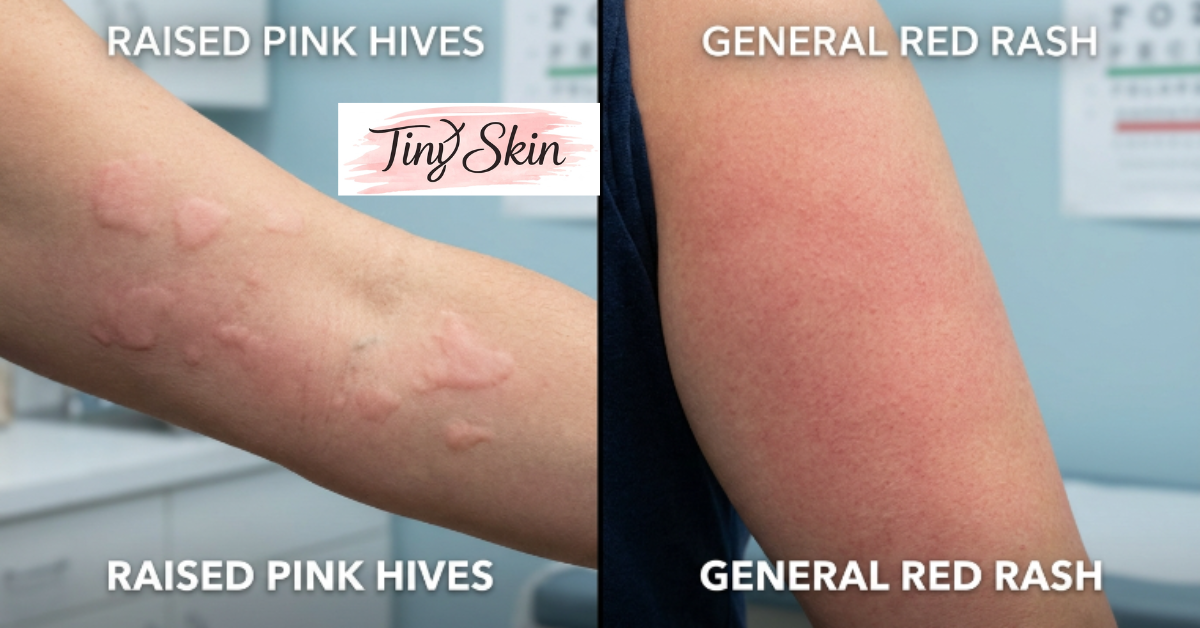
Your skin suddenly breaks out, and it itches like crazy. Is it hives vs rash, and does it even matter? Actually, yes — a lot.
Hives and rashes can look similar at first glance, but they behave differently, come from different causes, and sometimes need different treatments. Mistaking one for the other can delay proper care, especially if an allergic reaction is involved.
This guide breaks down exactly how to spot the difference, what causes each condition, and when it’s time to call a dermatologist. You’ll walk away knowing precisely what’s happening on your skin — and what to do about it.
What Is a Rash? Understanding the Basics
A rash is a general term. It describes any area of skin that becomes irritated, red, bumpy, or inflamed. Rashes are not one specific condition — they’re a symptom that can point to dozens of underlying issues.
Common Physical Features of a Rash
Rashes can appear flat or slightly raised. They often show up as:
- Red or discolored patches
- Dry, flaky, or scaly skin
- Small bumps, blisters, or pimple-like spots
- Areas that may or may not itch
How Long a Rash Typically Lasts
Most rashes last anywhere from a few days to several weeks, depending on the cause. Contact dermatitis, for example, usually clears once the irritant is removed. Chronic skin conditions like eczema, however, can flare up repeatedly over months or years.
Where Rashes Usually Appear
Rashes tend to stay in one location. A rash caused by a new detergent, for instance, often appears where the fabric touched the skin. Unlike hives, rashes generally don’t move around the body.
What Are Hives? Key Characteristics
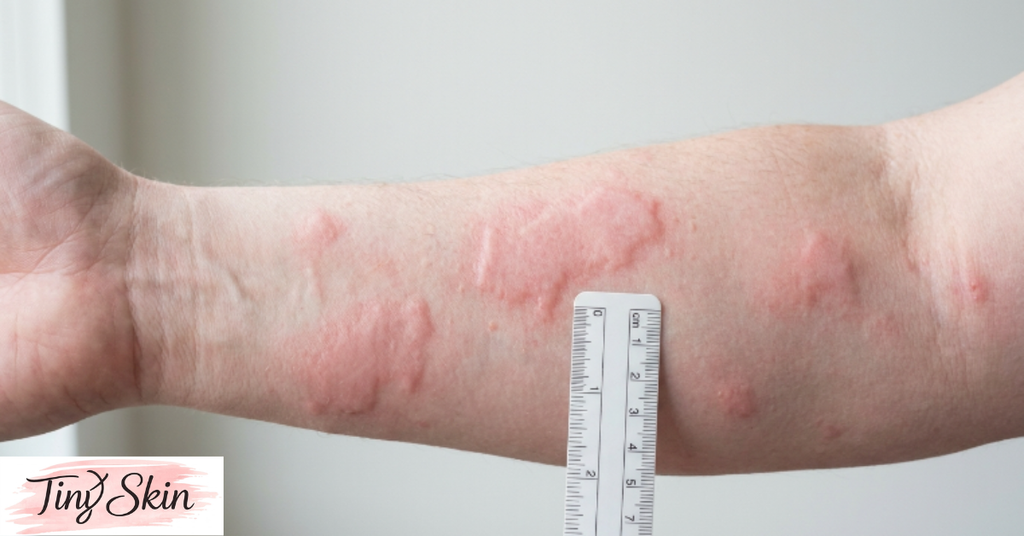
Hives, medically known as urticaria, are a specific type of skin reaction. They appear as raised, swollen welts that are usually very itchy and can vary in size.
The Classic Look of Hives
Hives typically show up as:
- Raised, pink or red welts with clearly defined edges
- Patches that turn white (blanch) when you press on them
- Welts that can merge into larger patches
Hives Move and Change Quickly
One of the most distinctive features of hives is how fast they change. Individual welts often fade within 24 hours, only for new ones to appear elsewhere. Dermatologists note this migratory pattern as a key identifying sign.
Acute vs Chronic Hives
Hives are classified by duration. Acute hives last less than six weeks and are often triggered by a specific allergen. Chronic hives persist for six weeks or longer and may require ongoing management with a dermatologist or allergist.
Hives vs Rash: Key Differences at a Glance
Understanding hives vs rash side by side makes diagnosis much easier. Here’s a quick comparison table based on common dermatological features.
| Feature | Hives (Urticaria) | General Rash |
|---|---|---|
| Appearance | Raised welts, defined borders | Flat, scaly, or bumpy patches |
| Movement | Migrates, changes location within hours | Usually stays in one area |
| Duration | Often resolves within 24 hours per welt | Can last days to weeks |
| Itch Level | Typically very intense | Ranges from mild to severe |
| Blanching | Turns white when pressed | Does not always blanch |
| Common Trigger | Allergens, stress, heat, pressure | Irritants, infections, chronic conditions |
This table is a general guide. Because skin reactions vary from person to person, a dermatologist’s evaluation is always the most reliable way to confirm a diagnosis.
Common Causes of Hives
Hives happen when the body releases histamine into the skin, causing blood vessels to leak fluid into surrounding tissue. This creates the swollen, itchy welts associated with urticaria.
Allergic Triggers
Common allergic causes include:
- Certain foods (nuts, shellfish, eggs)
- Medications, including some antibiotics
- Insect stings or bites
- Latex or certain fabrics
Physical Triggers
Hives aren’t always allergy-related. Physical factors can also trigger them, such as:
- Extreme heat or cold
- Sun exposure
- Pressure or tight clothing
- Exercise-induced sweating
Stress and Underlying Health Conditions
Emotional stress is a well-documented trigger for hives. Additionally, autoimmune conditions and thyroid disorders are sometimes linked to chronic hives. Dermatologists often recommend tracking triggers in a symptom diary to identify patterns.
Common Causes of Rashes
Because “rash” is such a broad category, the list of possible causes is extensive. Identifying the trigger usually requires looking closely at the rash’s appearance and location.
Contact and Irritant Reactions
Skin often reacts when it touches something irritating, including:
- New skincare or cleaning products
- Certain metals in jewelry (like nickel)
- Poison ivy or other plants
Infections (Viral, Bacterial, or Fungal)
Many rashes are the skin’s response to an infection. Examples include:
- Viral rashes from illnesses like chickenpox
- Fungal infections such as ringworm
- Bacterial skin infections
Chronic Skin Conditions
Long-term conditions frequently cause recurring rashes. These include eczema, psoriasis, and rosacea. Unlike a one-time irritant reaction, these conditions often need ongoing management rather than a single treatment.
KEY TAKEAWAYS
- Hives are raised, itchy welts that move around the body and usually fade within 24 hours.
- Rashes are a broader category and can be flat, scaly, or bumpy, often staying in one spot.
- Hives are commonly triggered by allergens, heat, stress, or pressure on the skin.
- Rashes can result from irritants, infections, or chronic skin conditions like eczema.
- Pressing on hives typically causes them to turn white (blanch); many rashes do not.
- A dermatologist can confirm the exact cause when symptoms are unclear or persistent.
How to Identify Which One You Have
Figuring out hives vs rash at home starts with careful observation. However, self-diagnosis has limits, especially with persistent or severe symptoms.
Check the Shape and Texture
Run your fingers gently over the affected area. Hives usually feel raised and puffy with smooth, defined edges. Many rashes feel flatter, rougher, or scalier instead.
Watch How It Changes Over Time
Take note of whether the pattern moves. If bumps disappear in one spot and reappear elsewhere within hours, hives are more likely. A rash that stays fixed in one location points toward a different cause.
Consider Recent Exposures
Think back over the last 24 to 48 hours. New foods, medications, skincare products, or plants can all offer clues. Additionally, consider whether you were under unusual stress or exposed to extreme temperatures.
Treatment Options: Hives vs Rash
Treatment approaches differ depending on the diagnosis. Below is a general comparison of common management strategies.
| Condition | First-Line Treatment | Additional Care |
|---|---|---|
| Hives (Acute) | Oral antihistamines | Avoid known triggers, cool compresses |
| Hives (Chronic) | Long-term antihistamines | Dermatologist-guided medication plan |
| Contact Rash | Remove the irritant | Gentle moisturizers, topical corticosteroids |
| Infectious Rash | Antifungal or antibiotic treatment | Depends on the specific infection |
| Eczema/Psoriasis | Moisturizers, prescribed topicals | Ongoing dermatologist management |
Dermatologists recommend never self-prescribing long-term steroid creams without guidance, as overuse can thin the skin. Always follow professional advice for chronic or recurring symptoms.
Home Care for Mild Cases
For mild, short-term irritation, cool compresses and fragrance-free moisturizers can ease discomfort. Avoid scratching, since broken skin increases infection risk.
Over-the-Counter Options
Antihistamines are widely used for itch relief in both hives and some allergic rashes. However, they work best for histamine-driven reactions rather than infections or chronic conditions.
When Prescription Treatment Is Needed
If symptoms persist beyond a few days, worsen, or keep recurring, a prescription-strength treatment may be necessary. This is where a dermatologist’s evaluation becomes essential.
When to See a Dermatologist or Seek Emergency Care
Most cases of hives and rashes are manageable at home. Still, certain warning signs mean it’s time to get professional help.
Signs You Should Book a Dermatology Appointment
- The rash or hives last longer than a week
- Symptoms keep returning without a clear trigger
- Over-the-counter treatments aren’t helping
- The skin shows signs of infection, like pus or increasing pain
Emergency Warning Signs
Seek immediate medical attention if hives appear alongside:
- Difficulty breathing or swallowing
- Swelling of the lips, tongue, or throat
- Dizziness or fainting
These symptoms can indicate anaphylaxis, a severe allergic reaction that requires emergency care right away.
What to Expect During a Dermatology Visit
A dermatologist will typically examine the affected skin, ask about recent exposures, and may run allergy testing if hives are chronic. Moreover, they can rule out underlying conditions that at-home observation simply can’t diagnose.
Conclusion
Understanding hives vs rash helps you respond to your skin’s signals with confidence instead of guesswork. Hives tend to move, itch intensely, and blanch under pressure, while rashes are broader, often staying fixed in one area with varied textures.
However, when symptoms are severe, persistent, or paired with breathing difficulty, don’t wait it out. Book a consultation with a licensed dermatologist to get an accurate diagnosis and a treatment plan built for your skin. Your comfort — and your health — are worth the appointment.

