

Introduction
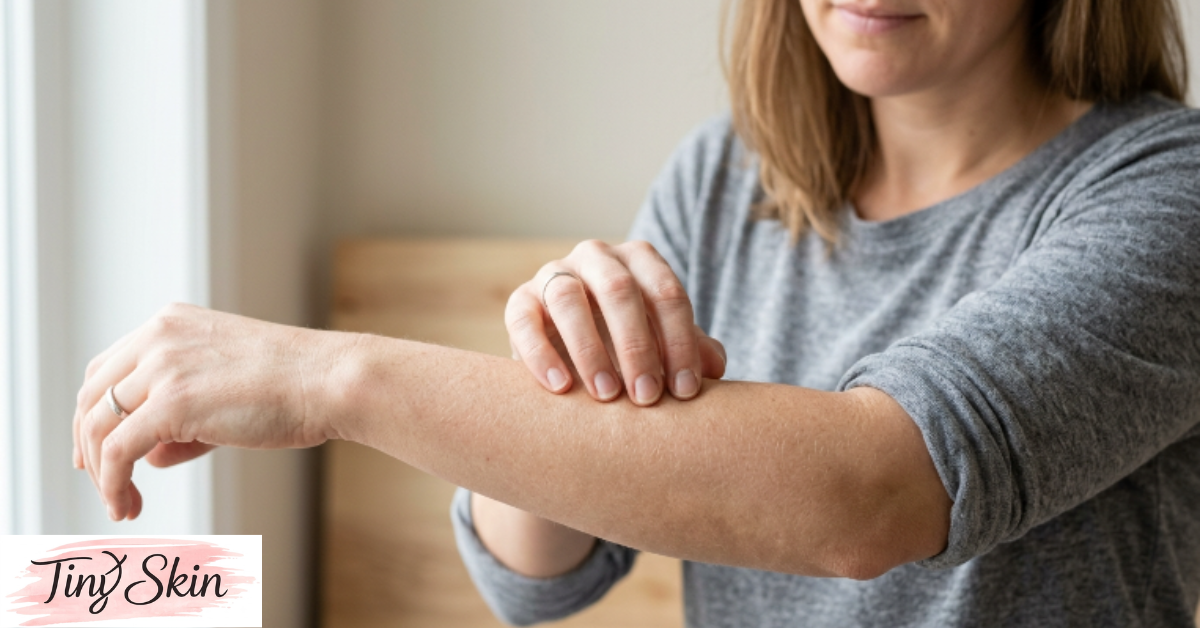
Do you keep scratching but see no rash, bumps, or redness anywhere? You’re not imagining it. Itchy skin no rash is a common problem, and it leaves many people confused, especially when moisturizer doesn’t seem to help at all.
This condition, sometimes called pruritus without rash, can come from something as simple as dry indoor air. However, it can also point to a deeper internal issue that needs attention. Understanding the real cause is the first step toward lasting relief.
In this guide, you’ll learn what triggers itchy skin no rash, how to calm it safely at home, and when it’s time to see a dermatologist.
What Does It Mean When Your Skin Itches But There’s No Rash?
Itchy skin no rash happens when your nerves signal discomfort, but your skin shows no visible sign of irritation. Dermatologists call this “pruritus sine materia,” meaning itch without a physical skin cause. This makes it tricky to diagnose because there’s nothing obvious to examine.
Common Signs of Itchy Skin Without a Rash
- Persistent scratching with no redness or bumps
- Itching that moves from one area to another
- Skin that feels tight, dry, or crawling
- Discomfort that worsens after showering or at night
How This Differs From a Typical Skin Rash
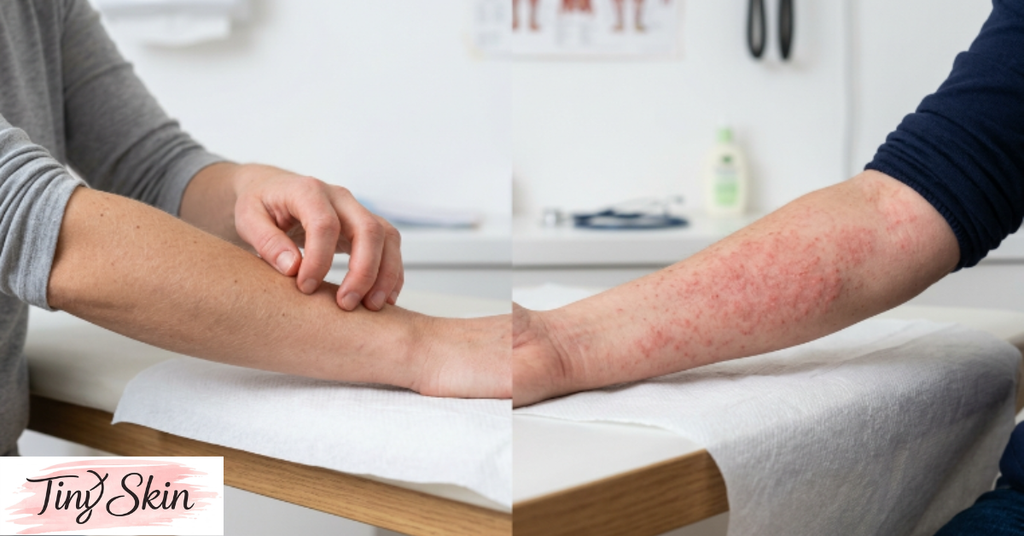
A typical rash involves visible changes, such as redness, swelling, or raised patches. With itchy skin no rash, the surface often looks completely normal. Moreover, the itch may originate from nerve signals rather than skin inflammation, which is why standard creams sometimes fail to help.
Common Causes of Itchy Skin With No Rash
Several factors can trigger itching without leaving a mark. Identifying the right cause helps you choose the most effective treatment.
Dry Skin (Xerosis)
Dry skin is one of the most frequent causes of itching without a rash. Cold weather, indoor heating, and frequent hot showers strip natural oils from the skin. As a result, the skin barrier weakens and nerve endings become more sensitive.
Environmental and Seasonal Triggers
Low humidity, harsh soaps, and synthetic fabrics can all irritate the skin without causing a visible reaction. Additionally, seasonal changes in Russia’s climate, particularly cold winters, often worsen dryness-related itching.
Internal Health Conditions
Sometimes, itchy skin no rash reflects an internal issue rather than a surface problem. Dermatologists note that conditions such as thyroid imbalances, iron deficiency, kidney or liver concerns, and nerve-related disorders can all present as unexplained itching.
Table 1: Itchy Skin Symptoms vs Possible Causes vs Recommended Action
| Symptom Pattern | Possible Cause | Recommended Action |
|---|---|---|
| Itching worse after hot showers | Dry skin (xerosis) | Switch to lukewarm water, apply moisturizer immediately after |
| Itching all over the body, no pattern | Internal health condition | Schedule a checkup with your doctor |
| Itching only in winter months | Low humidity / cold air | Use a humidifier, limit shower time |
| Itching with fatigue or weight change | Thyroid or metabolic issue | Request a blood test from your physician |
| Itching localized to one limb | Nerve-related (neuropathic) itch | Consult a dermatologist or neurologist |
| Itching after new detergent or fabric | Contact irritation | Switch products, wear breathable cotton |
Why Does Itchy Skin Get Worse at Night?
Many people notice their itching without rash intensifies after dark. This isn’t a coincidence; it has a physiological explanation.
Body Temperature and Circadian Rhythm
At night, your body temperature naturally rises slightly, and blood flow to the skin increases. This warmth can heighten nerve sensitivity, making itch signals feel stronger. Additionally, cortisol levels, which have anti-inflammatory effects, drop during sleep hours.
Reduced Daytime Distractions
During the day, work and activities keep your mind occupied. However, at night, with fewer distractions, you become more aware of subtle sensations like itching. This heightened awareness often makes nocturnal itching feel far more intense than it actually is.
When Itchy Skin Without a Rash Signals Something Serious
While most cases stem from dry skin, persistent itching without a rash sometimes signals an underlying condition that needs medical attention.
Warning Signs You Shouldn’t Ignore
- Itching that lasts longer than two weeks
- Unexplained weight loss alongside itching
- Extreme fatigue or changes in appetite
- Yellowing of the skin or eyes
- Itching that disrupts sleep regularly
Underlying Conditions Linked to Chronic Itch
Dermatologists and internal medicine specialists point out that chronic, unexplained itching can sometimes relate to liver or kidney function, thyroid disorders, iron deficiency anemia, or certain nerve conditions. It’s also occasionally linked to medication side effects. Therefore, ruling out these causes with a doctor is important if home remedies don’t help.
How to Relieve Itchy Skin at Home
Fortunately, many cases of itchy skin no rash respond well to simple, consistent home care.
Moisturizing Techniques That Work
Apply a fragrance-free moisturizer within three minutes of bathing, while skin is still damp. This locks in moisture more effectively. Look for ingredients like ceramides, glycerin, or colloidal oatmeal, which support the skin barrier.
Lifestyle and Bathing Habits
- Use lukewarm, not hot, water when showering
- Limit showers to 10 minutes or less
- Choose a mild, soap-free cleanser
- Wear loose, breathable cotton clothing
- Run a humidifier during dry winter months
Over-the-Counter Relief Options
Antihistamine creams and cooling gels containing menthol can calm surface irritation temporarily. Additionally, oral antihistamines may help if the itch disrupts sleep, though it’s wise to check with a pharmacist first.
Table 2: Ingredient Comparison for Soothing Itchy Skin
| Ingredient | Best For | How It Works |
|---|---|---|
| Ceramides | Restoring skin barrier | Rebuilds the skin’s protective lipid layer |
| Colloidal Oatmeal | Sensitive, dry skin | Reduces inflammation and soothes nerve signals |
| Glycerin | General dryness | Draws moisture into the skin’s surface |
| Menthol | Instant cooling relief | Distracts nerve receptors from itch sensation |
| Hyaluronic Acid | Deep hydration | Holds water within the skin for lasting moisture |
| Aloe Vera | Mild irritation | Calms and hydrates without heavy residue |
When to See a Dermatologist
If home remedies don’t bring relief within one to two weeks, it’s time to consult a professional.
Questions Your Doctor May Ask
- When did the itching start, and how often does it occur?
- Have you changed soaps, detergents, or medications recently?
- Do you have other symptoms, like fatigue or weight changes?
- Does anything make the itching better or worse?
Tests That May Be Recommended
A dermatologist may perform a physical skin exam first. If no visible cause is found, they might suggest blood tests to check thyroid function, iron levels, or kidney and liver health. This step helps rule out internal causes behind itchy skin no rash.
Preventing Itchy Skin From Coming Back
Once your skin feels calm again, a few daily habits can help keep itching away long-term.
Daily Habits for Healthier Skin
- Moisturize twice daily, even when skin feels fine
- Avoid scratching, which can worsen nerve sensitivity
- Choose fragrance-free laundry detergent
- Keep bedroom humidity between 40-50%
Diet and Hydration Tips
Drinking enough water throughout the day supports overall skin hydration. Additionally, a balanced diet rich in omega-3 fatty acids, found in fish and flaxseed, may support skin barrier health. However, diet alone rarely resolves itching if an underlying condition is present.
Key Takeaways
- Itchy skin no rash often stems from dry skin, but it can also signal an internal health issue.
- Itching tends to worsen at night due to rising body temperature and fewer daytime distractions.
- Fragrance-free moisturizers with ceramides or oatmeal offer effective, gentle relief.
- Persistent itching lasting more than two weeks warrants a dermatologist visit.
- Simple habits, like lukewarm showers and humidifiers, prevent recurring dryness-related itch.
- Never ignore itching paired with fatigue, weight loss, or skin color changes.
FAQs
What causes itchy skin with no rash at all?
Itchy skin with no rash usually comes from dry skin, cold weather, or harsh soaps. However, it can also reflect internal conditions like thyroid issues or nerve sensitivity, so persistent cases deserve medical evaluation.
Is itchy skin no rash a sign of a serious illness?
Not always. Most cases relate to simple dryness. However, if itching lasts over two weeks or comes with fatigue, weight loss, or appetite changes, it’s worth discussing with a doctor to rule out underlying conditions.
Why does my skin itch more at night?
Nighttime itching often intensifies due to rising body temperature, increased blood flow to the skin, and fewer daytime distractions. This makes normal itch sensations feel noticeably stronger once you’re trying to sleep.
Can stress cause itchy skin without a rash?
Yes, stress can trigger or worsen itching by affecting nerve sensitivity and skin barrier function. Managing stress through relaxation techniques may reduce flare-ups, though dry skin remains the more common cause.
What is the fastest way to relieve itchy skin at home?
Apply a fragrance-free, ceramide-based moisturizer right after a lukewarm shower. Cooling gels with menthol or colloidal oatmeal can also offer quick, temporary relief from itching without a rash.
When should I see a dermatologist for itchy skin no rash?
See a dermatologist if the itching persists beyond two weeks, disrupts your sleep, or occurs alongside other symptoms like fatigue or weight changes. Early evaluation helps identify or rule out underlying causes.
Conclusion
Itchy skin no rash can feel confusing, especially when there’s nothing visible to explain the discomfort. Often, the cause is simple dryness that responds well to gentle moisturizers and better bathing habits. However, persistent or unexplained itching sometimes points to an internal condition that needs medical attention.
Pay attention to how your skin responds, and don’t ignore warning signs like fatigue or prolonged discomfort. If home care doesn’t bring relief within two weeks, consult a dermatologist for a proper evaluation. Taking action early leads to faster, more lasting comfort.

