

Introduction
If your skin feels rough, looks dull, or shows uneven tone, you are not alone. Many people search for chemical peels philadelphia hoping for a simple, proven fix. Chemical peels use safe exfoliating solutions to remove dead skin cells and reveal fresher skin underneath. They are one of the most trusted treatments in dermatology for smoothing texture and fading discoloration. This guide explains how chemical peels work, what results you can expect, and how to find quality care in Philadelphia. Whether you are new to skincare treatments or looking to upgrade your routine, this article breaks everything down in simple, practical terms.
What Are Chemical Peels?
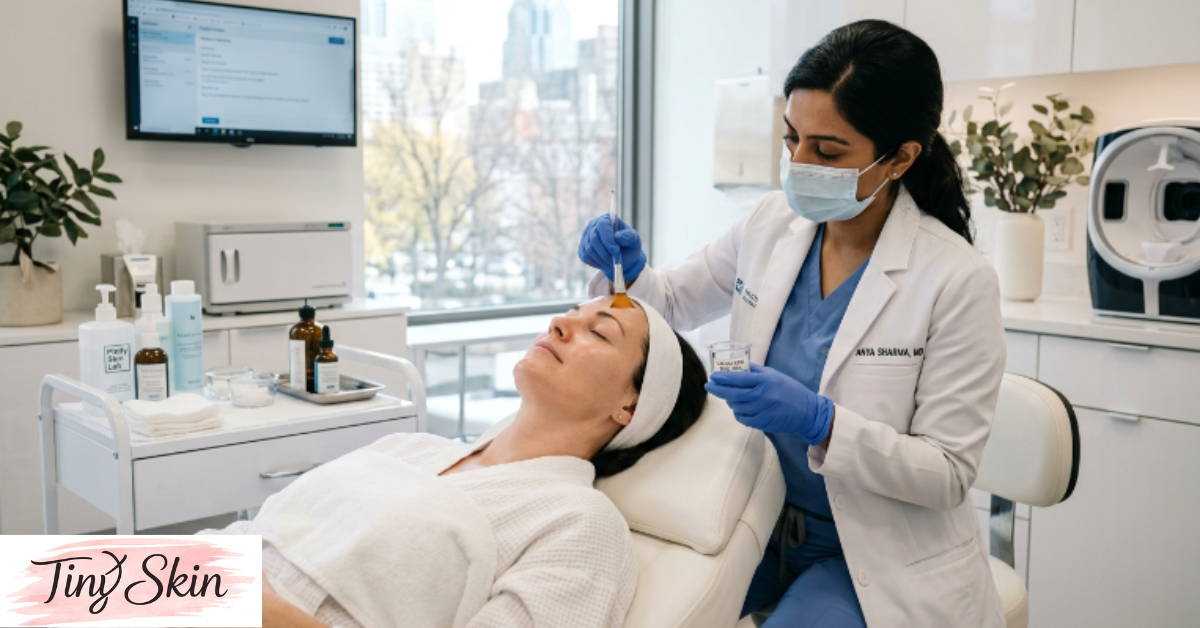
A chemical peel is a skin exfoliation treatment. A dermatologist or licensed esthetician applies a chemical solution to the skin. This solution removes the outer, damaged layer of skin cells. Underneath, smoother and more even-toned skin appears.
How Chemical Peels Work on the Skin
The solution triggers controlled exfoliation. Dead cells lift away, and the skin responds by producing new collagen. This process improves texture over several weeks. Results build gradually rather than overnight.
Common Ingredients Used in Peels
Peels typically use acids like glycolic, salicylic, or lactic acid. Each ingredient targets different concerns. Stronger peels may use trichloroacetic acid (TCA) for deeper correction.
Who Chemical Peels Are Designed For
Peels suit people dealing with dullness, rough texture, mild scarring, or uneven tone. However, not everyone is a candidate. A licensed provider should always assess your skin first.
People searching for chemical peels philadelphia often want a treatment that fits into a busy schedule. Most peels require minimal downtime, which makes them appealing for working professionals and parents alike.
Why Philadelphia Residents Are Choosing Chemical Peels
Philadelphia’s climate shifts dramatically between seasons. Cold winters and humid summers can both stress the skin barrier. As a result, many residents notice dullness, dryness, or breakouts throughout the year.
Seasonal Skin Challenges in Philadelphia
Harsh winter wind strips moisture. Meanwhile, summer humidity increases oil production and clogged pores. Chemical peels help balance skin year-round by removing buildup that worsens these effects.
Growing Demand for Non-Invasive Treatments
More people prefer non-surgical options for smoother skin. Chemical peels offer visible improvement without needles or extended recovery. This makes them a popular entry point into professional skincare.
Access to Experienced Dermatology Clinics
Philadelphia has a strong network of board-certified dermatologists and skincare specialists. This gives residents more options to find personalized, medically guided treatment plans.
Dermatologists recommend combining professional peels with a consistent home skincare routine for the best long-term outcome.
Common Skin Concerns Chemical Peels Address
Understanding what a peel can and cannot fix helps set realistic expectations. Below is a simple breakdown.
| Skin Concern | Common Cause | How Chemical Peels Help |
|---|---|---|
| Uneven skin texture | Dead skin buildup, sun damage | Removes rough surface layer, smooths texture |
| Dull complexion | Slower cell turnover with age | Speeds up cell renewal for brighter skin |
| Mild acne scarring | Past breakouts, inflammation | Encourages collagen remodeling over time |
| Uneven skin tone | Sun exposure, hormonal changes | Fades surface pigmentation gradually |
| Enlarged pores | Excess oil, clogged debris | Clears pore buildup, refines appearance |
Texture and Tone Improvements
Most clients notice smoother, more even-toned skin after a series of treatments. Improvement is gradual, not instant, and depends on skin type.
Acne and Post-Breakout Marks
Peels can reduce the appearance of shallow acne scars. However, deep or pitted scarring may need a different treatment approach.
Fine Lines and Sun Damage
Regular peels can soften the look of fine lines caused by sun exposure. Consistency matters more than a single session.
Types of Chemical Peels Available in Philadelphia
Not all peels are the same strength. Providers typically offer three depth categories based on skin needs.
Superficial Peels
These use mild acids and only affect the outermost skin layer. They require little to no downtime and are ideal for first-time users.
Medium-Depth Peels
Medium peels reach deeper layers and address more visible texture or tone issues. Some redness and peeling are expected for a few days.
Deep Peels
Deep peels offer the most dramatic results but require longer recovery. These are usually performed by dermatologists for significant skin concerns.
| Peel Type | Downtime | Best For |
|---|---|---|
| Superficial | 0–2 days | Dullness, mild texture issues |
| Medium | 3–7 days | Uneven tone, moderate scarring |
| Deep | 7–14+ days | Significant sun damage, deeper scarring |
Additionally, providers often customize peel strength based on your skin type and goals during a consultation.
What to Expect During Your Chemical Peel Appointment
Knowing the process in advance can ease any nervousness about your first visit.
The Consultation Step
Your provider will examine your skin and discuss your goals. They will also review your medical history to confirm you are a safe candidate.
During the Treatment
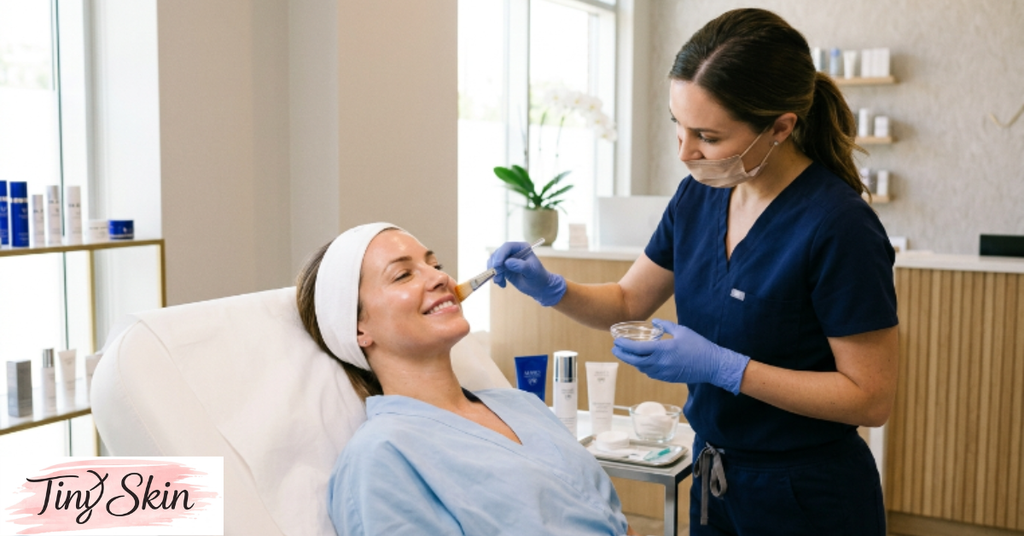
The solution is applied evenly across clean skin. You may feel mild tingling or warmth. Most sessions take 20 to 45 minutes.
Immediately After the Peel
Skin may appear pink or feel tight. Superficial peels usually cause minimal visible reaction, while deeper peels may cause noticeable peeling within days.
Moreover, providers typically apply a soothing product before you leave to support the skin barrier.
Key Takeaways
- Chemical peels remove dead skin cells to reveal smoother, brighter skin.
- Philadelphia’s seasonal climate changes make regular exfoliation especially helpful.
- Peels range from superficial to deep, each with different downtime.
- Results build gradually and often require multiple sessions.
- A licensed dermatologist should assess your skin before treatment.
- Proper aftercare protects results and prevents irritation.
Aftercare Tips for Long-Lasting Results
Aftercare plays a major role in how well your skin heals and how long results last.
Protecting Skin From Sun Exposure
Freshly treated skin is more sensitive to UV rays. Daily sunscreen use is essential, even on cloudy days.
Keeping Skin Hydrated
Gentle, fragrance-free moisturizers help restore the skin barrier. Avoid harsh exfoliants for at least a week after treatment.
Avoiding Common Aftercare Mistakes
Do not pick at peeling skin, as this can cause scarring. Also avoid strenuous workouts that cause excess sweating right after treatment.
Dermatologist advice consistently emphasizes patience. Rushing back into strong actives too soon can undo your results.
How to Choose the Right Provider in Philadelphia
Choosing a qualified provider matters as much as choosing the right peel.
Checking Credentials and Experience
Look for board-certified dermatologists or licensed medical estheticians. Ask how many peel treatments they perform regularly.
Reading Reviews and Before-and-After Results
Genuine client reviews and real result photos help set accurate expectations. Be cautious of providers who guarantee dramatic instant results.
Scheduling a Skin Consultation First
A proper consultation ensures the peel matches your skin type. This step also reduces the risk of irritation or uneven results.
Ultimately, a trustworthy provider will prioritize your skin’s health over a one-size-fits-all treatment plan.
Chemical Peels vs. Other Skin Treatments
Many people compare chemical peels to microdermabrasion or laser treatments. Here is a simple side-by-side comparison.
| Treatment | Method | Downtime | Best For |
|---|---|---|---|
| Chemical Peel | Acid-based exfoliation | 0–14 days (varies) | Texture, tone, dullness |
| Microdermabrasion | Physical exfoliation | Minimal | Surface-level smoothing |
| Laser Resurfacing | Light-based technology | 5–14+ days | Deeper scarring, wrinkles |
Why Peels Often Offer Better Value
Peels are generally more affordable than laser treatments while still delivering visible improvement. This makes them accessible for regular maintenance.
When a Different Treatment May Be Better
Deep wrinkles or significant scarring may respond better to laser therapy. A dermatologist can help determine the most effective option.
However, many providers combine treatments over time for enhanced, long-term skin rejuvenation.
Conclusion
Smooth, even-toned skin is achievable with the right guidance and consistency. Chemical peels remain one of the most reliable ways to refresh dull, uneven skin. If you have been searching for chemical peels philadelphia, the best next step is booking a professional consultation. A qualified dermatologist can evaluate your skin and recommend a peel strength suited to your goals. Ready to start your skin rejuvenation journey? Schedule a consultation with a trusted Philadelphia dermatology provider today and take the first step toward clearer, healthier-looking skin.
FAQs
How many chemical peel sessions will I need to see results?
Most people need three to six sessions spaced a few weeks apart. Results depend on skin type, concern severity, and peel strength. Superficial peels often need more sessions than medium-depth peels for similar visible improvement.
Are chemical peels painful?
Most patients feel mild tingling, warmth, or slight stinging during treatment. Superficial peels are generally very tolerable. Medium and deep peels may cause more noticeable sensation, but providers use techniques to keep discomfort manageable.
How long does peeling last after treatment?
Superficial peels may cause light flaking for a day or two. Medium peels often cause visible peeling for three to seven days. Deep peels can take one to two weeks for full skin recovery.
Can chemical peels help with acne scars?
Yes, peels can improve the appearance of shallow acne scarring by encouraging skin renewal. However, deep or pitted scars may respond better to other treatments like microneedling or laser therapy.
Is it safe to get a chemical peel in the summer?
Yes, but sun protection becomes even more important. Freshly treated skin is more sensitive to UV exposure, so daily sunscreen and shade are essential during Philadelphia’s summer months.
How do I know which peel strength is right for me?
A licensed dermatologist can assess your skin type, tone, and concerns during a consultation. They will recommend a peel strength based on your goals, downtime availability, and skin sensitivity.

