

Introduction
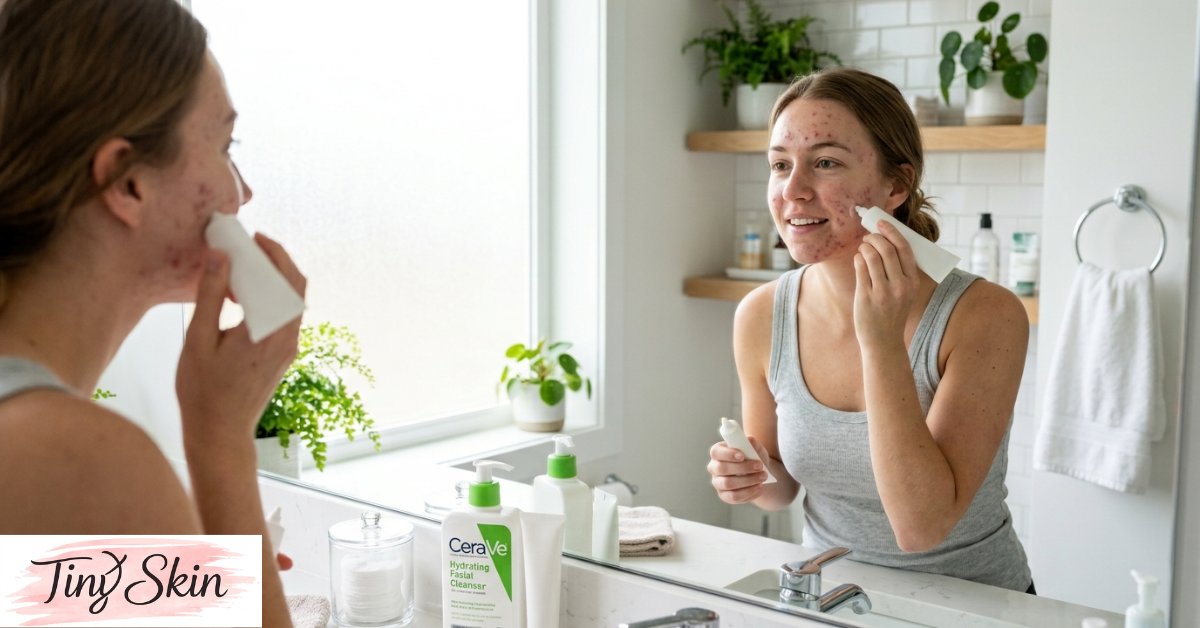
Do new breakouts appear just when your face finally looks calm? You are not alone. Acne prone skin affects millions of women in Russia and worldwide, from students to adults in their forties. Cold winters, dry indoor heating, and daily stress often make the problem worse.
The good news is that acne prone skin responds well to a steady, gentle plan. This guide explains what causes breakouts, which ingredients help, and how to build a simple routine. You will also learn how to exfoliate safely and when to see a dermatologist. Follow these steps, and you can support clearer, smoother, calmer skin without harsh products or guesswork.
What Is Acne Prone Skin?
Acne prone skin is skin that clogs and breaks out more easily than average. Dermatologists explain that four factors work together: excess oil, dead skin cells, bacteria, and inflammation. Consequently, one blocked pore can turn into a red, painful spot within days.
Which Skin Types Get Breakouts?
Any skin type can be acne prone. Oily skin breaks out most often. However, combination and even dry skin can develop clogged pores. Therefore, acne prone skin describes a tendency, not a fixed skin type.
Common Signs to Watch For
- Blackheads and whiteheads on the nose, forehead, and chin
- Red, tender bumps along the jaw
- Shine and visible pores by midday
- Dark marks that linger after spots heal
Acne Prone Skin vs. Occasional Breakouts
Everyone gets a pimple now and then. However, new spots that appear most weeks suggest a pattern. In contrast, a single pimple before your period is usually normal. Deep, painful, or scarring spots need a doctor’s review, so do not ignore them.
What Causes Acne Prone Skin?
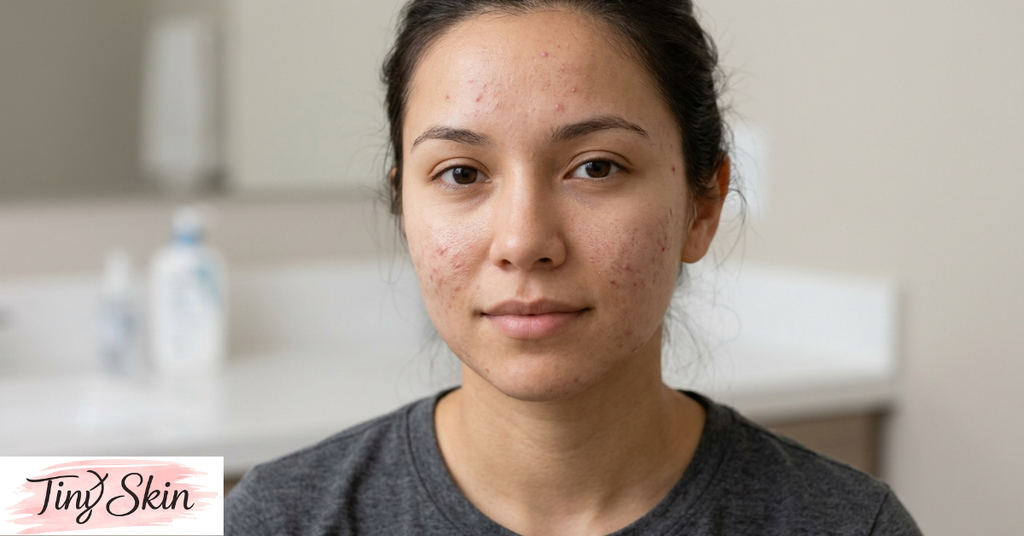
Several factors shape acne prone skin. Understanding them helps you choose the right products and avoid common traps.
Excess Oil and Clogged Pores
Your sebaceous glands produce an oil called sebum. When sebum mixes with dead skin cells, it can plug a pore. Bacteria such as Cutibacterium acnes then multiply inside the blocked pore. As a result, the skin becomes inflamed and red.
Hormones and Genetics
Hormones called androgens increase oil production. That is why many women notice breakouts around their period, during stressful weeks, or with conditions such as polycystic ovary syndrome (PCOS). Additionally, genetics matter. If your parents had acne, you may face a higher risk.
Russian Climate and Environment
Long, cold winters and central heating dry the skin’s surface. In response, skin may lose moisture and still produce extra oil. Moreover, scarves, hats, and face masks trap sweat and cause friction. In summer, heat and humidity in southern regions can increase shine. City pollution may add to the problem.
Daily Skincare Routine for Acne Prone Skin
A simple routine works better than ten products. Dermatologists recommend gentle, consistent care for acne prone skin. Aggressive scrubbing and constant product changes usually make things worse.
Morning Steps
- Cleanse with a gentle, sulfate-free gel cleanser.
- Apply a niacinamide serum if your skin tolerates it.
- Use a light, non-comedogenic moisturizer. This term means the formula is designed not to block pores.
- Finish with broad-spectrum SPF 30 or higher, even in winter.
Evening Steps
- Remove sunscreen and makeup with a gentle cleanser. Double cleanse if you wear heavy makeup.
- Apply your treatment product, such as adapalene, benzoyl peroxide, or azelaic acid.
- Add a ceramide moisturizer to protect your skin barrier.
Start one new product at a time. Wait about two weeks before adding another. Otherwise, you cannot tell what helps and what irritates.
Weekly Extras
Use a clay mask once a week if your skin feels oily. Change your pillowcase twice a week, because acne prone skin reacts to trapped oil and dirt. Additionally, wipe your phone screen often.
Best Ingredients for Acne Prone Skin
The right actives make a big difference for acne prone skin. However, more is not always better. The table below compares the most studied options.
| Ingredient | What It Does | Typical Strength | Watch Out For |
|---|---|---|---|
| Salicylic acid (BHA) | Cleans oil from inside pores; reduces blackheads | 0.5–2% | Dryness, stinging |
| Benzoyl peroxide | Reduces acne bacteria and inflammation | 2.5–5% | Dryness; bleaches fabric |
| Adapalene (retinoid) | Normalizes cell turnover; prevents clogged pores | 0.1% | Peeling, sun sensitivity; avoid in pregnancy |
| Azelaic acid | Calms redness, fades marks, mildly antibacterial | 10–20% | Mild tingling |
| Niacinamide | Balances oil; supports the skin barrier | 2–5% | Rare flushing |
| Glycolic acid (AHA) | Smooths the surface; fades marks | 5–10% | Irritation, sun sensitivity |
Active Ingredients That Treat Breakouts
Salicylic acid, benzoyl peroxide, and adapalene have strong clinical support. Doctors often combine benzoyl peroxide with adapalene, either in one gel or at different times of day. Consequently, many dermatologists consider this pair a reliable first step.
Supportive Ingredients
Ceramides, glycerin, and hyaluronic acid hydrate the skin and repair the barrier. Actives can dry the skin, so hydration is essential, not optional.
Ingredients to Use Carefully
Heavy oils, such as coconut oil, and thick balms may clog pores in some people. Strong fragrance and high-alcohol toners can also irritate. Therefore, patch test every new product on your jawline for three days before using it on your whole face.
Skin Exfoliation for Acne Prone Skin
Skin exfoliation removes dead cells that clog pores. However, over-exfoliating damages the barrier and worsens acne prone skin. Balance is the key.
Chemical vs. Physical Exfoliation
Chemical exfoliants, such as salicylic acid (BHA) and glycolic acid (AHA), dissolve the “glue” between dead cells. Physical scrubs rub them away manually. Dermatologists generally prefer chemical options for breakout-prone skin, because scrubs can irritate inflamed pimples. Additionally, chemical formulas give more even results.
How Often Should You Exfoliate?
- Beginners: once a week
- Tolerant, oily skin: two to three times a week
- Stop immediately if you feel burning, tightness, or heavy peeling
- Using a retinoid? Avoid exfoliating acids on the same night at first
Safe Exfoliation Steps
- Cleanse your face and pat it dry.
- Apply the exfoliant, avoiding eyes, lips, and nostrils.
- Rinse or wait as the label directs.
- Apply a calming moisturizer.
- Use sunscreen the next morning, since exfoliated skin burns more easily.
How to Smooth Uneven Skin Texture and Post-Acne Marks
Uneven skin texture often follows breakouts. Acne prone skin also tends to leave marks behind. Fortunately, many of these problems improve with time and the right plan.
| Texture Problem | Common Cause | Helpful Solution |
|---|---|---|
| Blackheads and rough bumps | Oil and dead cells in pores | Salicylic acid, adapalene |
| Red or brown marks | Inflammation after pimples | Azelaic acid, niacinamide, daily SPF |
| Enlarged pores | Genetics, oil, sun damage | Retinoid, niacinamide, sunscreen |
| Shallow scars | Deep inflammation, picking | Professional peels, microneedling, laser |
| Dry, flaky patches | Over-cleansing, harsh actives | Ceramide moisturizer, fewer actives |
Dark Marks vs. True Scars
Dark or red marks are not scars. They are temporary discoloration and usually fade over weeks to months. Scars, however, change the skin’s structure. They typically need professional treatment.
Smooth Skin Tips
- Never pick or squeeze spots.
- Wear sunscreen daily, because sun makes marks darker and longer-lasting.
- Be patient, since fading takes at least eight to twelve weeks.
Professional Options
A dermatologist can recommend chemical peels, microneedling, or laser therapy. These treatments work best after active acne is under control. Additionally, a specialist can tell you which option fits your skin tone and scar type.
Lifestyle Habits and Dermatologist Advice for Acne Prone Skin
Products help, but lifestyle and dermatologist advice work best together for acne prone skin. Small daily habits add up.
Food, Sleep, and Stress
Research suggests high-glycemic foods, such as sweets and white bread, may worsen acne in some people. Some studies also link dairy, especially skim milk, to breakouts. However, the evidence is mixed, so track your own triggers. Moreover, poor sleep and constant stress raise cortisol, which may increase oil production.
Everyday Habits to Change
- Wash your face after sweaty workouts.
- Clean scarves, hats, and masks regularly.
- Keep hair oils and sprays away from your forehead.
- Avoid touching your face throughout the day.
When to See a Dermatologist
Book a visit if you have deep cysts, scarring, or no improvement after 8–12 weeks of consistent care. Also see a doctor if acne appears suddenly with irregular periods or excess hair growth. A dermatologist may prescribe topical retinoids, antibiotics, hormonal therapy, or isotretinoin. Isotretinoin requires strict medical supervision and is unsafe during pregnancy.
Key Takeaways
Key Takeaways
- Acne prone skin is a tendency to clog and break out, and it can affect any skin type.
- Oil, dead cells, bacteria, hormones, and Russian winter dryness all play a role.
- A simple routine (gentle cleanser, one active, light moisturizer, SPF) beats a complicated one.
- Salicylic acid, benzoyl peroxide, adapalene, and azelaic acid have the strongest evidence.
- Exfoliate one to three times weekly at most, and stop if skin burns or peels.
- See a dermatologist for deep, scarring, or hormonal acne, or if nothing improves in 8–12 weeks.
FAQs
What is the best skincare routine for acne prone skin?
The best routine is simple and consistent. Cleanse gently twice daily, apply one proven active such as adapalene or benzoyl peroxide, moisturize with a non-comedogenic cream, and use SPF 30 or higher every morning. Add new products slowly, one at a time, and give each about eight weeks to work.
Can acne prone skin be cured permanently?
Doctors usually describe acne as a manageable condition, not a one-time cure. Many people see long-term clearing with steady care and medical treatment. However, hormones and genetics can cause flare-ups later. Ongoing maintenance, such as a retinoid and sunscreen, helps keep acne prone skin calm and clear.
Do I need a moisturizer if my skin is oily?
Yes. Oily skin still needs water and barrier support. Skipping moisturizer can leave skin dehydrated, which may trigger extra oil. Choose a light gel or lotion labeled non-comedogenic. Moreover, moisturizer reduces the dryness and peeling that acne treatments often cause.
How often should I exfoliate acne prone skin?
Most people do well with chemical exfoliation one to three times a week. Start with once weekly and increase slowly. Stop if you feel burning, tightness, or peeling. If you already use a retinoid, exfoliate less often and ask a dermatologist for a personalized schedule.
How long does it take to see results?
Most treatments need six to twelve weeks to show clear improvement. Skin may even look worse in the first two to four weeks, especially with retinoids. Therefore, stay consistent and avoid switching products too early. If nothing improves after twelve weeks, book a dermatologist appointment.
Can diet cause breakouts?
Diet does not cause acne alone, but it may influence it. Research suggests high-glycemic foods and possibly dairy worsen breakouts in some people. Evidence remains mixed. Keep a simple food diary for a few weeks, and discuss suspected triggers with your doctor before cutting out entire food groups.
Conclusion
Acne prone skin can feel frustrating, but it is manageable. Focus on the basics: gentle cleansing, proven actives, careful skin exfoliation, daily sunscreen, and patience. Remember that Russian winters and indoor heating dry your skin, so protect your barrier all year. Additionally, avoid picking, and change one habit at a time. Lasting results usually take eight to twelve weeks.
If your acne prone skin is painful, scarring, or not improving, do not wait. Book an appointment with a qualified dermatologist today and get a plan built for your skin.
Disclaimer: This article is for education only. It does not replace personal medical advice.

