

Introduction
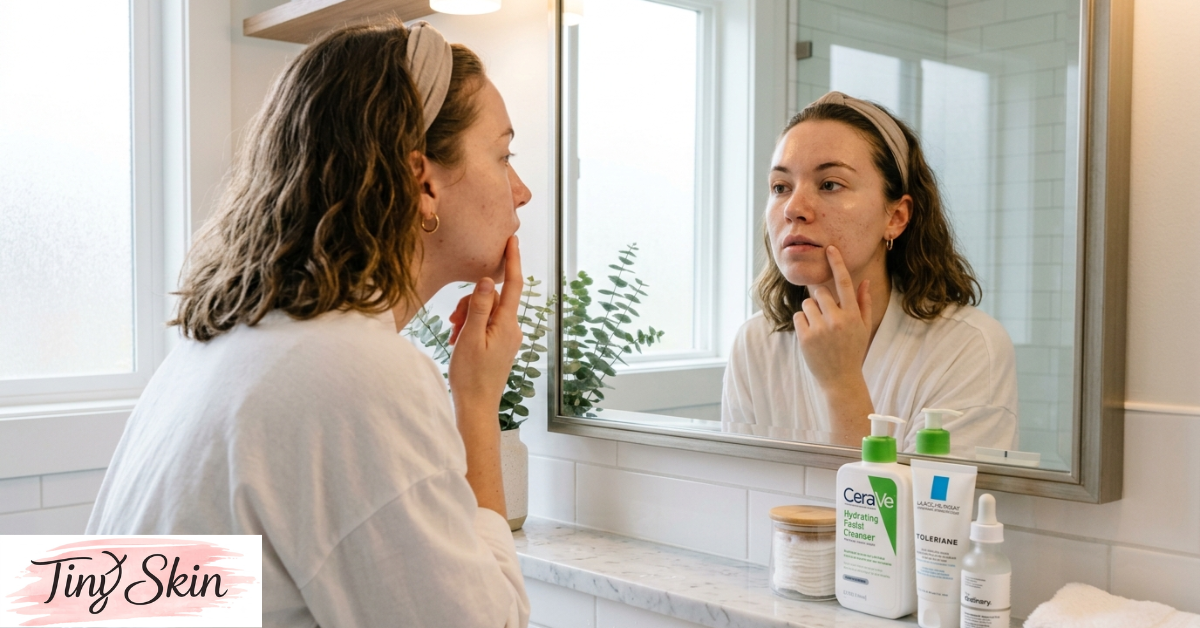
Do you see tiny dark dots on your nose or rough bumps on your chin? You are not alone. Clogged pores are one of the most common skin concerns worldwide. They affect people in Moscow, Kazan, and Novosibirsk just as much as anywhere else.
These blockages form when oil, dead skin cells, and dirt fill the small openings in your skin. Over time, they can lead to blackheads, whiteheads, and uneven skin texture. The good news is that you can manage them with the right routine.
In this guide, you will learn what causes clogged pores, how to clear them safely, and which ingredients dermatologists often recommend. You will also get a simple plan that works with cold winters and dry indoor heating.
What Are Clogged Pores?
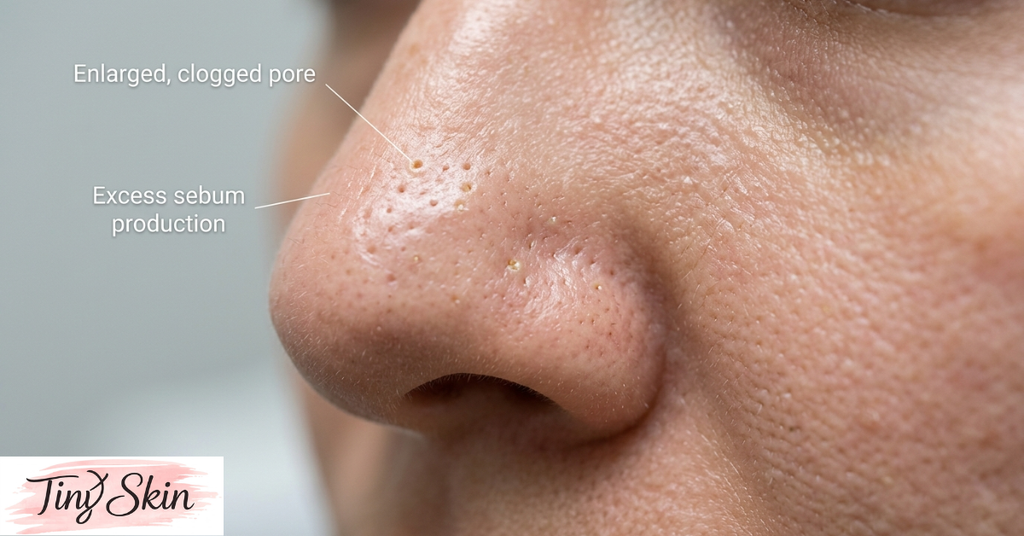
Pores are tiny openings in your skin. Each one connects to a hair follicle and an oil gland. The gland makes sebum, a natural oil that protects your skin. Clogged pores happen when sebum mixes with dead skin cells and gets trapped inside the opening.
How Pores Work
Your skin sheds dead cells every day. Normally, these cells leave the surface without trouble. However, extra oil or uneven shedding can glue them together inside the pore. This plug is called a comedone. Dermatologists consider comedones an early step in most acne.
Blackheads vs. Whiteheads
Blackheads and whiteheads are both types of comedones. In a blackhead, the pore stays open, and the plug darkens after it meets air. In a whitehead, a thin layer of skin covers the plug. It looks like a small white or flesh-colored bump.
Table 1: Types of Pore Blockages
| Type | What It Looks Like | What Happens Inside | Best First Step |
|---|---|---|---|
| Blackhead (open comedone) | Flat dark dot | Open pore; plug darkens with air | Salicylic acid (BHA) |
| Whitehead (closed comedone) | Small white or skin-toned bump | Skin covers the plug | Retinoid or gentle BHA |
| Sebaceous filament | Tiny grey-yellow dots, often on the nose | Normal oil channel | Gentle cleansing; do not squeeze |
| Inflamed pimple | Red, tender bump | Blocked pore plus bacteria and inflammation | Benzoyl peroxide; see a doctor if severe |
Sebaceous Filaments vs. Clogged Pores
Many people mistake sebaceous filaments for blackheads. Filaments are normal oil channels. They refill within weeks, so you cannot remove them for good. True clogged pores, by contrast, look darker or raised and feel rough.
What Causes Clogged Pores?
Several factors work together. Knowing them helps you choose the right fix.
Excess Oil and Slow Cell Turnover
Oily and combination skin produce more sebum. Additionally, cells that do not shed well stick inside the pore. Together, these two problems create a plug faster.
Hormones and Stress
Hormone changes raise oil production. They happen during puberty, before periods, and during pregnancy. Stress may also trigger breakouts in some people. Many women notice clogged pores along the chin and jawline around their cycle.
Climate and Habits in Russia
Long, cold winters lead many people to use rich creams and spend hours in dry, heated rooms. Dry air makes skin flake, which adds dead cells to the surface. Meanwhile, city pollution, heavy makeup, and skipped evening cleansing add to the buildup. Common triggers include:
- Thick, oil-heavy creams on oily areas
- Makeup or sunscreen left on overnight
- Sweat and friction from hats, scarves, or helmets
- Hair products that touch the forehead
- Pillowcases that go unwashed for weeks
Comedogenic ratings score how likely an ingredient is to block pores. However, these ratings are not perfect. Therefore, watch how your own skin reacts.
Signs of Clogged Pores and Uneven Skin Texture
Clogged pores often show up in small, repeated ways.
Common Signs
- Dark dots on the nose, chin, or forehead
- Small, flesh-colored bumps that feel rough
- Pores that look larger than usual
- Dull skin that reflects light unevenly
- Makeup that clings to bumpy areas
Where They Usually Appear
The T-zone (forehead, nose, and chin) has the most oil glands. Therefore, clogged pores appear there first. However, they can also form on the cheeks, along the hairline, and on the chest or back.
When It Might Be Something Else
Not every bump is a clogged pore. Fungal acne causes itchy, uniform small bumps. Milia are hard white cysts, often near the eyes. Keratosis pilaris creates rough patches on the upper arms. If bumps itch, hurt, or ignore your usual routine, ask a dermatologist for a proper diagnosis.
How to Get Rid of Clogged Pores at Home
You can improve most mild cases at home. However, be patient. Skin needs weeks, not days, to respond.
Build a Simple Daily Routine
- Cleanse: Wash morning and evening with a gentle, non-stripping cleanser.
- Remove makeup first: At night, use micellar water or cleansing oil, then cleanse again.
- Treat: Apply a salicylic acid product or another active in the evening.
- Moisturize: Choose a light, non-comedogenic gel or lotion, even for oily skin.
- Protect: Wear SPF 30 or higher every morning. Pick an oil-free formula.
A gentle routine works better for clogged pores than harsh cleaning. Skin that feels tight after washing has lost too much oil.
Choose Chemical Exfoliation Over Harsh Scrubs
Skin exfoliation removes the dead cells that block pores. Dermatologists generally prefer chemical exfoliants, such as salicylic acid, over rough scrubs, because scrubs can irritate the skin. Gentle skin exfoliation is the most useful step for clogged pores. Start two to three times a week. Increase only if your skin feels comfortable.
Try a Clay Mask Once a Week
Kaolin or bentonite clay absorbs surface oil. Apply a thin layer for about 10 minutes, then rinse before it dries completely. Skip clay on dry or irritated areas.
Best Ingredients for Clogged Pores
The best ingredients for clogged pores loosen the plug or slow its formation. The table below compares the most common options.
Table 2: Ingredient Comparison
| Ingredient | How It Works | Typical Strength | Best For | Watch Out For |
|---|---|---|---|---|
| Salicylic acid (BHA) | Dissolves in oil and clears the inside of the pore | 0.5–2% | Blackheads, oily skin | Dryness, stinging |
| Glycolic / lactic acid (AHA) | Loosens dead cells on the surface | 5–10% (home use) | Dull, rough skin | Sun sensitivity |
| Adapalene (retinoid) | Helps skin shed cells evenly | 0.1% gel | Whiteheads, repeat breakouts | Dryness; avoid in pregnancy |
| Azelaic acid | Mild exfoliation and calming | 10–20% | Sensitive skin, dark marks | Mild tingling |
| Niacinamide | Supports the skin barrier | 2–5% | Oily or sensitive skin | Rare flushing |
| Benzoyl peroxide | Reduces acne bacteria | 2.5–5% | Inflamed pimples | Dryness; bleaches fabric |
Introduce one new active at a time. Patch test on your jawline for a few days first. Rules for buying retinoids differ by country, so ask a pharmacist or dermatologist.
Salicylic Acid for Pores
This beta hydroxy acid dissolves in oil, so it can travel inside the pore and loosen the plug. Research supports its use for comedones and mild acne. Start with a low strength a few nights a week.
Retinoids for Long-Term Results
Retinoids such as adapalene help skin shed cells more evenly. As a result, plugs form less often. Dermatologists often consider them a first-line option for comedonal acne. Expect some dryness at first and visible results after several weeks. Avoid retinoids during pregnancy unless your doctor approves.
Azelaic Acid and Niacinamide
These two suit sensitive skin well. Azelaic acid gently exfoliates and calms redness. Niacinamide supports the skin barrier and can help skin look less oily.
Habits That Make Clogged Pores Worse
Some everyday habits quietly make clogged pores worse. Fortunately, most are easy to fix.
Picking and Squeezing
Squeezing pushes debris deeper. It can cause inflammation, dark marks, or scars. Your hands and nails also carry bacteria. If you need extraction, see a licensed professional.
Heavy Products and Sleeping in Makeup
Thick creams, heavy foundations, and leftover sunscreen can trap oil. Always cleanse before bed. Additionally, wash pillowcases weekly and clean your phone screen often.
Over-Exfoliating and Using Hot Water
Too many acids, scrubs, or very hot water damage the skin barrier. Irritated skin becomes red and flaky, and it may break out more. Use lukewarm water and add only one exfoliating step at a time.
Skip these popular but risky “hacks”:
- Toothpaste on blackheads
- Lemon juice or baking soda scrubs
- Daily pore strips
- Sharp metal tools used without training
How to Prevent Clogged Pores for Good
Prevention depends on consistency. Small daily habits beat occasional deep cleaning.
Adjust Your Routine by Season
In winter, use a gentler cleanser and a richer but still non-comedogenic moisturizer. A humidifier can also help in heated rooms. In summer, switch to gel textures and cleanse after sweating. Consistency prevents clogged pores better than occasional “deep cleans.”
Consider Professional Treatments
A licensed esthetician can safely extract blackheads. Dermatologists may suggest chemical peels or prescription retinoids for stubborn cases. Ask about a clinic’s training and hygiene standards first.
When to See a Dermatologist
Seek dermatologist advice if you notice any of the following:
- No improvement after 8–12 weeks of steady care
- Painful, deep, or cyst-like bumps
- Scarring or lasting dark marks
- Sudden breakouts with irregular periods or excess hair growth, which can point to a hormonal condition
A dermatologist can match a plan to your skin type and rule out other conditions.
Key Takeaways
- Clogged pores form when oil, dead skin cells, and debris block a pore.
- Blackheads are open plugs, whiteheads are closed plugs, and sebaceous filaments are normal.
- Salicylic acid, adapalene, azelaic acid, and niacinamide are well-supported ingredients.
- Chemical exfoliation is gentler and more effective than rough scrubs.
- Squeezing, hot water, and overusing acids make clogged pores worse.
- See a dermatologist if nothing improves after 8–12 weeks or if bumps hurt.
FAQs
What causes clogged pores on the nose?
The nose has many active oil glands. Extra sebum mixes with dead skin cells and forms plugs. Makeup, heavy sunscreen, and skipped cleansing add to the problem. Many dots on the nose are also normal sebaceous filaments, which regular cleansing and salicylic acid can keep less visible.
Can you get rid of clogged pores permanently?
Usually not. Pores keep producing oil, so plugs can return. However, steady care with salicylic acid or a retinoid keeps them under control. Think of it as regular maintenance, not a one-time fix. Genetics and hormones also play a role.
How long does it take to clear clogged pores?
Many people see improvement after 4 to 12 weeks of consistent use of active ingredients. Skin renews itself slowly, so quick results are unlikely. Some retinoids cause temporary purging in the first weeks. If nothing changes after three months, consult a dermatologist.
Do pore strips and steam unclog pores?
Strips remove the top of a plug, but plugs refill quickly, and strips can irritate skin. Steam may soften debris but can also aggravate sensitive skin. Pores do not open and close like doors. Chemical exfoliation is a gentler, longer-lasting option.
Is it safe to squeeze clogged pores?
Dermatologists advise against it. Squeezing can push debris deeper, cause inflammation, and leave scars or dark marks. Hands and nails also carry bacteria. If a blackhead bothers you, use a salicylic acid product or visit a licensed professional for safe extraction.
Should I use a face scrub for clogged pores?
Usually no. Rough scrubs can create tiny tears and irritation. Chemical exfoliants like salicylic acid or lactic acid clean deeper inside pores with less friction. If you like a scrub, choose one with fine, round particles and use it once a week at most.
Conclusion
Clogged pores are common, treatable, and rarely a sign of poor hygiene. Most cases come from extra oil, dead skin cells, and everyday habits. With gentle cleansing, smart skin exfoliation, and ingredients such as salicylic acid or adapalene, you can enjoy smoother skin over time. Stay patient, add products slowly, and avoid picking.
If your clogged pores do not improve within 8 to 12 weeks, or if you notice pain, scarring, or sudden changes, book a visit with a board-certified dermatologist. Ready to build your routine? Explore our skincare guides and talk to a specialist today for personalized advice.
Medical disclaimer: This article is for education only and does not replace professional medical advice.

