

Introduction
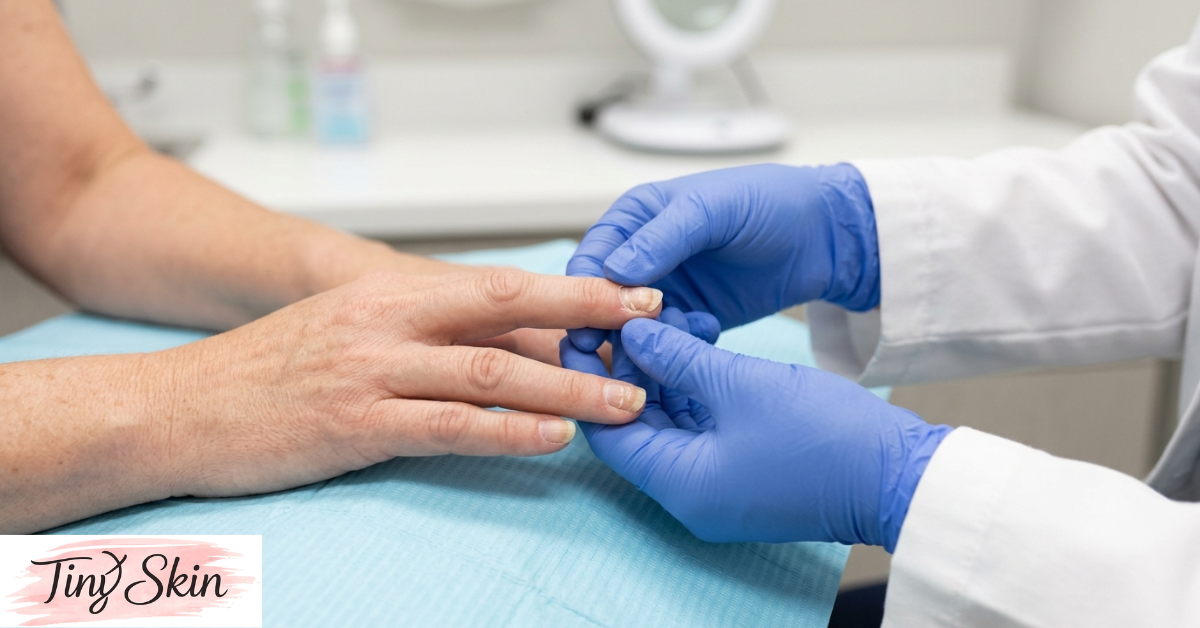
Do your nails split, peel, or break before they grow past your fingertips? You are not alone. Brittle nails are one of the most common nail complaints that dermatologists see, especially in women. Moreover, they often get worse in winter, when cold air outside and dry heating inside strip moisture from your hands.
The good news is that brittle nails usually respond well to simple changes. In this guide, you will learn what causes them, which habits make them worse, and which ingredients actually help. You will also find out when brittle nails signal a health problem that needs a doctor.
Whether you wear gel polish every month or never touch a manicure, this guide has a plan for you. Healthy, strong nails are possible, and you do not need an expensive salon treatment to get them.
What Are Brittle Nails?
Brittle nails split, crack, peel, or break with little force. Healthy nails feel smooth and flexible. In contrast, brittle nails feel dry, rough, and thin. Dermatologists say the condition is common, and it affects women more often than men.
Common Signs of Brittle Nails
Look for these signs:
- Tips that peel in thin layers
- Vertical splits or cracks
- Nails that snap when you open a can or type
- A rough, dull, or dry surface
- Edges that catch on your clothes or tights
Peeling vs. Splitting: Two Main Types
Doctors describe two main patterns. First, onychoschizia means the nail peels in horizontal layers at the tip. Repeated wetting and drying often causes it. Second, onychorrhexis means the nail splits along vertical ridges. Aging, injury, and some diseases can cause this pattern.
Brittle Nails or Normal Aging?
Mild vertical lines appear in most adults as they age. They are usually harmless. However, nails that break daily, hurt, or change color deserve attention. Those signs point to a real problem rather than normal wear.
Keep a short note of when your nails started to change. Dates and habits help your doctor find the cause.
Main Causes of Brittle Nails
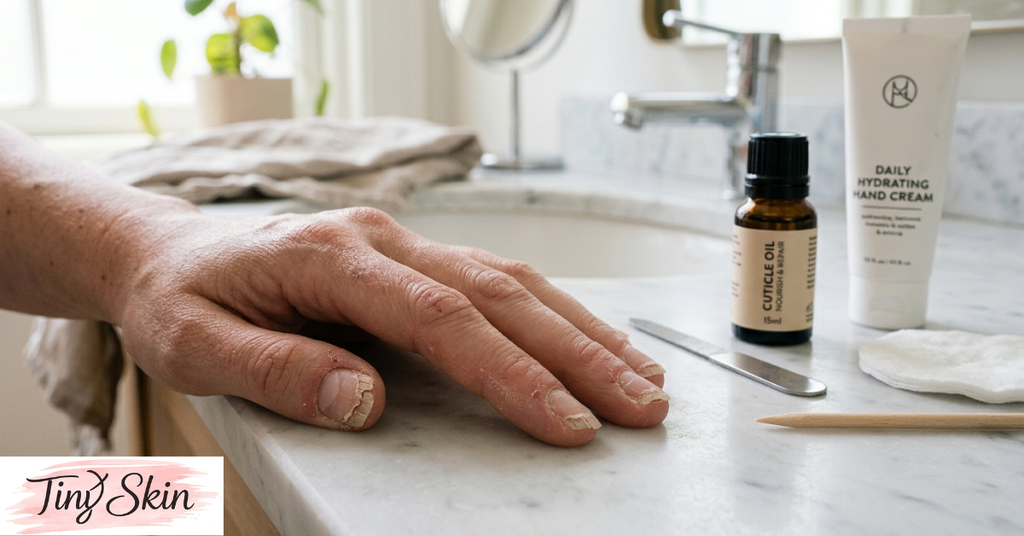
Most cases of brittle nails start with outside damage rather than illness. Therefore, changing daily habits often brings the fastest results.
Water, Soap, and Cleaning Products
Nails absorb water and swell. When they dry, they shrink again. Dermatologists often call this the wet-dry cycle, and it weakens the nail layers over time. Frequent hand washing, dishwashing, and cleaning make the problem worse. Alcohol-based sanitizers also strip natural oils from your nails and skin.
Manicure Habits That Weaken Nails
Beauty routines can harm nails more than people expect. Common mistakes include:
- Using acetone remover too often
- Peeling off gel polish or acrylics instead of soaking them off
- Buffing or filing the nail plate too aggressively
- Using nails as tools to open cans or scrape labels
- Cutting cuticles, which can damage the growth area and invite infection
Together, these habits thin the nail plate and invite splits.
Cold Weather and Dry Indoor Air
Russian winters test your nails. Cold air holds little moisture, and central heating dries indoor air even more. As a result, nails lose water and become fragile. Additionally, bare hands in freezing wind dry out quickly. Wear gloves outside and use a humidifier at home when possible.
Medical Conditions Linked to Brittle Nails
Sometimes brittle nails point to a health issue. Dermatologists look at the whole picture, so they check your nails, skin, and general health.
Iron Deficiency and Thyroid Problems
Studies suggest iron deficiency can make nails thin, brittle, or spoon-shaped. Thyroid disease may also change nail strength. Fatigue, hair loss, and pale skin often appear alongside these problems. A simple blood test can check for them.
Skin and Nail Conditions
Psoriasis, lichen planus, and eczema can damage the nail matrix, the area where nails grow. Fungal infections can make nails thick, yellow, and crumbly. Each condition needs a different treatment. Therefore, self-diagnosis rarely works.
Age, Medications, and Other Factors
Nails grow more slowly with age and often become drier. Certain medicines, including some acne and cancer drugs, can also affect nails. Ask your doctor if a new prescription changed your nails.
Table 1: Nail Symptoms, Possible Causes, and Next Steps
| Symptom | Possible Cause | Next Step |
|---|---|---|
| Peeling layers at the tips | Repeated wetting, harsh products | Moisturize daily, wear gloves |
| Thin, spoon-shaped nails | Iron deficiency | Ask a doctor for blood tests |
| Thick, yellow, crumbly nails | Fungal infection | See a dermatologist for testing |
| Pitting plus flaking | Psoriasis | Get a dermatologist evaluation |
| Brittleness with fatigue and hair thinning | Possible thyroid problem | Ask for thyroid tests |
| Mild vertical ridges only | Normal aging | Moisturize; no treatment needed |
How to Treat Brittle Nails at Home
Treating brittle nails takes patience. Fingernails grow about 3 millimeters per month, so full regrowth takes about four to six months.
Build a Simple Daily Routine
- Wash your hands with lukewarm water and a gentle soap.
- Pat your hands dry right away.
- Apply a rich hand cream and massage it into your nails and cuticles.
- Wear rubber gloves with cotton liners for dishes and cleaning.
- Seal in moisture at night with petroleum jelly and cotton gloves.
Consistency usually helps more than product price. A basic, fragrance-free cream used several times a day often beats a luxury cream used once a week.
Smarter Manicure Habits
Keep nails short while they recover. File gently in one direction with a fine file. Choose an acetone-free remover. Moreover, give your nails a polish-free break between manicures.
Removing Gel Polish Safely
Never peel gel polish. Peeling rips off nail layers and causes the nail peeling many people blame on “weak nails.” Instead, soak cotton pads in remover, wrap each finger in foil, and wait 10 to 15 minutes. Then slide off the softened polish gently and apply cuticle oil.
Best Ingredients for Brittle Nails
Ingredient labels can confuse you. Fortunately, a few well-understood ingredients do most of the work.
Ingredients That Help
Moisturizers fall into two groups. Humectants, such as glycerin and urea, pull water into the nail. Occlusives, such as petrolatum, seal that water in. Using both works best.
Ingredients to Limit or Avoid
Frequent acetone use dries nails. Formaldehyde-based hardeners can cause irritation and allergic reactions. They may also make nails more brittle. Choose products labeled “formaldehyde-free,” and pick fragrance-free creams if your skin is sensitive.
Do Nail Hardeners Work?
Some hardeners add temporary stiffness. However, stiff nails can snap instead of bending. Dermatologists generally prefer moisturizing care over hardening products. Always patch-test new products first.
Table 2: Ingredient Comparison for Nail Care
| Ingredient | What It Does | Dermatologist Note |
|---|---|---|
| Petrolatum | Seals in moisture | Greasy, so use at night |
| Urea | Attracts and holds water | May sting on cracked skin |
| Glycerin | Pulls water into the surface | Works best with a sealing layer |
| Lanolin | Softens and protects | Can trigger allergy in some people |
| Acetone | Dissolves polish | Dries nails; limit use |
| Formaldehyde | Hardens the nail surface | Can irritate; best avoided |
Vitamins and Supplements for Brittle Nails
Many people reach for pills first. However, supplements help only in specific cases.
Biotin: Helpful or Overhyped?
Small studies suggest biotin may improve nail thickness. Still, the evidence remains limited. Importantly, the US FDA warns that biotin can distort some lab results, including thyroid and heart tests. Many biotin products also contain far more than the daily need, which raises that risk. Therefore, tell your doctor before you take it.
Iron, Zinc, and Vitamin D
Doctors treat these only when tests show a deficiency. Women with heavy periods or restrictive diets have a higher risk of low iron, so testing makes sense. Extra iron can cause harm if you do not need it. Winter sunlight is limited in much of Russia, so ask your doctor about vitamin D testing.
Foods That Support Nail Health
Keratin, a protein, forms your nails. Therefore, eat enough protein every day. Good choices include:
- Eggs, fish, and lean meat
- Cottage cheese (tvorog), kefir, and other dairy
- Buckwheat, lentils, and beans
- Nuts, seeds, and leafy greens
A balanced diet supports nail health, yet no food replaces good nail care.
Key Takeaways
- Brittle nails usually result from repeated wetting, harsh products, and rough manicure habits.
- Moisturizing your hands and nails daily is the most effective first step.
- Never peel gel polish. Soak it off and give your nails regular breaks.
- Biotin evidence is limited, and it can affect lab test results.
- Iron or thyroid problems can cause brittle nails, so blood tests give clear answers.
- See a dermatologist if your nails change color, change shape, or hurt.
When to See a Dermatologist About Brittle Nails
Home care works for most people. However, some signs need a professional.
Warning Signs You Should Not Ignore
Book an appointment if you notice:
- Dark streaks, spots, or lines under the nail
- Swelling, pain, or redness around the nail
- Nails that lift off the nail bed
- Thick, yellow, or crumbling nails
- No improvement after three months of care
A dark streak needs a prompt check, because rarely it signals skin cancer.
What Your Doctor May Do
A dermatologist examines your nails and skin. Additionally, the doctor may take a nail clipping to test for fungus. Blood tests can check iron, thyroid function, and other levels. In Russia, you can start with a dermatologist (дерматолог) or a general practitioner (терапевт).
Professional Treatment Options
Treatment depends on the cause. Doctors may prescribe antifungal medicine, treat psoriasis, or correct a deficiency. Meanwhile, they will teach you protective habits. Brittle nails often improve once the root cause is treated. Early treatment also keeps small problems from becoming bigger ones.
FAQs
Why are my nails suddenly brittle?
Sudden brittleness usually follows a change in routine. Common triggers include more hand washing, new cleaning products, frequent gel manicures, or dry winter air. However, sudden changes can also reflect iron deficiency or thyroid issues. If nails do not improve in about three months, see a dermatologist for evaluation.
What vitamin deficiency causes brittle nails?
Iron deficiency is the best-known nutritional cause. Low zinc and low protein intake may also weaken nails. However, a blood test should confirm any deficiency before you take supplements. Taking vitamins without testing can waste money and, in the case of iron, may cause harm.
Does biotin really help brittle nails?
Small studies suggest biotin may make nails thicker, but the research is limited. It does not work for everyone. Furthermore, biotin can interfere with blood tests for thyroid and heart conditions. Always tell your doctor and the lab technician if you take it.
How long does it take to fix brittle nails?
Fingernails grow about 3 millimeters per month, so a fully healthy nail takes four to six months to grow out. However, you may notice less peeling and splitting within a few weeks of consistent moisturizing and gentle care. Patience and consistency matter most.
Are gel manicures bad for brittle nails?
Gel polish itself is not always harmful. The damage usually comes from harsh removal, heavy buffing, and constant wear without breaks. If you love gel, ask your technician for gentle removal, skip peeling, and rest your nails between manicures. Moisturize daily to protect the nail plate.
When are brittle nails a sign of a serious problem?
Brittle nails alone rarely signal a serious illness. However, see a doctor if you notice color changes, dark streaks, pain, swelling, or nails lifting from the bed. Additionally, seek advice if brittleness comes with fatigue, hair loss, or weight changes, because these can point to thyroid or iron problems.
Conclusion
Brittle nails can feel frustrating, but they are usually fixable. Start with gentle habits: moisturize daily, wear gloves, avoid peeling gel polish, and limit acetone. Support your body with a balanced diet, and test before you supplement. Most importantly, stay patient, because a new nail needs several months to grow.
However, do not ignore warning signs. If your brittle nails hurt, change color, or do not improve after three months, consult a dermatologist. An expert can find the cause and build a plan that fits your life. Take the first step today: apply hand cream, put on your gloves, and book that appointment if you need it.
Medical disclaimer: This article is for general education and does not replace professional medical advice.

