

Introduction
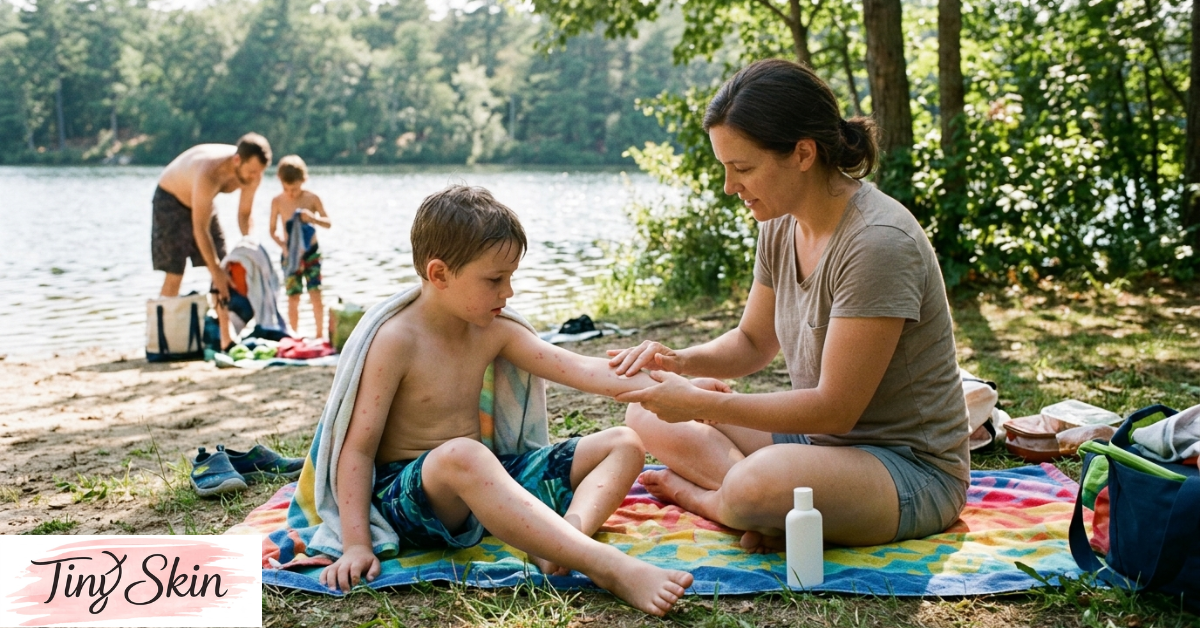
You wade into a sunny lake, swim for an hour, and head home happy. Then the itching starts. Small red spots appear on your legs or arms, and the urge to scratch grows fast. If this sounds familiar, you may have swimmer’s itch. This common summer rash affects people who swim in lakes, ponds, and reservoirs worldwide, including in Russia.
The good news? It looks alarming, but it is usually harmless and clears on its own. However, the itch can ruin your sleep and your holiday. In this guide, you will learn what causes swimmer’s itch, how to spot it, and how to treat it at home. You will also learn how to prevent it and when to call a doctor.
What Is Swimmer’s Itch and What Causes It?
The Parasite Behind the Rash
Swimmer’s itch has a medical name: cercarial dermatitis. In Russian medical sources, doctors call it cercarial dermatitis. Tiny parasite larvae, called cercariae, cause it.
These parasites live in birds and some mammals, such as ducks, geese, and muskrats. Adult parasites live inside the animal. Their eggs reach the water through the animal’s waste. The eggs hatch and infect freshwater snails. Later, the snails release free-swimming larvae into the water.
Warm, shallow water near the shore is where this cycle peaks. Birds, snails, and swimmers all gather there.
Why Humans Get an Itchy Rash
Humans are not the right host. Still, the larvae mistake swimmers for birds and burrow into the skin. They cannot survive there and die quickly. Your immune system then reacts to the dead larvae. That reaction causes the itch and rash.
It resembles a mild allergic response, not a true infection. Health agencies, including the U.S. Centers for Disease Control and Prevention (CDC), describe this process.
Is It Contagious?
No. You cannot catch swimmer’s itch from another person. Only contact with contaminated water causes it. However, several swimmers in the same spot can develop a rash at the same time. The larvae are microscopic, so you cannot see them in the water.
Swimmer’s Itch Symptoms: What to Look For
Early Signs
Swimmer’s itch symptoms can start within minutes of leaving the water. You may feel tingling, burning, or itching first. Some people notice nothing until a few hours later.
The rash usually appears on skin that stayed in the water. However, water trapped under a swimsuit can cause a rash there too. The rash often looks like many tiny dots rather than one large patch. Children may also become fussy or restless because of the itch.
The Full Rash
Within a day, the skin often shows clear changes. Look for these common signs:
- Small red bumps or pimple-like spots
- Tiny blisters in some cases
- Intense itching or burning
- Mild swelling around the bumps
In severe cases, bumps may merge into larger red patches. Repeat exposures often trigger stronger reactions because your immune system responds faster. Therefore, a second lake swim may feel worse than the first.
How Long Does It Last?
Most people recover within one to two weeks. The itch is usually worst in the first few days. Mild cases may fade sooner. Scratching, however, can slow healing and invite infection. Additionally, people with sensitive skin may feel more discomfort.
Swimmer’s Itch Risk Factors: Where and When It Strikes
Warm, Shallow Freshwater
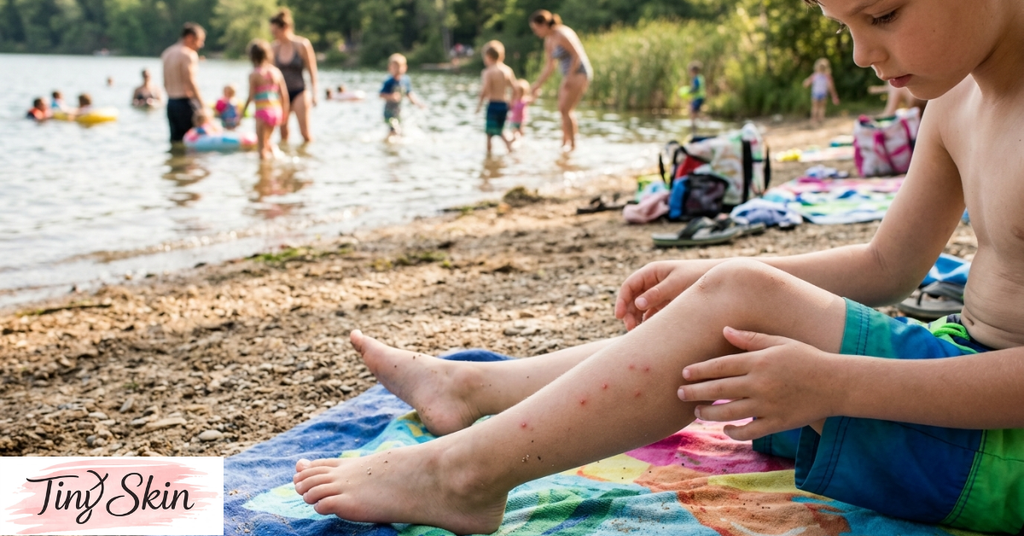
Swimmer’s itch most often occurs in warm, shallow freshwater. Lakes, ponds, and slow reservoirs carry the most risk. Larvae gather near the shore, where snails and water birds live. Stagnant water with dense plants raises the risk further.
Moreover, wind can push larvae toward swimming beaches. Therefore, avoiding reedy shorelines is a smart first step.
Peak Season in Russia
Risk rises in warm months. In Russia, that usually means June through August, when lakes and reservoirs heat up. Warm weather also speeds up snail activity and larval release.
Consequently, holiday swimmers and dacha families face the highest exposure. Local sanitary authorities, such as Rospotrebnadzor offices, often publish beach water-quality information, so check it before you swim.
Who Faces Higher Risk
Anyone can get swimmer’s itch. However, some people face greater risk:
- Children who play in shallow water for long periods
- People who stay wet after leaving the water
- Swimmers who return to the same lake often
- Anyone who wades near reeds and weeds
Interestingly, not everyone in the same water reacts. Some people develop only mild symptoms or none at all. Water temperature, wind, and local bird populations all influence how many larvae are present.
Swimmer’s Itch vs Other Summer Rashes
Many summer rashes look alike. Therefore, a quick comparison can help you tell them apart.
Comparison Table
| Rash | Typical Cause | Key Features | Usual Timing |
|---|---|---|---|
| Swimmer’s itch | Parasite larvae in freshwater | Itchy red dots or bumps on skin exposed to water; tingling | Minutes to a day after swimming |
| Seabather’s eruption | Larvae of marine animals, such as some jellyfish | Red bumps, often under swimsuit areas | Hours after sea swimming |
| Mosquito bites | Insect bites | Larger raised welts in random spots | Minutes to hours after the bite |
| Heat rash | Blocked sweat glands | Tiny bumps in skin folds and sweaty areas | During hot weather, unrelated to water |
| Contact dermatitis | Irritants or allergens, such as plants or chemicals | Red, scaly, sometimes streaky rash | Hours to days after contact |
Clues That Point to Swimmer’s Itch
Ask yourself three questions:
- Did I swim in a freshwater lake or pond in the past day?
- Does the rash cover skin that touched the water?
- Did other swimmers develop similar spots?
If you answer yes, swimmer’s itch is likely. However, only a doctor can confirm the diagnosis.
When Look-Alikes Need Care
Some conditions, such as cellulitis or a true allergic reaction, need medical care. Fever, spreading redness, or breathing trouble are warning signs. Seek help promptly if you notice them.
How to Treat Swimmer’s Itch at Home
Most cases of swimmer’s itch improve with simple self-care. The goal is to ease the itch while your skin heals.
Step-by-Step Relief Plan
- Shower with fresh water and dry your skin gently.
- Apply a cool, damp cloth for 10-15 minutes.
- Soak in a lukewarm colloidal oatmeal bath.
- Apply calamine lotion or hydrocortisone cream.
- Take an oral antihistamine if itching disrupts sleep.
- Keep your nails short and avoid scratching.
Home Remedy Comparison Table
| Remedy | How It Helps | Notes |
|---|---|---|
| Cool compress | Numbs and calms the itch | Safe for most people; use a clean cloth |
| Colloidal oatmeal bath | Soothes irritated skin | Use lukewarm, not hot, water |
| Hydrocortisone 1% cream | Reduces redness and inflammation | Short-term use only; avoid broken skin; ask a doctor about children |
| Calamine lotion | Cools and dries weepy spots | Can dry out skin if overused |
| Oral antihistamine | May ease itch and help sleep | Some types cause drowsiness |
| Baking soda paste | Some people find it soothing | Limited evidence; stop if it stings |
What to Avoid
Skip hot showers, scented lotions, and harsh scrubs. They can irritate the skin further. Additionally, do not pop blisters, because open skin invites bacteria. Dermatologists generally advise using topical steroids for short periods only. Follow the product label or your doctor’s advice.
How to Prevent Swimmer’s Itch
Before You Swim
You cannot remove the risk completely, but smart choices help:
- Check for local water warnings or beach notices
- Pick public beaches with regular water monitoring when possible
- Avoid reeds, marshes, and spots where waterbirds gather
- Choose deeper water over the shallow shoreline
- Consider water-resistant sunscreen; some research suggests it may reduce larvae contact, although evidence remains limited
After You Swim
Act fast, because larvae need a short time to burrow into the skin.
- Towel dry vigorously right after leaving the water.
- Shower with clean fresh water.
- Wash your swimsuit and dry it fully.
Remember that no method offers complete protection. Therefore, stay alert after every lake swim.
Protect the Water
Do not feed ducks, geese, or other waterbirds near swimming areas. Feeding draws birds to the shore, and birds spread parasite eggs. Also, never leave food scraps on the beach. These habits help break the cycle that causes swimmer’s itch.
Swimmer’s Itch Myths and Facts
Misinformation spreads quickly each summer. Let’s clear up three common beliefs.
Myth: Only Dirty Water Causes It
Fact: Crystal-clear lakes can carry larvae too. The parasite depends on snails and waterbirds, not on water cleanliness. Therefore, a beautiful beach does not guarantee safe swimming.
Myth: Larvae Keep Living Under Your Skin
Fact: The larvae die soon after they enter human skin. They cannot complete their life cycle in people. The itch comes from your immune response, not from live parasites. Therefore, you do not need to “dig out” anything.
Myth: Scratching Spreads the Rash
Fact: Scratching does not spread swimmer’s itch to new areas. However, it can break the skin and let bacteria enter. Consequently, scratching raises your infection risk and slows healing. Keep your nails short, and use cool compresses when the urge strikes.
Public health agencies share these facts to help swimmers stay calm and treat the rash correctly.
When to See a Doctor About a Rash
Warning Signs
Most rashes heal without medical help. However, contact a healthcare professional if you notice:
- Fever or chills
- Pus, warmth, or spreading redness
- Severe swelling or large blisters
- A rash that lasts longer than two weeks
- Itching so intense that you cannot sleep
Seek urgent care for trouble breathing or facial swelling. These may signal a serious allergic reaction.
What a Doctor Can Do
A doctor can confirm swimmer’s itch, prescribe stronger topical steroids, or treat infection with antibiotics. Moreover, a doctor can rule out other skin conditions. Tell your doctor where and when you swam. Bring photos showing how the rash changed over time.
Higher-Risk Groups
Babies, pregnant women, and people with eczema or weakened immune systems should seek advice early. Their skin may react more strongly, and some treatments need extra care.
Key Takeaways
- Swimmer’s itch is a rash caused by parasite larvae in freshwater lakes and ponds.
- It does not spread from person to person.
- Symptoms start within minutes to hours and usually fade in one to two weeks.
- Cool compresses, oatmeal baths, and hydrocortisone cream ease the itch.
- Towel dry right away and avoid shallow, reedy water to lower your risk.
- See a doctor for fever, pus, spreading redness, or a rash lasting over two weeks.
FAQs
What does swimmer’s itch look like?
It looks like small red bumps or pimple-like spots. Some people also develop tiny blisters or patches of raised skin. The rash appears on skin exposed to lake water, such as legs and arms. It itches, burns, or tingles. The spots may merge into larger red areas in severe cases.
How long does swimmer’s itch last?
Most cases clear within one to two weeks. The itch is usually worst in the first few days. Mild cases may fade sooner. Repeat exposure can cause a faster and stronger reaction. If symptoms last longer than two weeks, or the rash worsens, see a doctor.
Is swimmer’s itch contagious?
No. The rash does not spread from person to person. Scratching also does not spread it to other body areas. However, many swimmers can catch it from the same water at the same time. Broken skin from scratching can become infected, so keep your nails short and clean.
What is the fastest way to relieve swimmer’s itch?
Start with a cool compress or a colloidal oatmeal bath. Then apply a hydrocortisone cream or calamine lotion to calm the itch. An oral antihistamine may help at night. Avoid scratching, because it raises infection risk. Ask a pharmacist or doctor which products suit you, especially for children.
Can you get swimmer’s itch in a pool or the sea?
Chlorinated pools rarely cause it, because the snails that carry the parasite live in natural water. Freshwater lakes and ponds carry the highest risk. Salt water can cause a similar rash called seabather’s eruption, which comes from marine larvae instead. Both rashes look alike and respond to similar care.
Can children get swimmer’s itch?
Yes. Children often get it more because they play longer in warm shallow water and stay wet longer. Their skin may react strongly. Check with a pediatrician before using steroid creams or antihistamines on young children. Dry them quickly after swimming to lower the risk.
Conclusion
Swimmer’s itch is an unpleasant but usually harmless reaction to parasite larvae in lake water. The rash itches, but it typically fades within one to two weeks. Cool compresses, oatmeal baths, and over-the-counter creams can ease your discomfort. Moreover, simple habits, like towel drying right away and avoiding shallow, marshy water, cut your risk.
Remember that swimmer’s itch does not spread between people, so you can care for the rash without fear. However, see a healthcare professional if the rash worsens, looks infected, or does not improve. Planning a lake trip soon? Save this guide, share it with your family, and talk to a dermatologist about any stubborn rash. Your skin deserves care, so swim smart and enjoy the water.
