
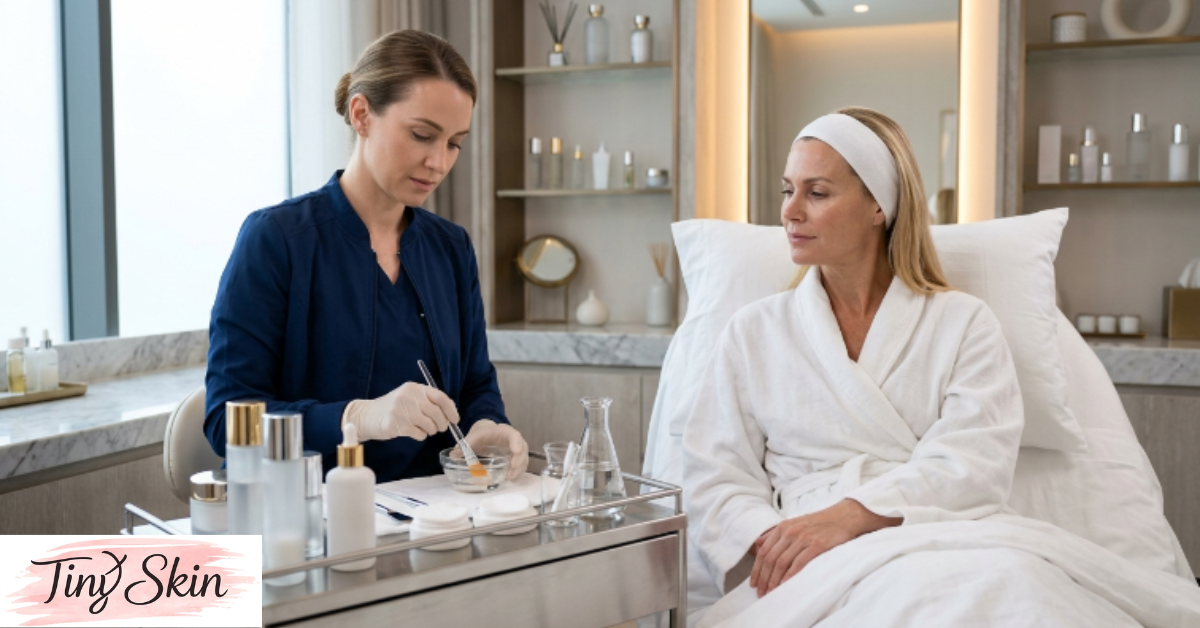

If you’ve been down the rabbit hole of chemical peel research, chances are you’ve stumbled across the same name over and over: VI Peel Precision Plus. And honestly? That’s not by accident. This particular peel has built a loyal following among dermatologists, estheticians, and everyday people who are tired of dealing with acne scars, hyperpigmentation, and skin that just won’t cooperate no matter how many serums they throw at it.
Here’s the thing — not all chemical peels are created equal, and picking the wrong one can leave you with irritation, uneven results, or a face that peels for two weeks straight when you were hoping for a quick refresh. That’s exactly why so many people search for specifics before booking an appointment. They want to know what makes VI Peel Precision Plus different, whether it actually works, and what to expect once it’s over.
In this guide, we’re going to break down everything — what this peel actually does, who it’s best suited for, the downtime you should plan for, and the mistakes that can quietly sabotage your results. By the end, you’ll have a clear, honest picture of whether VI Peel Precision Plus is the right move for your skin.
What Is VI Peel Precision Plus, Exactly?
VI Peel Precision Plus is a medical-grade chemical peel formulated to target more stubborn skin concerns than the standard VI Peel line typically addresses. Think of it as the more intensive sibling in the VI Peel family. While the original VI Peel is often used for general skin rejuvenation and mild pigmentation, the Precision Plus version is built specifically for people dealing with moderate to severe hyperpigmentation, melasma, and deeper textural issues.
The formula combines a blend of acids — typically including TCA (trichloroacetic acid), salicylic acid, phenol, and vitamin C — along with a proprietary hydroquinone-based booster that’s applied at home after the in-office treatment. That two-part system is actually one of the things that sets it apart from a lot of other peels on the market. It’s not just a one-and-done office visit; it’s a process that continues at home for several days.
A lot of people assume all peels work the same way — you get a chemical solution applied, your skin peels, and you’re left glowing. That’s a mistake a lot of people make. In reality, the depth of the peel, the specific acids used, and the aftercare routine all play a huge role in how your skin responds and how long the results actually last.
Who Benefits Most From This Treatment?
Not everyone needs this particular peel, and that’s worth saying upfront. It tends to work best for people who have:
- Stubborn melasma that hasn’t responded well to lighter treatments
- Post-inflammatory hyperpigmentation from old acne breakouts
- Sun damage and age spots that have deepened over the years
- Uneven skin tone with visible dark patches
- Acne scarring with a textural or pigmented component
If your main concern is fine lines or general dullness, you might actually be better served by the standard VI Peel or a gentler option altogether. Precision Plus is, as the name suggests, more targeted and more intense. It’s not really designed for someone who just wants a subtle glow before a weekend event.
Sound familiar if you’ve been staring at dark spots in the mirror for months, trying concealer after concealer with no real change? This peel was built with exactly that frustration in mind.
Is It Safe for All Skin Tones?
This is where things get a little more nuanced. TCA-based peels, including this one, need to be used carefully on deeper skin tones because of the risk of post-inflammatory hyperpigmentation — ironically, the very thing many people are trying to treat in the first place. A qualified provider will assess your Fitzpatrick skin type before recommending this treatment and may adjust the protocol accordingly. This isn’t something to DIY or book with just anyone offering peels at a discount.
What Happens During the Treatment
First things first — the in-office portion of the treatment is actually pretty quick. Most sessions take somewhere between 15 and 30 minutes, which surprises a lot of first-timers who expect something more involved.
Here’s roughly how it goes:
- Your provider cleanses and preps your skin, removing any oil or makeup residue.
- The peel solution is applied in layers, often with a light massaging motion.
- You’ll likely feel a warming or tingling sensation — some people describe it as mild stinging, especially around the nose and mouth.
- The peel is left on for a set amount of time depending on your skin’s tolerance and the provider’s assessment.
- You’re sent home with the at-home booster kit and detailed instructions.
That warming sensation catches a lot of people off guard the first time, but it typically fades within a few minutes. It’s not meant to be a painful experience, though everyone’s tolerance is different.
The Downtime: What Recovery Actually Looks Like
This is probably the part people search for the most, and understandably so. Nobody wants to book a peel two days before an important event only to realize they’ll be visibly peeling.
In reality, the recovery timeline for VI Peel Precision Plus usually unfolds like this:
Day 1-2: Skin appears tight, slightly red, and may feel warm to the touch. This is normal and expected.
Day 3-4: Peeling typically begins around this point. It can range from light flaking to more noticeable sheeting, especially around the mouth and forehead.
Day 5-7: Peeling continues and usually starts to taper off. Your skin might look a bit patchy during this stage — resist the urge to pick.
Day 7-10: Most people see the bulk of the peeling complete, with fresh, brighter skin underneath.
That said, everyone heals differently. Some people are basically back to normal by day five, while others take closer to two weeks for the full process to wrap up. Factors like skin thickness, how well you follow aftercare instructions, and even the climate you live in can all shift that timeline.
How to Plan Around the Downtime
If you’re booking this ahead of a big event — a wedding, a reunion, whatever it may be — give yourself at least three to four weeks of buffer. That accounts for the active peeling phase plus a bit of extra time for your skin to settle and for any residual redness to calm down.
Real Results: What to Expect Over Time
One peel can absolutely make a visible difference, but here’s the honest truth — most providers recommend a series of treatments for the best long-term results, especially for melasma or deeper pigmentation. A single session might fade things by a noticeable margin, but stacking several treatments over a few months tends to produce more dramatic, lasting change.
I’ve talked to plenty of clients who booked this peel expecting a quick fix before a big trip, only to realize halfway through their first appointment that patience really is part of the process. That’s not a bad thing — it just means setting the right expectations from day one. Think of it less like a single reset button and more like a gradual dial turning your skin tone back toward even.
You’ll likely notice:
- Brighter, more even-toned skin within one to two weeks
- Reduced appearance of dark spots and post-acne marks
- Smoother texture as dead skin sheds and cell turnover speeds up
- A subtle tightening effect that many people describe as a “refreshed” look
It’s worth setting realistic expectations here. This treatment is genuinely effective, but it’s not a miracle fix for deep-set melasma in a single visit. Anyone promising instant, permanent results after one session probably isn’t giving you the full picture.
Aftercare: The Part People Underestimate
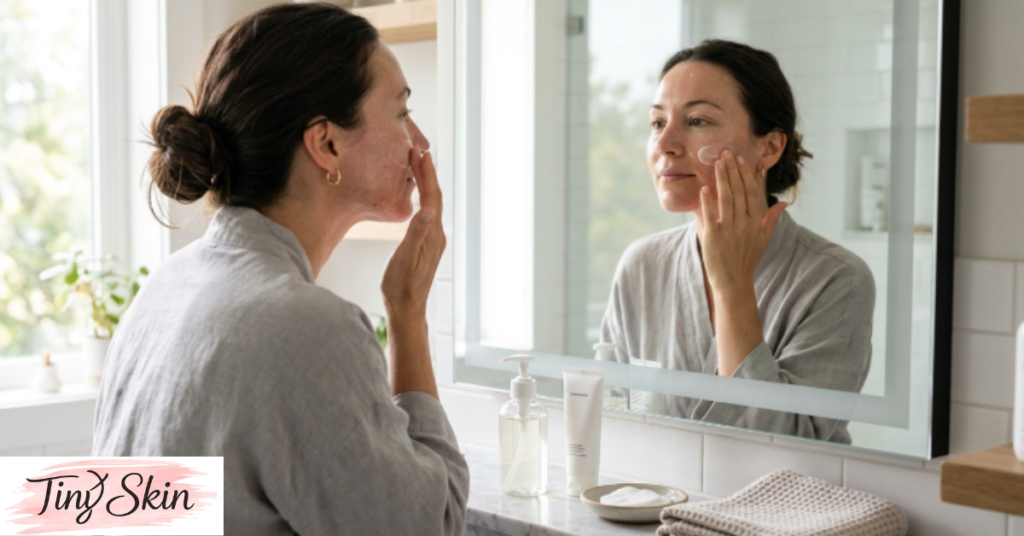
Here’s something that doesn’t get talked about enough — the at-home booster that comes with your VI Peel Precision Plus kit is arguably just as important as the in-office treatment itself. Skipping it, or using it inconsistently, can seriously limit your results.
The typical aftercare protocol includes:
Days 1-2: Rest and Hydrate
Avoid washing your face immediately after treatment (your provider will give you a specific timeframe). Keep your skin hydrated with the products provided, and avoid sweating heavily, swimming, or direct sun exposure.
Days 2-6: Apply the Booster
You’ll typically apply the at-home lightening booster during this window, following your provider’s exact instructions on timing and frequency. This step is what helps drive deeper, more even pigmentation correction.
Throughout Recovery: Sun Protection Is Non-Negotiable
This one can’t be overstated. Freshly peeled skin is significantly more vulnerable to UV damage, and sun exposure during recovery can undo a lot of the progress you just paid for — or worse, cause new pigmentation issues. A broad-spectrum SPF 30 or higher, reapplied throughout the day, is essential.
Common Mistakes to Avoid
Even with clear instructions, people make avoidable errors that affect their results. Here are the ones I see most often:
- Picking at peeling skin. I know it’s tempting, but picking can lead to scarring or uneven healing. Let it shed on its own.
- Skipping sunscreen because skin “feels fine.” Feeling fine and being protected are two different things.
- Layering active ingredients too soon. Retinols, exfoliating acids, and other actives should stay out of your routine until your provider clears you to reintroduce them.
- Booking too close to an event. As mentioned earlier, give yourself real buffer time.
- Expecting overnight miracles. Real change with pigmentation-focused treatments takes a little patience.
- Not disclosing pregnancy or breastfeeding status. Certain ingredients in the formula aren’t recommended during pregnancy, so always be upfront with your provider.
VI Peel Precision Plus vs. Other Peel Options
It’s natural to wonder how this stacks up against other treatments you might be considering. Here’s a quick, honest comparison:
Versus the Original VI Peel: The original is gentler and better suited for general maintenance, mild sun damage, and overall skin rejuvenation. Precision Plus goes deeper and is more targeted toward stubborn pigmentation.
Versus a standard glycolic acid peel: Glycolic peels are typically milder with less downtime, but they also tend to produce more subtle, gradual results. Precision Plus delivers a more noticeable transformation but requires a longer recovery window.
Versus laser resurfacing: Lasers can be excellent for certain concerns, but they often come with a higher price tag and, depending on the type, potentially more downtime or risk for deeper skin tones. Chemical peels like this one can be a more accessible middle ground for many people.
That said, the “best” option really does depend on your specific skin, your budget, and how much downtime you’re able to work with. A consultation with a licensed provider is the only real way to know which route makes sense for you.
It’s also worth thinking about cost over time rather than just the price of a single visit. A course of peels spread across a few months might end up being more affordable than repeated laser sessions, depending on where you live and what your provider charges. Ask about package pricing during your consultation — many clinics offer a discount when you commit to a full series upfront.
Expert Tips for Getting the Best Results
After years of watching how people respond to treatments like this, a few tips consistently make the biggest difference:
- Be honest during your consultation. Mention every product you’re currently using, any recent treatments, and your full skin history. This helps your provider tailor the process appropriately.
- Prep your skin beforehand if instructed. Some providers recommend a short pre-treatment regimen to help your skin respond more evenly.
- Stick to the exact aftercare schedule. Don’t improvise or shorten the booster application window, even if your skin looks fine early on.
- Moisturize generously. Keeping skin hydrated during the peeling phase can actually help it shed more evenly and comfortably.
- Be patient with a series. If your provider recommends multiple sessions, trust that recommendation rather than judging results after just one round.
Frequently Asked Questions
How many sessions of VI Peel Precision Plus are usually needed?
Most providers recommend a series of three to six treatments spaced several weeks apart for pigmentation and melasma concerns, though some people see meaningful improvement after just one or two sessions.
Does VI Peel Precision Plus hurt?
Most people describe a warming or mild stinging sensation during application rather than sharp pain. It’s generally well-tolerated, though sensitivity varies from person to person.
How long does the peeling actually last?
Peeling typically begins around day three or four and can continue through day seven to ten, though the exact timeline depends on your skin and how closely you follow aftercare instructions.
Can I wear makeup during the peeling phase?
It’s usually best to avoid makeup while actively peeling, as it can trap bacteria and slow healing. Your provider can tell you exactly when it’s safe to resume.
Is VI Peel Precision Plus good for melasma?
Yes, it’s specifically formulated with melasma and stubborn hyperpigmentation in mind, though results usually require a series of treatments rather than a single session.
Who should avoid this treatment?
People who are pregnant or breastfeeding, have active cold sores, open wounds, or certain skin conditions should avoid this peel. Always disclose your full medical history to your provider beforehand.
Final Thoughts
VI Peel Precision Plus has earned its reputation for a reason — it genuinely delivers noticeable improvement for people struggling with melasma, sun damage, and stubborn pigmentation that lighter treatments just haven’t touched. It does require some planning around downtime, a real commitment to the at-home aftercare, and realistic expectations about how many sessions you might need.
That said, if you’ve tried the serums, the spot treatments, and the promises from every skincare aisle without real change, this could be the reset your skin has been waiting for. The best next step is simple: book a consultation with a licensed provider who can assess your skin type and walk you through a personalized treatment plan. As always, it’s worth having a quick conversation with a dermatologist first, especially if you have sensitive skin or any underlying skin conditions, just to make sure this treatment lines up with what your skin actually needs.

