
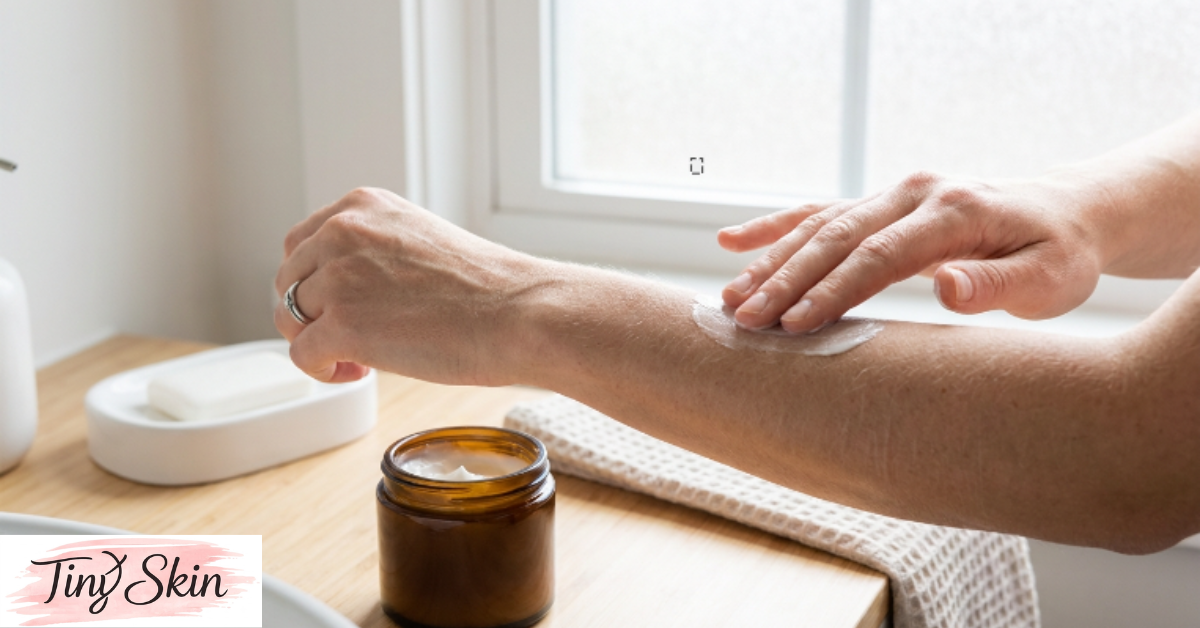

Dry, flaky skin that won’t quit no matter what you slather on? You’re not alone, and you’re definitely not doing something “wrong” as a person — you might just be using the wrong body moisturizer, or using the right one at the wrong time. That’s the thing about skincare: a few small tweaks usually make a bigger difference than buying yet another jar off the shelf.
If you’ve ever stepped out of a hot shower feeling silky smooth, only to find your skin tight and scaly by lunchtime, this article is for you. We’re going to walk through what actually causes dry skin, how to pick a body moisturizer that works for your specific skin type, the mistakes almost everyone makes (yes, even people who “do everything right”), and a few expert-level tips that dermatologists actually recommend. By the end, you’ll know exactly what to look for on an ingredient label and how to build a routine that sticks.
Let’s get into it.
Why Your Skin Gets Dry in the First Place
Before we talk about fixing dryness, it helps to understand why it happens. Skin dryness isn’t random — there’s almost always a reason, even if it’s not obvious at first glance.
Your skin has an outer layer called the stratum corneum, which acts like a brick wall. The “bricks” are skin cells, and the “mortar” holding them together is a mix of lipids — fats that keep water locked in and irritants locked out. When that mortar breaks down, water escapes faster than your skin can replace it. This is called transepidermal water loss, and it’s the root cause of most dryness.
A few common culprits speed this process up:
- Hot showers and baths. They feel amazing, sure, but hot water strips natural oils from your skin far more aggressively than lukewarm water does.
- Harsh soaps and body washes. A lot of foaming cleansers contain sulfates that clean effectively but also wash away the lipids your skin needs.
- Weather changes. Cold, dry air in winter (and blasting indoor heating) pulls moisture out of your skin. Summer’s not innocent either — air conditioning has a similar drying effect.
- Aging. As we get older, oil production naturally slows down, which is why skin that used to feel oily in your twenties can feel papery by your forties.
- Certain medical conditions. Eczema, psoriasis, and hypothyroidism can all contribute to chronically dry skin.
Sound familiar? If you’ve noticed your skin acting up seasonally, or after switching soaps, this is likely why.
What a Good Body Moisturizer Actually Does
Here’s the thing — not all body moisturizer products work the same way, and understanding the difference actually helps you shop smarter.
There are three main categories of moisturizing ingredients, and a well-formulated body moisturizer usually contains all three:
Humectants
These pull water into the skin. Think glycerin, hyaluronic acid, and urea. They’re great at boosting hydration, but on their own, in very dry climates, they can actually pull moisture from deeper skin layers if there’s nothing to seal it in — which brings us to the next category.
Emollients
These fill in the gaps between skin cells, smoothing rough texture. Ingredients like squalane, fatty acids, and ceramides fall into this group. This is a big reason ceramide-based moisturizers have gotten so popular in the last few years — they mimic what your skin already produces naturally.
Occlusives
These sit on top of the skin and form a barrier to prevent water from escaping. Petrolatum, shea butter, and dimethicone are classic examples. If you have extremely dry or cracked skin, a body moisturizer heavier on occlusives is usually your best bet.
A well-rounded body moisturizer typically blends all three so your skin gets hydration, smoothing, and a protective seal — not just one piece of the puzzle.
[internal link opportunity here — link to a guide on “humectants vs emollients vs occlusives”]
How to Choose the Right Body Moisturizer for Your Skin Type
This is where a lot of people go wrong — they grab whatever’s on sale instead of matching the product to their actual skin. This is a mistake a lot of people make, honestly, and it’s an easy one to fix.
For Dry or Very Dry Skin
Look for a thicker cream or balm-style body moisturizer with shea butter, ceramides, or petrolatum. Lotions with a high water content will feel light but often won’t cut it for someone whose skin is genuinely parched.
For Normal or Combination Skin
A standard lotion works well here. You want something that absorbs quickly without leaving a heavy residue — glycerin and lightweight oils like jojoba are good signs on the label.
For Oily or Acne-Prone Skin
Yes, even oily skin needs a body moisturizer — skipping it can actually trigger more oil production as your skin tries to compensate. Go for a gel-based or oil-free formula labeled “non-comedogenic.”
For Sensitive Skin
Fragrance-free (not just “unscented,” which can still contain masking fragrance) is non-negotiable here. Look for short ingredient lists with soothing agents like oat extract or colloidal oatmeal.
For Eczema-Prone Skin
Ceramide-rich, fragrance-free formulas designed specifically for eczema tend to work best. In reality, if your eczema is flaring frequently despite consistent moisturizing, that’s a sign to check in with a dermatologist rather than trying to solve it with over-the-counter products alone.
When and How to Apply Body Moisturizer for Maximum Results
Here’s something that surprises a lot of people: timing matters almost as much as the product itself.
Apply within 3 minutes of showering. Your skin is slightly damp after a shower, and that damp layer actually helps lock moisture in when you apply your body moisturizer right on top. Wait too long and your skin dries out before the product even gets a chance to work.
Pat, don’t rub, dry. Towel-drying too aggressively strips away the natural moisture your skin just absorbed from the shower.
Don’t skip the rough patches. Elbows, knees, and heels have thicker skin and lose moisture faster. These areas usually need a slightly heavier layer, or even a second application later in the day.
Reapply if needed. If you’re someone whose skin gets tight by midday, keep a travel-size body moisturizer at your desk or in your bag. There’s no rule that says moisturizing only happens once a day.
A quick real-life example: I once worked with a client who swore her body moisturizer “just didn’t work.” Turned out she was applying it right before bed, hours after her evening shower, onto completely dry skin. We shifted her routine to apply immediately post-shower instead, and within a week she noticed a real difference — same product, better timing.
Common Mistakes That Sabotage Your Moisturizing Routine
Let’s talk about what’s quietly working against you, because a lot of these are sneaky.
- Using the same product on your face and body. Facial skin and body skin have different needs and thicknesses. Facial moisturizers are often too light to properly hydrate the body, and body moisturizer can sometimes be too heavy or pore-clogging for facial skin.
- Skipping moisturizer in summer. Heat doesn’t mean your skin isn’t dehydrated — air conditioning and sun exposure can dry skin out just as much as winter air does.
- Over-exfoliating. Scrubbing away dead skin cells too often damages the skin barrier, which then needs more moisture to recover — creating a frustrating cycle.
- Choosing scent over substance. A gorgeous fragrance doesn’t mean effective hydration. In fact, added fragrance is one of the most common irritants in body care products.
- Not moisturizing your whole body. People tend to focus on legs and arms and completely forget the back, chest, and neck — areas that get just as dry.
- Assuming more product means better results. Applying a huge amount of body moisturizer doesn’t necessarily hydrate skin more; it often just sits on the surface and rubs off on clothes.
Ingredients Worth Looking For (and a Few to Watch Out For)
Look for:
- Ceramides — restore and reinforce the skin barrier
- Hyaluronic acid — draws in and holds water
- Glycerin — a reliable, well-studied humectant
- Shea or cocoa butter — rich emollients great for very dry skin
- Niacinamide — helps with barrier function and can calm redness
- Colloidal oatmeal — soothing, especially for sensitive or itchy skin
Watch out for:
- High concentrations of alcohol (denatured alcohol specifically) — can be drying for some skin types
- Added fragrance if you have sensitive or reactive skin
- Sulfates in body washes, since they set your skin up to need more repair before moisturizer even comes into play
If you’re unsure how to read a label, this is genuinely one of the most useful skincare skills you can build. [internal link opportunity here — link to an “how to read skincare ingredient labels” guide]
Body Moisturizer Options: Lotions, Creams, Oils, and Butters
Not sure which format to reach for? Here’s a quick breakdown.
Lotions are lightweight, absorb fast, and work well for normal to mildly dry skin, especially in warmer months.
Creams are thicker and better suited for moderate to severe dryness, or for use in colder months when your skin needs extra reinforcement.
Body oils can be excellent when layered under a cream to seal in moisture, though on their own they don’t always provide enough hydration for very dry skin since oils are pure emollients without humectant properties.
Body butters (shea, mango, cocoa) are the heaviest option and best reserved for extremely dry areas like elbows, knees, and cracked heels rather than all-over daily use, since they can feel greasy on larger areas.
There’s no single “best” format — it genuinely depends on your skin type, the climate you live in, and even the season. Many people actually benefit from switching formulas between summer and winter.
Expert Tips for Long-Term Skin Hydration
A few habits go a long way beyond just picking the right product:
- Hydrate from the inside too. Drinking enough water supports skin health, though topical moisturizer still does the heavy lifting for barrier repair.
- Use a humidifier in dry indoor environments, especially during winter heating season.
- Layer your products — humectant first (like a hyaluronic acid mist), then your body moisturizer to seal it in.
- Avoid scalding hot showers, especially long ones. Lukewarm water and shorter shower times protect your skin barrier significantly.
- Patch test new products, particularly if you have sensitive or reaction-prone skin. Apply a small amount to your inner arm and wait 24 hours before using it all over.
- Be patient. A damaged skin barrier can take several weeks of consistent care to fully recover — don’t judge a new body moisturizer after just two or three uses.
That said, if you’ve tried consistent moisturizing for several weeks and your skin is still cracking, itching intensely, or showing signs of infection, that’s your cue to consult a dermatologist rather than continuing to self-treat. Persistent or worsening dryness can sometimes point to an underlying condition that needs proper diagnosis.
Building a Simple, Sustainable Body Moisturizing Routine
You don’t need a ten-step routine to keep your skin in good shape. Here’s a realistic version that actually gets done:
- Shower with lukewarm water using a gentle, sulfate-free cleanser.
- Pat skin dry, leaving it slightly damp.
- Apply body moisturizer within a few minutes, focusing extra attention on elbows, knees, and heels.
- Reapply to hands and any exposed dry areas throughout the day as needed.
- In winter or dry climates, consider switching to a heavier cream or adding a body oil layer underneath.
Simple, repeatable routines are the ones that actually stick — and consistency matters far more than having the fanciest product on your shelf.
Frequently Asked Questions
How often should I use body moisturizer? Most dermatologists recommend applying body moisturizer at least once daily, ideally right after showering. If your skin is very dry or it’s winter, twice a day is often more effective.
What’s the difference between body lotion and body moisturizer? “Body moisturizer” is really the umbrella term, and lotion is one format within it — alongside creams, butters, and oils. Lotions tend to be lighter and more water-based, while creams and butters offer richer, longer-lasting hydration.
Can I use face moisturizer on my body? You can in a pinch, but it’s not ideal long-term. Facial products are formulated for thinner, more delicate skin and are usually too light to properly hydrate the body, especially rougher areas like elbows and knees.
Why does my skin feel dry even after moisturizing? This usually comes down to either using a formula that’s too light for your skin type, applying it too infrequently, or applying it on completely dry skin instead of damp skin. It can also signal an underlying skin barrier issue worth discussing with a dermatologist.
Is it bad to moisturize oily skin? Not at all — it’s actually necessary. Skipping moisturizer on oily skin can trigger your skin to overproduce oil to compensate. A lightweight, oil-free, non-comedogenic body moisturizer works best for this skin type.
What ingredients should I avoid if I have sensitive skin? Fragrance is the biggest one to watch for, along with denatured alcohol and certain preservatives. Look for products labeled “fragrance-free” and consider ones formulated with soothing ingredients like colloidal oatmeal or ceramides.
The Bottom Line
Dry, uncomfortable skin isn’t just something you have to live with — it usually comes down to a mismatch between your skin type, your product, and your timing. Once you understand what your skin actually needs, whether that’s a rich, ceramide-packed cream or a lightweight gel formula, choosing and using the right body moisturizer becomes a lot less overwhelming.
Start simple: pick a formula suited to your skin type, apply it right after showering while your skin is still damp, and stay consistent for a few weeks before judging the results. Small, steady habits beat expensive quick fixes every time. And if dryness persists despite doing everything right, don’t hesitate to check in with a dermatologist — sometimes your skin needs a little extra help beyond what’s on the drugstore shelf.

