
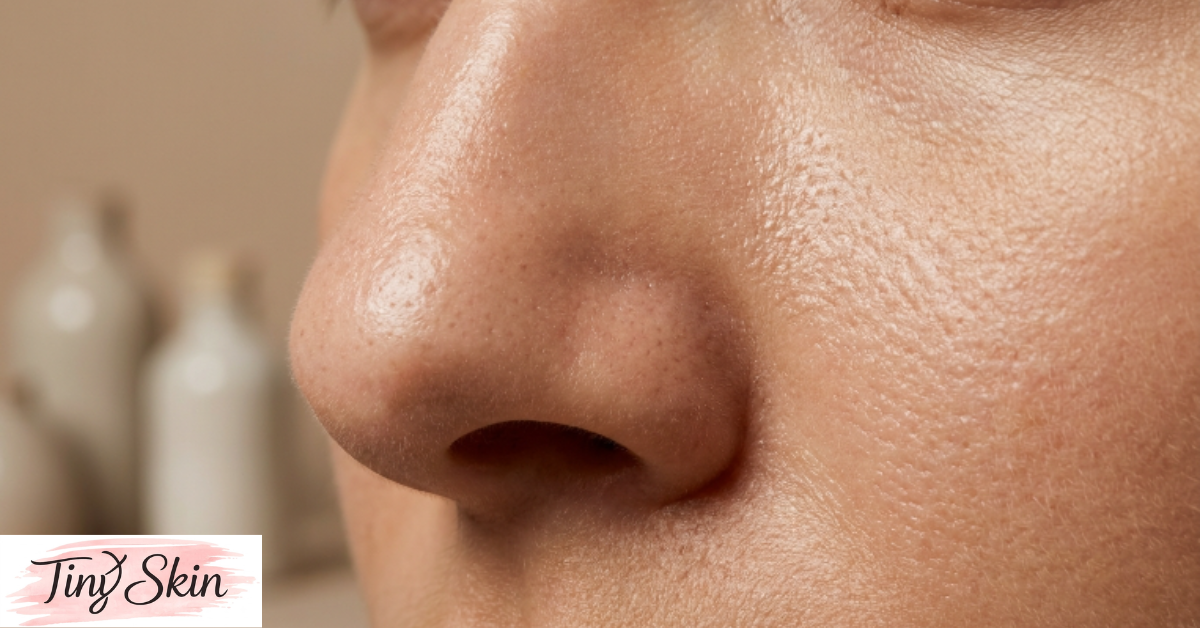

Look in a well-lit mirror and there they are — those little craters scattered across your nose, catching light and shadow in a way that no amount of foundation seems to fix. If you’ve ever leaned in close to the glass and thought, “why does my nose look like this?”, you’re definitely not alone.
Large pores on nose skin are one of the most common skin concerns people bring up in consultations, and honestly, they’re also one of the most misunderstood. There’s a lot of noise out there — miracle serums, pore-shrinking myths, expensive tools that promise the impossible. Some of it helps a little. A lot of it is just marketing dressed up as skincare science.
This article is going to walk you through what’s actually causing those enlarged pores on your nose, what genuinely helps, and what’s a waste of your money. No fluff, no exaggerated claims — just the kind of advice I’d give a client sitting across from me.
What Causes Large Pores on Nose Skin in the First Place?
Here’s the thing most people don’t realize: pores don’t actually get “bigger” or “smaller” the way we talk about them. Pore size is largely determined by genetics, but several factors make them look more prominent, especially on the nose, where oil glands tend to be more active than anywhere else on the face.
Genetics Play a Bigger Role Than You Think
If your mom or dad has visibly textured skin on their nose, there’s a good chance you inherited that same skin structure. Pore size is set, to a large degree, by your DNA. This is a mistake a lot of people make — they assume enlarged pores are a sign they’re doing something wrong with their routine, when really, it’s just how their skin is built.
Excess Oil Production
The nose sits in what dermatologists call the T-zone, an area packed with sebaceous (oil) glands. More oil production means pores stretch slightly to accommodate that oil flow, and when they’re filled with sebum and dead skin cells, they appear larger and more visible.
Sun Damage and Collagen Loss
Over time, UV exposure breaks down collagen and elastin — the proteins that keep skin firm and pores looking tight. Without that structural support, pores lose their elasticity and start to sag open, which makes them look considerably more noticeable.
Aging and Skin Elasticity
As we age, skin naturally loses firmness. Around the nose especially, this shows up as stretched, more visible pores. It’s a completely natural process, not a failure of skincare.
Clogged Pores and Buildup
Dead skin cells, oil, and everyday grime can build up inside pores, stretching their walls outward. Combine that with makeup that isn’t fully removed at night, and you’ve got a recipe for pores that look bigger than they actually are.
Common Symptoms and Signs Worth Paying Attention To
Large pores on nose skin typically show up alongside a few other tell-tale signs:
- A rough, uneven texture that you can feel when you run your fingers across your nose
- Blackheads clustered around the nostrils and bridge
- Skin that looks shinier than the rest of your face by midday
- Makeup that seems to “sink into” the nose area rather than sitting smoothly
- Occasional breakouts localized to the T-zone
Sound familiar? If you’re nodding along to two or three of these, your oil production is probably the main driver behind what you’re seeing.
Home Remedies That Actually Help (and Which Ones Don’t)
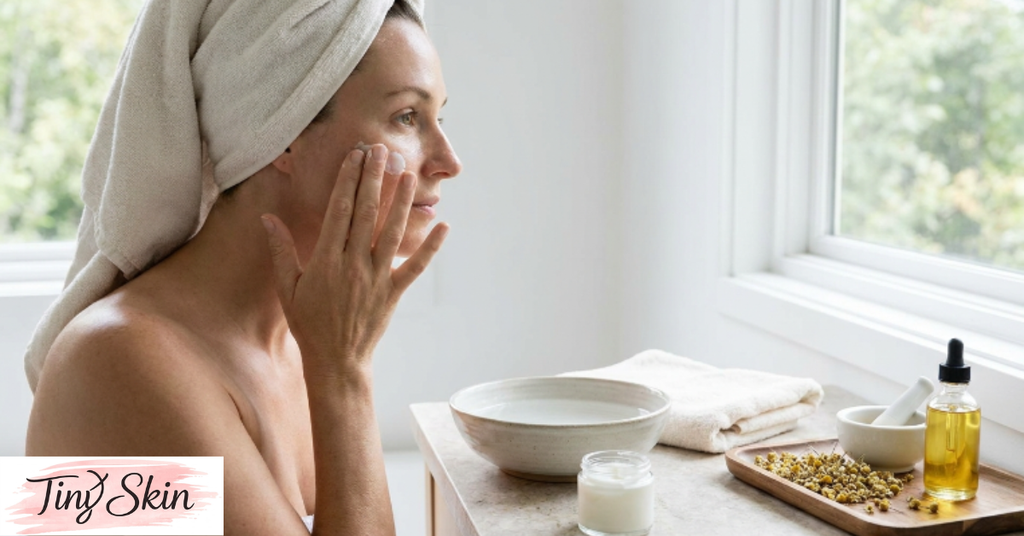
Let’s get into what genuinely makes a difference — and clear up a few myths while we’re at it.
What Actually Works
Regular, gentle exfoliation. Chemical exfoliants like salicylic acid are particularly good for the nose because they’re oil-soluble, meaning they can get deep into pores and clear out the debris that makes them look stretched. Two to three times a week is usually plenty — more than that and you risk irritating your skin barrier, which ironically can make pores look worse.
Clay masks, used sparingly. Kaolin or bentonite clay masks can temporarily absorb excess oil and tighten the appearance of pores. Think of this as a short-term visual improvement rather than a permanent fix — it’s a nice pre-event trick, not a long-term treatment.
Consistent double cleansing. If you wear sunscreen or makeup, an oil-based cleanser followed by a gentle foaming cleanser helps make sure nothing is left sitting in your pores overnight.
What Doesn’t Work (Despite What You’ve Heard)
Ice cubes rubbed on the nose, cold water splashes, pore strips used daily, toothpaste as a spot treatment — these are all over social media, and none of them meaningfully change pore size. Ice might temporarily reduce puffiness or redness, but it won’t shrink a pore. Pore strips can actually irritate the skin and, over time, stretch pores further if used too aggressively.
In reality, there’s no home remedy that permanently shrinks a pore’s actual structure. What you can do is minimize the buildup that makes them look larger, and that’s a much more realistic goal.
[internal link opportunity here — link to an article on chemical exfoliation or salicylic acid benefits]
Best Skincare Ingredients for Large Pores on Nose
If you’re rebuilding your routine around this concern, a few ingredients consistently prove themselves in both research and real-world results:
- Niacinamide — helps regulate oil production and has been shown to improve the appearance of pores over consistent use
- Salicylic acid (BHA) — exfoliates inside the pore lining, particularly useful for oily, congested skin
- Retinoids — increase cell turnover and support collagen production, which helps pores appear tighter over months of use
- Zinc-based products — help control sebum without stripping the skin
- Vitamin C — supports collagen synthesis and evens out skin tone, indirectly making texture look smoother
First things first, though — don’t throw all of these into your routine at once. Layering too many active ingredients too quickly is one of the fastest ways to trigger irritation, which almost always makes pores look worse in the short term, not better.
Building a Daily Routine That Targets Pore Appearance
A solid, sustainable routine matters far more than any single product. Here’s a simple framework:
Morning
- Gentle cleanser
- Niacinamide serum
- Lightweight, oil-free moisturizer
- Broad-spectrum SPF 30 or higher (non-negotiable — more on this below)
Evening
- Oil-based cleanser (if wearing makeup or SPF)
- Gentle foaming cleanser
- Salicylic acid treatment (2–3x weekly) or retinoid (alternate nights)
- Moisturizer suited to your skin type
That’s really it. Consistency does more heavy lifting here than any 12-step routine ever will.
Dos and Don’ts for Managing Large Pores on Nose
Do:
- Wear sunscreen every single day, rain or shine
- Cleanse your face thoroughly before bed, no exceptions
- Introduce new actives slowly, one at a time
- Use lightweight, non-comedogenic moisturizers
- Be patient — visible improvement in texture typically takes 8–12 weeks of consistent use
Don’t:
- Over-exfoliate in an attempt to “fix” pores faster
- Skip moisturizer because your nose feels oily (this often backfires and increases oil production)
- Pick at blackheads or use extraction tools without proper technique
- Rely solely on makeup to camouflage texture instead of addressing skin health
- Expect any product to permanently shrink pore size — that’s simply not how skin biology works
Common Mistakes People Make When Trying to Shrink Pores
I’ve seen this play out again and again over the years. Someone notices large pores on nose skin, panics a little, and goes all-in on a five-product routine overnight. Within a week, their skin is red, flaky, and somehow looking worse than before they started.
Here’s what tends to go wrong most often:
Overdoing exfoliation. More acid doesn’t mean faster results — it usually means a damaged skin barrier, which then produces more oil to compensate, making pores appear even larger.
Skipping sunscreen. This one genuinely surprises people. Sun damage is one of the biggest accelerators of pore visibility because it breaks down the collagen that keeps skin taut. Skipping SPF undoes almost everything else you’re doing right.
Chasing quick fixes. Pore vacuums, at-home extraction tools, and daily pore strips promise instant results but often cause micro-trauma to the skin, leading to more inflammation and, over time, more prominent pores.
Ignoring hydration. Dehydrated skin can actually make pores look more sunken and pronounced. A well-hydrated skin barrier looks plumper and smoother, softening the appearance of texture.
That said, none of these mistakes are unusual — they’re incredibly common, and the good news is they’re all fixable with a bit of patience.
[internal link opportunity here — link to an article on building a skincare routine for oily or combination skin]
Professional Treatments Worth Considering
If home care isn’t giving you the results you’re after, a dermatologist or licensed esthetician can offer treatments with more noticeable, longer-lasting effects:
- Chemical peels — deeper exfoliation than at-home options, performed under professional supervision
- Microneedling — stimulates collagen production, which can genuinely improve the look of stretched pores over a series of sessions
- Laser resurfacing — targets both texture and mild scarring, often used for more stubborn cases
- Professional extractions — safely clear congested pores without the risk of scarring that comes with DIY extractions
These treatments tend to cost more and require some downtime, but for people who’ve tried a consistent routine without seeing the change they want, they’re worth a conversation with a professional.
[internal link opportunity here — link to an article comparing chemical peels vs microneedling]
Prevention: Keeping Pores From Looking Worse Over Time
Prevention really comes down to protecting the skin’s structure long-term. A few habits make a measurable difference:
- Apply sunscreen daily, and reapply if you’re outdoors for extended periods
- Avoid smoking, which accelerates collagen breakdown
- Stay on top of gentle exfoliation rather than letting buildup accumulate
- Keep skin hydrated with a moisturizer suited to your skin type
- Change pillowcases regularly to reduce oil and bacteria transfer
None of this is glamorous advice, but it’s the stuff that actually holds up over years, not just weeks.
When to See a Dermatologist
If you’re noticing that your pores are accompanied by persistent breakouts, cystic acne, or skin that feels increasingly inflamed despite a gentle routine, it’s worth booking an appointment with a dermatologist. They can assess whether there’s an underlying issue — like hormonal acne or a compromised skin barrier — that’s making pores look more prominent than genetics alone would explain. A professional can also recommend prescription-strength retinoids or treatments that aren’t available over the counter.
Frequently Asked Questions
Can large pores on nose skin be permanently shrunk? Not permanently, no. Pore size is largely genetic, and while treatments can improve their appearance, nothing physically shrinks the pore opening on a permanent basis. Consistent care can make them look noticeably smaller and less congested, though.
Does drinking more water help minimize pores? Hydration supports overall skin health and can make pores look slightly less pronounced by improving skin plumpness, but it won’t change actual pore size. It’s a helpful habit, not a standalone fix.
Why do my pores look bigger as I get older? As collagen and elastin naturally decline with age, skin loses some of its firmness. Pores that once looked tight can start to sag and stretch, making them appear larger, especially around the nose.
Are pore strips bad for large pores on nose skin? Used occasionally, they’re generally fine for removing surface blackheads. Used daily, though, they can irritate the skin and potentially stretch pores over time, so moderation is key.
What’s the best ingredient for reducing the appearance of pores? Niacinamide and salicylic acid are two of the most well-supported ingredients for this concern — one regulates oil, the other exfoliates inside the pore itself.
Is it normal to have larger pores only on the nose and not the rest of the face? Yes, completely normal. The nose has a higher concentration of oil glands than most other areas of the face, which is why pores there tend to be more visible.
Final Thoughts
Large pores on nose skin are frustrating, but they’re also incredibly common, and in most cases, they’re simply a reflection of genetics and oil production rather than a sign that something’s wrong with your skin. The goal isn’t to erase them entirely — that’s just not realistic — but to build a routine that keeps them clean, minimizes congestion, and protects your skin’s collagen over time.
Start small: pick one or two of the ingredients mentioned above, stay consistent for a couple of months, and don’t skip sunscreen. If you’re still not seeing the change you’re hoping for after giving it a fair shot, a dermatologist can help you figure out the next step. Your skin didn’t get this way overnight, and it won’t transform overnight either — but with the right habits, real improvement is absolutely within reach.

