

Introduction
If your inner thighs feel raw, stinging, or on fire by the end of the day, you already know how uncomfortable groin chafing can be. Learning how to treat chafing in groin area female skin is one of the most searched skincare topics among active women, and for good reason. Friction, sweat, and tight clothing can turn a normal walk or workout into a painful experience. The good news is that chafing is usually easy to treat at home and even easier to prevent. This guide walks you through the causes, symptoms, and proven treatment steps dermatologists recommend, plus product tips to keep your skin smooth and comfortable all year round.
What Causes Chafing in the Groin Area?
Chafing happens when skin repeatedly rubs against skin or fabric, wearing down the outer protective layer. In the groin area, this friction is common because the thighs naturally touch during walking, running, or standing for long periods.
Friction from Movement and Clothing
Repetitive motion, such as walking or exercising, causes constant skin-on-skin or skin-on-fabric contact. Seams, tags, and rough fabric edges make this friction worse, especially in tight leggings or underwear.
Sweat, Heat, and Moisture
Sweat softens the skin’s surface, making it more vulnerable to damage. Humid weather, long commutes, or intense workouts trap moisture between the thighs, increasing friction and irritation.
Body Weight and Skin-to-Skin Contact
Women with fuller thighs or curvier body types may experience more skin-to-skin contact, which raises chafing risk. However, chafing can affect anyone, regardless of size, especially during hot weather or physical activity.
Other Contributing Factors
Hormonal changes, certain medications, and even new workout routines can make skin more sensitive to friction than usual. Humid climates and long periods of sitting, such as during travel, can also increase the risk.
Understanding these triggers is the first step toward effective treatment. Once you know what’s causing the friction, you can target it directly instead of just masking the discomfort. Moreover, identifying your personal triggers, whether it’s a specific fabric, activity, or season, makes future prevention much easier.
Common Symptoms of Groin Chafing in Women
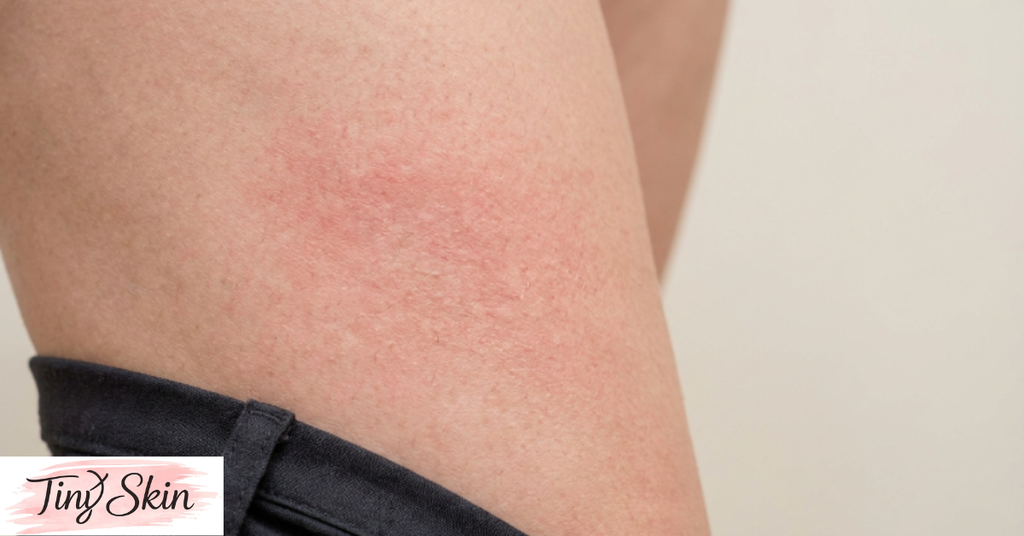
Recognizing chafing early helps you treat it before it worsens. Most symptoms appear within hours of prolonged friction or sweating.
Redness and Raw Skin
The most obvious sign is a red, irritated patch of skin, often shaped like a band along the inner thigh or groin crease. The area may look shiny or feel warm to the touch.
Stinging or Burning Sensation
Many women describe chafed skin as stinging, especially when it comes into contact with sweat, soap, or water. This burning sensation usually worsens with continued rubbing.
Swelling and Small Bumps
In more severe cases, the skin may swell slightly or develop small, irritated bumps. Left untreated, chafed skin can crack, which increases the risk of infection.
How Symptoms Progress Over Time
Without treatment, mild redness can progress to cracked, painful skin within a day or two, especially if friction continues. This is why addressing symptoms early makes such a big difference in recovery time.
When Discomfort Signals Something More
Occasionally, persistent stinging or a rash that spreads beyond the usual friction zone can point to a different skin issue. Paying attention to where and how symptoms appear helps you decide whether home care is enough.
If you notice these symptoms, it’s best to start treatment immediately rather than waiting for them to resolve on their own. Early care prevents the irritation from spreading or becoming more painful. Additionally, catching chafing early usually means a faster, simpler recovery with fewer product interventions.
How to Treat Chafing in Groin Area Female: Step-by-Step
Once chafing appears, gentle care is essential. Harsh products or continued friction will only delay healing. Follow these steps for relief.
Clean and Dry the Area Gently
Wash the affected area with lukewarm water and a fragrance-free, mild cleanser. Avoid scrubbing. Pat the skin dry with a soft towel instead of rubbing, since rubbing can worsen irritation.
Apply a Soothing Barrier Cream
Dermatologists often recommend zinc oxide or petroleum-based ointments to protect chafed skin while it heals. These create a barrier against further friction and moisture.
Wear Loose, Breathable Clothing While Healing
Swap tight leggings or synthetic underwear for loose, breathable cotton clothing until the skin recovers. This reduces additional rubbing and allows air to reach the area.
Give the Skin Time to Heal
Avoid shaving, waxing, or applying scented products to the area for several days. Most mild chafing improves within two to three days with consistent, gentle care.
Avoid Common Treatment Mistakes
Many women unintentionally slow healing by applying scented lotions, exfoliating the area, or wearing tight clothing again too soon. Patience and gentle care matter more than trying multiple products at once.
Following these steps consistently is the most reliable way to treat chafing and reduce discomfort quickly. However, if redness or stinging doesn’t improve within a few days, it may be time to reassess your routine or consult a professional.
Best Ingredients and Products for Soothing Chafed Skin
Choosing the right products speeds up healing and prevents further irritation. Below is a comparison of common ingredients used to treat and protect chafed skin.
Ingredient Comparison Table
| Ingredient | Main Benefit | Best For | Notes |
|---|---|---|---|
| Zinc oxide | Creates a protective barrier | Active healing, diaper-rash style chafing | Gentle, widely recommended by dermatologists |
| Petroleum jelly | Locks in moisture, reduces friction | Daily prevention and mild irritation | Affordable and fragrance-free |
| Aloe vera gel | Soothes inflammation and cooling relief | Mild redness and stinging | Choose alcohol-free formulas |
| Colloidal oatmeal | Calms itching and irritation | Sensitive or reactive skin | Found in many barrier creams |
| Anti-chafing sticks (silicone-based) | Reduces friction between skin surfaces | Prevention during exercise | Apply before activity, not on broken skin |
Ingredients to Avoid
Skip products containing alcohol, synthetic fragrance, or harsh exfoliants while skin is healing. These ingredients can sting, dry out the area, and slow recovery.
When to Choose a Medicated Option
If redness persists after a few days, a mild hydrocortisone cream may help reduce inflammation. However, use it sparingly and only for a short period, since long-term use on sensitive skin isn’t recommended without medical advice.
Patch Testing New Products
Before applying any new cream or balm to already-irritated skin, test it on a small, healthy patch of skin first. This simple step helps you avoid an unwanted reaction on sensitive, chafed areas.
Picking gentle, barrier-forming products gives chafed skin the best environment to heal quickly and comfortably. Building a small routine around these ingredients also makes it easier to respond quickly the next time irritation appears.
How to Prevent Chafing Before It Starts
Prevention is often easier than treatment. Small daily habits can significantly reduce your risk of groin chafing.
Choose the Right Fabrics
Opt for moisture-wicking, seamless underwear and breathable fabrics like cotton or performance blends. Avoid rough seams and tight elastic bands that rub against the skin.
Use Anti-Chafing Products Daily
Applying a thin layer of anti-chafing balm, petroleum jelly, or powder before activity creates a protective layer that reduces friction throughout the day.
Manage Sweat and Moisture
Change out of sweaty clothing as soon as possible after exercise. Carrying a small towel or using absorbent powder can help keep the groin area dry during long days or workouts.
Adjust Your Routine for Different Seasons
Chafing risk changes with the seasons. Hot, humid months call for lighter fabrics and more frequent reapplication of anti-chafing products, while cold weather layering can also create friction points worth watching.
Listen to Your Body
If a particular activity, outfit, or fabric consistently leads to irritation, it’s worth adjusting your routine rather than pushing through discomfort repeatedly. Small changes often prevent bigger problems later.
Building these habits into your routine, especially before exercise or long walks, keeps skin smooth and significantly lowers your chances of chafing flare-ups. Over time, these small adjustments become second nature and require very little extra effort.
Chafing vs Other Skin Conditions: How to Tell the Difference
Groin irritation isn’t always chafing. Comparing symptoms can help you identify the correct cause and treatment.
Chafing vs Yeast Infection
Yeast infections often cause intense itching, a distinct odor, or a cottage-cheese-like discharge, none of which occur with simple chafing. If these symptoms appear, see a doctor for proper treatment.
Chafing vs Contact Dermatitis
Contact dermatitis usually results from an allergic reaction to a product, such as detergent or soap, and may cause blistering or a rash pattern that doesn’t match typical friction areas.
Comparison Table
| Condition | Main Symptom | Common Trigger | Typical Treatment |
|---|---|---|---|
| Chafing | Redness, stinging, raw skin | Friction, sweat, tight clothing | Barrier cream, rest, loose clothing |
| Yeast infection | Itching, odor, discharge | Moisture, imbalance of bacteria | Antifungal medication |
| Contact dermatitis | Rash, blisters, itching | Allergen or irritant exposure | Avoid trigger, soothing cream |
| Folliculitis | Small red bumps around hair follicles | Blocked or irritated hair follicles | Gentle cleansing, topical treatment |
Chafing vs Folliculitis
Folliculitis appears as small, individual bumps centered around hair follicles, often after shaving or waxing, rather than the broader raw patches typical of chafing. Gentle cleansing usually helps both, but persistent bumps may need targeted treatment.
Knowing these differences helps you choose the right treatment instead of guessing, which speeds up recovery and avoids unnecessary discomfort. When symptoms overlap or feel unclear, a quick photo and note of your symptoms can help a doctor diagnose the issue faster.
When to See a Dermatologist
Most chafing resolves with home care, but some cases need professional attention.
Signs of Infection
Increasing redness, warmth, pus, or a foul odor may indicate a bacterial or fungal infection. These signs require prompt evaluation rather than home treatment alone.
Chafing That Won’t Heal
If irritation persists beyond a week despite consistent care, or keeps returning in the same spot, a dermatologist can check for underlying causes like eczema or a skin infection.
What to Expect at a Dermatology Visit
A dermatologist will typically examine the affected area, ask about your symptoms and routine, and may recommend a prescription-strength cream or test for infection if needed. This visit is usually quick and straightforward.
Dermatologists recommend seeking care early rather than waiting, since minor irritation can become harder to treat once the skin barrier is significantly broken. Getting a professional opinion also helps rule out other conditions that may need different treatment altogether.

