

Introduction
A shingles rash can appear suddenly, often starting with burning pain before any visible marks show up. This condition affects millions of adults, especially those over 50 or with weakened immune systems. If you have noticed a painful, blistering patch on one side of your body, you are probably searching for answers right now. The good news is that shingles is treatable, and early action can reduce pain and prevent complications. In this guide, you will learn what causes a shingles rash, how to recognize its stages, and which treatments dermatologists actually recommend.
What Is a Shingles Rash?
Shingles, also called herpes zoster, is a viral infection that causes a painful rash. It develops when the varicella-zoster virus, the same virus that causes chickenpox, reactivates in the body years later. Dermatologists explain that this virus never fully leaves the body after a chickenpox infection. Instead, it stays dormant in nerve tissue until something triggers it to wake up.
Shingles vs. Chickenpox: What’s the Difference?
Chickenpox is the first infection, usually happening in childhood. Shingles is a second outbreak of the same virus, but it behaves very differently. Chickenpox spreads across the whole body, while a shingles rash usually appears in one localized band, often on the torso or face.
Who Is at Risk of Developing Shingles?
Certain groups face a higher risk of shingles outbreaks. These include:
- Adults over the age of 50
- People with weakened immune systems
- Individuals under chronic stress
- Those recovering from illness or surgery
- People taking immunosuppressant medications
Anyone who has had chickenpox carries the virus and could develop shingles later in life.
Early Signs and Symptoms of a Shingles Rash
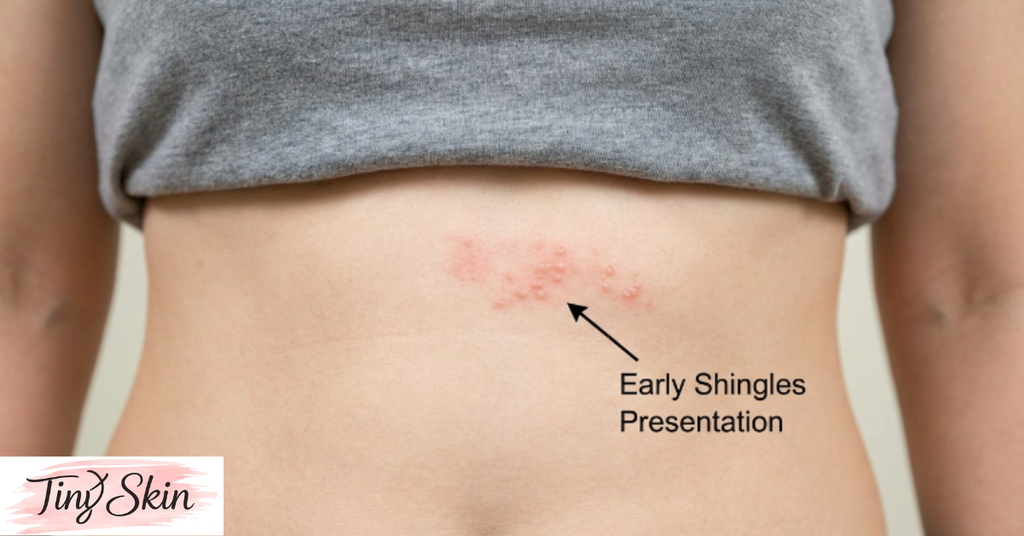
Shingles rarely appears without warning. Most people notice unusual sensations days before any rash shows up, which makes early recognition important for timely treatment.
Warning Signs Before the Rash Appears
Before the rash forms, many people experience tingling, itching, or burning pain in one specific area. This discomfort can be mistaken for muscle pain or a pinched nerve. Some people also report mild fever, headache, or fatigue during this early phase.
What the Rash Looks Like
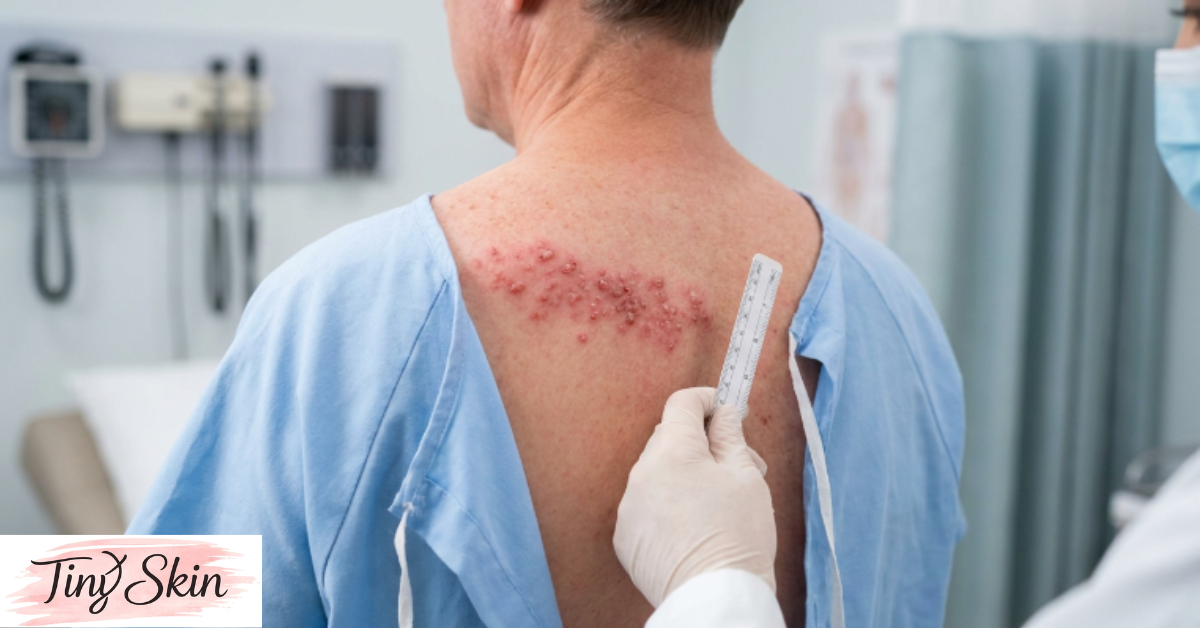
Once visible, a shingles rash typically appears as a cluster of red, raised bumps that quickly turn into fluid-filled blisters. The rash usually follows a single nerve pathway, forming a band or strip pattern. It commonly appears on one side of the torso, but it can also affect the face, neck, or eyes.
How Long Does a Shingles Rash Last?
A typical shingles rash lasts between two and four weeks from onset to full healing. However, pain in the area may continue even after the rash disappears. Moreover, healing time can vary depending on age, immune health, and how quickly treatment begins.
Stages of a Shingles Rash
Understanding the stages helps you know what to expect and when to seek medical care.
| Stage | Typical Timeline | What to Expect |
|---|---|---|
| Prodrome (early warning) | 1–5 days before rash | Tingling, burning, itching, or nerve pain in one area |
| Active rash and blisters | Days 1–7 | Red bumps develop into fluid-filled blisters |
| Crusting and scabbing | Days 7–14 | Blisters break open, dry out, and form scabs |
| Healing | Weeks 2–4 | Scabs fall off; skin gradually returns to normal |
Stage 1: Tingling and Pain
The first stage often feels like an unexplained ache or burning sensation. Many people do not connect this to shingles until the rash appears a few days later.
Stage 2: Blisters Form
During this stage, small blisters cluster together, resembling chickenpox. They are typically very painful and sensitive to touch or friction from clothing.
Stage 3: Healing and Scabbing
Blisters eventually dry out and crust over. This stage marks reduced contagiousness, although the area should still be kept clean and protected until fully healed.
What Causes Shingles Rash to Appear?
The exact trigger for virus reactivation is not always clear, but doctors have identified several common risk factors.
The Varicella-Zoster Virus Explained
After a chickenpox infection, the varicella-zoster virus travels to nerve tissue near the spine and brain, where it stays inactive. Additionally, this dormant state can last for decades without causing any symptoms at all.
Common Triggers That Reactivate the Virus
Several factors can weaken the immune system’s control over the dormant virus, allowing it to reactivate:
| Risk Factor | Why It Matters | Prevention Tip |
|---|---|---|
| Aging (50+) | Immune function naturally declines | Consider the shingles vaccine |
| Chronic stress | Stress hormones can suppress immunity | Practice stress-reduction techniques |
| Illness or infection | Body’s defenses are already occupied | Rest and support recovery fully |
| Immunosuppressive medication | Directly lowers immune response | Discuss risks with your doctor |
| Poor sleep or nutrition | Weakens overall immune resilience | Prioritize sleep and balanced meals |
Shingles Rash Treatment Options
Treating a shingles rash early can significantly reduce its severity and duration. Dermatologists generally recommend starting treatment within 72 hours of the rash appearing.
Antiviral Medications
Antiviral drugs are the primary treatment for shingles. They do not cure the infection but can shorten its duration and reduce pain when started early. A doctor must prescribe these medications based on individual health history.
Pain Management
Shingles pain can range from mild to severe. Options that doctors may suggest include over-the-counter pain relievers, prescription pain medication, or topical treatments for localized relief.
Home Care Tips for Faster Healing
Alongside medical treatment, simple home care can support healing:
- Keep the rash clean and dry
- Wear loose, breathable clothing
- Apply cool compresses to soothe discomfort
- Avoid scratching to prevent scarring or infection
- Get adequate rest to support immune recovery
Key Takeaways
- A shingles rash is caused by the reactivation of the varicella-zoster virus.
- Early symptoms include tingling, burning, or itching before any visible rash.
- The rash typically appears in a single band on one side of the body.
- Antiviral treatment works best when started within 72 hours of rash onset.
- Adults over 50 and people with weakened immunity face higher risk.
- The shingles vaccine is the most effective prevention method available.
Possible Complications of Shingles
While many cases resolve without long-term issues, shingles can sometimes lead to complications, particularly in older adults.
Postherpetic Neuralgia
This is the most common complication, involving nerve pain that continues long after the rash heals. It occurs because the virus can damage nerve fibers during the outbreak, and this pain can last for months.
Eye and Nerve Complications
If shingles develops near the eyes, it can potentially threaten vision and requires urgent medical attention. Similarly, shingles affecting facial nerves may cause temporary weakness or hearing changes. Anyone with a rash near the eyes or ears should see a doctor immediately.
How to Prevent Shingles Rash
Prevention strategies focus on strengthening immunity and reducing known risk factors.
Shingles Vaccine
Health authorities recommend the shingles vaccine for adults, particularly those over age 50. Studies suggest vaccination significantly lowers the risk of developing shingles and reduces complication severity in those who still get it.
Lifestyle Habits That Support Immunity
Supporting your immune system may help reduce shingles risk over time:
- Manage stress through relaxation techniques
- Maintain consistent, quality sleep
- Eat a nutrient-rich, balanced diet
- Stay physically active regularly
- Avoid smoking and limit alcohol intake
When to See a Dermatologist or Doctor
Prompt medical care improves outcomes significantly, so knowing when to seek help matters.
Red Flags That Need Immediate Care
Seek medical attention right away if you notice:
- Rash near the eyes or on the face
- Severe or worsening pain
- Signs of skin infection, such as spreading redness or pus
- Fever alongside the rash
- Rash in someone with a weakened immune system
What to Expect During a Consultation
A dermatologist will typically examine the rash pattern and ask about recent symptoms. They may prescribe antiviral medication, recommend pain management strategies, and advise on home care based on your specific situation.
FAQs
What does a shingles rash look like in the early stages?
In early stages, a shingles rash appears as red, raised bumps clustered together, usually in a band on one side of the body. Within a few days, these bumps typically develop into fluid-filled blisters.
Is a shingles rash contagious?
The rash itself is not contagious in the traditional sense, but the fluid inside the blisters can spread the varicella-zoster virus to people who have never had chickenpox, potentially causing chickenpox in them.
How long does shingles pain last after the rash clears?
For most people, pain resolves within a few weeks. However, some individuals develop postherpetic neuralgia, where nerve pain continues for months after the rash has fully healed.
Can shingles rash appear without pain?
While uncommon, some people experience a shingles rash with minimal pain, especially with early treatment. However, most cases involve noticeable burning or aching sensations in the affected area.
Can you get shingles more than once?
Yes, although it is not extremely common, shingles can recur. Individuals with weakened immune systems face a higher likelihood of experiencing more than one outbreak in their lifetime.
Does stress cause shingles rash?
Stress does not directly cause shingles, but chronic stress can weaken immune function. This weakened immunity may allow the dormant varicella-zoster virus to reactivate more easily.
Conclusion
A shingles rash can feel alarming, but understanding its symptoms, stages, and causes helps you respond quickly and confidently. Early treatment with antiviral medication, combined with proper home care, often leads to smoother healing and fewer complications. Additionally, prevention through vaccination and healthy immune habits remains the best long-term strategy. If you notice early warning signs or an unexplained rash following a nerve pathway, do not wait. Consult a dermatologist promptly to get an accurate diagnosis and a treatment plan suited to your needs.

