

Introduction
If your eyelids feel itchy, dry, or scaly, you are not alone. Eyelid dermatitis is one of the most common skin complaints dermatologists see, and it often gets mistaken for allergies or tiredness. The skin on your eyelids is thinner than anywhere else on your body, which makes it especially sensitive to cosmetics, skincare products, and even airborne irritants. Left untreated, eyelid dermatitis can cause persistent redness, swelling, and discomfort that affects your confidence.
The good news is that eyelid dermatitis is very treatable once you identify the trigger. In this guide, you will learn the exact causes, how to tell it apart from similar conditions, and the treatment steps dermatologists actually recommend.
What Is Eyelid Dermatitis?
Eyelid dermatitis is inflammation of the skin on the upper or lower eyelids. It happens when the skin barrier becomes irritated or reacts to a substance it comes into contact with. Because eyelid skin is only about 0.5 millimeters thick, it reacts faster and more visibly than skin on the rest of your face.
Common Signs and Symptoms
People with eyelid dermatitis typically notice:
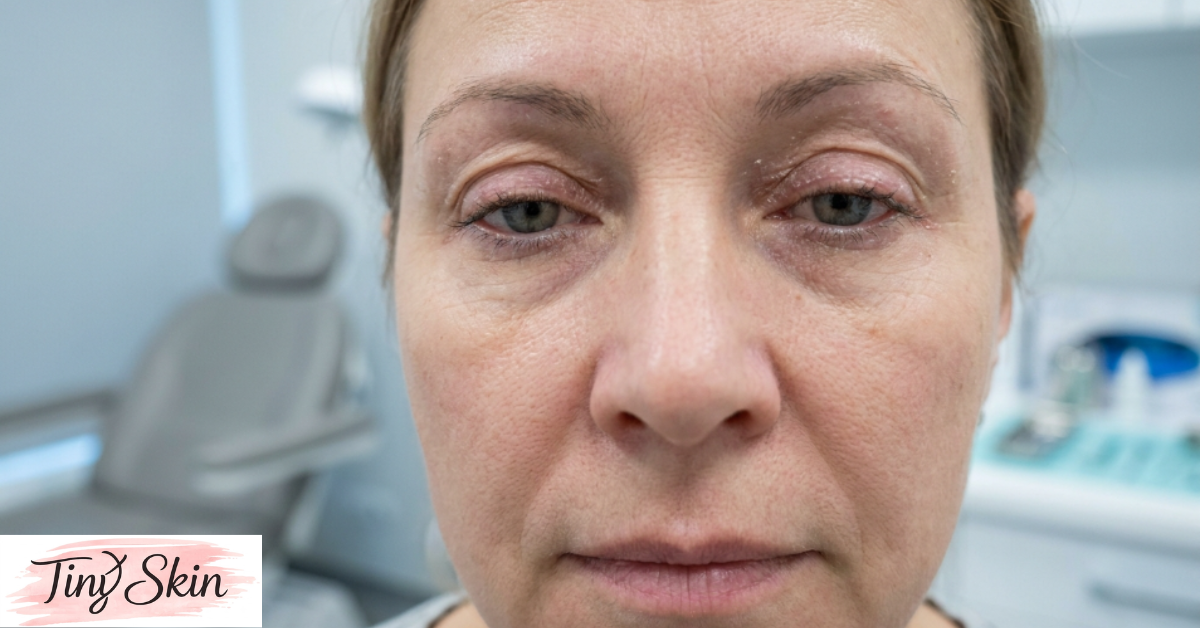
- Redness or a pink-to-purple discoloration around the eyes
- Itching, sometimes intense enough to disrupt sleep
- Dry, flaky, or scaly patches
- Mild swelling of the upper or lower lid
- A burning or stinging sensation, especially after applying products
Who Is Most at Risk
Eyelid dermatitis can affect anyone, but it is more common in:
- Women, due to higher use of eye makeup and skincare products
- People with a history of eczema, asthma, or seasonal allergies
- Those who wear contact lenses or use eyelash extensions regularly
- Individuals working in dusty, humid, or chemically exposed environments
Understanding your personal risk factors is the first step toward managing eyelid dermatitis effectively.
Common Causes of Eyelid Dermatitis
Dermatologists generally divide the causes of eyelid dermatitis into a few key categories. Identifying which one applies to you is essential for choosing the right treatment.
Allergic Contact Dermatitis
This occurs when your immune system reacts to a specific allergen, such as fragrance, preservatives, or metal. Reactions can appear hours or even days after exposure, which makes the trigger harder to pinpoint. Dermatologists often recommend patch testing to confirm the exact allergen.
Irritant Contact Dermatitis
Unlike an allergic reaction, irritant dermatitis happens when a harsh substance directly damages the skin barrier. Common culprits include soaps, micellar water with alcohol, or aggressive exfoliating acids used too close to the eyes. Symptoms usually appear faster than allergic reactions.
Atopic and Seborrheic Dermatitis
If you already have eczema (atopic dermatitis) elsewhere on your body, your eyelids may flare up too. Seborrheic dermatitis, on the other hand, is linked to an overgrowth of a naturally occurring yeast on the skin and tends to cause greasy, yellowish scaling along the lash line.
Additionally, hormonal changes, stress, and seasonal weather shifts can worsen any of these underlying conditions.
Hidden Triggers in Your Skincare Routine

Many people are surprised to learn that their daily beauty routine is the actual source of their eyelid dermatitis.
Cosmetics and Makeup
Mascara, eyeshadow, and eyeliner sit directly on or near the eyelid skin for hours. Ingredients like fragrance, certain dyes, and preservatives are frequent offenders. Old or expired makeup also harbors bacteria that can worsen irritation.
Skincare Ingredients to Avoid Near the Eyes
Some active ingredients that work well on the rest of your face are too strong for eyelid skin. Be cautious with:
- Retinoids and retinol
- Alpha and beta hydroxy acids (AHAs/BHAs)
- Vitamin C serums with a low pH
- Products containing alcohol or strong fragrance
Applying these too close to the lash line is a leading cause of irritant eyelid dermatitis.
Nail Polish and Hand-Transfer Dermatitis
Interestingly, dermatologists frequently diagnose eyelid dermatitis caused not by anything applied to the eyes, but by nail polish. Because people touch or rub their eyes throughout the day, allergens from freshly applied nail products can transfer easily. This is sometimes called “connubial” or hand-transfer dermatitis, and it is often overlooked during self-diagnosis.
Eyelid Dermatitis vs. Other Eyelid Conditions
It is easy to confuse eyelid dermatitis with other common eye-area skin issues. The table below highlights the key differences.
| Condition | Main Cause | Key Symptoms | Typical Treatment |
|---|---|---|---|
| Eyelid (contact) dermatitis | Allergen or irritant exposure | Redness, itching, dry scaling | Avoid trigger, mild topical steroid |
| Atopic dermatitis (eyelid) | Genetic skin barrier dysfunction | Chronic itching, dryness, thickened skin | Moisturizers, topical calcineurin inhibitors |
| Seborrheic dermatitis | Yeast (Malassezia) overgrowth | Greasy yellow scales, redness | Antifungal cream, mild steroid |
| Blepharitis | Bacterial or oil gland dysfunction | Crusting at lash line, gritty feeling | Warm compresses, lid hygiene |
As the table shows, symptoms can overlap significantly. This is exactly why a proper diagnosis matters before starting treatment.
Diagnosis: When to See a Dermatologist
While mild eyelid irritation may resolve on its own, certain signs mean it is time to book an appointment.
Signs You Should Not Ignore
See a dermatologist if you experience:
- Symptoms lasting longer than two weeks
- Swelling that affects your vision
- Oozing, crusting, or signs of infection
- Repeated flare-ups despite changing products
- Pain rather than just itching
Patch Testing
Patch testing is considered the gold standard for identifying allergic contact dermatitis. A dermatologist applies small amounts of common allergens to your back or arm and monitors your skin’s reaction over several days. This helps pinpoint the exact ingredient responsible, which is often impossible to determine through guesswork alone.
Physical Examination
During a physical exam, your dermatologist will look closely at the pattern, texture, and location of the irritation. They may also ask about your skincare routine, recent product changes, and any history of allergies or asthma, since these details guide an accurate diagnosis.
Treatment Options for Eyelid Dermatitis
Treatment depends on the underlying cause, but most dermatologists follow a similar step-by-step approach.
| Treatment Type | What It Does | Best For |
|---|---|---|
| Fragrance-free moisturizer | Restores the skin barrier | Mild dryness and irritant dermatitis |
| Low-potency topical corticosteroid | Reduces inflammation quickly | Allergic or flare-up episodes (short-term use only) |
| Topical calcineurin inhibitors (e.g., tacrolimus) | Calms inflammation without thinning skin | Long-term or recurrent cases |
| Cool compresses | Soothes itching and swelling | Acute flare-ups |
| Trigger avoidance | Prevents recurrence | All types of eyelid dermatitis |
Topical Treatments
Dermatologists often start with a short course of a mild corticosteroid cream, since eyelid skin is too delicate for stronger formulations. Prolonged steroid use on eyelids can cause thinning skin, so it should always be guided by a professional.
Home Remedies That Actually Help
While home care should never replace medical advice for persistent cases, some steps can support healing:
- Apply cool, damp compresses for 10–15 minutes
- Switch to fragrance-free, hypoallergenic products
- Avoid rubbing or scratching the eyelids
- Remove makeup gently with a mild, non-foaming cleanser
Lifestyle Changes
Simple habit changes make a real difference. Wash your hands before touching your face, replace eye makeup every three months, and avoid sharing eye products with others.
Prevention Tips for Long-Term Eyelid Health
Once your eyelid dermatitis clears up, prevention becomes the priority.
Building a Gentle Skincare Routine
Choose a short, simple routine for the eye area:
- Cleanse with a fragrance-free, gentle formula
- Apply a bland, hypoallergenic moisturizer
- Use sunscreen designed for sensitive skin around the eyes
- Introduce new products one at a time, waiting a week between each
Ingredients to Look For and Avoid
| Look For | Avoid |
|---|---|
| Ceramides | Fragrance/parfum |
| Hyaluronic acid | Alcohol denat. |
| Colloidal oatmeal | Formaldehyde-releasing preservatives |
| Niacinamide (low concentration) | Strong retinoids near the lash line |
Moreover, always patch-test new products on your inner forearm for 48 hours before applying them near your eyes.
Key Takeaways
- Eyelid dermatitis is inflammation caused by allergens, irritants, or underlying skin conditions.
- The eyelid skin is extremely thin, making it more reactive than other facial areas.
- Cosmetics, skincare actives, and even nail polish are common hidden triggers.
- Patch testing helps identify the exact allergen behind recurring flare-ups.
- Treatment usually involves trigger avoidance, gentle skincare, and short-term topical medication.
- Persistent or painful symptoms should always be evaluated by a dermatologist.
FAQs
What does eyelid dermatitis look like in the early stages?
Early eyelid dermatitis often appears as mild redness, slight puffiness, and a rough or dry texture. Some people notice faint flaking near the lash line before more visible symptoms, like itching or swelling, develop over the following days.
Can eyelid dermatitis go away on its own?
Mild, irritant-related eyelid dermatitis can improve within days once the trigger is removed. However, allergic or chronic cases usually need targeted treatment, since the underlying immune reaction rarely resolves without addressing the specific allergen.
Is eyelid dermatitis contagious?
No, eyelid dermatitis is not contagious. It results from an allergic reaction, irritation, or an underlying skin condition rather than an infectious organism, so it cannot spread from person to person through contact.
Can I still wear makeup with eyelid dermatitis?
It is best to avoid eye makeup until symptoms clear. Once healed, switch to fragrance-free, hypoallergenic formulas and always remove makeup gently before bed to reduce the risk of another flare-up.
What is the fastest way to reduce eyelid swelling?
Cool compresses applied for 10–15 minutes are one of the fastest ways to reduce swelling and calm itching. Avoid rubbing the area, and consult a dermatologist if swelling affects your vision.
When should I worry about eyelid dermatitis?
Seek medical care if symptoms last more than two weeks, worsen despite treatment, or involve pain, oozing, or vision changes. These signs may indicate infection or a more complex underlying condition.
Conclusion
Eyelid dermatitis can be frustrating, but it is highly manageable once you understand its cause. From fragrance-laden cosmetics to overly active skincare ingredients, most triggers are avoidable with a few thoughtful changes. Start by simplifying your eye-area routine, choosing fragrance-free products, and paying attention to what your skin reacts to.
If your symptoms persist, worsen, or keep coming back, do not try to self-diagnose indefinitely. Consult a board-certified dermatologist for proper testing and a personalized treatment plan, so your eyelids can heal safely and stay healthy long term.

