

Introduction
A red, warm, swollen patch of skin that keeps spreading isn’t something to wait out. It could be cellulitis, a bacterial infection that affects the deeper layers of skin. Getting the right cellulitis treatment quickly matters, because this infection can spread to the bloodstream if it’s left untreated. The good news is that most cases respond well to antibiotics when caught early. In this guide, you’ll learn what causes cellulitis, how doctors treat it, how long recovery usually takes, and the warning signs that mean you should seek care right away.
What Is Cellulitis? Understanding This Common Skin Infection
Cellulitis is a bacterial infection that affects the deeper layers of the skin and the tissue underneath it. Unlike surface-level skin problems, it doesn’t stay put. It can spread quickly across the skin and, in some cases, into the lymph nodes or bloodstream. This is why prompt cellulitis treatment is so important.
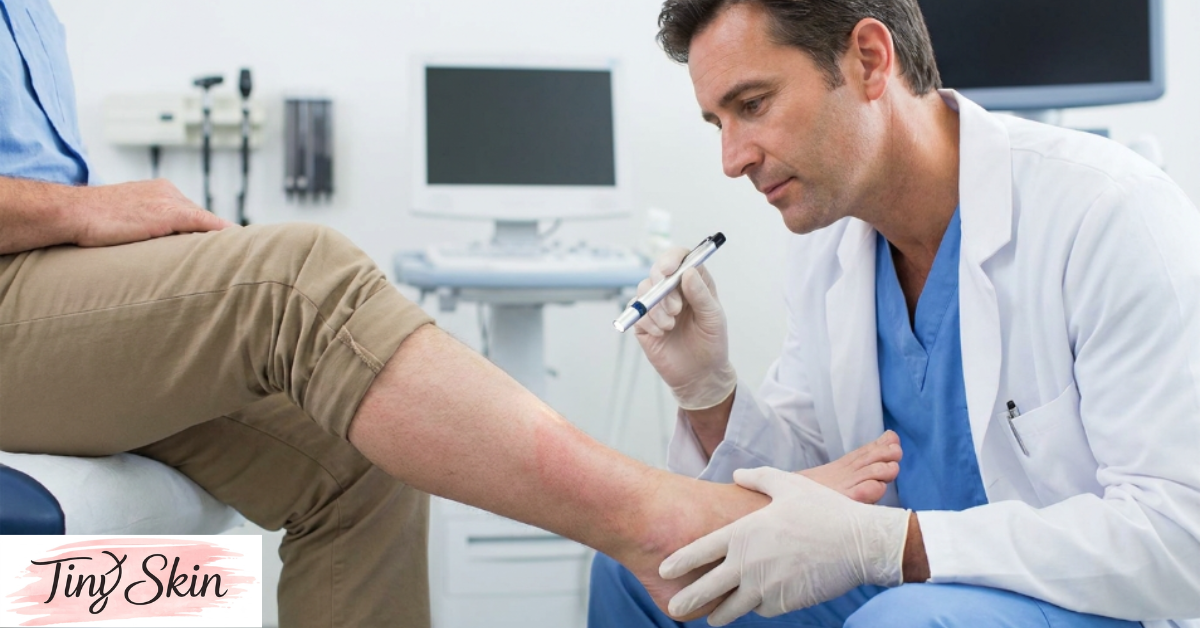
The infection is common and treatable, but it’s not something to manage with home remedies alone. Dermatologists and primary care doctors typically diagnose it based on how the skin looks and feels, plus your symptoms and medical history.
How Cellulitis Differs From Cellulite
Cellulitis and cellulite sound alike, but they’re completely different. Cellulite is a harmless cosmetic condition that causes a dimpled skin texture, usually on the thighs or hips. Cellulitis, on the other hand, is an infection that causes pain, swelling, and warmth. Confusing the two can delay proper care.
Who Is Most at Risk
Certain people face a higher risk of developing cellulitis, including:
- People with diabetes or poor circulation
- Those with a weakened immune system
- People with recent cuts, insect bites, or surgical wounds
- Individuals with chronic swelling (lymphedema)
- Older adults
Recognizing the Symptoms of Cellulitis
Cellulitis symptoms often appear suddenly and worsen over a day or two. Most people first notice a patch of skin that feels warmer than the skin around it. Additionally, the area may look red or discolored, and this redness typically spreads outward if left untreated.
Early Warning Signs
Watch for these common early symptoms:
- Redness or discoloration that expands over hours or days
- Swelling and tenderness in the affected area
- Skin that feels warm or hot to the touch
- Pain or tightness in the skin
- Mild fever or fatigue
When Symptoms Signal an Emergency
Some symptoms mean you need urgent medical attention, not a wait-and-see approach. Seek emergency care if you notice a high fever, chills, rapidly spreading redness, red streaking away from the area, or confusion. These signs can indicate the infection is spreading into deeper tissue or the bloodstream.
What Causes Cellulitis to Develop
Cellulitis develops when bacteria, most often Streptococcus or Staphylococcus species, enter the skin through a break in its surface. Once inside, the bacteria multiply in the deeper skin layers, triggering inflammation and infection.
Common Entry Points for Bacteria
Bacteria typically enter through:
- Cuts, scrapes, or puncture wounds
- Insect or animal bites
- Cracked, dry skin
- Surgical incisions
- Athlete’s foot or other fungal infections that break the skin barrier
Underlying Health Conditions That Raise Risk
Certain health conditions make cellulitis more likely or more severe. Diabetes can slow healing and reduce blood flow to the skin. Similarly, obesity and lymphedema increase swelling, which makes it harder for the body to fight infection. Doctors often ask about these conditions when planning cellulitis treatment, since they can affect which antibiotics and dosages are appropriate.
Cellulitis Treatment Options Explained
Cellulitis treatment depends mainly on how severe the infection is. Dermatologists and physicians generally recommend antibiotics as the primary treatment, since cellulitis is bacterial in nature.
Oral Antibiotics for Mild Cases
For mild to moderate cellulitis, doctors usually prescribe oral antibiotics. Patients typically take these for five to ten days, though your doctor will determine the right course. It’s important to finish the full prescription, even if the skin starts looking better after a few days.
IV Antibiotics for Severe Infections
More severe cases, or infections that don’t improve with oral antibiotics, may require intravenous (IV) antibiotics in a hospital setting. This is especially true for people with a high fever, spreading redness, or a weakened immune system.
Supportive Home Care
Alongside prescribed antibiotics, doctors often recommend:
- Elevating the affected limb to reduce swelling
- Keeping the area clean and covered
- Taking over-the-counter pain relievers, if approved by your doctor
- Monitoring the area daily and marking the edge of redness to track progress
Never attempt to treat cellulitis with topical creams or exfoliating products alone. This infection sits below the skin’s surface, so surface treatments can’t reach it.
Key Takeaways
- Cellulitis is a bacterial skin infection, not a cosmetic skin issue.
- Redness that spreads, along with warmth and swelling, is a hallmark symptom.
- Antibiotics are the standard cellulitis treatment, prescribed based on severity.
- Diabetes, poor circulation, and skin breaks all raise your risk.
- High fever, chills, or rapidly spreading redness require emergency care.
- Most people recover fully within one to two weeks with proper treatment.
Cellulitis Treatment Timeline: What to Expect
Recovery time varies, but understanding the general timeline can ease anxiety and help you know what’s normal.
First 48 Hours
Within the first one to two days of starting antibiotics, most patients notice the redness has stopped spreading. However, the skin may still look inflamed during this window, and that’s usually expected rather than a sign of failure.
Full Recovery Period
Most mild to moderate cases clear up within seven to ten days. Swelling and discoloration can take a bit longer to fully fade, sometimes up to a few weeks. If symptoms haven’t improved within three days of starting cellulitis treatment, contact your doctor, since this may mean the antibiotic needs to be changed.
How to Prevent Cellulitis From Returning
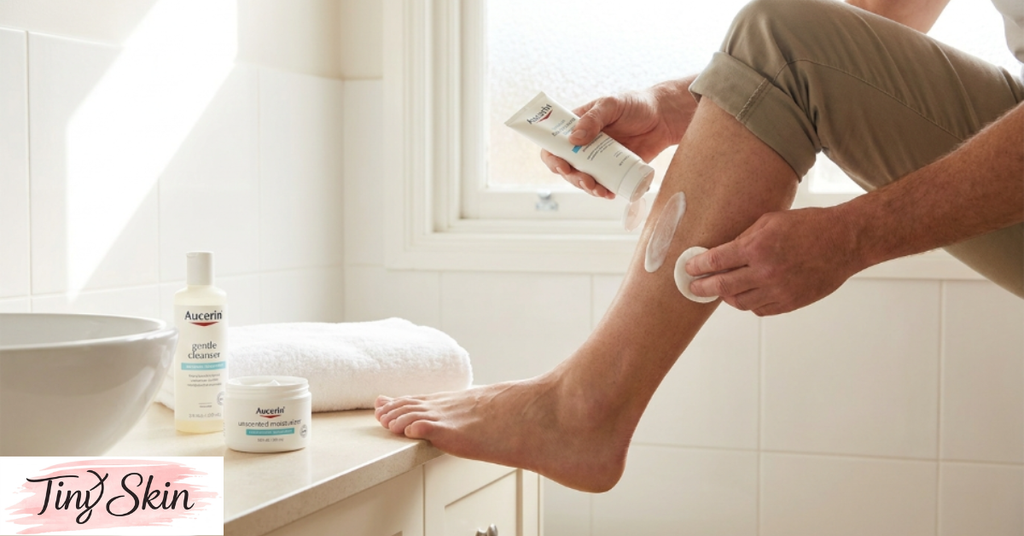
Once you’ve had cellulitis, you’re more likely to get it again, so prevention matters just as much as treatment.
Skin Care Habits That Help
Simple daily habits lower your risk significantly:
- Clean and cover any cuts or scrapes promptly
- Moisturize dry, cracked skin, especially on the feet
- Treat athlete’s foot or fungal infections quickly
- Wear protective footwear outdoors
Managing Chronic Conditions
If you have diabetes, lymphedema, or poor circulation, work with your doctor to manage these conditions closely. Keeping blood sugar levels stable and reducing chronic swelling both lower your chances of a repeat infection.
Cellulitis vs Other Skin Conditions: A Comparison
It’s easy to confuse cellulitis with other skin issues. This table breaks down the key differences.
| Condition | Main Symptom | Common Cause | Typical Treatment |
|---|---|---|---|
| Cellulitis | Spreading redness, warmth, swelling | Bacterial infection through broken skin | Oral or IV antibiotics |
| Abscess | Localized painful, pus-filled lump | Bacteria trapped under the skin | Drainage, sometimes antibiotics |
| Eczema | Itchy, dry, flaky patches | Immune response, irritants, genetics | Moisturizers, topical steroids |
| Contact Dermatitis | Redness and itching at contact site | Allergen or irritant exposure | Avoiding trigger, topical treatment |
Table 2: Cellulitis Treatment by Severity
| Severity | Typical Treatment | Care Setting | Usual Duration |
|---|---|---|---|
| Mild | Oral antibiotics | At home | 5–7 days |
| Moderate | Oral antibiotics, closer monitoring | At home with follow-up visits | 7–10 days |
| Severe | IV antibiotics | Hospital | 10–14 days or longer |
When to See a Dermatologist or Doctor
Any suspected case of cellulitis needs a medical evaluation. A doctor can confirm the diagnosis and rule out other conditions that may look similar.
Red Flags That Need Immediate Care
Go to urgent care or an emergency room if you notice:
- Fever above 38.3°C (101°F)
- Red streaks spreading from the infected area
- Rapidly worsening pain or swelling
- Signs of confusion or dizziness
Follow-up Care After Treatment
After finishing cellulitis treatment, follow up with your doctor if redness returns, if you develop new symptoms, or if the same area gets infected again. Recurrent cellulitis sometimes signals an underlying condition, such as lymphedema, that needs separate management.
Conclusion
Cellulitis treatment works best when it starts early, so don’t ignore a red, warm, or swollen patch of skin. Most cases clear up fully with the right antibiotics and a bit of at-home care. However, watch closely for warning signs like fever or spreading redness, since these need urgent attention. If you notice any symptoms of cellulitis, don’t wait — consult a dermatologist or your doctor promptly to get an accurate diagnosis and start treatment right away.
FAQs
Is cellulitis contagious?
No, cellulitis itself isn’t contagious because the bacteria infect tissue beneath the skin. However, the bacteria causing it can spread between people through direct contact with an open wound, so keeping any wounds covered is still a good precaution.
How long does cellulitis treatment take to work?
Most people notice improvement within 48 hours of starting antibiotics. Full recovery typically takes seven to ten days for mild to moderate cases, though swelling and discoloration can linger a bit longer.
Can cellulitis go away without antibiotics?
Cellulitis rarely resolves on its own and can worsen without treatment. Antibiotics are considered the standard, necessary treatment because untreated cellulitis can spread to the bloodstream or deeper tissue.
What happens if cellulitis is left untreated?
Untreated cellulitis can spread rapidly, leading to serious complications like blood infection (sepsis) or tissue damage. This is why doctors recommend seeking treatment as soon as symptoms appear.
Can I treat cellulitis with home remedies?
Home remedies alone can’t cure cellulitis, since it’s a bacterial infection beneath the skin’s surface. Supportive care like elevation and rest can ease symptoms, but antibiotics prescribed by a doctor are essential.
Does cellulitis come back after treatment?
Yes, some people experience recurrent cellulitis, especially those with diabetes, lymphedema, or circulation issues. Managing these underlying conditions and practicing good skin care can lower the chances of it returning.

