

Introduction
Have you noticed pale or white patches slowly spreading across your skin? You might be asking yourself, “What is vitiligo, and why is this happening to me?” Vitiligo is a chronic skin condition that causes the skin to lose its natural color in patches. It affects people of all ages, genders, and skin tones. While it isn’t painful or contagious, vitiligo can affect confidence and daily life. The good news is that understanding the condition is the first step toward managing it well. In this guide, we’ll break down what causes vitiligo, how to spot the symptoms, and which treatments actually work. Let’s dive in.
What Is Vitiligo? A Simple Definition
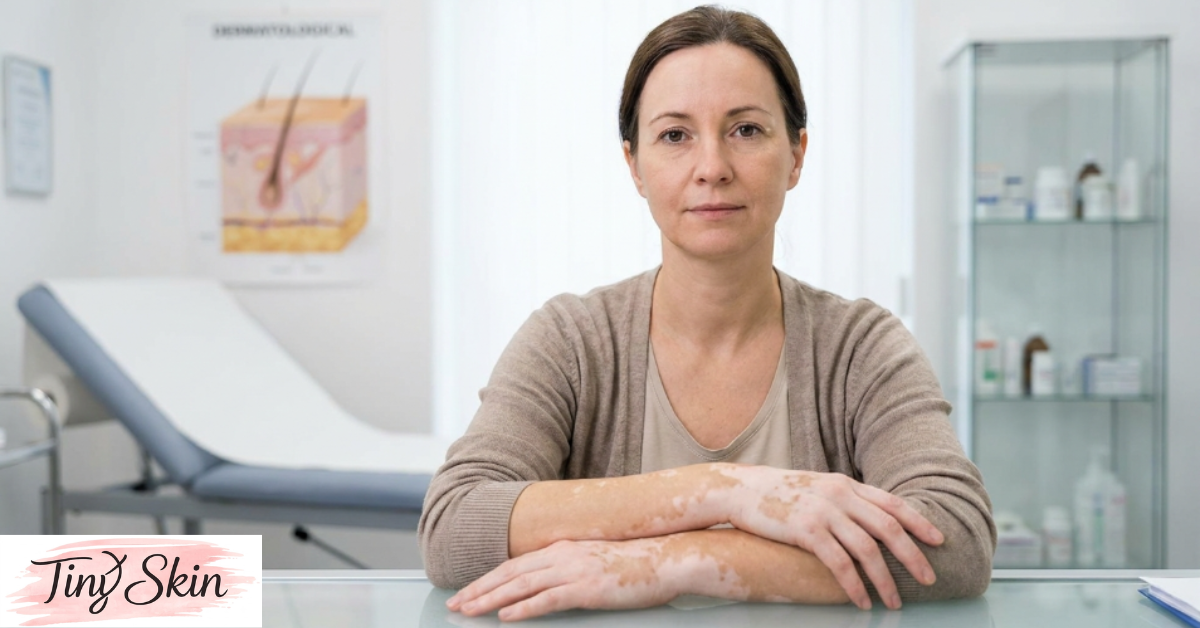
Vitiligo is a long-term skin condition where patches of skin lose their pigment. This happens because the cells that produce melanin, called melanocytes, stop working or die off. Melanin is the pigment responsible for skin, hair, and eye color. Without it, the skin turns milky white in the affected areas.
Vitiligo is not an infection, and it does not spread through touch. It is classified as an autoimmune-related condition, meaning the body’s own immune system mistakenly attacks healthy pigment cells. Dermatologists note that the condition can appear at any age, though it often shows up before age 30.
How Vitiligo Affects the Skin
The patches usually start small and may grow larger over months or years. They often appear symmetrically, meaning both sides of the body can be affected in similar spots. Common areas include the hands, face, elbows, and around the eyes and mouth.
Who Develops Vitiligo
Vitiligo affects an estimated 1% of the world’s population, according to dermatology researchers. It occurs equally in men and women and across all ethnic backgrounds. However, the patches may be more visible on darker skin tones, which is why many people seek early diagnosis and support.
What Causes Vitiligo?
Understanding what causes vitiligo helps patients feel more in control of their diagnosis. Researchers haven’t pinpointed one single cause, but several factors appear to play a role. Most experts agree it results from a mix of genetic, immune, and environmental triggers working together.
Autoimmune Factors
The leading theory is that vitiligo is an autoimmune skin disorder. This means the immune system mistakenly identifies melanocytes as harmful and destroys them. People with vitiligo often have a higher risk of other autoimmune conditions, such as thyroid disease. Dermatologists frequently recommend a thyroid check when vitiligo is diagnosed.
Genetic and Environmental Triggers
Family history also matters. Studies suggest that having a close relative with vitiligo increases your own risk, although it is not guaranteed to be inherited. Additionally, environmental triggers may set off the condition in people who are already genetically prone to it. These can include:
- Severe sunburn or skin trauma
- Significant emotional stress
- Exposure to certain industrial chemicals
- Illness that triggers immune system changes
None of these factors alone guarantee that vitiligo will develop. However, they may accelerate the onset in someone already predisposed to the condition.
Common Symptoms and Signs of Vitiligo
Recognizing symptoms early can help you get a diagnosis sooner. The main sign of vitiligo is the appearance of flat, white patches on the skin with clearly defined edges. These patches don’t itch or hurt, but they may feel slightly different in texture over time.
Early Symptoms to Watch For
The first sign is often a small pale patch that’s easy to dismiss as a scar or sun spot. Watch for these early indicators:
- Premature whitening or graying of scalp, eyelash, or beard hair
- Loss of color inside the mouth or nose
- Patches that grow slowly but steadily
- Color loss in the retina, in rare cases
Types of Vitiligo
Not all vitiligo looks the same. Dermatologists classify it into different types based on how and where it spreads. The table below breaks down the main types.
Table 1: Types of Vitiligo Compared
| Type of Vitiligo | Description | Common Areas Affected |
|---|---|---|
| Generalized (Non-Segmental) | Most common type; patches appear on both sides of the body symmetrically | Hands, face, arms, around body openings |
| Segmental | Affects only one side or section of the body; often starts early and spreads quickly, then stops | One arm, leg, or side of the face |
| Focal | Limited to one or a few small areas without spreading much | Localized small patches |
| Universal | Rare form; affects most of the skin’s surface | Widespread across the body |
How Is Vitiligo Diagnosed?
A proper diagnosis is essential because several other skin conditions can look similar to vitiligo. Only a qualified dermatologist can confirm the condition accurately, so self-diagnosis based on internet photos isn’t recommended.
Physical Examination
The first step is usually a visual skin examination. The dermatologist will look at the pattern, shape, and location of the patches. They will also ask about family history, recent illnesses, and any autoimmune conditions you may have.
Wood’s Lamp and Other Tests
Doctors often use a special ultraviolet light called a Wood’s lamp to see pigment loss more clearly, especially on lighter skin. In some cases, a small skin biopsy or blood test may be ordered. Blood tests can help rule out related autoimmune conditions like thyroid disorders or vitamin B12 deficiency.
Vitiligo Treatment Options

There’s currently no permanent cure for vitiligo, but several treatments can help restore skin color or even out its appearance. Treatment choice depends on how much skin is affected, where the patches are, and how the condition is progressing.
Topical Treatments
Topical corticosteroids and calcineurin inhibitors are often the first line of treatment. These creams can help repigment small patches, especially when used early. Dermatologists usually recommend a trial period of several months to check results.
Light Therapy
Phototherapy, particularly narrowband UVB light, is one of the most widely used treatments. It works by stimulating the remaining melanocytes to produce pigment again. Sessions are typically done two to three times per week under medical supervision.
Surgical Options
For stable patches that haven’t responded to other treatments, dermatologists may suggest surgical options like skin grafting. This involves moving small sections of pigmented skin to affected areas. It’s usually reserved for cases where the vitiligo has been stable for a long period.
Table 2: Vitiligo Treatment Options Compared
| Treatment | How It Works | Best For |
|---|---|---|
| Topical corticosteroids | Reduces immune attack on melanocytes | Small, early-stage patches |
| Calcineurin inhibitors | Suppresses local immune response | Face and sensitive areas |
| Narrowband UVB therapy | Stimulates pigment-producing cells | Widespread or stubborn patches |
| Skin grafting | Transfers pigmented skin to affected areas | Stable, long-term patches |
| Camouflage makeup | Conceals patches cosmetically | Immediate appearance concerns |
Key Takeaways
- Vitiligo is a chronic condition caused by the loss of pigment-producing skin cells.
- It is considered an autoimmune skin disorder, not an infection or allergy.
- Genetics, stress, and skin trauma may all play a role in triggering it.
- Common symptoms include painless white patches with defined borders.
- Several treatments, including light therapy and topical creams, can help manage the condition.
- Early diagnosis by a dermatologist leads to better management outcomes.
Living With Vitiligo: Skincare and Lifestyle Tips
Living well with vitiligo goes beyond medical treatment. Daily skincare habits and emotional support both play a big role in quality of life.
Sun Protection
Skin without melanin burns more easily and lacks natural UV protection. Dermatologists recommend broad-spectrum sunscreen with SPF 30 or higher every day. This also helps prevent uneven tanning, which can make patches more noticeable.
Camouflage and Makeup Options
Many people choose to use specialized concealers or self-tanning products designed for vitiligo. These products are formulated to blend patches with surrounding skin. They offer a temporary, non-medical way to even out skin tone for special occasions or daily confidence.
Emotional Wellbeing
Living with a visible skin condition can affect self-esteem. Support groups, therapy, and connecting with others who have vitiligo can make a real difference. Many dermatology clinics now offer resources specifically for the emotional side of chronic skin conditions.
Vitiligo Myths vs. Facts
Misinformation about vitiligo is common, and it can lead to unnecessary stigma. Let’s clear up a few widespread myths.
Common Misconceptions
- Myth: Vitiligo is contagious. Fact: It cannot spread through touch or contact.
- Myth: Vitiligo is caused by poor hygiene. Fact: Hygiene has no connection to pigment loss.
- Myth: Vitiligo only affects darker skin tones. Fact: It affects all skin tones, though it’s more visible on darker skin.
- Myth: Diet alone can cure vitiligo. Fact: While a balanced diet supports overall skin health, it cannot reverse pigment loss on its own.
When to See a Dermatologist
If you notice new white patches, changing skin texture, or premature graying of hair, it’s time to book an appointment. A dermatologist can confirm whether it’s truly vitiligo or another condition, such as tinea versicolor or eczema. Early evaluation also opens the door to more treatment options, since some therapies work best on newer patches. Don’t wait until patches spread significantly before seeking help.
Conclusion
So, what is vitiligo in simple terms? It’s a manageable, non-contagious skin condition caused by the loss of pigment cells. While there’s no guaranteed cure, modern treatments like light therapy, topical creams, and camouflage options can significantly improve how skin looks and feels. Understanding the causes and symptoms empowers you to seek help early and manage the condition confidently. If you’ve noticed unusual white patches on your skin, don’t wait to get answers. Consult a board-certified dermatologist today to discuss a personalized treatment plan that fits your skin and lifestyle.
Frequently Asked Questions
What is vitiligo caused by?
Vitiligo is caused by the destruction of melanocytes, the cells that produce skin pigment. Experts believe it results from an autoimmune response combined with genetic and environmental triggers. It is not caused by poor hygiene or diet.
Is vitiligo a serious health condition?
Vitiligo itself is not dangerous or life-threatening. However, it can be linked to other autoimmune conditions, like thyroid disease, so a full medical check-up is recommended after diagnosis.
Can vitiligo be cured completely?
There is currently no permanent cure for vitiligo. However, treatments like phototherapy, topical medication, and surgical options can restore pigment or even out skin tone significantly.
Does vitiligo spread over time?
Vitiligo can spread gradually, though the rate varies by person. Some patches remain stable for years, while others grow faster, especially during periods of stress or skin trauma.
Is vitiligo hereditary?
Vitiligo can run in families, and having a close relative with the condition increases your risk. However, it is not directly inherited in a predictable pattern like some genetic diseases.
Can stress trigger vitiligo?
Yes, significant emotional or physical stress is considered a possible trigger, especially in people already genetically predisposed to the condition. Managing stress may help slow its progression.

