

Introduction
Boils on skin are more common than most people realize, and they can appear suddenly on the face, neck, armpits, or thighs. These red, painful bumps often start small but can grow tender and swollen within days. If you have ever woken up with an unexpected lump that throbs when touched, you already know how uncomfortable boils can be.
The good news is that most boils are treatable at home, while others need a dermatologist’s care. This guide explains what causes boils on skin, how to recognize the stages, and which treatments actually work. You will also learn practical prevention tips backed by dermatology best practices.
What Are Boils on Skin?
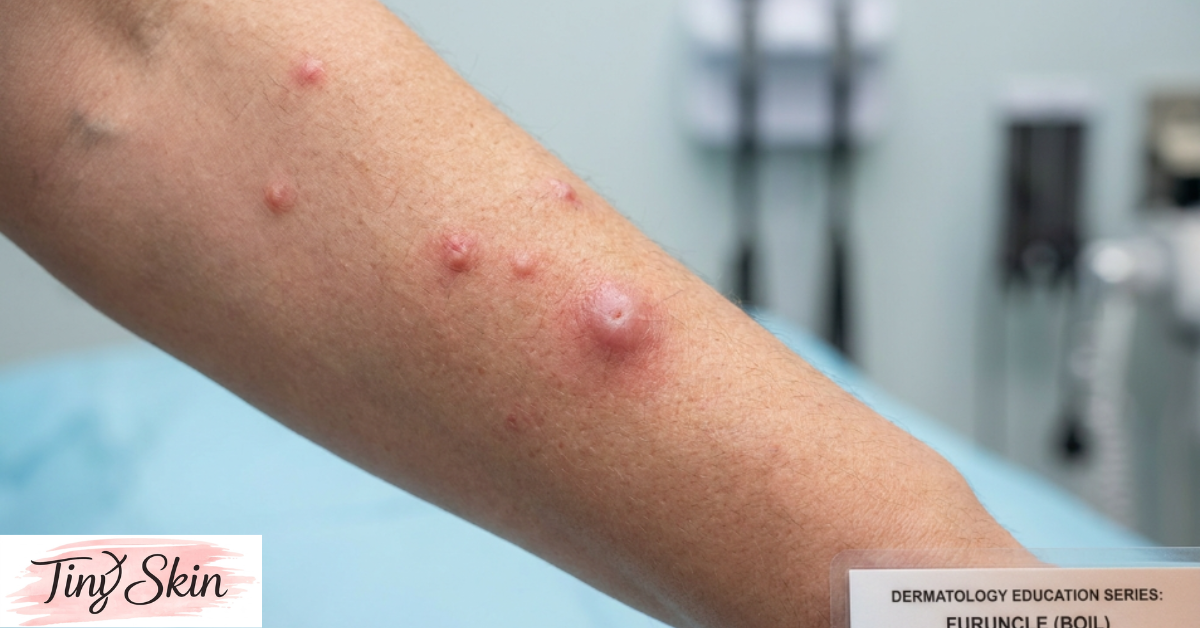
A boil, also called a furuncle, is a painful bump that forms when a hair follicle or oil gland becomes infected. The infection causes pus to collect under the skin, creating a raised, red lump. Boils on skin can appear anywhere hair grows, but they are most common on the face, neck, armpits, buttocks, and thighs.
Definition and Appearance
A typical boil starts as a small, tender red area. Over several days, it fills with pus and forms a visible white or yellow center. The skin around it usually looks swollen and feels warm to the touch.
How Boils Differ from Pimples and Cysts
Unlike a pimple, a boil forms deeper in the skin and grows larger, often reaching the size of a pea or bigger. Cysts, however, are usually slower-growing and less painful than boils. Dermatologists note that boils tend to develop faster and feel more tender than either condition. Additionally, boils are almost always caused by bacterial infection, while cysts can form for other reasons.
What Causes Boils on Skin?
Understanding the root cause helps you treat and prevent boils more effectively. Most boils develop when bacteria enter the skin through a small cut, ingrown hair, or blocked follicle.
Bacterial Infection (Staphylococcus aureus)
The bacterium Staphylococcus aureus is the leading cause of boils. This bacteria naturally lives on many people’s skin without causing harm. However, when it enters through broken skin, it can trigger an infection that leads to a boil.
Risk Factors That Increase Boil Formation
Several factors make some people more prone to boils than others:
- Diabetes or weakened immune system
- Poor hygiene or excessive sweating
- Close skin-to-skin contact with an infected person
- Obesity or friction from tight clothing
- Eczema or other skin conditions that break the skin barrier
Common Trigger Areas on the Body
Boils commonly form in areas with friction, hair follicles, and sweat glands. This includes the armpits, groin, buttocks, thighs, neck, and face. Moreover, these areas trap moisture and bacteria more easily than other parts of the body.
Types of Boils and Related Skin Infections
Not all boils are the same size or severity. Knowing the difference helps you decide how urgently you need treatment.
Furuncles vs Carbuncles
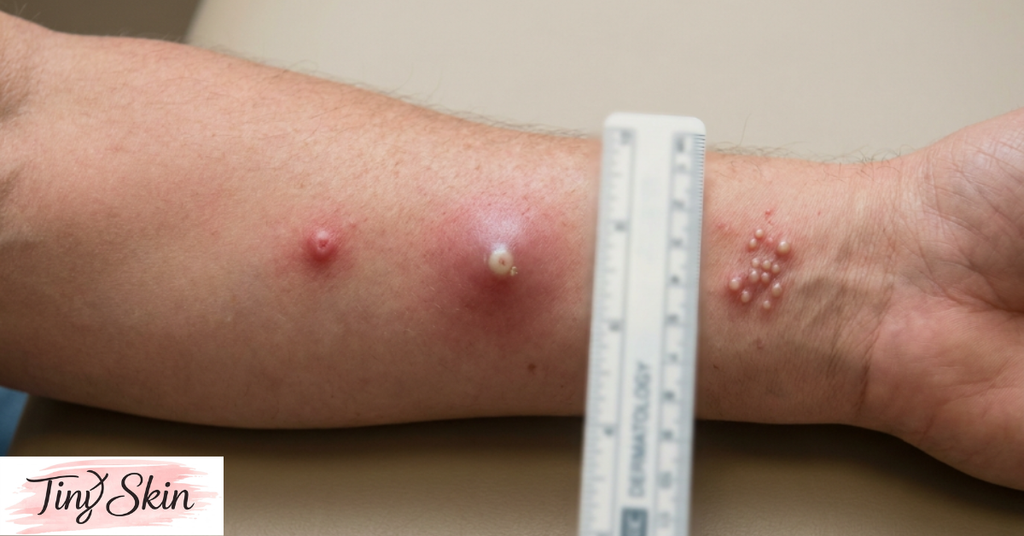
A single boil is called a furuncle. When several boils cluster together and connect under the skin, the condition is called a carbuncle. Carbuncles are more serious, often causing fever and requiring medical treatment.
Cystic Acne vs Boils
Cystic acne can look similar to a boil, but it typically appears in clusters on the face, chest, or back and is linked to hormonal changes. Boils, on the other hand, are bacterial and can appear as a single, isolated lump anywhere on the body.
Table 1: Boils vs Related Skin Conditions
| Condition | Main Cause | Typical Location | Pain Level | Needs Doctor? |
|---|---|---|---|---|
| Boil (Furuncle) | Bacterial infection of hair follicle | Face, neck, armpits, thighs | Moderate to high | Sometimes |
| Carbuncle | Cluster of connected boils | Back of neck, back, thighs | High | Yes, usually |
| Cystic Acne | Hormones, clogged pores | Face, chest, back | Mild to moderate | Sometimes |
| Sebaceous Cyst | Blocked oil gland | Scalp, back, neck | Low to moderate | Only if infected |
Symptoms and Stages of a Boil
Boils typically go through a predictable cycle. Recognizing each stage helps you decide the right care at the right time.
Early Stage Signs
The first sign is usually a small, tender red bump. It may itch or feel warm before it becomes noticeably painful.
When a Boil Is Ready to Drain
As the boil matures, a yellow or white pus-filled head forms on top. Dermatologists recommend waiting for this stage rather than trying to force early drainage, since squeezing too soon can push the infection deeper.
Warning Signs of Complications
Seek medical attention if you notice fever, red streaks spreading from the boil, or a boil larger than a golf ball. These signs may indicate the infection is spreading beyond the skin.
Table 2: Boil Stages at a Glance
| Stage | What You’ll See | Recommended Action |
|---|---|---|
| Stage 1: Onset | Small red, tender bump | Keep clean, apply warm compress |
| Stage 2: Growth | Bump enlarges, becomes firmer and more painful | Continue warm compresses, avoid squeezing |
| Stage 3: Head Forms | Yellow/white pus-filled center appears | Let it drain naturally or see a doctor |
| Stage 4: Drainage | Boil bursts and releases pus | Clean area, cover with sterile bandage |
| Stage 5: Healing | Redness fades, skin closes | Monitor for scarring or recurrence |
Home Remedies and Self-Care Tips
Many mild boils on skin can be managed at home with consistent, gentle care.
Warm Compresses
Applying a warm, damp cloth to the boil for 10-15 minutes, three to four times a day, encourages the boil to come to a head and drain naturally. This remains one of the most recommended home approaches by dermatologists.
Hygiene Practices
Wash the area gently with mild soap and water. Avoid sharing towels or razors, since this can spread bacteria to other areas or to other people.
What NOT to Do
Never squeeze or pop a boil, especially on the face. This can push bacteria deeper into the skin or bloodstream, increasing the risk of a more serious infection.
Medical Treatment Options
While many boils heal on their own, some require professional care.
When to See a Dermatologist
You should consult a dermatologist if the boil does not improve after a week, keeps growing, or returns frequently. Boils near the eyes, nose, or spine also need prompt medical attention.
Incision and Drainage
For larger boils, a doctor may perform a small incision to drain the pus safely. This procedure is quick and typically reduces pain almost immediately.
Antibiotics and Other Prescriptions
If the infection has spread or you have a weakened immune system, a doctor may prescribe oral or topical antibiotics. However, antibiotics alone usually cannot resolve a boil that needs drainage.
Prevention Tips for Recurring Boils
Preventing future boils involves consistent skin care and healthy habits.
Skin Hygiene Habits
Shower regularly, especially after sweating, and keep cuts or scrapes clean and covered. Use antibacterial soap if you are prone to recurring boils.
Diet and Lifestyle Factors
A balanced diet supports immune function, which helps your body fight bacteria more effectively. Staying hydrated and managing stress also play a supporting role in skin health.
Managing Underlying Conditions
People with diabetes or chronic skin conditions should work closely with a doctor to manage these issues, since uncontrolled conditions increase boil recurrence.
KEY TAKEAWAYS
- Boils on skin form when bacteria, usually Staphylococcus aureus, infect a hair follicle.
- A single boil is a furuncle; multiple connected boils form a carbuncle.
- Warm compresses are the most effective first-line home remedy.
- Never squeeze or pop a boil, as this can worsen the infection.
- See a dermatologist if a boil is large, painful, recurring, or accompanied by fever.
- Good hygiene and a healthy immune system help prevent future boils.
FAQs
What causes boils on skin to keep coming back?
Recurring boils are often linked to bacteria living on the skin, poor hygiene, friction, or underlying conditions like diabetes. A dermatologist can test for chronic bacterial colonization and recommend targeted treatment to reduce recurrence.
How long does a boil take to heal?
Most boils heal within two to three weeks. Smaller boils may resolve faster with warm compresses, while larger boils or carbuncles can take longer and sometimes require medical drainage.
Can I pop a boil at home?
No, dermatologists advise against popping a boil yourself. Squeezing can push bacteria deeper into the skin, increasing the risk of a more severe infection or scarring.
Are boils contagious?
Yes, the bacteria that cause boils can spread through direct skin contact or shared items like towels and razors. Keeping the area covered and practicing good hygiene reduces the risk of spreading it.
When should I worry about a boil?
Seek medical care if the boil is larger than a golf ball, accompanied by fever, or shows red streaks spreading outward. These signs may indicate a more serious infection needing prompt treatment.
Can diet affect boils on skin?
While diet does not directly cause boils, a balanced diet supports immune function, which helps your body resist bacterial infections. Staying hydrated and eating nutrient-rich foods can support faster healing.
Conclusion
Boils on skin can be uncomfortable, but understanding their causes and stages makes them far less overwhelming. Most mild boils respond well to warm compresses and good hygiene, while larger or recurring boils often need a dermatologist’s care. Paying attention to warning signs, like fever or spreading redness, helps you catch complications early.
If you are dealing with a boil that will not heal or keeps returning, do not wait it out. Consult a licensed dermatologist for a proper diagnosis and treatment plan tailored to your skin.

