
Introduction
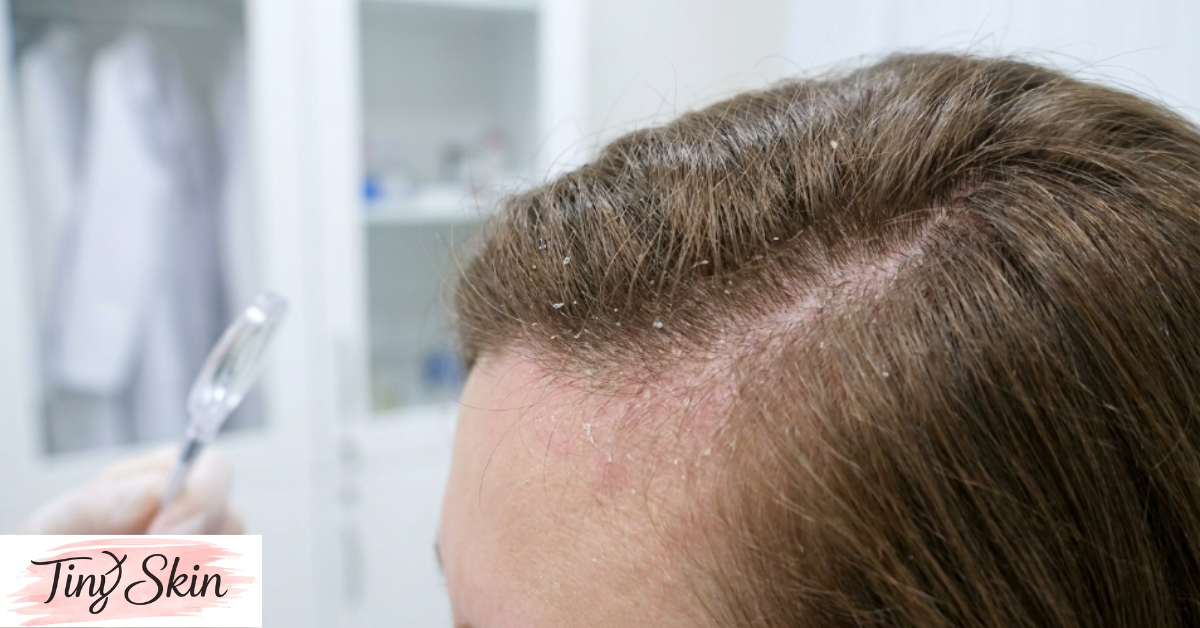
If your scalp feels itchy, flaky, or oily no matter what shampoo you try, you may have seborrheic dermatitis scalp symptoms. This common skin condition affects the oil-producing areas of your scalp and can flare up without warning. It is not contagious, and it does not mean your hygiene is poor.
However, it can feel frustrating and embarrassing, especially when flakes show up on dark clothing or a formal outfit. Many people try switching shampoos over and over, only to see symptoms return within days. This cycle is common because the underlying cause of seborrheic dermatitis scalp flare-ups is rarely addressed by regular cosmetic shampoo alone.
The good news is that seborrheic dermatitis scalp issues are highly manageable with the right routine. In this guide, you will learn what causes it, how to recognize it, how it differs from similar scalp conditions, and which treatments dermatologists actually recommend. By the end, you will have a clear, practical plan for calmer, flake-free skin.
What Is Seborrheic Dermatitis on the Scalp?
Seborrheic dermatitis scalp is a chronic inflammatory skin condition. It develops in areas with many oil glands, such as the scalp, eyebrows, and sides of the nose. Doctors classify it as a form of eczema, though it behaves differently from other types.
The condition causes redness, greasy scales, and persistent itching. Moreover, it tends to come and go throughout life, with flare-ups often triggered by stress, weather changes, or hormone shifts. In infants, a related form appears as “cradle cap,” though this usually clears on its own within the first year.
Unlike a temporary rash, seborrheic dermatitis scalp symptoms often follow a pattern of flare-ups and remission. Some people experience mild symptoms year-round, while others notice intense flares only during winter or high-stress periods. Recognizing this pattern early makes long-term management much easier.
How It Differs From Dandruff
Many people confuse seborrheic dermatitis with simple dandruff. Dandruff usually causes dry, white flakes without much redness. Seborrheic dermatitis, on the other hand, brings redness, oily yellow scales, and stronger itching.
Dermatologists often describe dandruff as a milder version of the same underlying process. In fact, seborrheic dermatitis and dandruff share the same root cause: an overgrowth of yeast on the skin.
Common Areas It Affects
While the scalp is the most common site, seborrheic dermatitis can also appear in other oily areas. These include:
- The hairline and behind the ears
- Eyebrows and eyelids
- Sides of the nose and nasolabial folds
- Chest, in some adult cases
Understanding these patterns helps you recognize flare-ups early, before they spread or worsen. If you notice similar flaking or redness in more than one of these areas at once, it strengthens the likelihood that seborrheic dermatitis, rather than another skin issue, is the cause.
What Causes Seborrheic Dermatitis on the Scalp?
There is no single cause of seborrheic dermatitis scalp flare-ups. Instead, several factors combine to trigger inflammation. Understanding these triggers can help you reduce how often symptoms appear and prevent future flares before they start.
Malassezia Yeast Overgrowth
A yeast called Malassezia lives naturally on everyone’s skin. In some people, however, it grows out of control and irritates the scalp. This overgrowth breaks down natural oils into substances that trigger inflammation and flaking.
Dermatologists consider this yeast imbalance the primary driver behind most seborrheic dermatitis cases. Antifungal treatments target this exact mechanism.
Genetic and Environmental Triggers
Genetics play a real role in who develops this condition. If a close family member has seborrheic dermatitis, you may be more likely to develop it too. Additionally, cold and dry weather often makes symptoms worse.
Oily skin, infrequent hair washing, and certain skincare products can also contribute to flare-ups. Harsh styling products may irritate an already sensitive scalp.
Stress and Immune System Factors
Stress does not directly cause seborrheic dermatitis, but it can trigger or worsen flare-ups. This happens because stress affects the immune system and skin barrier function.
People with weakened immune systems, including those with certain neurological or autoimmune conditions, tend to experience more frequent and severe symptoms. This is why dermatologists always ask about overall health during diagnosis.
Seasonal changes add another layer of complexity. Many people notice their seborrheic dermatitis scalp symptoms worsen in winter, when indoor heating dries out the air, then improve slightly during humid summer months.
Signs and Symptoms to Watch For
Recognizing seborrheic dermatitis scalp symptoms early makes treatment much easier. The condition often starts subtly before becoming more noticeable, so paying attention to small changes really helps.
Early Warning Signs
In the early stages, you might notice mild flaking that looks similar to dry skin. The scalp may feel slightly itchy or tight. Some people also notice a faint redness near the hairline.
These early signs are easy to dismiss. However, catching them early allows you to start treatment before symptoms intensify.
When Symptoms Become Severe
As the condition progresses, symptoms typically include:
- Thick, greasy, yellow-white scales
- Persistent itching that disrupts sleep
- Visible redness and inflamed patches
- Flakes that fall onto shoulders and clothing
- Mild hair thinning in severe, long-term cases
If scratching leads to open sores or crusting, this signals a need for prompt medical care to prevent infection. Left untreated, severe seborrheic dermatitis scalp flares can also affect confidence and daily comfort, which is another reason early treatment matters.
Seborrheic Dermatitis vs Dandruff vs Scalp Psoriasis
Because these three conditions look similar, many people misdiagnose themselves and choose the wrong shampoo as a result. The table below highlights the key differences between seborrheic dermatitis scalp symptoms, ordinary dandruff, and scalp psoriasis.
| Feature | Seborrheic Dermatitis | Dandruff | Scalp Psoriasis |
|---|---|---|---|
| Flake color | Yellow, oily | White, dry | Silvery-white |
| Redness | Moderate to strong | Minimal | Strong, well-defined patches |
| Itching | Common | Mild | Often intense |
| Cause | Yeast overgrowth, inflammation | Mild yeast imbalance, dry skin | Immune system overactivity |
| Spread beyond scalp | Sometimes (face, chest) | Rarely | Often (elbows, knees) |
| Typical treatment | Antifungal + anti-inflammatory | Anti-dandruff shampoo | Prescription topical steroids |
Key Differences in Appearance
Seborrheic dermatitis scalp flakes tend to look oily and clump together, often with a yellowish tint. Dandruff flakes are usually dry, white, and scatter easily when you brush your hair. Psoriasis, meanwhile, produces thicker, silvery plaques with sharply defined edges that may extend beyond the hairline.
Why Accurate Diagnosis Matters
Using the wrong product can worsen symptoms. For example, psoriasis often needs prescription-strength treatment, while seborrheic dermatitis responds well to antifungal shampoos. A dermatologist can confirm which condition you actually have.
Proven Treatment Options for Seborrheic Dermatitis Scalp
Effective treatment usually combines medicated products with consistent scalp care. Most people see improvement within a few weeks when they follow a routine consistently, rather than treating symptoms only occasionally.
Medicated Shampoos
Dermatologists commonly recommend shampoos containing:
- Ketoconazole or ciclopirox (antifungal)
- Zinc pyrithione (antifungal and antibacterial)
- Selenium sulfide (reduces yeast and oil)
- Coal tar (slows skin cell turnover)
- Salicylic acid (removes scale buildup)
Using these two to three times weekly often reduces flaking significantly within two to four weeks.
Topical Treatments
For more stubborn inflammation, doctors may prescribe:
- Low-potency corticosteroid solutions for short-term flare control
- Topical calcineurin inhibitors for sensitive areas
- Antifungal creams for facial or ear involvement
These treatments target inflammation directly and are typically used alongside medicated shampoo.
Lifestyle Adjustments
Additionally, small daily habits support long-term control. These include managing stress, getting enough sleep, and avoiding harsh hair products. Regular, gentle scalp cleansing also prevents oil and yeast buildup.
Many dermatologists recommend keeping a simple symptom diary. Tracking what triggers your seborrheic dermatitis scalp flare-ups, such as certain products or stressful weeks, makes it easier to avoid them in the future.
Ingredient Comparison: What to Look for in a Medicated Shampoo
Choosing the right shampoo ingredient can make a real difference for anyone managing seborrheic dermatitis scalp symptoms. Use this comparison to guide your next purchase.
| Ingredient | Best For | How It Works | Frequency of Use |
|---|---|---|---|
| Ketoconazole 2% | Moderate to severe cases | Kills Malassezia yeast | 2–3 times per week |
| Zinc pyrithione | Mild to moderate cases | Antifungal, antibacterial | 3–4 times per week |
| Selenium sulfide | Oily, flaky scalp | Slows yeast growth and oil production | 2 times per week |
| Salicylic acid | Thick scale removal | Exfoliates dead skin cells | 2–3 times per week |
| Coal tar | Chronic, scaly cases | Slows excess skin cell turnover | 2–3 times per week |
Active Ingredients Explained
Each active ingredient targets a different part of the problem. Antifungals reduce yeast, while exfoliants like salicylic acid clear existing buildup. Combining two shampoos on alternating days often works better than using just one, since it addresses both yeast overgrowth and scale removal at the same time.
Ingredients to Avoid
Fragrances, sulfates, and alcohol-based styling products can irritate an already inflamed scalp. Avoid these while symptoms are active, since they may prolong healing and increase itching.
Home Care Tips to Manage Flare-Ups
Consistent home care plays a major role in keeping seborrheic dermatitis scalp symptoms under control between treatment cycles. Small daily choices often matter more than expensive products.
Daily Scalp Care Routine
- Wash hair regularly, even during flare-ups, to remove excess oil
- Massage shampoo gently; avoid aggressive scratching
- Let medicated shampoo sit for 3–5 minutes before rinsing
- Use lukewarm, not hot, water to avoid irritation
- Pat the scalp dry instead of rubbing with a towel
Diet and Stress Management
Some people notice fewer flare-ups when they reduce sugar and processed foods. Staying hydrated and managing stress through exercise or sleep can also support skin barrier health. While diet alone won’t cure seborrheic dermatitis scalp symptoms, it may reduce how often flares occur.
Getting consistent sleep is another overlooked factor. Poor sleep raises stress hormones, which can indirectly worsen inflammation and slow healing.
Key Takeaways
- Seborrheic dermatitis scalp is a chronic but manageable inflammatory skin condition.
- It is caused by yeast overgrowth, genetics, weather, and immune factors, not poor hygiene.
- Symptoms include oily yellow scales, redness, and persistent itching.
- It differs from dandruff and psoriasis in appearance and severity.
- Antifungal shampoos and topical treatments are the most effective first-line options.
- Consistent scalp care routines help prevent future flare-ups.
When to See a Dermatologist
Most mild cases of seborrheic dermatitis scalp respond well to over-the-counter treatment. However, some situations call for professional care, especially when symptoms don’t improve or keep coming back despite consistent effort.
Red Flags That Need Medical Attention
Seek dermatologist advice if you notice:
- Symptoms that don’t improve after 4–6 weeks of consistent treatment
- Signs of infection, such as pus, warmth, or spreading redness
- Rapid hair thinning alongside scalp inflammation
- Symptoms spreading to the face, chest, or other body areas
What to Expect During a Consultation
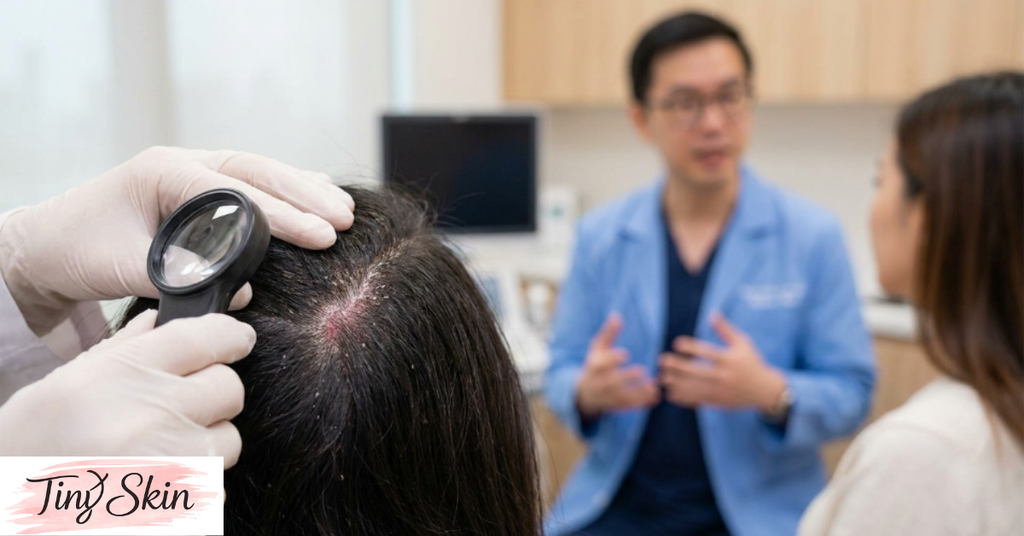
A dermatologist will typically examine your scalp and ask about your symptom history, including how long flare-ups last and what seems to trigger them. In some cases, they may prescribe stronger antifungal or anti-inflammatory treatments than what is available over the counter.
They can also rule out other conditions with similar symptoms, such as psoriasis or contact dermatitis, ensuring you get the right treatment plan. Most people leave their appointment with a clear, personalized routine for managing seborrheic dermatitis scalp symptoms long-term.
FAQs
Is seborrheic dermatitis on the scalp contagious?
No, seborrheic dermatitis is not contagious. It results from yeast overgrowth combined with genetic and environmental factors. You cannot catch it from another person or spread it through contact, sharing combs, or using the same pillow.
Can seborrheic dermatitis cause permanent hair loss?
Seborrheic dermatitis itself rarely causes permanent hair loss. However, severe, long-term inflammation and scratching can temporarily affect hair growth. Treating the underlying inflammation usually allows normal hair growth to resume within a few months.
How long does a seborrheic dermatitis scalp flare-up last?
With consistent treatment, flare-ups often improve within two to four weeks. Without treatment, symptoms can persist for months and may worsen during cold, dry seasons or periods of high stress.
Can stress trigger seborrheic dermatitis on the scalp?
Yes, stress can trigger or worsen flare-ups. It affects immune function and skin barrier health, making the scalp more reactive to yeast and irritation. Managing stress through sleep and exercise may help reduce flare frequency.
What is the best shampoo for seborrheic dermatitis scalp symptoms?
Shampoos containing ketoconazole, zinc pyrithione, or selenium sulfide are commonly recommended. The best choice depends on symptom severity, so consult a dermatologist if over-the-counter options don’t help within a few weeks.
Does diet affect seborrheic dermatitis on the scalp?
Diet is not a direct cause, but some people report fewer flare-ups after reducing sugar and processed foods. Staying hydrated and eating a balanced diet supports overall skin health, though it won’t replace medicated treatment.
Conclusion
Seborrheic dermatitis scalp symptoms can feel frustrating, but they are highly manageable with the right approach. Understanding your triggers, choosing the correct medicated shampoo, and following a consistent scalp care routine can significantly reduce flare-ups.
However, persistent or severe symptoms deserve professional attention. A dermatologist can confirm your diagnosis and recommend a treatment plan suited to your skin. Don’t wait for symptoms to worsen; book a consultation with a dermatologist today to get your scalp health back on track.

