

Introduction
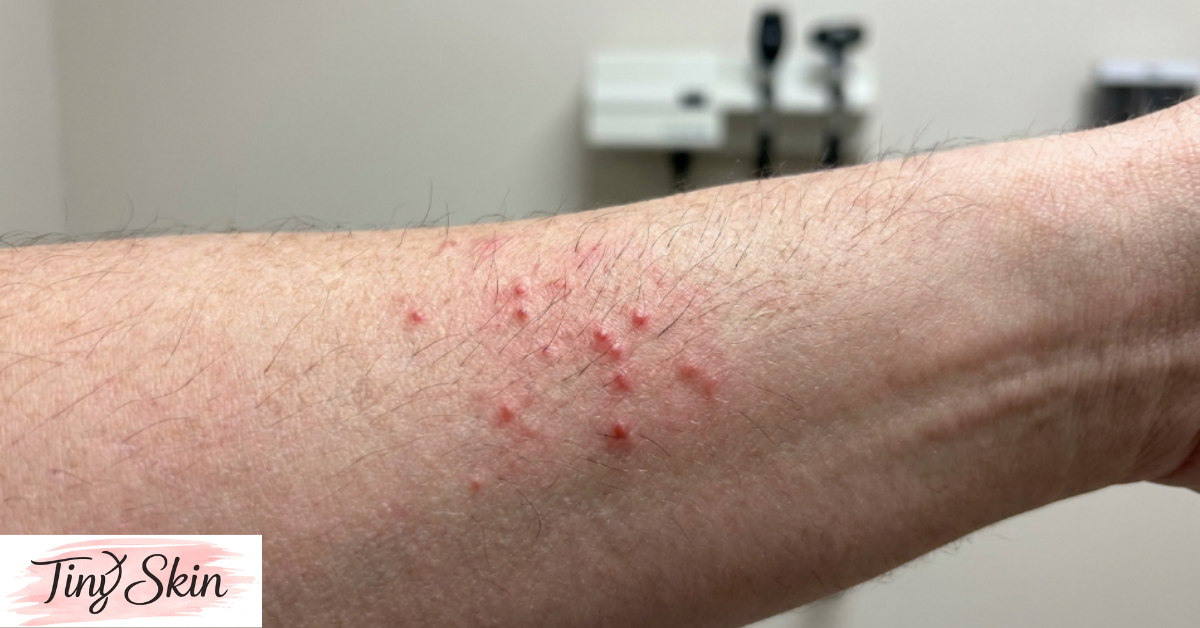
Small red bumps that itch, sting, or look like tiny pimples around your hair follicles can be frustrating and confusing. This is often folliculitis, a common skin condition that happens when hair follicles become inflamed or infected. It can appear on the legs, arms, scalp, or face, and it affects people of every age and skin type. The good news is that folliculitis is rarely dangerous, and most cases clear up with simple care. However, understanding the cause is the first step toward smoother, healthier skin. In this guide, you will learn what triggers folliculitis, how to recognize it, and which treatments actually work.
What Is Folliculitis?
Folliculitis is inflammation of one or more hair follicles, the small pockets in your skin where hair grows. It usually starts as small red or white-headed bumps and can feel itchy, tender, or mildly painful. Dermatologists note that almost anyone can develop it at some point in their life.
Definition and Basic Overview
Folliculitis happens when the follicle wall is damaged or irritated, allowing bacteria, fungi, or even ingrown hairs to trigger inflammation. The result is a cluster of small bumps that often resemble acne.
How Common Is It
This condition is one of the most frequently seen skin complaints in dermatology clinics. It affects men and women equally, though it is more noticeable in areas that are shaved, waxed, or frequently sweat.
Who Is at Risk
Certain groups face a higher risk of developing folliculitis, including:
- People who shave or wax regularly
- Individuals with oily or acne-prone skin
- Those who wear tight, non-breathable clothing
- People using hot tubs or shared pools with poor water hygiene
- Anyone with a weakened immune system
Moreover, athletes and people who sweat heavily during exercise often report recurring flare-ups.
Common Causes of Folliculitis
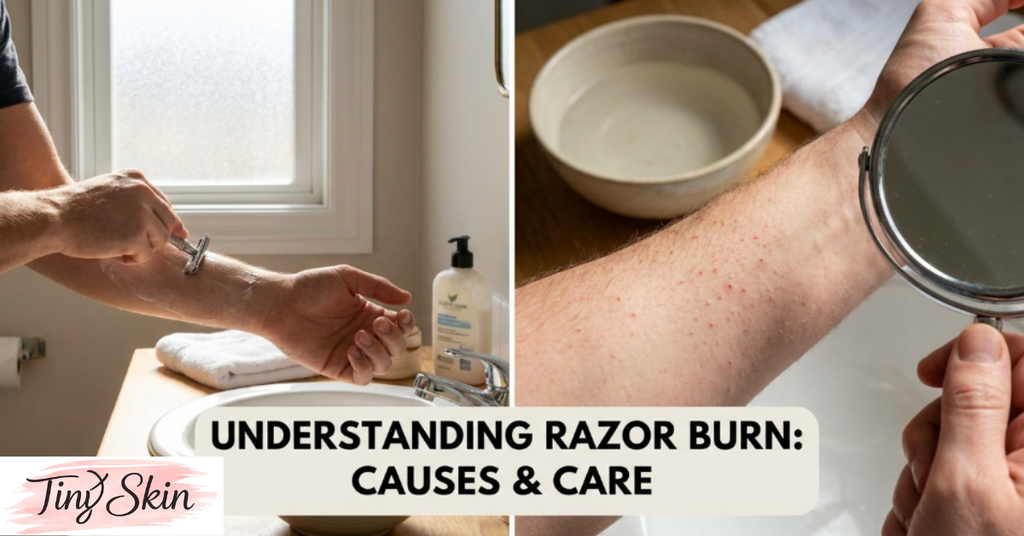
Understanding what triggers folliculitis helps you avoid future flare-ups. In most cases, the cause is mechanical irritation combined with bacteria or fungi entering the follicle.
Bacterial and Fungal Causes
The most common bacterial trigger is Staphylococcus aureus, a bacterium naturally found on the skin. Additionally, a yeast-related form called fungal folliculitis (Malassezia folliculitis) can occur, especially on the chest and back.
Shaving and Waxing
Shaving against the grain, using dull razors, or waxing too aggressively can damage the follicle opening. This creates a direct entry point for bacteria, which is why razor bumps and folliculitis are closely linked.
Tight Clothing and Sweat
Tight clothes trap heat and moisture against the skin, creating an environment where bacteria thrive. Similarly, sweat that isn’t washed off promptly after a workout can clog follicles and worsen inflammation.
Other triggers include hot tub exposure, occlusive skincare products, and friction from backpacks or tight straps.
Symptoms and Signs You Shouldn’t Ignore
Folliculitis symptoms can range from mild to more noticeable, depending on how deep the infection sits within the follicle.
Early Symptoms
In the early stage, you may notice:
- Small red or white bumps around hair follicles
- Mild itching or tenderness
- Slight burning sensation after shaving
When It Becomes Serious
However, if bumps grow larger, become painful, or spread quickly, this could indicate a deeper infection. Warning signs include:
- Pus-filled bumps that don’t heal within a week
- Fever or swelling around the affected area
- Dark spots or scarring left behind after healing
If you experience any of these signs, it’s best to consult a dermatologist rather than wait it out.
Types of Folliculitis
Not all folliculitis looks or behaves the same way. Identifying the type can guide the right treatment approach.
Superficial Folliculitis
This is the mildest and most common form. It affects only the top of the follicle and usually heals within a few days with proper care.
Deep Folliculitis
Deep folliculitis reaches further into the skin and can cause boils or larger, more painful lumps. It often requires medical treatment to fully resolve.
| Type of Folliculitis | Common Cause | Typical Symptoms |
|---|---|---|
| Bacterial Folliculitis | Staph bacteria entering damaged follicles | Small red, pus-filled bumps |
| Pseudomonas (“Hot Tub”) Folliculitis | Contaminated hot tub or pool water | Itchy rash appearing 1–2 days after exposure |
| Fungal (Malassezia) Folliculitis | Yeast overgrowth on oily skin | Uniform itchy bumps on chest/back |
| Pseudofolliculitis (Razor Bumps) | Ingrown hairs from shaving | Inflamed bumps in shaved areas |
| Eosinophilic Folliculitis | Linked to immune system changes | Intensely itchy bumps, often recurring |
Folliculitis vs Other Skin Conditions
Folliculitis is frequently mistaken for other common skin issues. Knowing the difference can save you from using the wrong treatment.
Comparing Appearance
Acne typically involves clogged pores with blackheads or whiteheads, while folliculitis centers directly around a hair follicle.
Comparing Triggers
Eczema is usually linked to dry skin or allergens, whereas folliculitis is more often linked to friction, shaving, or bacteria.
| Condition | Main Cause | Key Difference from Folliculitis |
|---|---|---|
| Acne | Clogged pores, excess oil | Not centered on hair follicles |
| Ingrown Hairs | Hair curling back into skin | Usually a single bump, not clustered |
| Eczema | Dry skin, allergens, irritants | Causes dry, scaly patches, not pus-filled bumps |
| Heat Rash | Blocked sweat glands | Appears in heat/humidity, not follicle-based |
| Folliculitis | Bacteria, fungi, friction on follicles | Bumps form directly around hair follicles |
How to Treat Folliculitis at Home
Most mild cases of folliculitis respond well to home care within one to two weeks.
Gentle Cleansing
Wash the affected area twice daily with a mild, fragrance-free cleanser. Avoid scrubbing, as this can worsen irritation.
Warm Compresses
Applying a warm, damp cloth for 10–15 minutes can help soothe bumps and encourage drainage of any trapped debris.
Over-the-Counter Treatments
Dermatologists often recommend the following for mild cases:
- Antibacterial washes containing benzoyl peroxide
- Antifungal creams for suspected fungal folliculitis
- Soothing, non-comedogenic moisturizers
Avoid shaving or waxing the irritated area until the skin has fully healed.
Medical Treatments and When to See a Dermatologist
If home remedies don’t improve symptoms within two weeks, professional treatment may be necessary.
Topical Antibiotics
For persistent bacterial folliculitis, a dermatologist may prescribe a topical antibiotic cream to target the infection directly.
Oral Medication
More widespread or deep folliculitis sometimes requires oral antibiotics or antifungal medication, depending on the underlying cause.
Laser Hair Removal for Recurring Cases
For people who experience frequent folliculitis from shaving, laser hair removal can reduce hair regrowth and, therefore, lower the risk of future flare-ups. Studies suggest this option works particularly well for chronic razor-related folliculitis.
A dermatologist can also perform a simple skin swab to confirm whether bacteria, fungi, or another cause is responsible before recommending treatment.
Prevention Tips for Smooth, Healthy Skin
Preventing folliculitis is often easier than treating it once it appears.
Shaving Technique
Always shave in the direction of hair growth using a clean, sharp razor. Additionally, apply a lubricating shaving gel to reduce friction.
Skin Exfoliation Routine
Gentle, regular skin exfoliation helps prevent ingrown hairs and clears away dead skin cells that can clog follicles. However, avoid harsh scrubs that may irritate the skin further.
Clothing and Hygiene Habits
- Choose breathable, loose-fitting fabrics
- Shower promptly after sweating or swimming
- Avoid sharing towels or razors
- Clean hot tubs and pools regularly before use
These simple habits can significantly reduce your risk of recurring folliculitis.
Key Takeaways
- Folliculitis is inflammation of the hair follicles, often caused by bacteria, fungi, or friction.
- Shaving, waxing, tight clothing, and sweat are common triggers.
- Mild cases usually clear up with gentle cleansing and warm compresses.
- Persistent or painful bumps may need topical or oral treatment from a dermatologist.
- Proper shaving technique and gentle exfoliation help prevent future flare-ups.
- Folliculitis is different from acne, eczema, and ingrown hairs, though it can look similar.
FAQ
Is folliculitis contagious?
Bacterial and fungal folliculitis can sometimes spread through shared razors, towels, or contaminated water, such as hot tubs. However, it is not typically spread through casual skin contact. Practicing good hygiene reduces the risk of spreading it to others.
Can folliculitis go away on its own?
Yes, mild superficial folliculitis often clears within a few days to two weeks with basic home care. However, deeper or recurring cases usually need medical treatment to fully resolve and prevent scarring.
What does folliculitis look like?
Folliculitis typically appears as small red or white bumps clustered around hair follicles. The bumps may be itchy, tender, or filled with pus, and they often resemble acne or small pimples.
Can I pop folliculitis bumps?
Dermatologists advise against popping folliculitis bumps because this can push bacteria deeper into the skin. Squeezing may also increase the risk of scarring or spreading the infection to nearby follicles.
Does shaving cause folliculitis?
Shaving is one of the most common triggers, especially when done against the grain or with a dull razor. This irritation damages the follicle opening, making it easier for bacteria to enter and cause inflammation.
When should I see a dermatologist for folliculitis?
See a dermatologist if bumps persist beyond two weeks, spread rapidly, or become increasingly painful. Fever, swelling, or pus-filled lumps are also signs that professional treatment is needed.
Conclusion
Folliculitis is a common but manageable skin condition that affects people of all ages. While it can be uncomfortable, most cases respond well to gentle cleansing, proper shaving habits, and consistent skincare. However, if symptoms persist or worsen, don’t hesitate to seek professional advice. A dermatologist can identify the exact cause and recommend the most effective treatment for your skin. Ready for clearer, healthier skin? Book a consultation with a licensed dermatologist today and get a personalized treatment plan.

