
Introduction
Waking up to a fresh breakout can ruin your mood before the day even starts. If you struggle with stubborn pimples, blackheads, or painful bumps, you are not alone. Acne vulgaris is one of the most common skin conditions worldwide, and it affects teenagers and adults alike. The good news is that effective acne vulgaris treatments exist, and most people see clear improvement with the right plan.
However, the internet is full of confusing advice. Some products work, while others waste money or irritate your skin. In this guide, you will learn what causes acne, which over-the-counter and prescription options dermatologists trust, and how to build a simple routine. Moreover, you will find tips for life in Russia, where cold winters and dry indoor heating can challenge your skin. This guide follows the stepwise approach used in dermatology guidelines. Let’s get started.
What Is Acne Vulgaris and Why Does It Happen?
Acne vulgaris is a long-lasting inflammatory condition of the hair follicles and oil glands. It mostly appears on the face, chest, and back, where oil glands are most active. Understanding the cause helps you choose among acne vulgaris treatments wisely.
How a Pimple Forms
Four steps create acne. First, your skin makes too much oil (sebum). Second, dead skin cells block the pore. Third, a skin bacterium called Cutibacterium acnes multiplies inside the clogged pore. Finally, your immune system reacts, and the area turns red and swollen. This process starts deep inside the pore, so a pimple may form long before you can see it. Effective treatments target one or more of these steps.
Common Triggers
Several factors can make breakouts worse:
- Hormone changes during puberty, menstrual cycles, pregnancy, or conditions such as polycystic ovary syndrome (PCOS)
- Family history, since genetics strongly influence acne risk
- Stress and poor sleep
- Heavy cosmetics and oily hair products
- Certain medicines, such as corticosteroids and some anticonvulsants
- Friction from masks, helmets, or tight collars
Types of Acne Lesions
Dermatologists group pimples into two main types. Non-inflammatory lesions include blackheads and whiteheads. Inflammatory lesions include red papules, pus-filled pustules, deep nodules, and cysts. Mixed acne, with both lesion types, is very common. Knowing your lesion type helps guide treatment.
Over-the-Counter Acne Vulgaris Treatments That Work
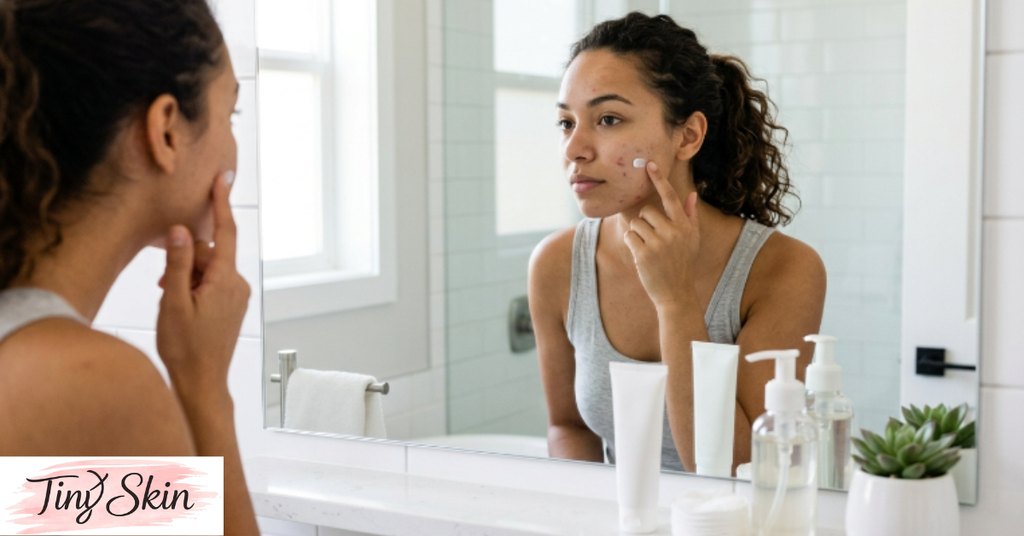
Mild acne often responds to non-prescription products. Look for the proven ingredients below, and give each at least eight weeks.
Benzoyl Peroxide
Benzoyl peroxide kills acne bacteria and helps unclog pores. Studies suggest that a 2.5% strength can work nearly as well as 10% with less irritation, so start low. Furthermore, bacteria do not become resistant to it. Pharmacies in Russia stock products such as Baziron AS. Benzoyl peroxide can bleach towels and pillowcases, so use white linens.
Salicylic Acid
Salicylic acid dissolves in oil, so it penetrates pores and clears the debris inside. Non-prescription products usually contain 0.5% to 2%. It suits blackheads and whiteheads especially well, although it may cause dryness.
Adapalene
Adapalene is a retinoid that normalizes how skin cells shed, so pores clog less often. Many countries sell 0.1% adapalene gel without a prescription, and Russian pharmacies carry brands such as Differin. However, rules can change, so ask your pharmacist. Apply a thin layer to the whole affected area, not just single pimples.
Table 1: Acne Ingredient Comparison
| Ingredient | How It Works | Best For | Common Side Effects |
|---|---|---|---|
| Benzoyl peroxide (2.5–5%) | Kills acne bacteria, clears pores | Red, inflamed pimples | Dryness, redness, bleached fabric |
| Salicylic acid (0.5–2%) | Dissolves oil and dead cells in pores | Blackheads, whiteheads | Dryness, mild stinging |
| Adapalene (0.1%) | Normalizes skin cell turnover | All acne types, prevention | Peeling, irritation, sun sensitivity |
| Azelaic acid (15–20%) | Fights bacteria, calms inflammation | Dark marks, sensitive skin | Tingling, itching |
Prescription Acne Vulgaris Treatments Dermatologists Recommend
When over-the-counter products fail, a dermatologist can prescribe stronger acne vulgaris treatments. Doctors often combine two or more treatments because each one attacks acne in a different way.
Topical Prescriptions
Prescription topicals include stronger retinoids such as tretinoin and topical antibiotics such as clindamycin. Dermatologists rarely prescribe antibiotic gels alone. Instead, they pair them with benzoyl peroxide to reduce antibiotic resistance. Combination gels, for example adapalene with clindamycin, also simplify your routine.
Oral Antibiotics and Hormonal Therapy
For moderate to severe inflammatory acne, doctors may prescribe oral antibiotics such as doxycycline or lymecycline. Guidelines advise limiting them to a few months and using them with a topical treatment. Additionally, some women benefit from hormonal therapy, including certain combined oral contraceptives. A doctor must review your health history first, because these medicines carry risks. Doxycycline can also make skin burn more easily in the sun, so wear sunscreen.
Isotretinoin for Severe Acne
Isotretinoin is the most powerful acne medicine available. Dermatologists use it for severe, scarring, or treatment-resistant acne. Many patients achieve long-lasting clearance after a course of several months. However, it causes serious birth defects, so pregnancy must be avoided. It also dries the lips and skin and requires regular blood tests. Doctors also ask you to report any mood changes. Never take it without a prescription and medical supervision.
How to Match Acne Vulgaris Treatments to Your Severity
Russian clinical guidelines and international guidelines both follow a stepwise approach to acne vulgaris treatments: the more severe your acne, the stronger the treatment. Use the table below as a general map, not a diagnosis.
Table 2: Acne Severity and Typical Treatment Approach
| Severity | What You See | Typical Approach | Time to Evaluate |
|---|---|---|---|
| Mild | Blackheads, whiteheads, few small red pimples | Topical retinoid and/or benzoyl peroxide | 8–12 weeks |
| Moderate | Many papules and pustules, some on chest or back | Combination topicals; sometimes oral antibiotics or hormonal therapy | 8–12 weeks |
| Severe | Nodules, cysts, scarring, widespread lesions | Isotretinoin or combined oral and topical therapy | Several months, with specialist follow-up |
Mild Acne
Start with one or two products, such as adapalene at night and benzoyl peroxide in the morning. Add them slowly, one at a time, to limit irritation. Most mild cases improve without prescription medicine.
Moderate Acne
If mild treatments fail after two to three months, see a doctor. Combination therapy usually works better than a single product. Your doctor may add an oral medicine when acne covers large areas or leaves marks.
Severe Acne
Nodules and cysts can leave permanent scars. Therefore, seek specialist care early rather than waiting. Isotretinoin often becomes the best choice here, and doctors track your progress with regular visits.
Building a Simple Skincare Routine for Acne-Prone Skin
Even the best acne vulgaris treatments work better with gentle daily care. A simple routine beats a complicated one. Keep your steps few, gentle, and consistent.
Morning Routine
- Wash with a gentle, fragrance-free cleanser and lukewarm water.
- Apply your morning treatment, such as benzoyl peroxide or azelaic acid.
- Use an oil-free, non-comedogenic moisturizer.
- Finish with a broad-spectrum sunscreen of SPF 30 or higher.
Introduce only one new product at a time so you can spot any reaction.
Evening Routine
- Remove makeup and sunscreen gently.
- Cleanse once more with the same mild cleanser.
- Apply adapalene or your prescribed retinoid to dry skin.
- Add moisturizer to reduce dryness.
Start retinoids two or three nights per week, then increase as your skin adapts.
Products and Habits to Avoid
- Harsh scrubs and alcohol-heavy toners
- Heavy, greasy creams
- Washing more than twice a day
- Using several strong active ingredients at once
- Home remedies such as toothpaste or lemon juice, which burn the skin
Harsh care damages the skin barrier and often triggers more breakouts.
Lifestyle Habits That Support Acne Vulgaris Treatments
Medicine works best when daily habits support it. Small changes add up over time.
Diet and Acne
Some studies suggest that high-glycemic foods, such as sweets and white bread, and possibly skim milk may worsen acne in some people. However, the evidence remains mixed. Rather than cutting out entire food groups, eat a balanced diet with vegetables, whole grains, and lean protein. If you notice a clear pattern, discuss it with your doctor.
Stress and Sleep
Stress raises hormones that increase oil production. Therefore, aim for seven to nine hours of sleep and regular exercise. Wash your face after sweating, and change your pillowcase weekly. Relaxing activities such as walking, stretching, or breathing exercises also help. Avoid touching your face, and clean your phone screen often.
Caring for Your Skin in Russian Weather
Cold wind and dry indoor heating strip moisture from your skin, and dry skin makes retinoid irritation worse. Use a richer, non-comedogenic moisturizer in winter, and consider a humidifier. Sunscreen still matters year-round, because retinoids and some antibiotics increase sun sensitivity, and snow reflects UV rays. If a scarf rubs your chin or neck, choose soft, clean cotton.
Common Mistakes and When to See a Dermatologist
Even the best acne vulgaris treatments fail when small mistakes creep in. Watch for the habits below.
Mistakes That Slow Progress
- Picking or squeezing pimples, which causes scars and dark marks
- Switching products every week
- Stopping treatment as soon as your skin clears
- Over-drying your skin with too many actives
Consistency, not intensity, gives the best results.
Signs You Need Professional Help
- Painful nodules or cysts
- No improvement after 8 to 12 weeks
- Scarring or stubborn dark marks
- Sudden adult acne with irregular periods or excess hair growth, which may signal a hormonal condition
- Acne that hurts your confidence or mood
Book a visit early, because prompt treatment lowers the risk of scarring.
Treating Acne Scars and Dark Marks
After acne heals, some people have marks or scars. Azelaic acid and daily sunscreen help fade dark marks. For scars, dermatologists may offer chemical peels, microneedling, or laser treatments. Choose a licensed specialist for these procedures. However, treat active acne first, because new breakouts create new marks.
Key Takeaways
- Acne vulgaris forms when excess oil, clogged pores, bacteria, and inflammation combine.
- Benzoyl peroxide, salicylic acid, and adapalene are proven first-line options for mild acne.
- Moderate to severe acne vulgaris treatments include prescription topicals, oral medicine, and isotretinoin.
- Most acne vulgaris treatments need 8 to 12 weeks to show results.
- A gentle routine with daily sunscreen supports every treatment.
- Never pick pimples, and always see a dermatologist for painful nodules, scarring, or lack of progress.
FAQs
Which acne vulgaris treatments work fastest?
No treatment clears acne overnight, but a combination usually works fastest. Dermatologists often prescribe a topical retinoid with benzoyl peroxide, sometimes adding an antibiotic. Most people notice improvement within 8 to 12 weeks. Consistency matters more than speed, because stronger products often cause irritation without extra benefit.
Can acne vulgaris be cured permanently?
Acne has no single permanent cure, but doctors can control it very well. Many teenagers outgrow acne as hormones settle. Adults may need long-term maintenance with a retinoid. Isotretinoin gives lasting clearance to many people with severe acne, although some patients relapse and need further treatment.
How long do acne vulgaris treatments take to work?
Most acne treatments need 8 to 12 weeks for visible results. Your skin may look worse or feel dry during the first few weeks, especially with retinoids. Stay consistent, use moisturizer, and avoid switching products too soon. If nothing improves after three months, see a dermatologist for a stronger plan.
Is benzoyl peroxide or salicylic acid better for acne?
Neither is better for everyone. Benzoyl peroxide works best on red, inflamed pimples because it kills acne bacteria. Salicylic acid suits blackheads and whiteheads because it clears clogged pores. Some people use both, but start with one product to limit dryness and irritation.
Does diet cause acne vulgaris?
Diet does not cause acne on its own, but it may influence it. Some studies link high-sugar foods and skim milk to more breakouts, yet results vary between people. A balanced diet supports general skin health. Keep a food diary and talk to your doctor before removing food groups.
When should I see a dermatologist for acne?
See a dermatologist if you have painful nodules or cysts, scarring, or dark marks. Also book a visit if over-the-counter products fail after 8 to 12 weeks, or if acne hurts your confidence. Sudden adult acne with irregular periods deserves a medical check for hormonal causes.
Conclusion
Acne vulgaris can feel frustrating, but it is highly treatable. The best acne vulgaris treatments start with the basics: a gentle routine, daily sunscreen, and proven ingredients such as benzoyl peroxide, salicylic acid, and adapalene. When those are not enough, prescription options offer strong results under medical supervision. Remember that patience matters, because most treatments need two to three months to work. Avoid picking, and do not stop treatment as soon as your skin clears. If your acne is painful, scarring, or affecting your confidence, do not wait. Book an appointment with a qualified dermatologist today and get a personalized plan that fits your skin, your lifestyle, and your goals. Clear skin is possible, so start today.
Medical disclaimer: This article is for education only. It does not replace advice from a qualified doctor. Always consult a dermatologist before starting prescription treatment, especially if you are pregnant or planning a pregnancy.

