
Introduction
Have you ever noticed a yellow tint in your skin or the whites of your eyes? This could be a sign that your bilirubin levels are too high. It’s a natural substance your liver processes every day, and most people never think about it until a blood test flags it as abnormal.
An unexpected lab result can feel alarming, especially when the terminology is unfamiliar and the numbers don’t mean much on their own. Understanding what this pigment does, why levels rise, and what the figures actually represent can ease a lot of worry.
This guide breaks down the science in plain, everyday language. You’ll learn the common causes behind elevated readings, the warning signs worth watching for, and practical steps you can take to support your liver. However, no article replaces a real conversation with your doctor, so we’ll point you toward professional care throughout this piece.
What Is Bilirubin? Understanding the Basics
Bilirubin is a yellow-orange pigment your body creates when it breaks down old red blood cells. This is a completely normal, ongoing process that happens whether you’re healthy or unwell. Your liver then filters this pigment out of your blood so it can leave your body through stool and urine.
Most people don’t think about it until a routine blood panel shows an unusual result. At that point, understanding the basics can help you feel less anxious and more informed about what your doctor is discussing with you.
How Your Body Produces Bilirubin
Red blood cells live for about 120 days before your body recycles them. As they break down, hemoglobin releases a compound that converts into this yellow pigment. This happens mainly in the spleen and bone marrow, two organs most people rarely think about.
The pigment then travels through your bloodstream to your liver. Additionally, your liver changes its chemical structure so it can be safely removed from your body through digestion. This entire cycle happens continuously, every single day, without you ever noticing it.
Direct vs. Indirect Bilirubin Explained
Doctors typically measure two forms of bilirubin:
- Indirect (unconjugated) bilirubin — the raw form, not yet processed by the liver
- Direct (conjugated) bilirubin — the form the liver has already processed and prepared for elimination
Together, these two figures add up to your “total bilirubin” score on a lab report. Knowing which type is elevated helps doctors pinpoint whether the problem starts before, during, or after liver processing.
This distinction matters more than it might seem. Two people can have the same total score yet very different underlying causes, simply because one has more of the direct form and the other has more of the indirect form.
Why Bilirubin Levels Matter for Your Health
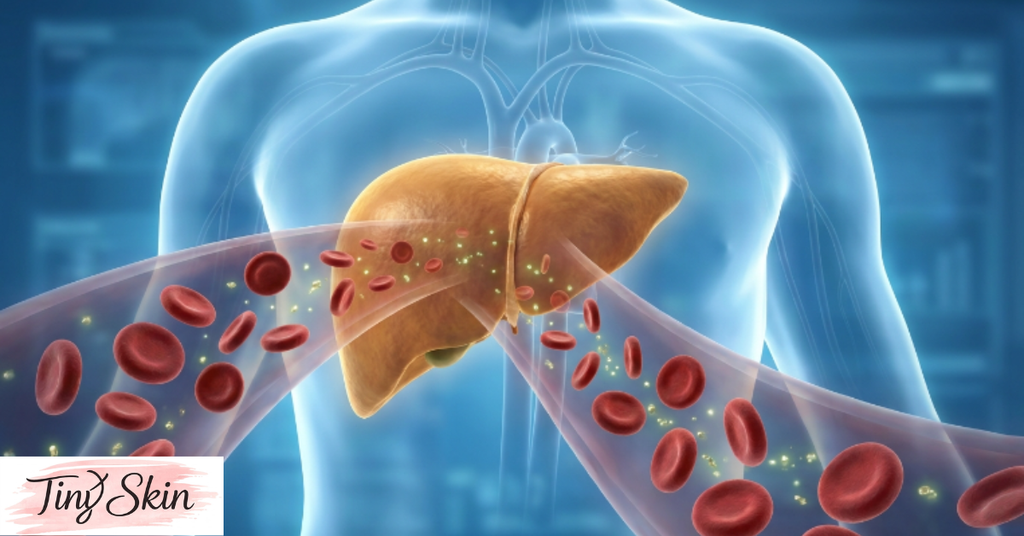
Your level of this pigment is more than a random number on a lab sheet. It acts as a window into how well your liver, gallbladder, and blood cells are functioning together. Moreover, tracking changes over time can reveal problems long before symptoms appear.
Doctors often order a bilirubin test as part of a broader liver function panel. This means it rarely stands alone; it’s usually interpreted alongside other markers like liver enzymes, albumin, and clotting factors, which together paint a fuller picture of liver health.
The Liver’s Role in Bilirubin Processing
Your liver acts like a filtration plant. It absorbs the indirect form from your blood, converts it into the direct form, and releases it into bile. Bile then carries it to your intestines for elimination, giving stool its natural brown color along the way.
If the liver is inflamed, scarred, or overwhelmed, this process slows down considerably. As a result, the pigment can build up in your bloodstream instead of leaving your body normally, which is exactly what triggers a lab report to flag it.
Normal Bilirubin Ranges Explained
Reference ranges can vary slightly between laboratories, depending on the testing method and equipment used, but general adult ranges are widely used as a starting point:
- Total bilirubin: roughly 0.1–1.2 mg/dL
- Direct bilirubin: roughly 0.1–0.3 mg/dL
- Indirect bilirubin: roughly 0.2–0.8 mg/dL
Always compare your results to the reference range printed on your specific lab report, since methods differ slightly between facilities and even between countries. A number that looks alarming out of context may fall well within normal limits once you check the correct scale.
Symptoms of High Bilirubin Levels
Mild elevations often cause no noticeable symptoms at all, which is part of why routine bloodwork catches so many cases early. However, as levels climb higher, your body may start showing visible signs. Recognizing these early can help you seek care before the underlying issue worsens.
Symptoms typically depend on how high the level is and what’s causing it in the first place. A slow-developing liver condition may produce different signs than a sudden blockage, for example.
Early Warning Signs
Subtle symptoms often appear before anything is visibly obvious:
- Persistent fatigue or low energy
- Mild abdominal discomfort, especially upper right side
- Loss of appetite
- Nausea
These signs are easy to dismiss, but paying attention to patterns matters. If several symptoms show up together, it’s worth mentioning to your doctor.
Jaundice: The Most Visible Symptom
Jaundice is the medical term for yellowing of the skin and eyes. It happens when the pigment builds up faster than your body can clear it. Dermatologists and physicians generally consider jaundice a signal that requires prompt medical evaluation rather than a wait-and-see approach.
Jaundice can range from barely noticeable, visible only in bright natural light, to quite pronounced, depending on the underlying cause and how long levels have been elevated.
When Bilirubin Affects Skin and Eyes
The whites of the eyes, called the sclera, often show yellowing first. This happens because that tissue absorbs pigment easily and shows change quickly. Skin discoloration may follow, especially in areas with thinner skin like the face and chest.
You might also notice darker urine or pale, clay-colored stool. These changes happen because the pigment normally colors your stool brown, so a lack of it in the digestive tract changes stool appearance and can be an early clue for your doctor.
KEY TAKEAWAYS
- Bilirubin is a natural pigment created when your body breaks down old red blood cells.
- Total bilirubin includes two types: direct (processed) and indirect (unprocessed).
- Normal adult ranges are generally around 0.1–1.2 mg/dL for total bilirubin, though labs vary.
- Jaundice, or yellowing of the skin and eyes, is the most recognizable symptom of high bilirubin.
- Liver disease, blocked bile ducts, and certain blood conditions are common causes of elevated levels.
- A simple blood test can measure your bilirubin, but results should always be reviewed by a doctor.
Common Causes of Elevated Bilirubin
Elevated levels aren’t a disease themselves; they’re a signal that something upstream needs attention. Causes generally fall into three categories, based on where the problem occurs in the process, and identifying the right category guides how a doctor investigates further.
Liver-Related Causes
The liver is the most common source of bilirubin problems. Conditions that can raise levels include:
- Hepatitis (viral or alcohol-related)
- Cirrhosis or liver scarring
- Fatty liver disease
- Certain medications that stress the liver
When the liver can’t keep up with processing, the indirect form tends to rise noticeably on lab results, since the organ simply can’t convert it fast enough.
Blood-Related Causes
Sometimes the problem starts before the pigment even reaches the liver. Conditions like hemolytic anemia cause red blood cells to break down faster than normal. This floods the bloodstream with more raw material than a healthy liver can handle at once, even if the liver itself is working perfectly fine.
Bile Duct Blockages
If bile ducts become blocked, the processed form can’t drain into the intestines properly. Gallstones, tumors, or inflammation are common culprits behind this kind of blockage. In these cases, the direct form usually rises more than the indirect one, which helps doctors narrow down the cause through targeted imaging and follow-up tests.
The Bilirubin Test: What to Expect
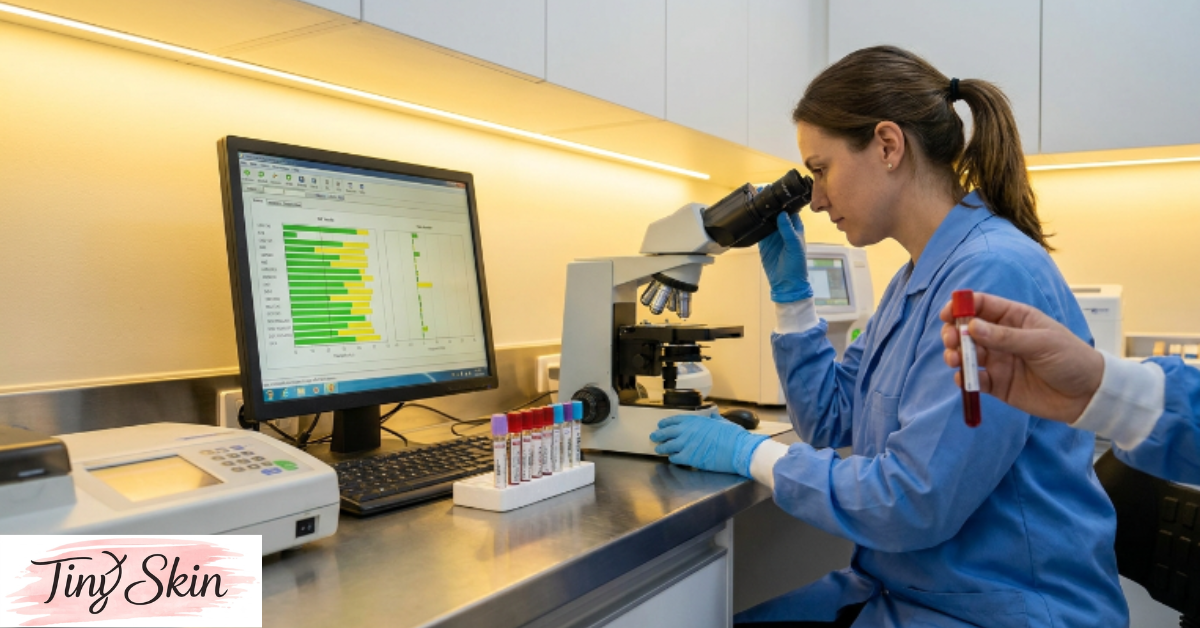
A test for this pigment is a simple, routine blood draw. It’s often included in a standard metabolic or liver function panel, so you may have already had one without realizing it during a general checkup.
How the Test Is Done
A healthcare provider draws a small blood sample, usually from a vein in your arm, in a process that takes just a few minutes. The sample goes to a lab, where technicians measure total, direct, and indirect values separately. Results typically come back within a day or two, though some clinics offer faster turnaround for urgent cases.
Preparing for Your Bilirubin Test
Preparation is usually minimal compared to other medical procedures, but your doctor may ask you to:
- Fast for a few hours beforehand, depending on what else is being tested
- Avoid certain medications temporarily, only if instructed
- Mention any supplements or herbal products you’re taking
Always follow your specific doctor’s instructions, since panels and requirements can differ.
How to Support Healthy Bilirubin Levels
While you can’t directly control how much of this pigment your body produces, you can support the organs responsible for processing it. A healthy liver generally means smoother regulation and fewer surprises on future lab reports.
Diet and Lifestyle Tips
Dermatologists and hepatologists commonly recommend these liver-friendly habits:
- Limit alcohol consumption, since heavy drinking directly damages liver cells over time
- Stay hydrated throughout the day to support healthy circulation and filtration
- Eat a balanced diet rich in vegetables, fiber, and lean protein
- Maintain a healthy weight, as excess fat around the liver can impair its function
- Avoid unnecessary or unsupervised use of liver-taxing medications and supplements
- Get regular exercise, which has been shown to support metabolic and liver health
These habits won’t cure an underlying condition on their own, but they support overall liver function and may help prevent future problems from developing. Combined with regular checkups, they form a solid foundation for long-term wellness.
When to See a Doctor
Seek medical attention if you notice:
- Yellowing skin or eyes
- Dark urine paired with pale stool
- Persistent fatigue with no clear cause
- Abdominal pain, especially upper right side
Early evaluation often leads to simpler treatment, so don’t wait if symptoms appear.
Bilirubin in Newborns vs. Adults
This pigment behaves differently depending on age, and newborns face a distinct set of considerations compared to adults navigating the same lab results later in life.
Newborn Jaundice Explained
Many healthy newborns develop mild jaundice in their first week of life. This happens because a newborn’s liver is still maturing and hasn’t fully learned to process the pigment efficiently yet. Pediatricians typically monitor this closely and treat it with light therapy if levels climb too high, which helps break the pigment down safely.
In most cases, newborn jaundice resolves on its own within one to two weeks as the baby’s liver catches up. Parents are usually advised to watch for feeding difficulties or extreme lethargy alongside the yellowing, since these combined signs warrant a quicker follow-up visit.
Adult-Onset Concerns
In adults, new-onset jaundice is less common and usually points to an underlying liver, blood, or bile duct issue rather than simple immaturity. Unlike the newborn version, adult jaundice is rarely considered a normal, expected finding. It generally warrants prompt evaluation rather than a wait-and-see approach, since it often signals a condition that benefits from early treatment.
Conclusion
Bilirubin plays a quiet but essential role in your body’s daily maintenance, working behind the scenes every time your body recycles old blood cells. Elevated levels aren’t a diagnosis on their own, but they’re an important clue that your liver, blood, or bile ducts may need attention. Recognizing symptoms like jaundice early can make a real difference in how quickly you get answers and start any necessary treatment.
If you’ve noticed yellowing skin, unusual fatigue, or received an abnormal lab result mentioning this pigment, don’t try to self-diagnose using search results alone. Book an appointment with your doctor to discuss your bilirubin levels and the appropriate next steps for your situation. A simple conversation today could clarify a lot about your liver health and offer real peace of mind.
FAQs
What does high bilirubin mean?
High bilirubin means your body is producing more of this pigment than your liver can process, or your liver isn’t clearing it efficiently. It can point to liver disease, blocked bile ducts, or faster-than-normal red blood cell breakdown. A doctor can pinpoint the exact cause with further testing.
Is high bilirubin always serious?
Not always. Mild elevations, especially in otherwise healthy people, can be harmless and even genetic in some cases. However, significantly elevated levels combined with symptoms like jaundice usually need prompt medical evaluation to rule out liver or bile duct problems.
Can diet lower bilirubin levels?
Diet alone can’t directly lower bilirubin, but liver-friendly habits like limiting alcohol, staying hydrated, and eating balanced meals support healthy liver function. If an underlying condition is causing elevated bilirubin, treating that condition is usually necessary for levels to normalize.
How is bilirubin tested?
Bilirubin is measured through a simple blood test, often included in a liver function panel. The lab reports total, direct, and indirect bilirubin separately. Your doctor compares these numbers to standard ranges to help identify the underlying cause of any imbalance.
What is the difference between direct and indirect bilirubin?
Indirect bilirubin is the raw form before your liver processes it. Direct bilirubin is the form your liver has already converted for elimination. Comparing the two helps doctors determine whether a problem originates in the blood, the liver, or the bile ducts.
Is jaundice always caused by liver disease?
No. While liver disease is a common cause, jaundice can also result from blocked bile ducts, certain blood disorders, or normal newborn liver immaturity. A healthcare provider needs to evaluate additional symptoms and test results to determine the true cause.

