

Introduction
A red, itchy patch can turn into an oozing, honey-colored crust almost overnight. This is often impetigo. It is one of the most common bacterial skin infections. It spreads fast if you leave it untreated. The good news is simple. The right impetigo treatment usually works quickly and safely. However, picking the wrong approach, or waiting too long, can let the infection spread to family members or deeper skin layers. This guide explains what impetigo is and why it happens. You will learn which treatments doctors actually recommend. You will also learn how to support healing at home. Finally, you will know exactly when to call a doctor.
What Is Impetigo? Understanding This Common Skin Infection
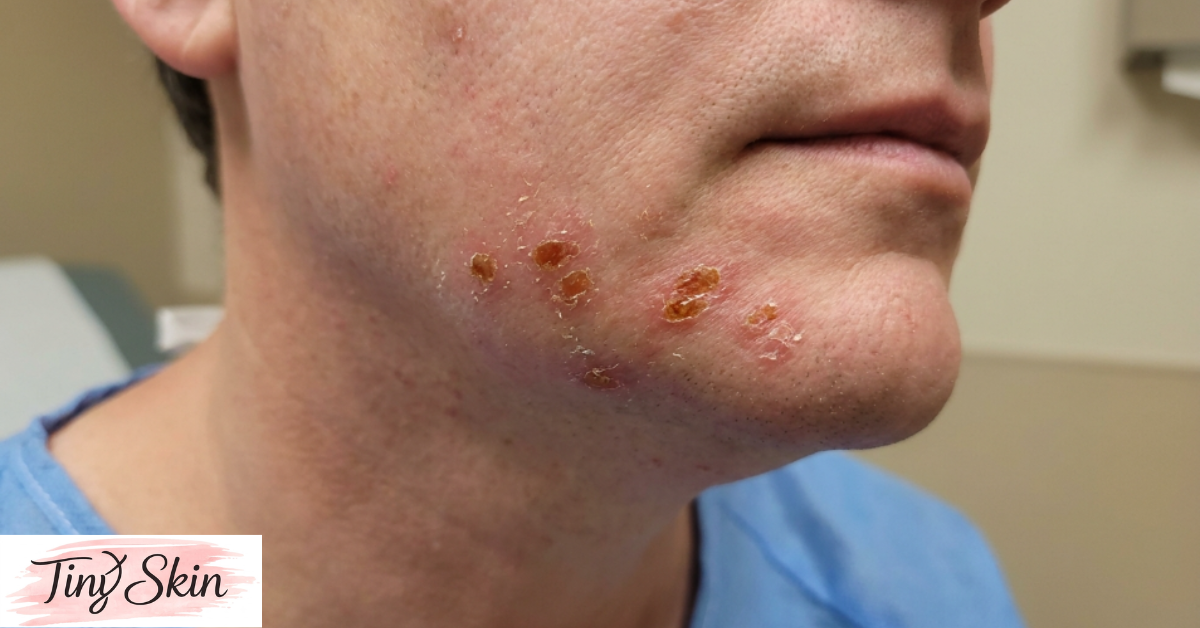
Impetigo is a mild bacterial skin infection. It affects the outer layer of skin. It is most common in young children. However, teens and adults can catch it too. Impetigo spreads easily between people. This is why fast impetigo treatment matters for the whole household, not just one person.
The infection usually shows up on the face, hands, or legs. Moreover, it often appears after the skin is already broken. A cut, insect bite, or eczema flare can open the door for bacteria.
Types of Impetigo (Non-Bullous vs. Bullous)
The right impetigo treatment often depends on which type you have. Doctors sort impetigo into two main types:
- Non-bullous impetigo – the most common form. Small red sores burst and form a honey-colored crust.
- Bullous impetigo – less common. It causes larger, fluid-filled blisters that stay intact longer.
Who Is Most at Risk
Some people face a higher risk of impetigo, including:
- Children between 2 and 5 years old in daycare or school
- People with eczema or scabies, which weaken the skin barrier
- Athletes in contact sports, like wrestling
- Anyone living in a hot, humid climate
Why Fast Action Matters
Impetigo rarely causes serious harm on its own. Still, early impetigo treatment limits how far it spreads. It also shortens how long a child must stay home from school. Delaying impetigo treatment only gives the bacteria more time to spread to new areas of skin.
Recognizing the Symptoms of Impetigo
Spotting impetigo early makes impetigo treatment far more effective. It also helps protect family members from catching it. The signs sit right on the skin’s surface, so self-checks are fairly easy.
Early Signs to Watch For
The first stage often looks like a minor scrape. It is easy to dismiss. Watch for:
- Red sores, usually near the nose, mouth, or hands
- Itching or mild discomfort at the site
- Sores that ooze fluid and form a yellow-brown crust
- Swollen lymph nodes near the sore, in some cases
When Symptoms Signal a Complication
Additionally, some symptoms suggest the infection is getting worse. These include:
- Fever alongside the skin sores
- Sores that keep growing despite home hygiene steps
- Rising redness, warmth, or swelling around the area
- Pain that feels stronger than the sore looks
If you notice these signs, see a doctor. Do not rely on home care alone.
How Symptoms Differ by Age
Young children often get sores around the mouth and nose. Adults, meanwhile, may see impetigo on the hands or arms after contact with an infected child. Either way, the right impetigo treatment works the same across age groups. Age mainly changes where sores appear, not how doctors treat them.
What Causes Impetigo and How It Spreads
Knowing the cause helps explain why certain impetigo treatment methods work better than others. Impetigo is a bacterial infection, not a fungal or viral one. That is exactly why antibiotics sit at the center of recovery.
Bacteria Behind the Infection
Two types of bacteria usually cause impetigo:
- Staphylococcus aureus – the most frequent cause
- Streptococcus pyogenes – also called group A strep
These bacteria live on human skin all the time. Usually, they cause no harm. However, once they enter through a cut or bite, they can trigger an active infection.
How Impetigo Spreads Between People
Impetigo spreads through direct contact with sores. It can also spread through shared objects. Common routes include:
- Skin-to-skin contact during play or sports
- Sharing towels, pillowcases, razors, or clothing
- Touching a sore, then touching another body part
- Close contact in schools, daycares, or gyms
Because it spreads so easily, doctors recommend treating impetigo as soon as you spot it.
Environmental Factors That Raise Risk
Warm, humid weather helps bacteria grow faster on skin. Crowded settings, like classrooms, also raise the risk of spread. Good hygiene habits lower this risk significantly, no matter the season. This holds true whether or not someone has already started impetigo treatment. Note that impetigo is always bacterial, never fungal or viral. Creams made for fungal rashes will not work here. Only antibiotic-based care clears the infection.
Impetigo Treatment Options: Topical vs. Oral Antibiotics

This section covers the heart of any impetigo treatment plan. The right approach depends on how widespread the infection is. It also depends on how the patient responds to early care. Doctors typically choose between a topical cream for small, local cases and oral antibiotics for larger infections.
Topical Antibiotic Creams
For limited impetigo on a small area, doctors often start with a prescription ointment. You apply this cream right onto the sores. Most people use it two to three times a day for five to seven days. Mupirocin and fusidic acid are the most common choices. Both target the bacteria responsible for most cases of impetigo.
Oral Antibiotics for Severe Cases
When impetigo covers a larger area, or keeps coming back, doctors usually prescribe oral antibiotics. Common choices include cephalosporins or penicillin-based drugs. Patients typically take these for seven to ten days. It is essential to finish the entire course. Even if the skin looks better after a few days, stopping early can let bacteria survive and return.
How Doctors Decide Between the Two
Choosing the right impetigo treatment is not a guessing game. Several factors guide this choice:
- Size and number of affected areas
- Whether the infection has reached multiple family members
- The patient’s age and any underlying health issues
- How well previous topical treatment worked, if already tried
Below is a quick comparison of the two main approaches to impetigo treatment.
Table 1: Impetigo Treatment Comparison
| Treatment Type | Best For | Common Options | Typical Duration | Key Consideration |
|---|---|---|---|---|
| Topical antibiotics | Small, localized sores | Mupirocin, fusidic acid | 5–7 days | Apply directly after gently cleaning the area |
| Oral antibiotics | Widespread or recurring infection | Cephalexin, penicillin-based drugs | 7–10 days | Must finish the full course to prevent recurrence |
Supportive Home Care During Impetigo Treatment
Antibiotics fight the bacteria causing impetigo. However, good home care speeds up healing too. It also lowers the risk of spreading the infection to others. These steps work alongside medical impetigo treatment. They are not a replacement for it.
Cleaning and Covering the Skin
Gently wash the sores with mild soap and water. Pat the area dry instead of rubbing it. This helps remove crusts and lowers the bacteria on the skin. Afterward, loosely cover the sores with gauze. This step helps stop scratching and limits contact spread.
Reducing Itching and Discomfort
Itching is common during impetigo. However, scratching can worsen the infection. It can also spread bacteria to new areas of skin. Trim nails short and keep hands clean. This simple step lowers risk for both children and adults.
What Helps vs. What to Avoid
Here is a simple breakdown of supportive care during recovery.
Table 2: Home Care – What Helps vs. What to Avoid
| Category | What Helps | What to Avoid |
|---|---|---|
| Cleaning | Mild soap and warm water, gentle patting dry | Harsh scrubbing or alcohol-based wipes |
| Covering | Loose gauze over sores | Tight bandages that trap moisture |
| Personal Items | Separate towels, bedding, and clothing | Sharing any fabric items during infection |
| Skin Contact | Washing hands after touching sores | Popping or picking at blisters |
Following these steps, along with prescribed impetigo treatment, usually brings visible improvement within a few days.
Preventing Impetigo From Spreading or Returning
Impetigo is very contagious. So prevention matters just as much as impetigo treatment itself. This is especially true in homes with children or shared living spaces. A few small habits go a long way.
Hygiene Practices That Help
Simple daily habits make a real difference:
- Wash hands often with soap, especially after touching sores
- Keep fingernails trimmed and clean
- Shower regularly, especially after sports or physical activity
- Disinfect shared surfaces, like doorknobs and toys
Caring for Children With Impetigo
Children spread impetigo easily at school or daycare. Most schools ask parents to keep a child home. The child can return once sores are crusted over. Some schools require 24 hours of antibiotics first. Additionally, wash the child’s clothes, bedding, and towels in hot water. Wash these items separately from the rest of the family’s laundry.
Reducing the Risk of Recurrence
Some people get impetigo more than once. This is more common with eczema or another skin barrier issue. Managing the underlying skin condition helps a lot. Moisturizing regularly also helps. So does treating cuts or bites right away, before bacteria can settle in.
When to See a Dermatologist or Doctor
Most impetigo cases respond well to standard impetigo treatment. However, certain situations call for prompt medical attention. Do not rely on home care alone in these cases.
Warning Signs That Need Medical Attention
Contact a healthcare provider if you notice:
- Sores that spread fast or do not improve after a few days
- Fever, chills, or a general feeling of being unwell
- Signs of a deeper infection, like rising pain, warmth, or swelling
- Repeat impetigo episodes within a short period
What to Expect at a Dermatology Visit
A dermatologist will usually look closely at the sores. They may also take a small swab. This step confirms which bacteria are involved. It matters most for recurring or unusual cases. This way, the prescribed impetigo treatment targets the right bacteria, instead of relying on guesswork.
Special Considerations for Certain Patients
Newborns need extra caution with any skin infection. So do people with weak immune systems. The same goes for those with widespread eczema. Impetigo can progress faster in these groups. Seek medical advice sooner rather than later if you fall into one of these categories. A doctor can adjust the impetigo treatment plan to fit these higher-risk cases safely.
KEY TAKEAWAYS
- Impetigo is a contagious bacterial skin infection, most common in young children.
- It is caused mainly by Staphylococcus aureus or Streptococcus pyogenes bacteria.
- Mild cases usually respond to topical impetigo treatment, like mupirocin, within about a week.
- Widespread or recurring infections usually need oral antibiotics for seven to ten days.
- Good hygiene, separate towels, and short nails help prevent impetigo from spreading.
- Fever, fast spreading, or no improvement after treatment are signs to see a doctor.
FAQs
How long does impetigo take to heal with treatment?
Most cases improve within seven to ten days once the right antibiotic treatment starts. Topical treatment often shows results within three to four days. Still, finish the full course, even after symptoms fade, to stop the infection from returning.
Can impetigo go away on its own without antibiotics?
Mild cases sometimes clear up alone, but this can take several weeks. It also raises the risk of spreading impetigo to others. Doctors generally recommend antibiotic treatment because it speeds recovery and lowers the chance of complications.
Is impetigo contagious after starting treatment?
Yes, but only for a short time. Most doctors say a person is no longer contagious 24 to 48 hours after starting oral antibiotics. The same applies once topical treatment shows visible improvement. Keep sores covered until fully crusted over.
Can adults get impetigo, or is it only a childhood condition?
Adults can get impetigo too, though it is more common in children. Adults with eczema, weak immunity, or close contact with an infected child face higher risk. The treatment approach stays largely the same across age groups.
What happens if impetigo is left untreated?
Untreated impetigo can spread to larger areas of skin. In rare cases, it can lead to deeper infections. It also stays contagious for longer, raising the risk of passing it to family members or classmates.
Are there any effective home remedies for impetigo?
Gentle cleaning and covering sores can support healing. However, home remedies alone rarely clear the bacterial infection on their own. Dermatologists advise pairing supportive home care with prescribed antibiotics for reliable, lasting results.
Conclusion
Impetigo can look alarming at first. However, it responds well to the right care. Early impetigo treatment, whether a topical cream or a short course of oral medication, usually clears the infection within one to two weeks. Alongside treatment, simple hygiene habits protect your family and lower the risk of a repeat infection. If sores spread fast, bring on a fever, or do not improve within a few days, do not wait. Consult a dermatologist or doctor for a proper diagnosis and the right prescription. Acting early is the fastest path back to clear, healthy skin.

