
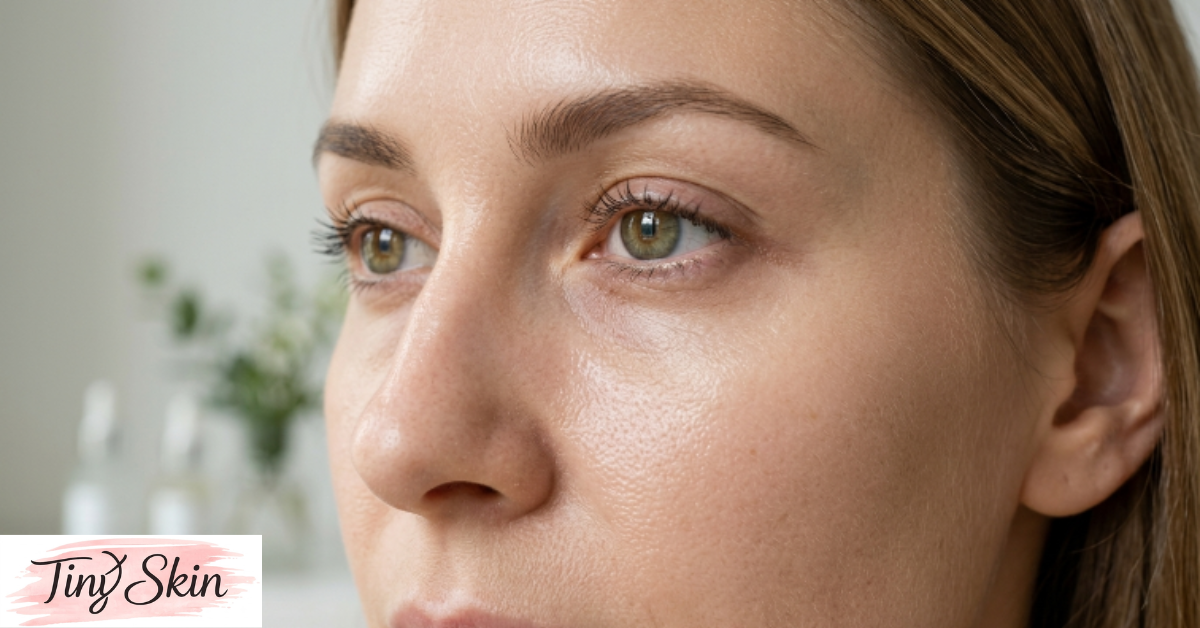

If you’ve spent the last ten minutes squinting at your reflection wondering why you look tired even after a full night’s sleep, you’re not alone. Dark circles under the eyes are one of the most common skin concerns people bring up, and honestly, they’re also one of the most misunderstood. Half the advice floating around the internet treats them like they have one single cause and one magic fix. In reality, it’s rarely that simple.
Here’s the good news: once you understand why your under-eye area looks the way it does, figuring out how to get rid of dark circles under eyes becomes a lot less frustrating. Some cases respond beautifully to a few tweaks in your routine. Others need a more targeted approach, and a few genuinely need a dermatologist’s input. This guide walks you through all of it — the causes, the home remedies that actually hold up, the ingredients worth your money, the mistakes that make things worse, and realistic expectations for what “getting rid of” dark circles actually looks like.
Grab a cup of tea. Let’s get into it.
What Actually Causes Dark Circles Under the Eyes?
Before you can fix something, you need to know what you’re dealing with. And dark circles aren’t a single condition — they’re a symptom with several possible root causes, which is exactly why a one-size-fits-all cream rarely works for everyone.
Thin Skin and Visible Blood Vessels
The skin under your eyes is some of the thinnest on your entire body — we’re talking about half a millimeter in some spots, compared to about two millimeters elsewhere on your face. Because it’s so thin, the blood vessels sitting just underneath tend to show through, giving off that bluish or purplish tint. This is especially common in people with fair skin, and it tends to run in families. If your mom or dad has prominent under-eye circles, there’s a decent chance you inherited that trait too.
Genetics and Pigmentation
Some dark circles have nothing to do with tiredness at all — they’re pigmentation-based, meaning there’s simply more melanin deposited in that area of skin. This is more common in people with deeper skin tones and is often referred to as periorbital hyperpigmentation. It tends to show up earlier in life and can be more resistant to typical remedies like cold compresses or extra sleep.
Lack of Sleep (Yes, It’s Still a Factor)
This one’s obvious, but it’s worth explaining why it happens. When you’re sleep-deprived, your skin can look paler, which makes the blood vessels and darker tissue underneath more visible by contrast. Poor sleep also contributes to fluid retention, which brings us to our next point.
Fluid Retention and Puffiness
Ever notice your under-eyes look worse in the morning? That’s often fluid pooling in the area overnight, especially if you slept flat, ate something salty the night before, or had a glass of wine with dinner. The puffiness casts a shadow, which makes the area look darker than it actually is — even if there’s no true pigmentation problem happening.
Aging and Volume Loss
As we age, we naturally lose collagen and fat volume in the face, including under the eyes. This creates a hollow, sunken look — sometimes called a “tear trough” — that casts a shadow and makes dark circles more pronounced. This is one of the trickier causes to treat with skincare alone, since it’s more about structural volume than surface pigmentation.
Allergies and Nasal Congestion
If you deal with seasonal allergies, a stuffy nose, or chronic sinus issues, you might notice your dark circles flare up alongside your symptoms. Allergies cause blood vessels around the eyes to dilate and can trigger a histamine response that darkens the skin — dermatologists sometimes call this “allergic shiners.” Rubbing your eyes because they’re itchy? That doesn’t help either (more on that below).
Dehydration
When you’re dehydrated, the skin under your eyes can look dull and sunken, which — you guessed it — makes shadows more obvious. This is one of the easiest causes to rule out, and often one of the easiest to fix.
How to Get Rid of Dark Circles Under Eyes: Home Remedies That Actually Work
Now that you know what’s likely causing your under-eye circles, let’s talk solutions. Not every remedy works for every cause, so pay attention to which one matches your situation.
Cold Compresses
This is the classic for a reason. Applying something cool to the under-eye area constricts blood vessels and reduces puffiness almost instantly. You don’t need anything fancy — a clean spoon that’s been in the freezer, chilled cucumber slices, or a cold compress wrapped in a soft cloth all work. Hold it against closed eyes for about 10 minutes. This won’t fix pigmentation-based circles, but it works wonders for the puffy, tired kind.
Elevate Your Head While Sleeping
If your dark circles are worse in the morning, try sleeping with an extra pillow to keep your head slightly elevated. This helps prevent fluid from pooling under your eyes overnight. Simple, free, and genuinely effective for the puffiness-related type of circles.
Get Consistent, Quality Sleep
I know, I know — you’ve heard “sleep more” a hundred times. But consistency matters more than most people realize. Going to bed and waking up at wildly different times each day throws off your body’s rhythm in ways that show up on your face, even if your total hours look fine on paper. Aim for 7–9 hours, and try to keep your sleep schedule roughly the same, even on weekends.
Stay on Top of Hydration
This one’s a mistake a lot of people make — they slather on eye cream but forget the basics. Drinking enough water throughout the day supports skin elasticity and plumpness everywhere, including that thin under-eye area. It’s not an overnight fix, but give it a couple of weeks and you’ll likely notice a difference.
Manage Allergies
If allergic shiners are your issue, treating the allergy itself often does more than any topical product. An antihistamine (talk to your doctor or pharmacist about the right one for you), saline rinses, and avoiding known triggers can noticeably lighten the area. And please — try not to rub your eyes, even when they’re unbearably itchy. Rubbing breaks down capillaries and can worsen pigmentation over time.
Tea Bags (Yes, Really)
Chilled green or black tea bags placed over the eyes can help reduce puffiness thanks to the caffeine and antioxidants in the tea, which constrict blood vessels and may reduce fluid retention. It’s an old-school trick, but it holds up.
Best Ingredients to Look for in Eye Creams and Treatments

If home remedies only get you so far, the next step is usually building out a proper under-eye routine. Not all eye creams are created equal, and honestly, a lot of them are overpriced with underwhelming ingredient lists. Here’s what to actually look for.
Vitamin C
Vitamin C brightens skin and can help fade pigmentation over time by inhibiting excess melanin production. It’s also an antioxidant, which helps protect that delicate skin from environmental damage that can worsen discoloration.
Retinol (Used Carefully)
Retinol boosts collagen production, which can help with both pigmentation and the thinning skin that makes blood vessels more visible. That said, the under-eye area is sensitive, so look for a formula specifically designed for eyes, start slow (two to three times a week), and always apply it with a light hand.
Caffeine
Caffeine constricts blood vessels and reduces puffiness, which is why so many eye creams include it. It won’t erase pigmentation, but it’s genuinely effective for the tired, puffy look.
Vitamin K
Some studies suggest vitamin K may help with the bluish tint caused by visible blood vessels, since it plays a role in blood clotting and vessel health. Results vary person to person, but it’s a solid ingredient to have on your radar.
Hyaluronic Acid
For circles caused by volume loss or dehydration, hyaluronic acid helps plump and hydrate the skin, softening the hollowed appearance that casts shadows.
Niacinamide
This one’s a workhorse — it helps strengthen the skin barrier, evens out tone, and can improve the overall texture of the under-eye area over time.
Professional Treatments Worth Considering
If you’ve been consistent with a routine for a few months and you’re just not seeing the results you want, it might be time to bring in a professional. This is especially true if your dark circles are structural (like volume loss or deep-set eyes) rather than something a cream can realistically fix.
Chemical Peels
Light peels can help with pigmentation-based dark circles by encouraging skin cell turnover, though the under-eye area needs a gentler formulation than the rest of the face.
Laser Therapy
Certain laser treatments target excess pigment or strengthen collagen in the area, which can improve both discoloration and thinning skin. This is a treatment that really should be done by a qualified professional, not attempted at home.
Dermal Fillers
For dark circles caused by volume loss and hollowing, hyaluronic acid fillers can restore lost volume and reduce the shadow effect. This is a popular option for people whose circles are more about structure than pigment.
Chemical or Physical Exfoliation
A dermatologist might also recommend gentle exfoliating treatments to speed up cell turnover and fade pigmentation faster than topical products alone.
It’s worth saying clearly: if you’re considering any of these, consult a dermatologist first. The skin under your eyes is delicate, and professional treatments carry different risks and considerations depending on your skin type, tone, and the actual cause of your circles.
Common Mistakes That Make Dark Circles Worse
Sometimes the issue isn’t a lack of effort — it’s that certain habits are quietly working against you.
- Rubbing or tugging at the eye area. This breaks down collagen and can worsen both puffiness and pigmentation over time.
- Skipping sunscreen around the eyes. UV exposure increases melanin production, which can darken existing pigmentation. A lot of people avoid sunscreen near the eyes because it stings, but there are eye-safe formulas made for this exact spot.
- Using harsh anti-aging products meant for the rest of your face. The skin under your eyes can’t handle the same concentration of actives as your cheeks or forehead.
- Expecting overnight results. Sound familiar? Most effective treatments — retinol, vitamin C, lifestyle changes — take several weeks of consistent use before you see real change. Give it time before switching products every few days.
- Ignoring the actual cause. Using a caffeine eye cream for genetic pigmentation, or a brightening serum for pure puffiness, won’t get you very far. Match the remedy to the cause.
Prevention: How to Keep Dark Circles From Coming Back
Once you’ve made progress, the goal shifts to maintenance. A few habits go a long way here.
- Wear sunscreen daily, including around the eye area, using a formula labeled safe for that zone.
- Keep up a consistent sleep schedule, not just “enough” hours here and there.
- Stay hydrated and moderate your sodium intake, especially in the evening.
- Manage seasonal allergies proactively instead of reactively.
- Be gentle with the skin — pat, don’t rub, when applying products or removing makeup.
- Stick with your eye cream routine even after you see improvement; pigmentation and thinning skin can creep back if the habit drops off.
Lifestyle Factors That Play a Bigger Role Than You’d Think
It’s easy to focus entirely on products, but honestly, some of the biggest improvements come from outside the skincare cabinet. Stress, for instance, disrupts sleep quality and can trigger habits like eye rubbing or squinting, both of which affect the area over time. Smoking reduces circulation and accelerates collagen breakdown, which shows up early in thin-skinned areas like under the eyes. Even screen time matters — staring at a screen for hours reduces your blink rate, leading to eye strain that can make the area look more tired and shadowed than it actually is. None of these are quick fixes, but addressing them tends to support everything else you’re doing.
When to See a Dermatologist
Most dark circles are cosmetic and not a sign of anything serious. That said, it’s worth checking in with a dermatologist if:
- Your dark circles appeared suddenly and are accompanied by swelling, itching, or pain.
- Home remedies and over-the-counter products haven’t made a dent after a few months of consistent use.
- You suspect an underlying condition, like thyroid issues or anemia, might be contributing (both can sometimes affect the under-eye area).
- You’re considering professional treatments like fillers or lasers and want a proper skin assessment first.
A dermatologist can also help pinpoint the exact cause — pigmentation, vascular, structural, or a mix — which makes choosing the right treatment a lot less like guesswork.
FAQs
Do dark circles under eyes ever go away completely?
It depends on the cause. Puffiness- and dehydration-related circles often improve significantly with lifestyle changes. Genetic or structural circles may lighten but not disappear entirely without professional treatment.
How long does it take to get rid of dark circles under eyes?
With consistent care — proper sleep, hydration, and targeted ingredients like vitamin C or caffeine — most people notice improvement within 4 to 8 weeks. Deeper pigmentation or volume loss may take longer or require professional intervention.
What deficiency causes dark circles under the eyes?
Iron deficiency (anemia) and vitamin K or B12 deficiencies have been linked to under-eye discoloration in some cases. If you suspect a nutritional cause, a simple blood test through your doctor can confirm it.
Does drinking more water help dark circles?
Yes, to an extent. Proper hydration supports skin plumpness and can reduce the sunken, shadowed look that comes with dehydration, though it won’t fix pigmentation-based circles on its own.
Can dark circles be a sign of a health problem?
Occasionally. Conditions like allergies, thyroid imbalances, or anemia can contribute to under-eye discoloration. If circles appear suddenly or come with other symptoms, it’s worth mentioning to your doctor.
What is the fastest way to reduce puffiness and dark circles before an event?
A cold compress or chilled eye mask for 10–15 minutes, combined with a caffeine-based eye cream, gives the quickest visible improvement for temporary puffiness and shadowing.
Final Thoughts
At the end of the day, learning how to get rid of dark circles under eyes comes down to identifying what’s actually causing yours — because the fix for puffy, tired eyes looks very different from the fix for genetic pigmentation or age-related volume loss. Start with the basics: sleep, hydration, sun protection, and gentle care. Layer in targeted ingredients like vitamin C, caffeine, or retinol once you’ve nailed the fundamentals. And if you’ve given it an honest few months without results, don’t hesitate to loop in a dermatologist — sometimes an expert eye (pun intended) is exactly what gets you the results home remedies can’t.
Your under-eye area doesn’t have to define how tired or “off” you look. With the right approach, brighter, more rested-looking eyes are absolutely achievable.

