

Introduction
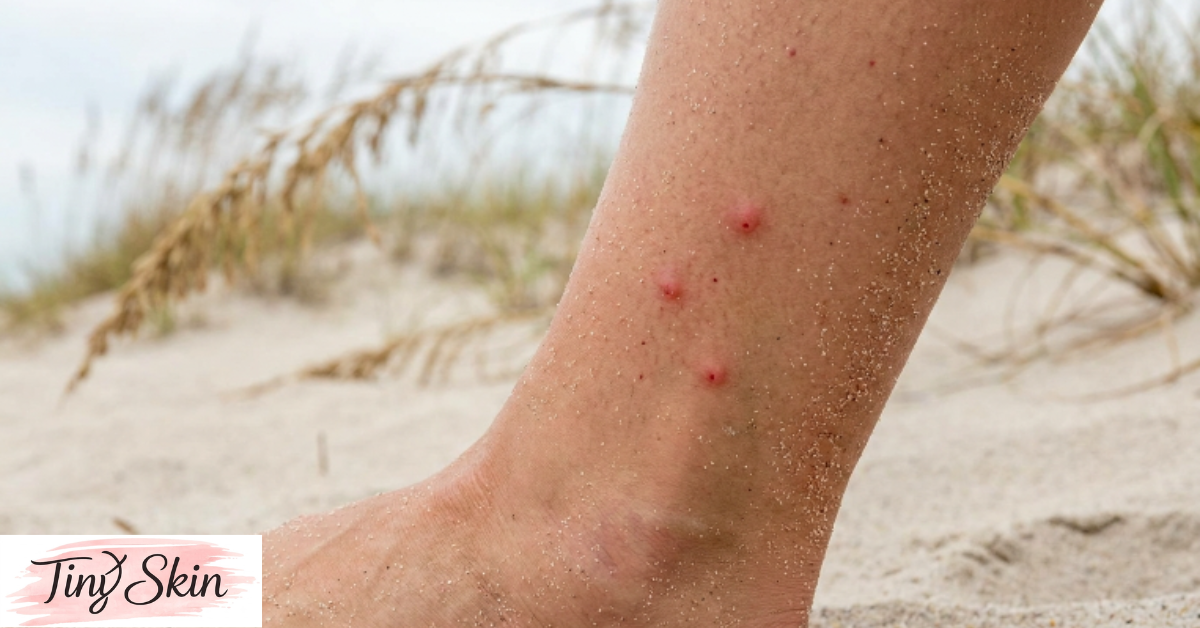
You come back from a beach holiday with itchy red bumps around your ankles and feet. That is often the first sign of sand flea bites. These tiny biting insects live in sand along warm coastlines and can leave you with painful, swollen skin for days.
Many travelers from Russia visiting tropical destinations experience this problem without knowing what caused it. The good news is that sand flea bites are usually treatable at home, and serious complications are rare when you act quickly.
In this guide, you will learn what sand flea bites look like, how to treat them, and how to avoid them on your next trip.
What Are Sand Flea Bites?
Sand fleas are tiny jumping insects that live in sandy soil near beaches, especially in tropical and subtropical regions. They feed on human and animal blood, which causes sand flea bites on exposed skin.
Unlike mosquitoes, sand fleas cannot fly. Instead, they jump onto skin from the sand, usually biting the feet, ankles, and lower legs. This is why beachgoers who walk barefoot are most at risk.
How Sand Fleas Differ From Other Insects
Sand fleas are smaller than regular fleas and prefer warm, humid, sandy environments. They are most active during early morning and evening hours, unlike mosquitoes that are active at dusk.
Where Sand Fleas Live
You will typically find sand fleas on beaches in the Caribbean, Central America, Southeast Asia, and parts of Africa. Damp sand near the shoreline is their preferred habitat.
Why Bites Happen
Bites happen when skin makes direct contact with infested sand. Sitting or lying directly on the sand without a barrier increases exposure significantly.
Sand Flea Bites Symptoms You Should Know
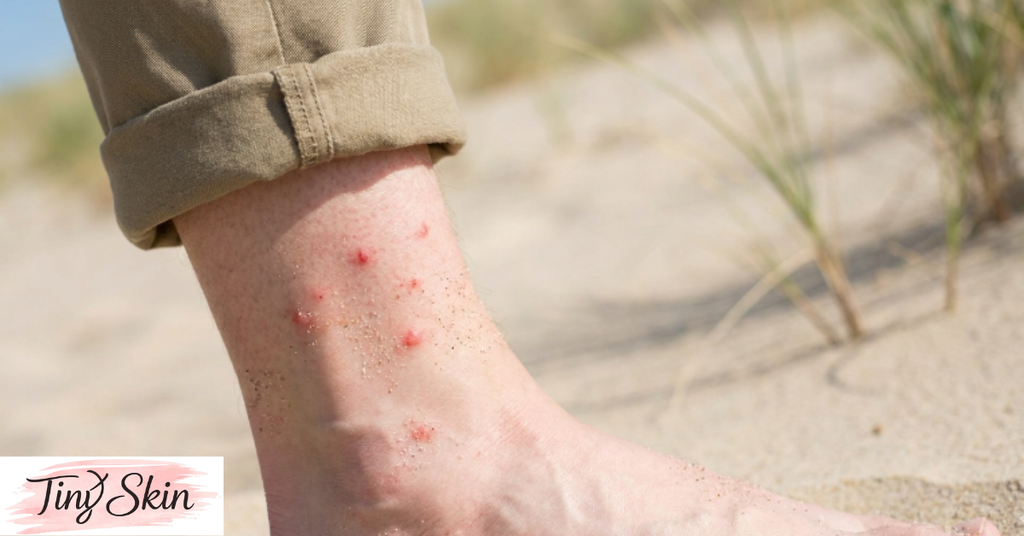
Recognizing sand flea bite symptoms early helps you treat the problem before it worsens. Symptoms usually appear within a few hours of exposure.
Common Skin Reactions
Most people notice small, red, itchy bumps clustered together, often around the ankles or feet. The itching can be intense, especially at night.
Signs of Infection
However, if bites become increasingly swollen, warm, or filled with pus, this may indicate a secondary bacterial infection. Redness spreading outward is also a warning sign.
When Symptoms Appear
Symptoms typically appear within hours, but in cases of tungiasis (when a female sand flea burrows into the skin), a small black dot with swelling may develop over several days.
Sand Flea Bites vs Other Insect Bites
Many insect bites look similar, which makes identification tricky. Additionally, treatment can differ depending on the insect involved. The table below compares common bite types.
| Feature | Sand Flea Bites | Mosquito Bites | Bed Bug Bites |
|---|---|---|---|
| Bite Pattern | Clustered, often on feet/ankles | Random, single bumps | Straight lines or clusters |
| Peak Activity | Early morning, evening | Dusk to night | Nighttime |
| Itch Intensity | High, sometimes severe | Mild to moderate | Moderate to high |
| Common Location | Feet, ankles, lower legs | Any exposed skin | Arms, neck, torso |
| Infection Risk | Moderate (tungiasis possible) | Low | Low to moderate |
| Habitat | Sandy beaches | Standing water areas | Mattresses, furniture |
Dermatologists recommend noting where and when you were bitten, since this history helps identify the correct cause and treatment.
How to Treat Sand Flea Bites at Home
Most sand flea bite treatment happens successfully at home. Acting quickly reduces itching and lowers infection risk.
Immediate First Aid
Wash the affected area with soap and clean water right away. This removes sand particles and reduces bacteria on the skin’s surface.
Natural Remedies
Applying a cold compress can reduce swelling and calm itching. Aloe vera gel also soothes irritated skin naturally, though it should not replace medical care for severe reactions.
Over-the-Counter Options
Antihistamine creams and hydrocortisone creams help control itching and inflammation. Oral antihistamines may also help if bites are widespread across the body.
| Treatment Method | How It Works | Best For |
|---|---|---|
| Cold Compress | Reduces swelling and numbs itch | Fresh bites, mild swelling |
| Hydrocortisone Cream | Reduces inflammation | Moderate itching, redness |
| Oral Antihistamine | Blocks histamine reaction | Multiple bites, strong itching |
| Aloe Vera Gel | Soothes and hydrates skin | Mild irritation, sensitive skin |
| Antiseptic Wash | Prevents bacterial infection | Open or scratched bites |
Avoid scratching, since broken skin significantly increases the risk of infection.
When to See a Dermatologist
While most bites heal on their own, some situations require professional medical attention.
Warning Signs
Seek care if you notice increasing pain, spreading redness, fever, or pus. These symptoms may signal a bacterial infection that needs prescription treatment.
Tungiasis Risk
Tungiasis occurs when a female sand flea burrows under the skin to lay eggs. Dermatologists recommend professional removal to prevent complications, since improper removal can worsen infection.
Medical Treatments
A dermatologist may prescribe topical or oral antibiotics for infected bites. In tungiasis cases, the embedded flea is carefully removed under sterile conditions.
How to Prevent Sand Flea Bites While Traveling
Prevention is far easier than treatment, especially when planning a beach vacation.
Protective Clothing
Wear closed shoes or sandals instead of walking barefoot on the sand, particularly during early morning and evening hours.
Repellents
Apply insect repellent containing DEET or picaridin to exposed skin before spending time on the beach. Reapply according to product instructions.
Beach Safety Tips
Use a raised beach chair or thick towel instead of lying directly on the sand. Additionally, avoid sitting near seaweed or debris where sand fleas often gather.
Sand Flea Bite Myths vs Facts
Misinformation about sand fleas is common, which can lead to poor treatment choices.
Myth: Sand Fleas Only Bite at Night
This is false. Sand fleas are most active during early morning and evening, not exclusively at night.
Myth: All Bites Require Antibiotics
This is not accurate. Most uncomplicated bites heal with basic hygiene and topical care, without antibiotics.
Fact: Tungiasis Needs Professional Removal
This is true. Attempting to dig out an embedded flea at home can cause injury and infection.
KEY TAKEAWAYS
- Sand flea bites commonly appear as itchy, clustered bumps on the feet and ankles.
- Symptoms usually show up within hours of walking on infested sand.
- Home treatment with cold compresses and antihistamine cream works for most cases.
- Watch for spreading redness, pus, or fever, which signal possible infection.
- Tungiasis requires professional dermatological removal, not home extraction.
- Wearing footwear and using repellent are the most effective prevention methods.
FAQs
What do sand flea bites look like?
Sand flea bites appear as small, red, itchy bumps, often clustered together around the feet and ankles. They can resemble mosquito bites but are usually more concentrated in one area of the skin.
How long do sand flea bites last?
Mild sand flea bites typically heal within one to two weeks with proper care. However, scratching or infection can extend healing time and increase discomfort significantly.
Can sand flea bites make you sick?
In most cases, sand flea bites only cause local skin irritation. However, untreated infections or tungiasis can lead to more serious complications requiring medical treatment.
Is it safe to pop a sand flea bite?
No, popping or scratching bites is not recommended. This can break the skin barrier and introduce bacteria, increasing your risk of infection.
Do sand fleas live in cold climates?
Sand fleas prefer warm, humid, sandy environments and are rarely found in cold climates. Travelers to tropical beach destinations face the highest exposure risk.
When should I worry about a sand flea bite?
Worry if you notice spreading redness, swelling, fever, or pus around the bite. These signs suggest infection and should be evaluated by a dermatologist promptly.
Conclusion
Sand flea bites are common among beach travelers, but they rarely cause serious harm when treated promptly. Cleaning the area, applying antihistamine cream, and avoiding scratching usually leads to quick healing.
However, watch closely for signs of infection or tungiasis, since these situations need professional care. Prevention through footwear and repellent remains your best defense on future beach trips.
If your symptoms worsen or do not improve within a few days, consult a licensed dermatologist for proper diagnosis and treatment. Your skin health is worth the extra precaution.

