

Introduction
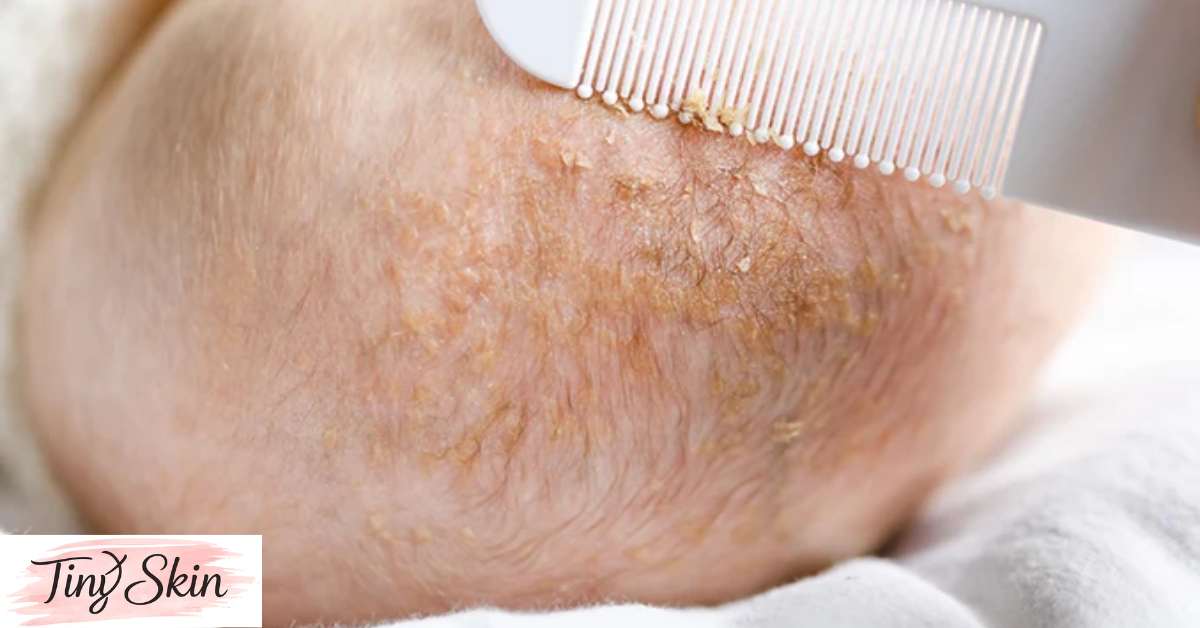
New parents often panic the first time they spot yellow, greasy scales on their baby’s scalp. If you are wondering what causes cradle cap, you are not alone. This common condition affects many infants in the first few months of life, and it looks worse than it actually is. Cradle cap is harmless, painless, and almost always temporary. However, understanding the real causes can help you manage it calmly and avoid unnecessary worry. In this guide, we break down the science behind cradle cap, dispel common myths, and share dermatologist-approved ways to treat it safely at home.
Understanding Cradle Cap: What It Really Is
Cradle cap is the common name for infantile seborrheic dermatitis. It is a mild, non-contagious skin condition that mostly affects the scalp. Doctors consider it extremely common in babies under one year old.
What Does Cradle Cap Look Like?
Cradle cap usually appears as patches of thick, yellowish or white scales. The skin underneath may look slightly red or greasy. Some patches flake off easily, while others stick firmly to the scalp.
Cradle Cap vs Eczema: Key Differences
Parents often confuse cradle cap with baby eczema, but they are different conditions. Cradle cap tends to be greasy and yellow, while eczema is usually dry, itchy, and red. Additionally, eczema often causes visible discomfort, whereas cradle cap rarely bothers the baby at all.
What Causes Cradle Cap in Babies?
Understanding what causes cradle cap starts with looking at a baby’s developing skin and hormones. Researchers have not pinpointed one single trigger, but several factors appear to work together.
The Role of Maternal Hormones
Many dermatologists believe that hormones passed from mother to baby before birth play a major role. These hormones can overstimulate the baby’s oil-producing glands for a short period after delivery. As hormone levels naturally decrease, cradle cap often clears up on its own.
Overactive Sebaceous Glands
A newborn’s sebaceous, or oil, glands can be unusually active in the first months of life. This excess oil, called sebum, traps dead skin cells on the scalp. Over time, this buildup forms the thick, flaky patches associated with cradle cap.
Yeast (Malassezia) and Skin Microbiome
Some studies suggest a yeast called Malassezia, which naturally lives on human skin, may contribute to cradle cap. This yeast can thrive in oily environments and may trigger mild inflammation. However, it is not considered an infection, and it does not mean the baby’s skin is unclean.
Is Cradle Cap Caused by Poor Hygiene?
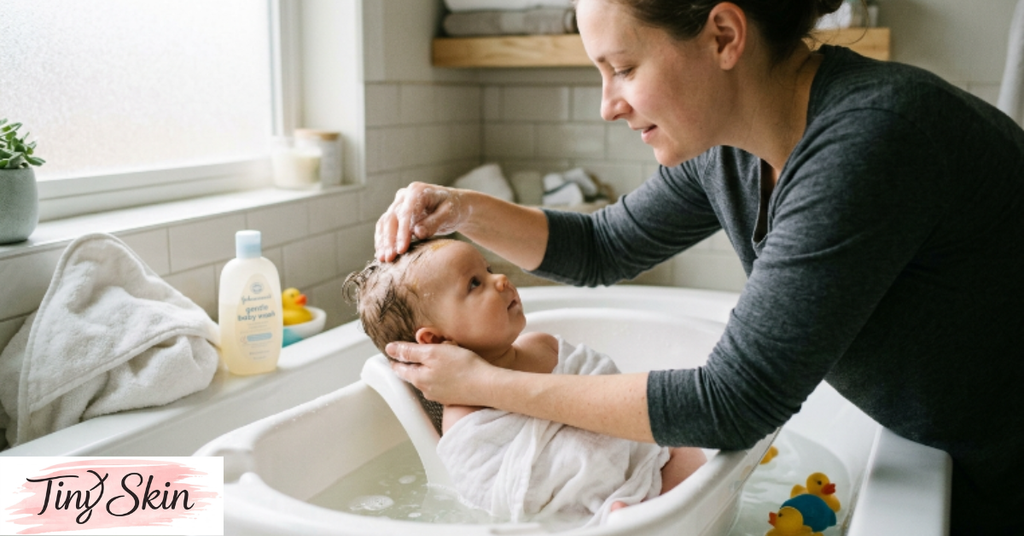
One of the biggest misconceptions about cradle cap is that it results from not bathing a baby often enough. This is simply not true, and understanding this can ease a lot of parental guilt.
Common Myths About Cradle Cap
Many parents believe cradle cap means they are not washing their baby’s hair properly. Others assume it is an allergic reaction to soap or formula. Neither belief is supported by dermatology experts, and both can lead to unnecessary product switching.
What Dermatologists Actually Say
Dermatologists explain that cradle cap is related to internal hormonal and oil-gland activity, not external cleanliness. Washing more aggressively will not prevent it and may irritate sensitive baby skin instead. Gentle, consistent care remains the best approach.
Who Is Most at Risk for Cradle Cap?
While cradle cap can affect almost any infant, certain factors make it more likely to appear or become more noticeable.
Age Range Most Affected
Cradle cap typically appears between two weeks and three months of age. It usually resolves by the time a baby turns one year old. Cases appearing after infancy are less common and may need a doctor’s evaluation.
Family History and Skin Type
Babies with a family history of seborrheic dermatitis, psoriasis, or eczema may be more prone to cradle cap. Additionally, babies with naturally oily skin types may experience more visible scaling. This does not mean the condition is preventable, but it can help parents recognize early signs.
How to Identify Cradle Cap Symptoms
Recognizing cradle cap early helps parents respond with the right care instead of unnecessary worry.
Common Signs and Locations
The most common sign is flaky, greasy patches on the scalp. Similar patches can also appear on the eyebrows, eyelids, behind the ears, or in neck folds. The skin is usually not itchy, and the baby typically shows no signs of discomfort.
When Cradle Cap Spreads Beyond the Scalp
In some cases, seborrheic dermatitis can extend to the diaper area, armpits, or other skin folds. This is still considered normal and treatable. However, if the skin becomes red, swollen, or oozing, it is time to consult a pediatrician.
Safe and Effective Cradle Cap Treatment Options
Most cases of cradle cap need little more than gentle, patient home care. Below is a comparison of common treatment options parents can consider.
Home Remedies for Mild Cases
Softening the scales before washing makes them easier to remove without irritating the scalp. Many parents use a soft brush after applying a small amount of natural oil.
- Apply a thin layer of mineral oil or baby oil
- Let it sit for 10-15 minutes to soften scales
- Gently brush with a soft baby brush
- Wash with a mild, fragrance-free shampoo
Medicated Shampoos and Creams
If home remedies do not improve stubborn patches, doctors may recommend a mild anti-dandruff or antifungal shampoo. These products should only be used under medical guidance, especially on very young infants.
When to See a Pediatrician or Dermatologist
Most cradle cap clears up without medical treatment. However, parents should seek professional advice if the area becomes infected, spreads rapidly, or causes visible distress to the baby.
Table 1: Cradle Cap vs Other Common Infant Skin Conditions
| Condition | Appearance | Likely Cause | Typical Location |
|---|---|---|---|
| Cradle Cap | Yellow, greasy, thick scales | Hormones, overactive oil glands | Scalp, eyebrows, ears |
| Baby Eczema | Dry, red, itchy patches | Skin barrier issues, allergies | Cheeks, elbows, knees |
| Heat Rash | Small red bumps | Blocked sweat glands | Neck, chest, folds |
| Diaper Dermatitis | Red, irritated skin | Moisture, friction, urine contact | Diaper area |
Table 2: Cradle Cap Treatment Options Compared
| Treatment | How It Works | Best For | Precautions |
|---|---|---|---|
| Baby Oil Softening | Loosens scales for easy brushing | Mild, early cradle cap | Avoid leaving oil on too long |
| Mild Baby Shampoo | Gently cleanses without stripping oils | Daily maintenance | Choose fragrance-free formulas |
| Soft Brush Technique | Physically lifts flakes from scalp | Ongoing scale removal | Never use force or scratch skin |
| Medicated Shampoo | Reduces yeast and inflammation | Persistent or thick cases | Use only under doctor guidance |
How to Prevent Cradle Cap From Getting Worse
While cradle cap cannot always be fully prevented, gentle daily habits can reduce severity and speed up healing.
Gentle Scalp Care Routine
Wash your baby’s scalp two to three times per week using a mild shampoo. Brushing gently after bath time helps prevent excessive scale buildup. Avoid picking at scales, as this can irritate the skin or cause minor bleeding.
Products to Avoid
Skip harsh adult shampoos, strong fragrances, and alcohol-based lotions on a baby’s scalp. Additionally, avoid over-washing, which can dry out the skin and worsen flaking. Simple, minimal routines usually work best for sensitive infant skin.
Key Takeaways
- Cradle cap is caused mainly by hormones and overactive oil glands, not poor hygiene.
- It commonly appears between two weeks and three months of age.
- Yeast on the skin may contribute, but it is not an infection.
- Most cases clear up naturally within the first year without treatment.
- Gentle oil softening and mild shampoo are usually enough to manage symptoms.
- Medical treatment is only needed for severe, spreading, or infected cases.
FAQs
Is cradle cap contagious?
No, cradle cap is not contagious. It cannot spread from one baby to another through contact. It develops due to internal factors like hormones and oil gland activity, not from germs or exposure to other infants.
Does cradle cap mean my baby has dry skin?
No, cradle cap is actually linked to excess oil production, not dryness. The scales form when oil traps dead skin cells on the scalp. This is different from dry skin conditions, which usually appear flaky without an oily texture.
Can breastfeeding or formula cause cradle cap?
There is no reliable evidence linking breastfeeding or formula feeding to cradle cap. The condition is primarily driven by hormonal changes and oil gland activity. Diet is not currently considered a direct cause by dermatology experts.
How long does cradle cap usually last?
Cradle cap typically resolves within a few weeks to several months. Most cases clear up completely by the time a baby is eight to twelve months old. Persistent cases beyond this age should be evaluated by a doctor.
Can I use regular shampoo on cradle cap?
It is best to avoid regular adult shampoo on a baby’s scalp. These products can contain harsh ingredients that irritate sensitive skin. A mild, fragrance-free baby shampoo is a safer and gentler choice.
When should I worry about cradle cap?
Parents should seek medical advice if the patches become red, swollen, or start oozing fluid. Rapid spreading beyond the scalp or signs of discomfort also warrant a pediatrician visit. Otherwise, cradle cap is generally harmless.
Conclusion
Understanding what causes cradle cap helps parents respond with confidence instead of panic. In most cases, hormones and overactive oil glands are behind those flaky, yellow patches, not anything you did wrong. With gentle care, patience, and the right products, cradle cap usually resolves on its own within months. If symptoms persist or worsen, do not hesitate to consult a pediatrician or dermatologist for personalized guidance. Your baby’s skin deserves calm, informed care, and now you have the knowledge to provide it.

