

Introduction
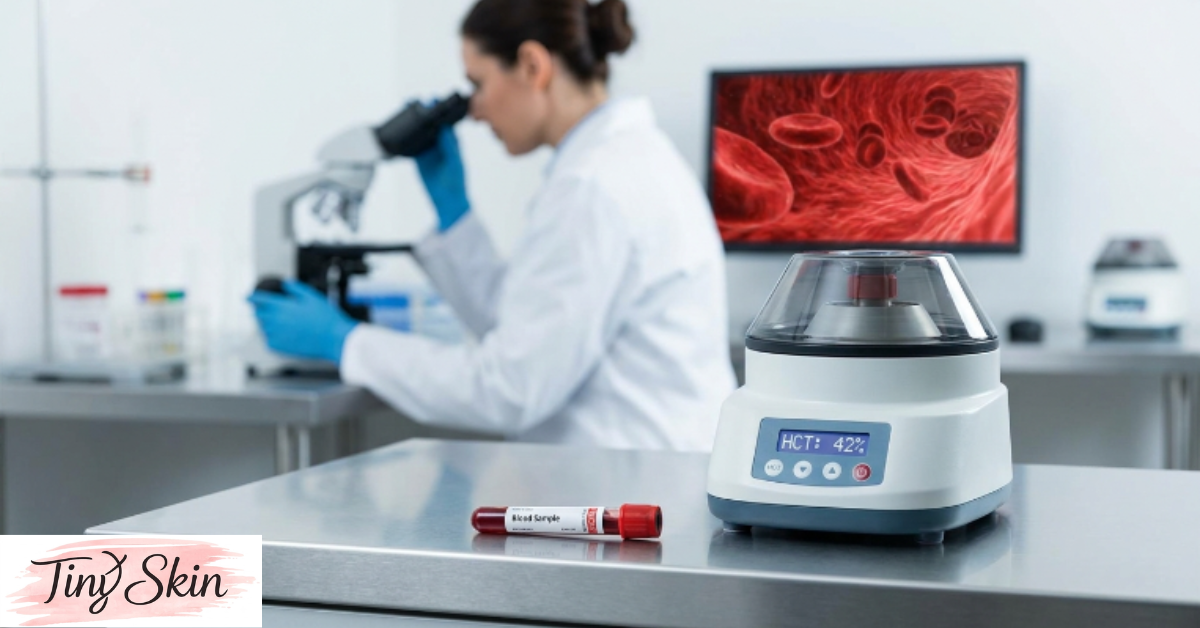
Have you ever looked at your blood test results and wondered what the word “hematocrit” actually means? You are not alone. This single number tells doctors a lot about your blood health, yet most people never learn what it measures or why it matters.
Your hematocrit level shows the percentage of red blood cells in your blood. It plays a key role in how oxygen travels through your body. A number that is too high or too low can point to hidden health issues.
In this guide, you will learn what hematocrit means, what a normal range looks like, and what steps to take if your results seem off.
What Is Hematocrit and Why It Matters
Hematocrit measures the volume of red blood cells compared to your total blood volume. It is expressed as a percentage. For example, a hematocrit of 40% means 40% of your blood is made up of red blood cells.
Red blood cells carry oxygen from your lungs to every tissue in your body. Therefore, hematocrit is a useful indicator of how well your blood can deliver oxygen where it is needed.
Why Doctors Check This Number
Doctors often check hematocrit during a routine blood test called a complete blood count (CBC). It helps them screen for anemia, dehydration, and other blood disorders.
How It Relates to Overall Health
A balanced hematocrit level supports steady energy, brain function, and muscle performance. When it shifts too far in either direction, your body has to work harder to function normally.
Hematocrit vs. Hemoglobin
People often confuse hematocrit with hemoglobin. Hemoglobin is the protein inside red blood cells that actually binds oxygen, while hematocrit measures the volume those cells take up. The two values usually rise and fall together.
How the Hematocrit Test Works
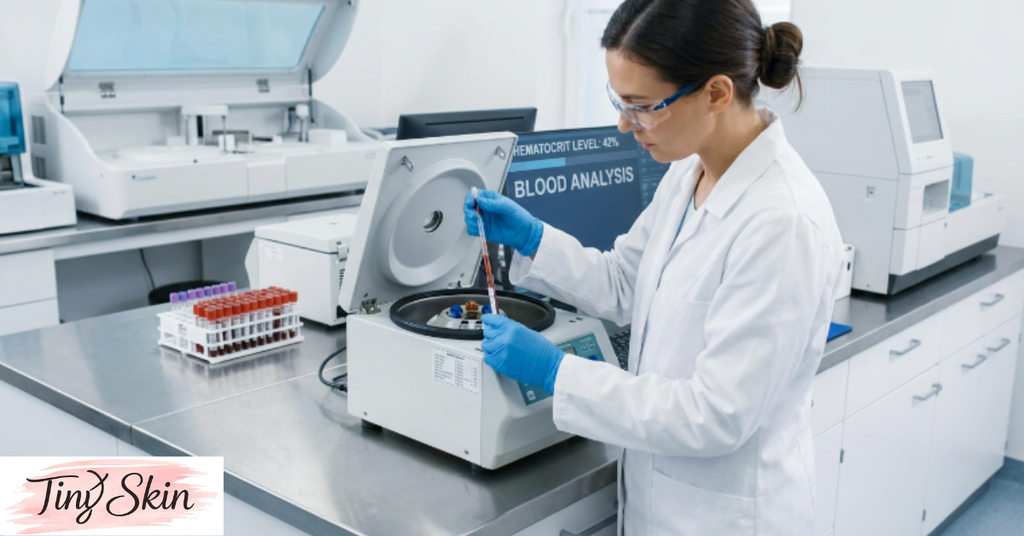
The hematocrit test is simple and takes only a few minutes. A technician draws a small blood sample, usually from a vein in your arm.
The sample then goes into a machine or centrifuge that separates blood components by weight. This separation reveals the exact percentage of red blood cells.
Preparing for the Test
Most people do not need special preparation. However, your doctor may ask you to avoid heavy exercise or dehydration before the test, since both can temporarily affect results.
What Happens During the Test
A nurse cleans the skin, inserts a small needle, and collects blood into a vial. The process typically causes only mild, brief discomfort.
Getting Your Results
Results are usually available within a day. Your doctor will compare your number against a standard reference range based on your age and sex.
Normal Hematocrit Ranges by Age and Gender
Hematocrit levels naturally vary depending on age, sex, and even altitude. Understanding the normal range helps you interpret your own results with more confidence.
Additionally, pregnant women and newborns have different reference ranges than adults, so context always matters.
| Group | Normal Hematocrit Range |
|---|---|
| Adult men | 38.8% – 50.0% |
| Adult women | 34.9% – 44.5% |
| Children | 32% – 44% |
| Newborns | 45% – 61% |
| Pregnant women | 33% – 44% |
Why Ranges Differ by Sex
Men typically have higher hematocrit levels than women. This is largely linked to testosterone, which stimulates red blood cell production.
Age-Related Changes
Hematocrit tends to be higher at birth, drops during childhood, and gradually stabilizes in adulthood. Older adults may see a slight natural decline.
The Role of Altitude
People living at high altitudes often have higher hematocrit levels. Thinner air contains less oxygen, so the body produces more red blood cells to compensate.
What Causes High Hematocrit Levels
A high hematocrit level means your blood has an unusually large proportion of red blood cells. This can thicken the blood and make it harder to flow smoothly.
Moreover, elevated hematocrit is sometimes an early clue to an underlying condition rather than a problem on its own.
Dehydration
Dehydration is one of the most common and easily reversible causes. When fluid levels drop, red blood cells appear more concentrated in the remaining blood.
Lung and Heart Conditions
Chronic lung diseases, like COPD, and certain heart conditions reduce oxygen levels. In response, the body produces extra red blood cells, raising hematocrit.
Polycythemia Vera
This rare bone marrow disorder causes the body to overproduce red blood cells. Dermatologists and hematologists often work together here, since it can also cause itchy or flushed skin.
What Causes Low Hematocrit Levels
A low hematocrit level often signals anemia, meaning your body does not have enough healthy red blood cells to carry oxygen efficiently.
However, low hematocrit can also result from recent blood loss, chronic illness, or certain nutritional gaps.
Iron Deficiency
Iron is essential for producing hemoglobin and red blood cells. A diet low in iron, or poor iron absorption, is a leading cause of low hematocrit worldwide.
Vitamin B12 and Folate Deficiency
These nutrients support healthy red blood cell formation. A shortage can lead to fewer, larger, and less effective red blood cells.
Chronic Diseases and Blood Loss
Kidney disease, certain cancers, and heavy menstrual bleeding can all lower hematocrit over time. Persistent internal bleeding is another important cause to rule out.
KEY TAKEAWAYS
- Hematocrit measures the percentage of red blood cells in your total blood volume.
- Normal ranges differ by age, sex, and even altitude.
- High hematocrit often links to dehydration, lung disease, or bone marrow disorders.
- Low hematocrit frequently points to anemia, iron deficiency, or blood loss.
- Fatigue, dizziness, and shortness of breath are common warning signs.
- A simple blood test can confirm your hematocrit level within a day.
Symptoms of Abnormal Hematocrit
Many people with slightly abnormal hematocrit feel no symptoms at all. However, as levels move further from normal, the body often sends clear warning signs.
Recognizing these symptoms early can help you seek treatment before complications develop.
Signs of High Hematocrit
Common symptoms include headaches, dizziness, blurred vision, and unusually flushed or reddish skin.
Signs of Low Hematocrit
Low levels often cause fatigue, pale skin, shortness of breath, and a rapid heartbeat during light activity.
When Symptoms Overlap With Skin Health
Interestingly, both high and low hematocrit can affect skin appearance. Pale or bluish skin may suggest low levels, while a ruddy, flushed complexion may point to high levels.
How to Manage and Improve Your Hematocrit
Treatment for abnormal hematocrit depends entirely on the underlying cause. Therefore, an accurate diagnosis always comes before any management plan.
Dermatologists and general physicians recommend a combination of lifestyle changes and medical follow-up.
Dietary Adjustments
Eating iron-rich foods like leafy greens, beans, and lean meats can help raise low hematocrit. Staying hydrated helps prevent falsely elevated readings.
Medical Treatments
Doctors may prescribe iron supplements, vitamin B12 injections, or medications to manage underlying conditions like polycythemia vera.
Lifestyle Habits That Help
- Drink enough water daily to avoid dehydration-related spikes.
- Avoid smoking, which can artificially raise hematocrit.
- Get regular checkups if you have chronic heart or lung conditions.
- Follow up on abnormal results with repeat testing.
When to See a Doctor
You should not try to interpret abnormal hematocrit results on your own. A doctor can order additional tests to pinpoint the exact cause.
Seek medical attention promptly if you notice sudden symptoms alongside abnormal results.
Red Flag Symptoms
Seek care right away for chest pain, severe shortness of breath, fainting, or sudden vision changes.
Routine Monitoring
If you have a chronic condition affecting your blood, your doctor may recommend checking hematocrit every few months.
Follow-Up Testing
Additional tests, such as iron studies or a bone marrow biopsy, may be needed to confirm a diagnosis behind abnormal hematocrit.
COMPARISON TABLE: HIGH vs. LOW HEMATOCRIT
| Factor | High Hematocrit | Low Hematocrit |
|---|---|---|
| Common Cause | Dehydration, lung disease, polycythemia vera | Iron deficiency, blood loss, chronic illness |
| Typical Symptoms | Headache, dizziness, flushed skin | Fatigue, pale skin, rapid heartbeat |
| Skin Appearance | Ruddy or reddish complexion | Pale or slightly bluish tone |
| First-Line Approach | Hydration, treat underlying cause | Iron-rich diet, supplements |
| Doctor to Consult | Hematologist or cardiologist | Primary care physician or hematologist |
FAQs
What is a dangerous hematocrit level?
A hematocrit below 15% or above 60% is generally considered dangerous and requires urgent medical attention. However, “dangerous” thresholds can vary based on age, symptoms, and overall health, so always consult a doctor for personal interpretation.
Can dehydration cause high hematocrit?
Yes, dehydration is one of the most common causes of temporarily high hematocrit. When your body loses fluid, red blood cells appear more concentrated in the remaining blood. Drinking water and retesting often resolves this issue.
Does low hematocrit always mean anemia?
Not always, but it is the most common reason. Low hematocrit can also result from recent blood donation, pregnancy, or certain chronic diseases. A full blood panel helps confirm the exact cause.
How often should I check my hematocrit?
Healthy adults typically do not need routine checks unless a doctor recommends it. People with chronic conditions, such as kidney disease or polycythemia vera, may need testing every few months.
Can diet alone fix low hematocrit?
Mild cases linked to iron or vitamin deficiency often improve with dietary changes. However, more serious causes may require supplements or medical treatment, so always confirm the cause with a doctor first.
Is high hematocrit linked to heart disease?
High hematocrit can thicken the blood, which may increase strain on the heart and raise clotting risk. This is why doctors often monitor heart health alongside abnormal hematocrit results.
Conclusion
Understanding your hematocrit level gives you real insight into your blood and overall health. Whether your number is too high or too low, the cause is usually treatable once identified.
Do not ignore abnormal results or unusual symptoms like fatigue, dizziness, or skin color changes. Instead, talk to your doctor about a full blood panel to get the complete picture.
If you recently received blood test results and have questions, consult a qualified doctor or hematologist for personalized guidance based on your history and symptoms.

