

Introduction
Have you noticed a small, round lump under your skin that won’t go away? It might be a sebaceous cyst. These slow-growing bumps are extremely common and usually harmless, but they can still cause worry, discomfort, or self-consciousness. Many people mistake them for pimples, ingrown hairs, or something more serious.
Understanding what a sebaceous cyst actually is can help you decide whether to leave it alone, care for it at home, or book a dermatologist visit. In this guide, you’ll learn the causes, symptoms, treatment choices, and simple habits that support smooth skin texture. Let’s clear up the confusion, one section at a time.
What Is a Sebaceous Cyst?
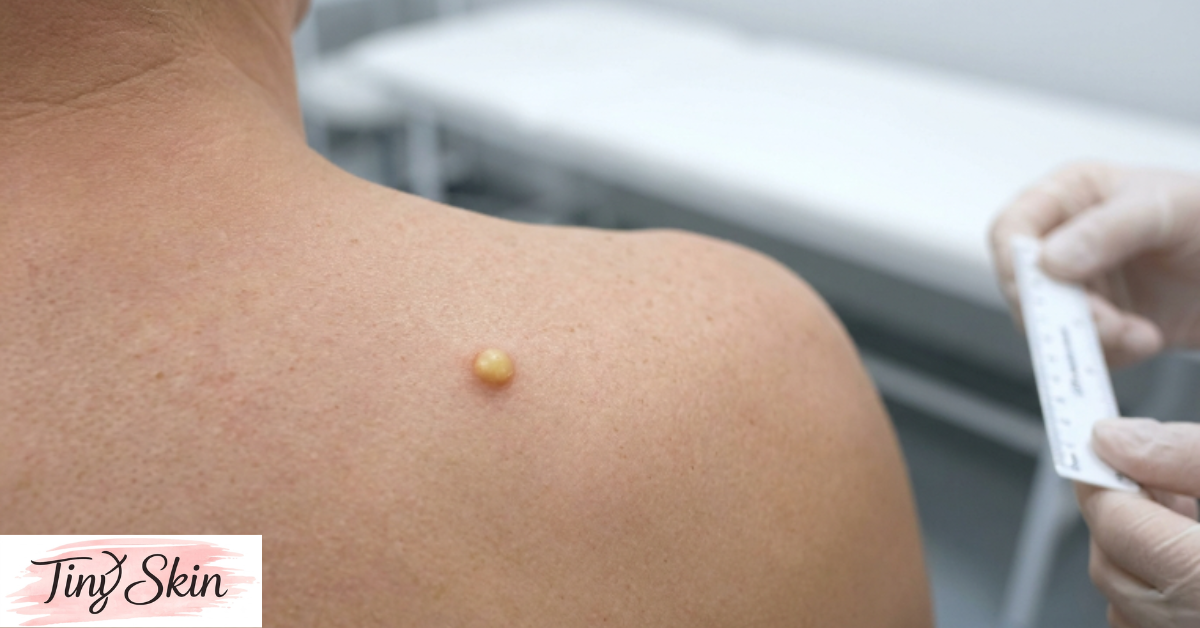
A sebaceous cyst is a small, noncancerous sac that forms under the skin. It typically develops when a hair follicle or oil gland becomes blocked. Trapped skin cells and oily material called sebum then build up, forming a slow-growing lump.
Doctors sometimes call these growths epidermoid cysts or pilar cysts, depending on which skin structure is involved. However, most people simply describe them as a “skin cyst” or “fatty bump.”
Definition and Anatomy
The cyst sits just beneath the skin’s surface and is enclosed in its own thin wall. Inside, you’ll usually find a thick, yellowish, cheese-like substance made of keratin and dead skin cells. It grows slowly and rarely disappears without treatment.
Common Causes
Several factors can trigger a blocked follicle, including:
- Skin trauma or injury near a hair follicle
- Excess oil production
- Acne-prone or oily skin
- Genetic conditions such as Gardner syndrome
- Damaged or swollen oil glands
Risk Factors
Certain people are more likely to develop these cysts. Risk increases with:
- A personal or family history of cysts
- Having gone through puberty (hormonal oil changes)
- A history of severe acne
- Skin injuries, including cuts and scrapes
Signs and Symptoms of a Sebaceous Cyst
Most sebaceous cysts share a few recognizable features. Knowing what to look for helps you decide how urgently to seek care.
Physical Characteristics
A typical cyst feels like a small, round, movable lump under the skin. It’s usually:
- Between a few millimeters and a few centimeters wide
- Skin-colored, yellowish, or slightly reddish
- Painless when left undisturbed
- Slow-growing over months or years
When It Becomes Painful or Infected
Sometimes bacteria enter the cyst, leading to inflammation. Watch for these warning signs:
- Redness and warmth around the bump
- Swelling or throbbing pain
- Foul-smelling discharge
- Fever, in more serious cases
Additionally, an infected cyst may grow noticeably larger within just a day or two.
Where They Commonly Appear
Sebaceous cysts often form in areas with more oil glands and hair follicles. Common locations include:
- Scalp
- Face and neck
- Back and chest
- Behind the ears
Sebaceous Cyst vs. Other Skin Growths
Because many bumps look similar, comparison can help you understand what you’re dealing with before seeing a professional.
| Skin Bump | Typical Appearance | Common Cause | Treatment Approach |
|---|---|---|---|
| Sebaceous Cyst | Round, movable, slow-growing | Blocked hair follicle or oil gland | Monitoring, drainage, or surgical removal |
| Lipoma | Soft, doughy, mobile lump | Fatty tissue overgrowth | Usually left alone unless bothersome |
| Boil (Abscess) | Red, tender, pus-filled | Bacterial infection | Warm compress, antibiotics, drainage |
| Milia | Tiny, white, hard bump | Trapped keratin near skin surface | Gentle exfoliation, professional extraction |
| Acne Cyst | Inflamed, deep, tender | Clogged pore with bacteria | Topical treatment, dermatologist care |
As the table shows, uneven skin texture can come from several different sources, so an accurate diagnosis matters more than guesswork.
How a Sebaceous Cyst Is Diagnosed
You should never try to self-diagnose a persistent skin lump. A dermatologist uses a structured process to confirm what you’re dealing with.
Physical Examination
In most cases, a dermatologist can identify a sebaceous cyst simply by looking at it and gently feeling its texture. They’ll check its size, mobility, color, and any signs of tenderness.
Imaging Tests
For larger or unusual-looking cysts, doctors may recommend an ultrasound. This helps rule out other conditions and shows how deep the cyst extends beneath the skin.
Lab Analysis
If a cyst is removed, the tissue is sometimes sent to a lab. This confirms the diagnosis and rules out rare complications. Dermatologists recommend this step especially when a growth looks unusual or grows quickly.
Treatment Options for a Sebaceous Cyst
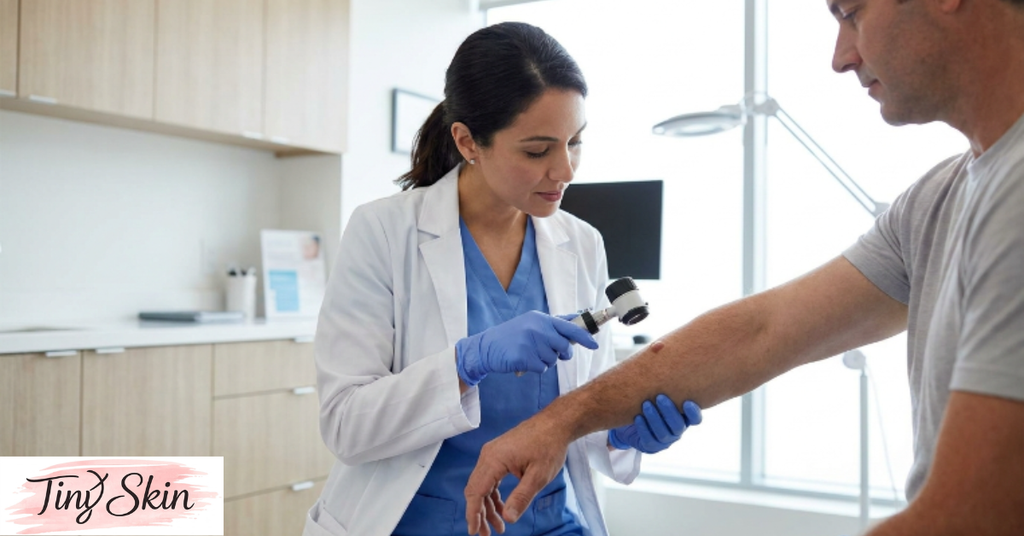
Treatment depends on the cyst’s size, symptoms, and whether it’s infected. Never attempt to squeeze or pop a cyst at home, since this can cause infection or scarring.
At-Home Care
For small, non-bothersome cysts, dermatologists often suggest simply observing them. You can also:
- Apply a warm compress to ease minor discomfort
- Keep the area clean
- Avoid picking, squeezing, or piercing the cyst
Medical Treatments
If the cyst becomes inflamed, a doctor might use:
- A steroid injection to reduce swelling
- An incision and drainage procedure for infected cysts
- Oral antibiotics if infection has spread
Surgical Removal
The only way to permanently remove a sebaceous cyst is minor surgical excision. This removes the entire sac wall, which lowers the chance of recurrence.
| Treatment Method | Best For | Recovery Time | Recurrence Risk |
|---|---|---|---|
| Observation | Small, painless cysts | None needed | Low, unless cyst grows |
| Warm Compress | Mild irritation | 1–3 days | Moderate |
| Drainage | Infected or painful cysts | 1–2 weeks | High (sac remains) |
| Surgical Excision | Permanent removal | 1–2 weeks | Low (sac removed) |
Can You Prevent a Sebaceous Cyst? Skin Care Tips
While you can’t always prevent a sebaceous cyst, certain habits support healthier skin and may reduce your risk.
Skin Exfoliation Habits
Gentle, regular skin exfoliation helps clear dead skin cells before they clog follicles. Try to:
- Exfoliate two to three times a week, not daily
- Use mild chemical exfoliants over harsh scrubs
- Moisturize afterward to protect your skin barrier
Maintaining Smooth Skin Texture
Consistent skincare supports smooth skin texture over time. Cleansing twice daily and avoiding pore-clogging products both help.
Lifestyle Tips for Prevention
Beyond your skincare routine, a few smooth skin tips can lower irritation risk:
- Avoid tight clothing that rubs against the skin
- Treat acne early instead of letting it worsen
- Protect skin from cuts, scrapes, and sunburn
- See a dermatologist for recurring bumps in the same spot
Risks and Complications If Left Untreated
Most sebaceous cysts stay harmless for years. However, ignoring changes can sometimes lead to complications.
Infection
An untreated cyst can become infected, causing pain, swelling, and discharge. Infections may require antibiotics or urgent drainage.
Scarring
Popping or squeezing a cyst at home often leads to scarring. Moreover, incomplete removal increases the likelihood of the cyst returning.
Recurrence
If the sac wall isn’t fully removed during treatment, the cyst can regrow in the same location. This is why dermatologist advice favors full surgical excision for permanent results.
KEY TAKEAWAYS
- A sebaceous cyst is a noncancerous, slow-growing bump caused by a blocked hair follicle or oil gland.
- Most cysts are painless, but infection can cause redness, swelling, and discharge.
- Never squeeze or pop a cyst at home, as this raises infection and scarring risk.
- Diagnosis usually involves a physical exam, and sometimes imaging or lab testing.
- Surgical excision is the most reliable way to prevent the cyst from returning.
- Gentle skin exfoliation and good hygiene support smooth skin texture and may lower future risk.
When to See a Dermatologist
Certain warning signs mean it’s time to stop waiting and book an appointment.
Warning Signs to Watch For
Seek professional care if you notice:
- Rapid growth or sudden size change
- Persistent pain, redness, or warmth
- Pus or foul-smelling discharge
- A cyst that keeps returning after treatment
What to Expect at Your Appointment
Your dermatologist will examine the cyst, ask about its history, and recommend the safest treatment path. This may include drainage, medication, or scheduling minor surgery.
Aftercare Following Treatment
After removal, keep the area clean and dry, follow wound-care instructions, and attend any follow-up visits. This lowers the chance of infection and supports smoother healing.
FAQs
What causes a sebaceous cyst to form?
A sebaceous cyst usually forms when a hair follicle or oil gland becomes blocked, trapping sebum and dead skin cells beneath the surface. Skin trauma, acne, and genetics can all increase the likelihood of this happening over time.
Can a sebaceous cyst go away on its own?
Small cysts sometimes shrink or stay unnoticeable for years, but they rarely disappear completely without treatment. If a cyst becomes painful, infected, or keeps growing, a dermatologist can safely drain or remove it.
Is it safe to pop a sebaceous cyst at home?
No, popping a cyst at home is not recommended. It can push contents deeper into the skin, cause infection, and lead to permanent scarring. A dermatologist can drain or remove it safely instead.
How can I tell if my cyst is infected?
Signs of infection include redness, warmth, swelling, tenderness, and discharge with an unpleasant odor. Some people also develop a mild fever. If these symptoms appear, contact a dermatologist promptly for evaluation.
Does removing a sebaceous cyst leave a scar?
Minor scarring is possible after surgical removal, but a skilled dermatologist minimizes this with careful technique. Scarring risk is usually much higher when a cyst is squeezed or drained improperly at home.
Are sebaceous cysts cancerous?
Sebaceous cysts are almost always noncancerous. However, dermatologists may send removed tissue for lab testing to confirm the diagnosis, especially if the growth looks unusual or changes quickly.
Conclusion
A sebaceous cyst can feel alarming at first, but in most cases, it’s a harmless, treatable skin condition. Knowing the causes, symptoms, and treatment options helps you respond calmly instead of panicking over a new bump. Simple habits, like gentle skin exfoliation and good hygiene, support long-term skin health and smoother texture.
Still, persistent, painful, or infected cysts deserve professional attention. If you notice any warning signs, don’t wait; consult a dermatologist for an accurate diagnosis and safe removal plan tailored to your skin.

